معرفی
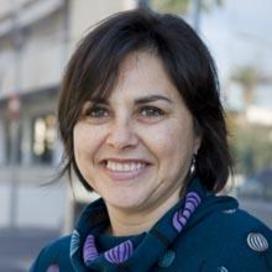
Amy McHenry serves as Adjunct Faculty in the Department of Biological Sciences at Southwestern Adventist University (SWAU), where she has maintained an active affiliation for 14 years. Her academic foundation includes advanced research in molecular parasitology with direct applications to global health challenges.
Her educational background features:
- Ph.D. in Molecular Parasitology from the University of Notre Dame (2009)
- B.S. in Biology (Honors) from Union College (2004)
Dr. McHenry's research program centers on Plasmodium vivax malaria pathogenesis, with particular emphasis on the Duffy binding protein's role in erythrocyte invasion. Her work integrates molecular biology, immunology, and structural analysis to investigate genetic polymorphisms, strain-specific immune responses, and vaccine design challenges. Key contributions include identifying conserved epitopes for inhibitory antibodies and developing synthetic vaccine candidates targeting DBP region II, addressing critical barriers in vivax malaria eradication.
Analysis of her 13 publications (2006-2016) reveals an evolving research trajectory from foundational structural studies toward translational vaccine development. Early work characterized protein domains and host-pathogen interactions, while later research focused on strain-transcending immunity and synthetic antigen design, culminating in two U.S. patents for Plasmodium vivax vaccine technology. This progression demonstrates consistent innovation in overcoming antigenic variation challenges.
Her scientific recognition includes:
- Arthur J. Schmitt Presidential PhD Fellowship (University of Notre Dame, 2004-2008)
- William Dale Leech Award (Union College, 2004)
- National Merit Scholar (1999)
Dr. McHenry's collaborative research, particularly with Dr. John H. Adams' laboratory, has produced significant patentable innovations in malaria vaccine development. While specific grant details aren't provided, her patent portfolio indicates successful translation of basic research into intellectual property with therapeutic potential. Her work continues to influence strategies for combating Duffy-positive malaria transmission worldwide.