معرفی
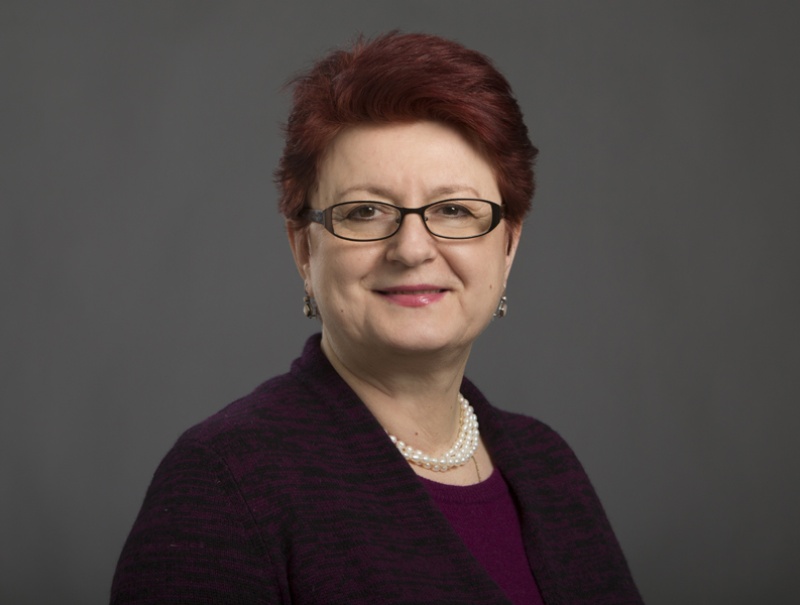
Amanda Cooper serves as an Assistant Professor in the Department of Communication Education at the University of Connecticut, where her research critically examines interpersonal, family, and health communication dynamics during life transitions, with specialized emphasis on aging and end-of-life contexts. Her methodological approach integrates both qualitative and quantitative frameworks to investigate relational processes and communication's impact on individual and relational well-being.
Her academic credentials include:
- Ph.D. in Communication from the University of Arizona (2023)
Dr. Cooper's research program centers on the intersection of interpersonal communication, health communication, and family communication, specifically analyzing how individuals and families navigate challenging transitions across the lifespan. Her work frequently addresses dementia caregiving, communication at the end of life, and resilience mechanisms within family systems, employing theoretical frameworks from the investment model and resilience theory. She examines both micro-level conversational strategies and macro-level social determinants affecting communication outcomes.
Analysis of her 15 most recent publications reveals consistent thematic focus on dementia communication, caregiver resilience, and neighborhood effects on mental health. Her work demonstrates increasing methodological sophistication with mixed-methods designs and longitudinal analyses, frequently appearing in top-tier journals including Journal of Social and Personal Relationships and Health Communication. Recurring conceptual threads include relational calibration, communication savoring, and the humanization of stigmatized health conditions.
Her scholarly contributions have been recognized through prestigious awards:
- Kory Floyd Fellowship in Interpersonal Relations (University of Arizona Department of Communication)
- Dawn O. Braithwaite Qualitative Research Award (CSCA Interpersonal and Family Division)
- Outstanding Master’s Thesis Awards (NCA Communication and Aging Division & ICA Interpersonal Communication Division)
- Outstanding Graduate Research Award (NCA Student Section)
While her current advisees and specific grant funding are not detailed in available materials, her research trajectory indicates active investigation into AI-supported caregiving technologies and cross-cultural communication patterns in end-of-life contexts. Her work demonstrates strong potential for translational impact in clinical and community settings serving aging populations.
No dedicated research laboratory or formal team structure is specified in the provided materials, though her collaborative publications suggest interdisciplinary partnerships across psychology, gerontology, and public health domains.