معرفی
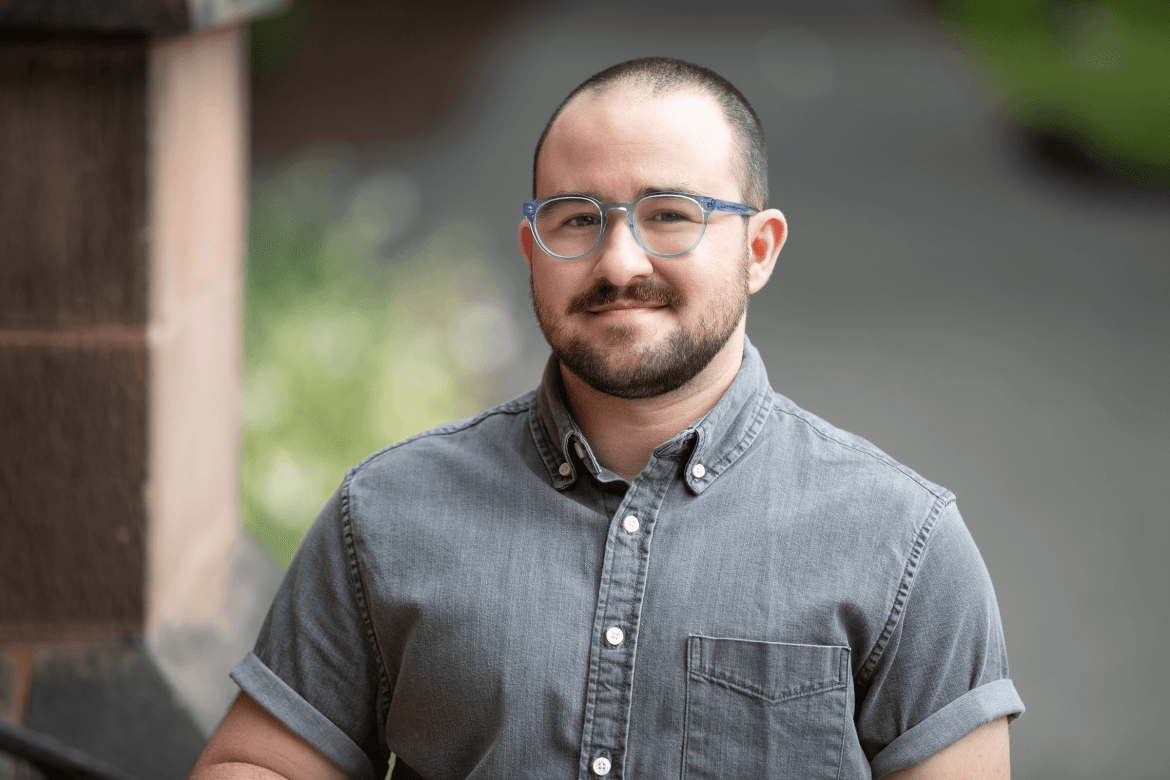
Alyxander Burns serves as an Assistant Professor in the Department of Computer Science at Mount Holyoke College, where he returned as faculty after graduating from the institution in 2017. He holds a Ph.D. in Computer Science from the University of Massachusetts Amherst and specializes in teaching foundational courses like Introduction to Computer Science.
His educational background includes:
- B.A. from Mount Holyoke College (2017)
- Ph.D. in Computer Science from University of Massachusetts Amherst
Burns investigates the effectiveness of data visualizations as communication tools, challenging assumptions about data objectivity by examining how chart design choices (like scale manipulation) distort audience interpretation. His research defines 'good' visualizations as those enabling new world understanding rather than optimizing for engagement metrics, while integrating justice and equity frameworks into computer science pedagogy. He explores how non-expert audiences process visual data and develops teaching methods to make technical concepts accessible to diverse learners.
His publication trends reveal a consistent focus on visualization accessibility, particularly through human-centered evaluation methods that prioritize audience comprehension over aesthetic appeal. This work bridges theoretical HCI research with practical educational applications in data literacy.
His scientific recognition includes:
- Best Paper Award at ACM CHI Conference on Human Factors in Computing Systems (2022) for "Who Do We Mean When We Talk About Visualization Novices?"
Burns emphasizes developing novel approaches to embed social justice perspectives into computer science curriculum, believing technical education must prepare students to address societal inequities. While specific grant details aren't public, his teaching philosophy centers on creating inclusive learning environments where students discover connections between computing and their existing interests.
Though research team structures aren't detailed in available materials, his work inherently involves student collaborators in visualization studies examining real-world data communication challenges across disciplines.