معرفی
Ali El-Armouche serves as W3-Professor and Director of the Institute for Pharmacology & Toxicology at Technical University of Dresden's Faculty of Medicine since 2014. Previously held professorial positions at University Medical Center Göttingen (2009-2014) and University of Hamburg (2002-2009), establishing a career focused on cardiac molecular signaling.
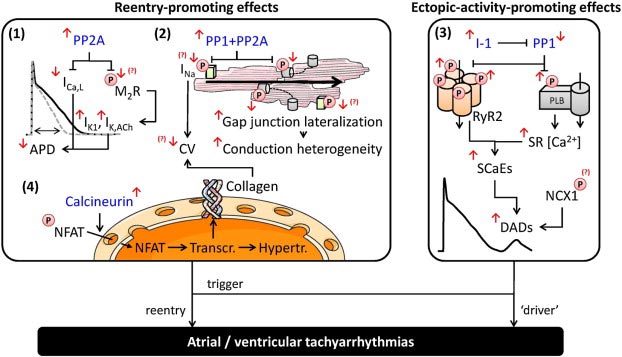
His research centers on identifying molecular mechanisms in arrhythmogenesis and heart failure progression, with pioneering work on protein phosphatase modulation (particularly PP1 inhibitor-1) and phosphodiesterase signaling (notably PDE2). The lab employs innovative approaches including gene-targeted mouse models, small molecule screening, and AAV-based gene therapy to develop novel interventions targeting lethal arrhythmias. Current work compares AAV9-mediated PDE2 overexpression against conventional beta-blockade in heart failure models.
- Key Research Areas: Cardiac signaling pathways, phosphatase/phosphodiesterase cross-talk, arrhythmia mechanisms, heart failure progression, translational cardiac pharmacology
- Methodological Expertise: Mouse disease modeling, echocardiography, electrophysiology, Cre-LoxP genetics, high-throughput screening, AAV gene therapy
His publication record demonstrates consistent high-impact contributions to cardiovascular molecular medicine, with first/senior author papers in Journal of Clinical Investigation (IF 13.8), Circulation (IF 14.9), and Journal of the American College of Cardiology (IF 15.3). The lab maintains active collaborations with clinical cardiology groups and participates in the Dresden International Graduate School for Interdisciplinary Life Sciences, providing robust training environments for PhD candidates.
The Cardiac Signaling Research Group operates within Dresden's integrated medical campus, leveraging resources from the Faculty of Medicine and university hospital to bridge basic discoveries with therapeutic applications. Current projects focus on advancing phosphatase-targeted therapies toward clinical translation for heart failure and arrhythmia prevention.