معرفی
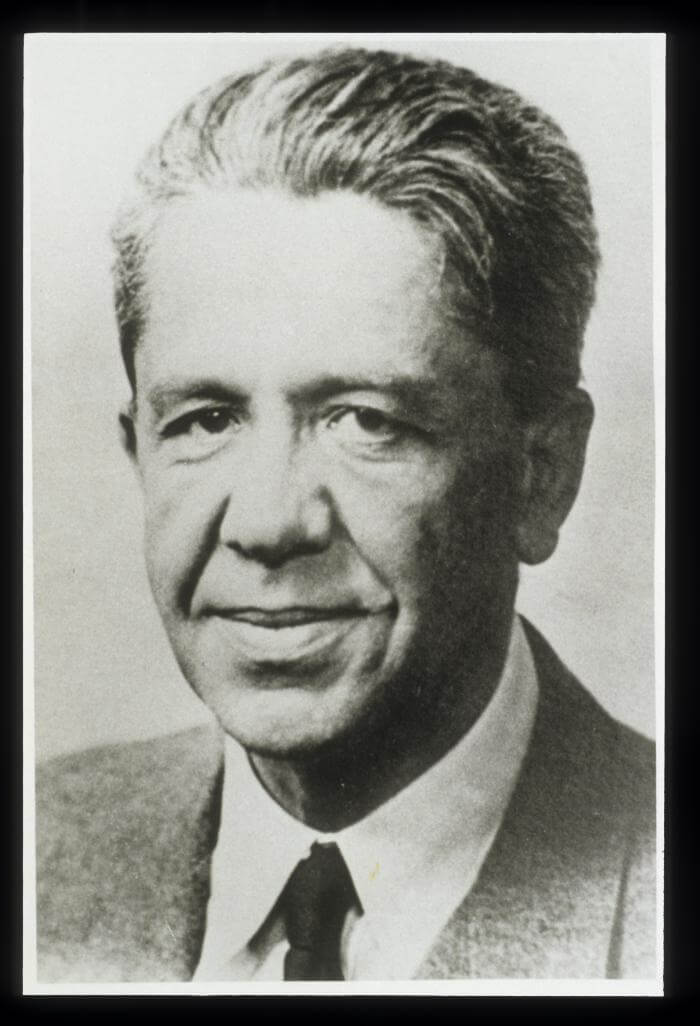
Alfred Schutz (1899–1959) was a foundational figure in phenomenological sociology. He held academic roles at the New School for Social Research in New York City, including visiting professor (1943) and full professor of sociology and social psychology (1952). His work synthesized Edmund Husserl’s phenomenology with Max Weber’s interpretive sociology, emphasizing the role of consciousness, temporality, and intersubjectivity in social action.
Education: Studied law and economics at the University of Vienna under Ludwig von Mises, Othmar Spann, and Hans Kelsen (graduated in financial law). Later engaged deeply with Max Weber’s social science methodology and Edmund Husserl’s phenomenology.
Research Interests: Schutz developed a framework to analyze social reality through the lens of lived experience, focusing on the structures of the lifeworld, temporal dimensions of action, and the interplay between individual consciousness and social interaction. His work addressed how routine social actions emerge from complex subjective processes. Key influences include Husserl, Weber, and Bergson.
Influences & Legacy: Co-founded the International Phenomenological Society (1940) and its journal Philosophy and Phenomenological Research. His theories influenced Peter Berger, Thomas Luckmann (who completed his unfinished work), and Harold Garfinkel. Posthumous publications include six volumes of his collected papers, starting in 1962.
Grants & Advising: No formal grants or advisees listed in texts, but mentored intellectual successors through collaborations and writings. His work remains central to phenomenological sociology and ethnomethodology.