معرفی
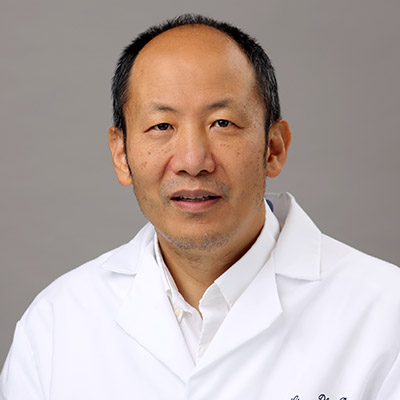
Alexander Van Slyke serves as an Assistant Professor in the Department of Therapeutic Radiology at Yale School of Medicine, Yale University. His primary appointment focuses on medical physics research within the radiation oncology division, contributing to both clinical and preclinical radiation therapy advancements.
His educational background includes:
- PhD in Biophysics from Cornell University (2019)
- BA in Physics and Mathematics from SUNY Geneseo (2012)
- Certificate in Medical Physics from University of Pennsylvania (2020)
- Medical Physics Residency at University of Maryland (2023)
Dr. Van Slyke's research centers on cutting-edge radiation therapy technologies and radiobiological mechanisms. His primary expertise spans FLASH radiotherapy (particularly proton FLASH), real-time electromagnetic surface tracking for motion management, oxygen dynamics monitoring during irradiation, and small animal radiation research. He employs advanced techniques like phosphorescence quenching for ultrafast oxygen sensing and develops optimization algorithms for treatment delivery. His work bridges medical physics innovation with radiobiological investigation to enhance radiation therapy precision.
Analysis of his publications reveals a strong trajectory toward understanding ultra-high dose rate radiation effects, with recent work focusing on geometric validation of tracking systems (2025) and oxygen depletion dynamics during proton FLASH delivery. His research consistently integrates preclinical models with clinical translation, emphasizing motion management solutions and biological response characterization.
Dr. Van Slyke actively contributes to departmental leadership as Acting Co-Chair of the C-RAD Optimization Committee and Chair of the Lung SBRT Planning Committee. His conference presentations at AAPM meetings demonstrate expertise in electromagnetic tracking feasibility, motion effect simulations for LATTICE therapy, and oxygen monitoring techniques.
He operates within Yale's radiation oncology ecosystem, collaborating with medical physics and radiobiology teams to advance therapeutic radiology through technological innovation and radiobiological insight.