معرفی
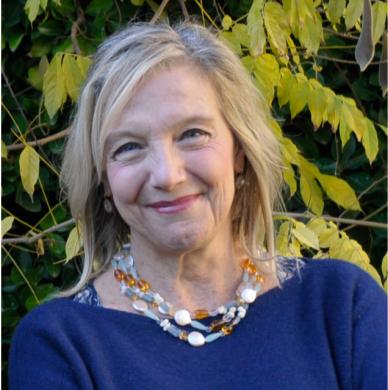
Aidee Guzman serves as Assistant Professor in Stanford University's Department of Biology, leading the Agroecology Research Group. Her work centers on designing climate-resilient agricultural landscapes that harmonize environmental health and human well-being, explicitly framing agriculture within socio-political contexts rather than as isolated systems.
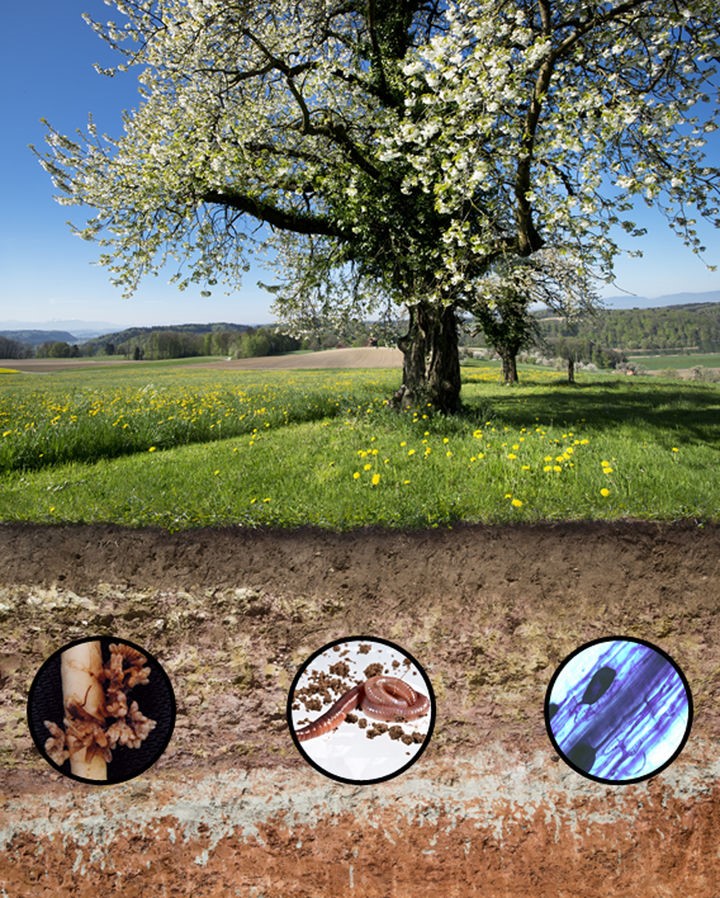
Her research integrates four core disciplines—community ecology, soil microbial ecology, pollination biology, and plant ecophysiology—to investigate how agricultural management shapes biotic interactions across scales. Key foci include mutualisms and biodiversity maintenance across landscapes, biotic interactions driving agricultural multifunctionality, and socio-ecological solutions for resilience. This examines cascading effects from plant-microbe interactions to ecosystem functioning, with emphasis on crop diversification's role in enhancing ecological processes.
Analysis of her 15 most recent publications (2020-2025) reveals consistent investigation into diversified farming systems' ecological and social benefits. A dominant theme is mycorrhizal fungi's mediation of plant traits, pollinator interactions, and nutrient dynamics, alongside soil carbon gains from cover cropping. Increasingly, work integrates social dimensions—documenting socio-political barriers for small farms, advocating anti-racism in environmental education, and operationalizing Indigenous data sovereignty—demonstrating commitment to equity-centered agroecology.
Dr. Guzman mentors four Ph.D. students researching plant-soil interactions, Tibetan-Himalayan plant ecology, polyculture systems, and agroecological transitions. Her group prioritizes farmer collaboration and community engagement, though specific grant funding remains unmentioned in source materials. The lab maintains active partnerships with California Central Coast agricultural communities and K-12 educators.
The Agroecology Research Group, based in Stanford's Department of Biology, comprises postdoctoral researchers, graduate and undergraduate students, and lab staff. They conduct fieldwork across California while engaging in outreach through programs like BioRETs Inspire, which partners with high school teachers to develop inquiry-based agroecology curricula. Current work emphasizes translating soil microbiome insights and socio-ecological frameworks into practical solutions for sustainable food systems.