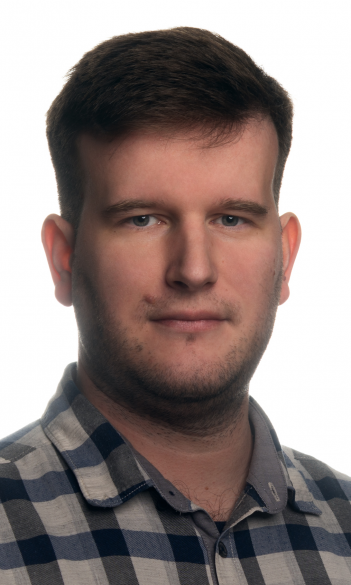
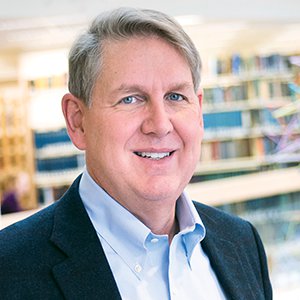
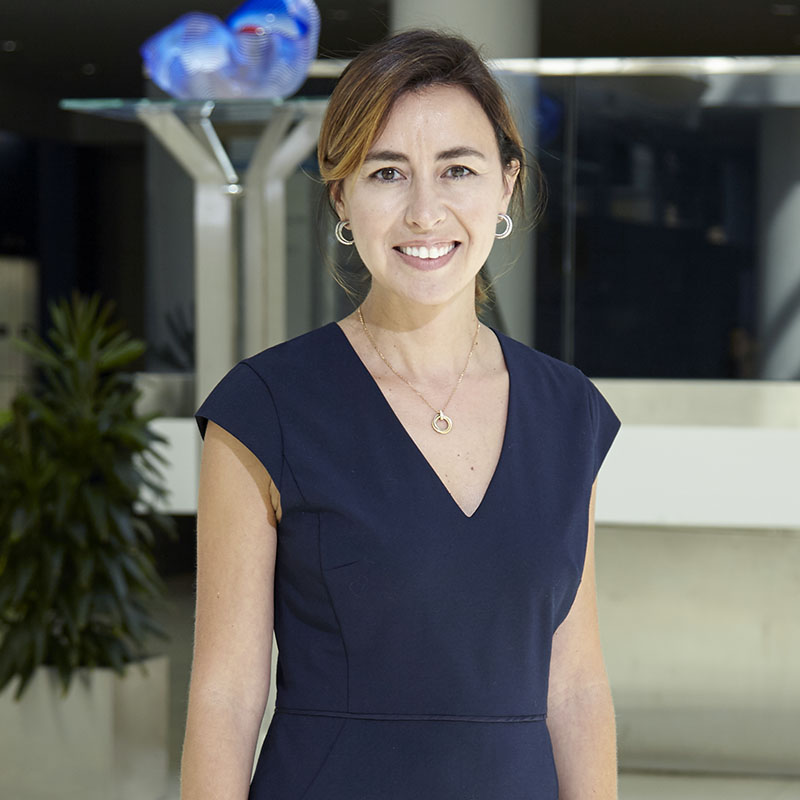
Rachel Sternberg is Professor and Director of Graduate Studies in the Department of History at Case Western Reserve University's College of Arts and Sciences. She holds a B.A. in Archaeology and History from Cornell University, an M.A. in Classics from Cornell, and a Ph.D. in Greek from Bryn Mawr College. Her office is located in Mather House Room 112. Dr. Sternberg's research focuses on the history of emotion, emotional discourse, moral rhetoric, and the reception of classical tradition during the age of Jefferson. Her scholarly interests span ancient Greek civilization, women's studies in antiquity, and the philosophical foundations of human rights concepts. Her publications demonstrate sustained engagement with ancient emotional constructs, moral philosophy, and educational psychology. Recent works explore the classical roots of modern human rights frameworks while maintaining focus on pedagogical applications of creativity research. She teaches courses including Greek Civilization, Greek History, Women in the Ancient World, Elementary Ancient Greek, Sophocles, and Xenophon. Office hours are held Wednesdays from 1-2 PM and by appointment.
Dr. Yan Shen is an Associate Professor and Academic Director of the MGB program at the Peter B. Gustavson School of Business, University of Victoria. She specializes in expatriates, cross-cultural careers, mentoring, and leadership development. Her research emphasizes globalization’s impact on career trajectories and the role of developmental relationships in diverse cultural contexts. Dr. Shen holds a BA in English for Science and Technology and BS in Engineering from Dalian University of Technology, a Master of Law from East China University of Politics and Law, and a Doctorate in Business Administration from Boston University. Her research focuses on expatriate adaptation, repatriation, and cross-cultural career dynamics, with particular attention to China and emerging economies. Key areas include mentorship networks, career success schemas, and HR strategies for global talent management. Notable awards include the 2014 Academy of Management Best Applied Paper Award and multiple international recognition for her expatriate studies. She has led grants on topics such as low-skilled newcomers in Canada (2018–2024), careers in China (2017–2019), and Asian expatriates in the U.S. (2014–2015). Her teaching includes courses on global leadership, international business, and cultural intelligence. Dr. Shen’s work bridges academia and practice, offering insights into global career development and organizational strategies for diverse workforces.
Dr. Ana Rita C. Morais is an Assistant Professor and Deputy-Director of the Wonderful Institute for Sustainable Engineering at the University of Kansas, College of Engineering. She holds a B.S. in Biosciences (Portuguese Catholic University, 2010), M.S. in Food Engineering (Technical University of Lisbon, 2012), and Ph.D. in Sustainable Chemistry (New University of Lisbon, 2018). Her research focuses on sustainable chemical processes, including biomass valorization using supercritical CO₂, ionic liquids, and catalytic strategies for biofuel and high-value chemical production. She leads projects on CO₂-assisted biomass fractionation, refrigerant technology, and waste-to-resource innovations. Her work emphasizes green engineering principles, such as reducing environmental footprints through CO₂ utilization and developing circular economy solutions for plastics and agricultural waste. Key projects include enzymatic hydrolysis of biomass, hydrocarbon synthesis from lignocellulose, and the development of sustainable paper and packaging materials from pistachio shells. Research Themes: Biomass conversion, ionic liquids, CO₂ applications, catalytic upcycling, biofuel production. Recent Trends: Focus on industrial scalability of biorefinery processes and functional materials from food/agricultural waste. Dr. Morais has received prestigious awards including the Alexander von Humboldt Postdoctoral Award (2018) and Green Talents Award (2016). Her research has been highlighted as a Front Cover in Green Chemistry (2016) for breakthroughs in CO₂-catalyzed furfural production. She holds a patent for lignin extraction using imidazole (PT 108264). In teaching, she instructs the C&PE 626 Senior Lab , emphasizing hands-on experience in chemical engineering practices. Her grants include funding for polymer recycling and protein stabilization projects. Labs/Teams: Active in the Wonderful Institute for Sustainable Engineering, collaborating with industry partners on biorefinery and renewable materials initiatives.
Gregory Butler is a Professor of Music at the University of Windsor's School of Music. He specializes in piano performance and has organized numerous concerts to support music scholarships for students. His professional activities include collaborations with the Faculty Trio (with Trevor Pittman and Lillian Scheirich) and performances with organist David Palmer. Butler has mentored over a dozen young pianists, fostering their growth through public performances and galas. His research interests span classical piano techniques, music education outreach, and the intersection of art with social causes. Notable performances include holiday concerts at Assumption Hall and the world premiere of Robert Rival's Trio for violin, clarinet, and piano. He co-founded the Greg and Sharon Butler Scholarship for Piano Students, supported by annual fundraising concerts. Butler’s contributions extend to interdisciplinary collaborations, such as a sing-along event for organ donation awareness, blending music with health advocacy. His work emphasizes community engagement, using music to address both cultural and societal issues.
Dr. Chin-Ju Tsai is a Senior Lecturer and Head of the Department of Human Resource Management and Organisation Studies at Royal Holloway, University of London. She holds a PhD in Management Studies from the University of Cambridge and has prior experience in both academia (Warwick Business School) and industry (Standard Chartered Bank). Her research focuses on cross-cultural leadership, particularly expatriate managers' experiences in China, and explores topics such as leadership behavior adjustment, employee satisfaction, and strategic HRM in SMEs. Education: PhD in Management Studies (University of Cambridge) Affiliations: Member of the Academy of Management (AoM), Senior Fellow of the Higher Education Academy (SFHEA) Her research interests span cross-cultural leadership, organizational performance, and workplace emotion. Recent work includes the 2024 book Expatriate Managers and Cross-Cultural Leadership in China , which won the Relocate Global Awards' Best Book prize. She has also received accolades for her papers at AoM and IAMB conferences. Awards: AoM Best Paper (2017), IAMB Best Overall Paper (2015), ISBJ Best Paper (2010) Dr. Tsai supervises doctoral students in cross-cultural leadership and HRM. Her projects include collaborations on leadership behavior adjustment, SME HR practices, and proactive employee behaviors under mutual investment employment relationships. She leads the Human Resource Management and Organisation Studies Centre within the School of Business and Management.
Michelle Rogan is a Professor of Strategy at the Saïd Business School, University of Oxford. She specializes in strategic management, focusing on how social networks influence entrepreneurship, innovation, and organizational performance. Her research spans topics such as strategic partner selection, corporate social responsibility (CSR), and the impact of gender dynamics on promotions. Previously, she held professorial roles at Imperial College Business School, University of North Carolina, and INSEAD, and served as a visiting scholar at Stanford University. She holds a PhD from London Business School and a BA from Yale University. Education: PhD in Strategy and International Management (London Business School), BA in Psychology (Yale University). Research interests include: the role of social capital in innovation, networks affecting entrepreneurial success, and the strategic implications of CSR initiatives. Recent projects explore AI’s impact on decision-making and female entrepreneurs’ networking behaviors. She has been published in top journals like Strategic Management Journal , Academy of Management Journal , and Management Science . Teaching and Engagement: Recognized for award-winning case studies (e.g., BP transformation), she teaches strategy, innovation, and leadership across executive and graduate programs. She co-directed INSEAD’s Social Entrepreneurship program and led leadership development initiatives in Saudi Arabia. Key roles include senior editor at Organisation Science and editorial board member at Strategic Management Journal . Awards include the Teaching All-Star award (UNC), Best Online Teaching (Imperial College), and case-writing accolades. Her work bridges academic research with practical insights for global business leaders.
Dirk Buyens is a Full Professor of Human Resources Management at Ghent University and a Partner and Director of Open Executive Education Programmes at Vlerick Business School. He serves as Co-Director of the Centre of Excellence for Strategic Talent Management at Vlerick and as International Dean for the Beijing International MBA at Peking University. With over 25 years of experience, he is recognized as one of Belgium's most influential academic HR thinkers by Belgian business weekly Trends. Education: Doctor in Industrial and Organisational Psychology at Ghent University MBA at KU Leuven Professor Buyens' research focuses on strategic human resources management, with particular expertise in strategic talent management, career management, and organizational structuring. His work bridges academic theory and practical application, helping students, executives, and companies optimize people management strategies. He emphasizes personal mastery and career self-management as critical components of organizational success, with a strong focus on aligning HR practices with business strategy. His approach integrates cutting-edge research with real-world applications, making his insights particularly valuable for organizations navigating complex talent challenges. An analysis of his recent publications (2020-2025) reveals a consistent focus on talent management, career development, and the evolving HR landscape. His work examines graduate career perspectives, digital transformation's impact on HR, DEI initiatives, and leadership development. Buyens' research demonstrates how organizations can adapt HR practices to turbulent times while maintaining strategic alignment and employee engagement. His publications consistently address practical challenges faced by modern organizations, providing evidence-based solutions for talent acquisition, development, and retention in rapidly changing business environments. Recognition: Identified as one of the most influential academic HR thinkers by Belgian business weekly Trends Professor Buyens has extensive advisory experience, having worked with organizations including the Ministry of the Flemish Community, Umicore, BASF, Oracle, BNP Paribas Fortis, KBC, Federal Government (FOD), Beneo, and ASAP nv. His executive education programs at Vlerick Business School have trained numerous professionals in strategic HR approaches. He also serves as CEO of Great Place to Work Institute Belgium, connecting his academic work with practical workplace excellence initiatives. This dual role allows him to ground his academic research in real organizational challenges while ensuring his teaching remains immediately applicable to business leaders. At Vlerick Business School, he co-directs the Centre of Excellence for Strategic Talent Management, which serves as a hub for research, executive education, and consultancy in strategic talent management. The Centre focuses on developing cutting-edge approaches to talent identification, development, and retention, working closely with organizations to implement evidence-based talent strategies. Through this center and his various academic roles, Buyens continues to shape HR theory and practice in Belgium and internationally.
László Horváth is an Assistant Professor at the Institute of Educational Sciences, Faculty of Education, Eötvös Loránd University (ELTE), Budapest. He is an active researcher and educator with a strong focus on digital transformation, innovation, and organizational learning in education. He serves as the Secretary of the Doctoral School of Educational Sciences and is a member of the Digital Transformation in Education Research Group. His work is supported by a nationally-funded research grant on AI in higher education. His research interests include: Digital Transformation in Education Artificial Intelligence in Education (AIED) Organizational Learning and Innovation in Higher Education Teacher Education and Digital Competence (DigCompEdu) ICT Integration and Educational Technology Psychological Contract in Higher Education Skills Ecosystems in Teaching Professions His recent publications (2023–2025) show a clear trend toward the integration of AI in educational settings, examining its opportunities, challenges, literacy, and anxiety among students. He also continues to explore broader themes of digital transformation, innovation diffusion, and organizational learning in both Hungarian and international contexts (e.g., Ethiopia, Ghana). His methodological expertise spans qualitative and quantitative research, including systematic literature reviews and empirical studies. His scientific awards include multiple New National Excellence Programme Scholarships (2016–2018) and the Scholarship of the Republic (2012, 2013). Horváth has been involved in significant research projects such as the Innova project, focusing on innovation in the Hungarian education sector. He has held consulting roles at the Educational Authority, supporting organizational development in low-performing schools, and served as an external evaluator for the Tempus Foundation. He actively contributes to academic discourse through co-editing journal sections and presenting at national and international forums. He leads and participates in research within the Digital Transformation in Education Research Group , fostering interdisciplinary collaboration on technology-enhanced learning and educational innovation.
William D. Henderson is the Stephen F. Burns Professor of Law at Indiana University Maurer School of Law, where he joined the faculty in 2003. His research focuses on the empirical analysis of the legal profession, legal market dynamics, and legal education reform. Henderson holds a B.A. magna cum laude from Case Western Reserve University and a J.D. with honors from the University of Chicago, where he served as comment editor of the University of Chicago Law Review. Henderson's research has appeared in leading legal journals including the Stanford Law Review, Michigan Law Review, and Texas Law Review. He also regularly publishes in The American Lawyer, ABA Journal, and National Law Journal, with his observations frequently quoted in major media outlets such as The New York Times, Wall Street Journal, and The Economist. His work bridges academic scholarship and practical industry insights, making him a prominent voice in legal profession discourse. Henderson has received significant recognition including the 2006 Leon H. Wallace Teaching Award and being named one of the National Law Journal's 100 Most Influential Lawyers in America. In 2015 and 2016, he was named the Most Influential Person in Legal Education by The National Jurist magazine. His research has secured substantial funding including a $1.2 million grant from the Searle Freedom Trust and multiple grants from the Law School Admissions Council. As an innovator, Henderson co-founded the Institute for the Future of Law Practice (IFLP) in 2018, serves as founder and editor of Legal Evolution, and previously co-founded Lawyer Metrics (acquired by AccessLex Institute in 2015). In 2018, he was commissioned by the State Bar of California to write a legal market landscape report that has influenced regulatory discussions across jurisdictions. Research Focus: Legal profession economics, legal market transformation, law firm innovation, legal education reform Leadership: Stephen F. Burns Professor of Law, Co-founder of IFLP, Founder of Legal Evolution Education: B.A. Case Western Reserve University (1997), J.D. University of Chicago (2001)
Saba Colakoglu is a Senior Lecturer in the Organizational Behavior group at the Scheller College of Business, Georgia Institute of Technology. She holds a PhD in Human Resources and Industrial Relations from Rutgers University, an MBA from Bilkent University, and a BSc in Psychology from Middle East Technical University in Ankara, Turkey. Education: Ph.D., Rutgers University M.B.A., Bilkent University B.Sc., Middle East Technical University Her research and teaching focus on organizational behavior, human resource management, cross-cultural management, and international business. With over ten years of experience teaching undergraduate and MBA courses, she has published in top journals such as Academy of Management Journal , Journal of International Business Studies , and International Journal of Human Resource Management . Her work often explores the intersection of culture, HR practices, and organizational effectiveness in global contexts. The recent publications reflect a strong trend in international human resource management, cross-cultural dynamics, talent development, and leadership in multinational enterprises. Her research combines theoretical rigor with practical implications for global organizations. Scientific Awards: International Human Resource Management Scholarly Research Award, Academy of Management (2016) Honorable Mention, same award (2009) Saba has served on editorial boards of International Journal of Human Resource Management , Journal of World Business , and Human Resource Management Review . She is also an officer in Women in Academy of International Business. Prior to academia, she worked at Nokia Networks in talent development and selection, bringing industry experience into her teaching. She previously held a tenured Associate Professor position at Berry College and maintains a Visiting Faculty role at Koç University in Istanbul. She is actively involved in research, publishing, and professional service, contributing significantly to the fields of international HRM and organizational behavior.
Professor Susanne Rau serves as Professor for the History and Cultures of Spaces in Modern Times within the Department of History at the University of Erfurt's Faculty of Arts and Humanities. She holds multiple significant academic roles including Fellow and Spokesperson of the Kolleg Research Group at the Max Weber Center for Advanced Cultural and Social Studies, Program Supervisor for the Master's program in Collection-Related History of Knowledge and Culture, and Member of the Doctoral Committee of the Faculty of Philosophy since 2009. Her institutional leadership extends to coordinating Erasmus partnerships with universities across France, Spain, and Italy, and serving as contact person for university cooperation with Jamia Millia Islamia and Kannur University in India. Professor Rau's research establishes her as a pioneer in spatial history , with groundbreaking work on the intersections between urban development and religious practices . Her scholarship reveals sophisticated analysis of how spaces are constructed, perceived, and utilized across historical contexts, particularly examining European and South Asian urban centers. She has developed innovative frameworks for understanding urbanity as a historical concept , exploring how different cultures have conceptualized urban spaces through time. Her research on early modern European cities, especially Lyon and Hamburg, demonstrates exceptional attention to public spaces, tavern cultures, and spatial configurations that shaped social interactions. Her extensive publication record shows consistent methodological innovation, particularly in the spatial turn in historical scholarship . Recent work demonstrates increasing emphasis on comparative urban studies between European and South Asian contexts, with significant focus on Calicut (Kozhikode). Professor Rau has pioneered digital approaches to historical research through projects like the GlobMapLab , which uses computational tools to analyze historical cartographic collections, particularly the renowned Perthes collection in Gotha. Her collaborative work with the "Religion & Urbanity" research group represents a major contribution to understanding how religious practices both shape and are shaped by urban environments. 2023 Thuringian Research Prize (Basic Research) 2023 Palmes Académiques ("chevalier") 2021 Award for internationalization of the University of Erfurt 2018-2021 Distinguished Visiting Professorship at the École Normale supérieure de Lyon 2017 Gay-Lussac Humboldt Prize of the French Academy of Sciences 2017 "Geisteswissenschaften International" Prize for promoting humanities translation 2015 Vienna Prize for urban history research 2009 Heisenberg Professorship of the German Research Foundation 2008 Young Talent Award from the Alfried Krupp von Bohlen und Halbach Foundation As an academic leader, Professor Rau has directed substantial research initiatives including the "Religion & Urbanity" collaborative research group funded by the German Research Foundation, and previously served as Vice President for Research and Young Talent Development at the University of Erfurt (2014-2017). She has secured funding from prestigious organizations including the Alexander von Humboldt Foundation, German Research Foundation, and various European funding bodies. Her editorial leadership extends to co-editing the SpatioTemporality series with De Gruyter and serving on multiple journal editorial boards, significantly shaping scholarly discourse in urban and spatial history. Professor Rau leads the Erfurt SpaceTime Research group, which develops innovative methodological approaches to spatial and temporal analysis in humanities research. Her GlobMapLab initiative represents a cutting-edge integration of digital humanities with traditional historical methods, enabling new forms of analysis of historical cartographic materials. Through her extensive international collaborations spanning France, India, and Italy, she has established herself as a key figure in global scholarly networks focused on urban history, spatial analysis, and cross-cultural historical studies.
Robert Albright serves as a Professor and Chair of the Department of Management and International Business at the University of New Haven's Pompea College of Business. He specializes in Strategic Business Planning, Leadership Development, and Conflict Resolution, teaching Leadership and Business Strategy to Executive MBA participants. His career spans academia, military service, and consulting, with significant contributions to public sector labor-management relations. Dr. Albright's educational background includes: Ph.D. in Human Resources Management and Organizational Studies, University of Pittsburgh Graduate School of Business (1994) Ph.D. in Political Science, University of California, Riverside MBA, University of Pittsburgh (1986) BS in Management with Honors, U.S. Coast Guard Academy (1981) Dr. Albright's research focuses on strategic business planning, leadership development, and conflict resolution within organizational contexts. His work particularly examines labor-management partnerships in the public sector, organizational culture, and human capital management. He has made significant contributions to understanding how government agencies can improve workplace relations through effective partnership models, with particular emphasis on transportation and homeland security sectors. His research bridges theoretical frameworks with practical applications in both public and private organizations. Dr. Albright's scholarly publications demonstrate consistent focus on labor-management relations, organizational change, and leadership development over a 25-year period. His work shows evolution from foundational studies on federal sector labor relations to more applied research on partnership effectiveness and organizational culture. A significant portion of his research addresses public sector challenges, particularly within transportation and homeland security agencies, reflecting his practical consulting experience with government organizations. Dr. Albright has received notable recognition including: Sloan Foundation Grants Yale University Fellowship Department of Defense Fellowship American Council of Education Fellow (1999-2000) As an academic leader and consultant, Dr. Albright has advised numerous organizations including Novartis, AstraZeneca, Swarovski, the U.S. Department of Transportation, and the Department of Homeland Security through his firm AIM Consulting Associates. His military background as a 20-year Coast Guard officer, including service as Associate Dean of Academics at the U.S. Coast Guard Academy, informs his practical approach to leadership development and organizational change. He has served on dissertation committees and provided student advising throughout his academic career. Dr. Albright co-founded AIM Consulting Associates, a firm specializing in Business Strategy, Leadership Development, and Organizational Change. The firm serves diverse clients across public and private sectors, applying research-based approaches to real-world organizational challenges. His work often bridges academic theory with practical implementation in complex organizational environments.
Isabel Fernandez-Mateo is the Adecco Professor of Strategy and Entrepreneurship at London Business School. With academic credentials from Carlos III University (BA), Pompeu Fabra University (MSc), and MIT (PhD), she has held visiting positions at the University of Chicago, INSEAD, University of New South Wales, and Harvard Business School. Current roles: Adecco Professor of Strategy and Entrepreneurship, Professor of Strategy and Entrepreneurship Editorial role: Department Editor of Management Science (Organizations Section) Her research focuses on how relationships shape labor market outcomes, particularly in executive hiring and gender inequality. Key themes include: Organizational barriers to women's leadership Executive search firm dynamics Network advantages in male-dominated markets Price-setting in staffing sectors Gender disparities in reapplication behaviors Recent studies examine AI's impact on hiring and science-based invention gaps. Her work appears in top journals like Administrative Science Quarterly, American Sociological Review, and Management Science, with coverage in CNN Money, Financial Times, and Harvard Business Review. Scientific awards: American Sociological Association W. Richard Scott Award (2013, 2020), Thompson Award, Academy of Management Best Paper Awards Teaching includes core Strategic Management for MBAs and specialized courses like "Building your Career Strategy" and "People Analytics." Collaborations with Amandine Ody-Brasier, Michael Bidwell, and others highlight cross-sector research on global careers and Champagne industry networks.
Dr. Tim Ritter is a Senior Scientist at the Institute for Forest Growth, University of Natural Resources and Life Sciences Vienna (BOKU), with expertise in biometrics, forest inventory, and laser scanning applications. He earned his Dr. forest. ("summa cum laude") in 2014 from Georg-August-Universität Göttingen, following M.Sc. and B.Sc. degrees in Forest Ecosystem Analysis and Forestry. Research Focus: Terrestrial/Personal Laser Scanning (TLS/PLS) for forest mapping Stochastic corrections for tree non-detection Spatial statistics and 3D forest modeling Deadwood inventory and carbon storage analysis Forest road monitoring and harvesting damage detection Publications Trends: Recent work emphasizes LiDAR integration in forest inventory, automated point cloud analysis, and digital twin development for forest ecosystems. Key methods include machine learning, spatial regression, and multi-sensor data fusion for timber volume estimation and biodiversity assessment. Scientific Awards: 2014: Finding talent: Researcher Career Grant Professional Activities: Editorial Board Member for Frontiers in Forests and Global Change (2023), Topical Advisory Panel for Sustainability (2020), and active reviewer for 15+ journals including Remote Sensing and Forests . Presented 55+ lectures across 5 countries, including keynote speeches at international conferences.
Dr. Amir Raoof serves as an Associate Professor in the Department of Earth Sciences within the Faculty of Geosciences at Utrecht University. He leads the Multiscale Porous Media Lab and the Structures of Strength (SoS) platform for Unusual Collaborations, and is affiliated with the University of Stuttgart. As a member of the Utrecht Young Academy and the Sustainability strategic themes, he bridges disciplines to address health, food, energy, cultural, and environmental challenges through porous materials research. His research expertise spans hydrogeology, pore scale modeling, reactive transport, two-phase flow, and precipitation processes. Amir applies multi-scale and multi-disciplinary approaches to integrate microscopic experimental observations with numerical methods, developing the pore-scale modeling platform Poreflow to simulate multi-component reactive transport under saturated and multi-phase flow conditions. His work extends beyond traditional geosciences to biological tissues, industrial materials, and environmental applications. Amir has received significant recognition including the 2020 Procter and Gamble Award for Porous Media Research, STW Open-Mind 2016 Award, NWO Veni award, and Teacher Talent Award. He was selected for the Utrecht Young Academy for his energetic, active, independent and interdisciplinary fellowship. 2020 Procter and Gamble Award for Porous Media Research, International Society for Porous Media Teacher Talent Award STW Open-Mind 2016 Award: Bacteria could save us from extreme drought NWO Veni award Utrecht Young Academy selection As an advisor, Amir supervises multiple PhD candidates and postdoctoral researchers including Enno de Vries, Priyanka Agrawal, and Janou Koskamp. His research is supported by prestigious grants including an NWO Veni award for his work on bridging pore and macro scales in solute transport modeling, the NanoRem project on nanotechnological remediation processes, and the HPT NAM Project on fault friction properties. Amir directs the Multiscale Porous Media Lab with cutting-edge computational and experimental facilities, and leads the Structures of Strength (SoS) platform that brings together researchers from biology, medicine, culture, history, engineering and mathematics to develop solutions for health, food, energy, cultural and environmental issues. His documentary '1 + 1 = 3' explores overcoming barriers in interdisciplinary research.