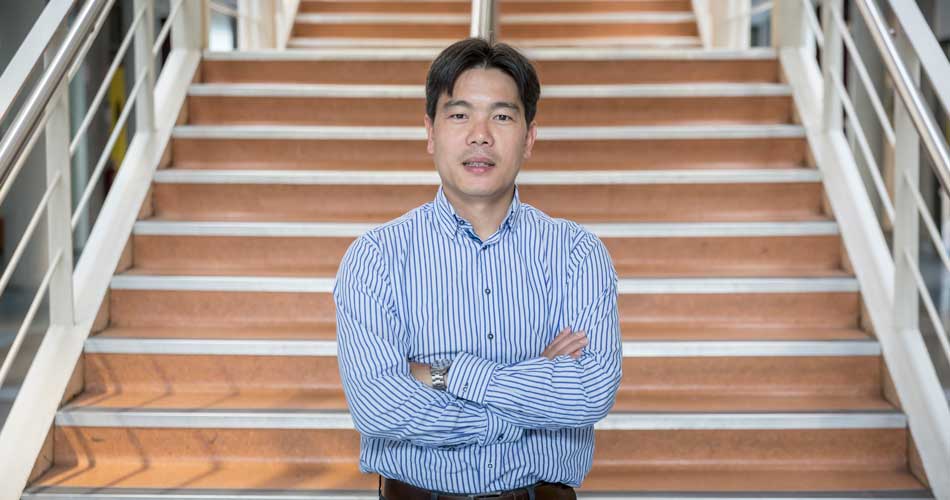
Marco Cuturi is a Research Scientist at Apple ML Research in Paris and Professor of Statistics at CREST-ENSAE, Institut Polytechnique de Paris. His work bridges machine learning , optimal transport , and optimization , with applications in time-series analysis , kernels , and multiresolution methods . He has held academic roles at Kyoto University and Princeton University, and previously worked in the financial industry. Research Interests: Optimal transport theory and computational methods Kernel design for structured data and histograms Time-series alignment and soft-DTW Entropic regularization in optimization Applications to computer vision and genomics Teaching: Cuturi has taught courses on linear optimization at Princeton, geometric methods in machine learning at Kyoto, and scientific English. He has also organized machine learning summer schools in Kyoto, Les Houches, and other international venues. Recent Trends: His 2024-2025 publications focus on entropic optimal transport solvers, disentangled representation learning via Gromov-Monge gaps, and applications to text-to-image diffusion models. Collaborative work with institutions like Google Research, MIT, and University of Tokyo highlights his interdisciplinary impact.
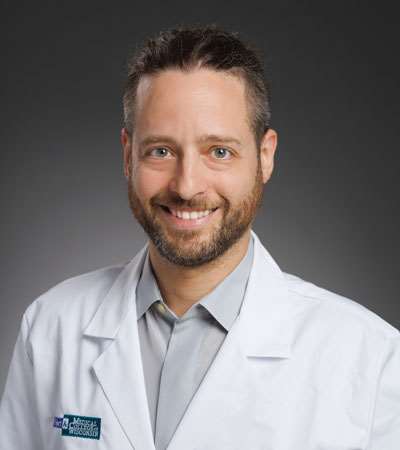
Doron Betel serves as an Assistant Professor at Weill Cornell Medicine's Graduate School of Medical Sciences, with affiliations in both the Physiology, Biophysics & Systems Biology and Computational Biology programs. He directs the Applied Bioinformatics Core (ABC), a central service group providing specialized computational and analytical support for biomedical research across multiple institutions. Dr. Betel's research focuses on developing computational genomic tools for studying human diseases and cellular development, with emphasis on integrative analyses of genomic and epigenomic data from high-throughput assays. His work addresses specific questions related to disease progression, treatment response, stem cell differentiation, and neurological processes through two closely interacting research groups: the Applied Bioinformatics Core and his independent research lab. The analysis of his recent publications reveals a strong emphasis on single-cell and spatial genomics, cross-species data integration, and machine learning applications in cancer immunology and neurodegenerative disease modeling. His research spans multiple high-impact areas including cancer immunotherapy, stem cell biology, diabetes research, and cardiovascular regeneration, with numerous publications in top journals like Nature, Cell, and Nature Immunology. Through the Applied Bioinformatics Core, Dr. Betel provides extensive analytical support across various genomic platforms including single-cell RNA-seq, spatial transcriptomics, ChIP-seq, ATAC-seq, and variant calling. The Core serves as a vital resource for researchers at Weill Cornell Medicine and the broader Tri-Institutional network, offering specialized analysis, computational pipelines, and training services. Dr. Betel maintains extensive collaborations with leading researchers including Lorenz Studer at MSKCC for stem cell and neurodegenerative disease research, Tuomas Tammela for cancer genomics, and multiple immunology researchers studying T cell function in autoimmunity and cancer. His work bridges computational methodology development with direct biomedical applications across multiple disease areas.
Olga G. Troyanskaya is a Professor of Computer Science and the Lewis-Sigler Institute for Integrative Genomics at Princeton University. She serves as Deputy Director for Genomics at the Simons Center for Data Analysis, Simons Foundation, NYC. Her research focuses on computational biology, integrating diverse high-throughput genomic datasets to model molecular pathways in health and disease. Professor of Computer Science and Lewis-Sigler Institute for Integrative Genomics Deputy Director for Genomics, Simons Center for Data Analysis Research Interests: Troyanskaya’s work addresses challenges in bioinformatics, including algorithm development for gene expression analysis, regulatory network modeling, and disease mechanism interpretation. She combines computational methods with experimental validation using S. cerevisiae as a model organism. Scientific Trends: Recent publications emphasize single-cell multiomics, deep learning for transcriptional regulation, cancer immunotherapy design, and epigenomic analysis of immune responses. Key themes include computational modeling of genetic networks, disease-specific pathway analysis, and high-resolution omics frameworks. Collaborative roles in autism, Alzheimer’s, kidney disease, and cancer research Developed tools like HumanBase for data-driven predictions
Fabio Zanini is an Associate Professor at the University of New South Wales (UNSW) , leading a research group focused on computational biology , single-cell approaches , and transcriptomic analysis across diseases like severe dengue , neonatal lung disease , cancer , and marine biology . He previously conducted postdoctoral research at Stanford University (2016-2019) and earned a PhD in Bioinformatics from the Max Planck Institute for Developmental Biology and the University of Tuebingen (2015). Current Affiliation: Group leader, UNSW Previous Training: Postdoc (Stanford), PhD (Max Planck/University of Tuebingen) His research spans single-cell RNA sequencing , computational virology , developmental cell biology , and bioinformatics tool development , with recent work on: Severe dengue progression (viral-host interactions, immune signatures) Lung development (endothelial cell diversity, hyperoxia-induced injury) Cancer genomics (mutant HSC clones, AZA therapy response) Marine biology (plankton transcriptomics, evolutionary analysis) Bioinformatics (HTSeq 2.0, northstar algorithm) Recent scientific awards include grants from the Chan Zuckerberg Initiative ($270,000), NIH R01 (multiple), ARC Discovery Grant , and NHMRC Ideas Grant . Notable contributions include: Northstar - Cell classification algorithm SpectralSeq - Hyperspectral-transcriptomic integration Tabula Muris - Mouse aging atlas He has supervised research into hematopoietic stem cell regulation , lung vascular development , and autophagy in viral infections , with collaborations across Stanford , University of Sydney , and Harvard .
Zhandong Liu is an Associate Professor at Baylor College of Medicine with joint appointments in the Department of Pediatrics and Department of Neurology . He serves as Chief of Computational Sciences at Texas Children's Hospital and co-directs the Quantitative & Computational Biosciences Graduate Program at Baylor. Education: B.S. in Computer Science, Nankai University (2001) M.S. in Computer Science, Wayne State University (2003) Ph.D. in Genomics and Computational Biology, University of Pennsylvania (2010) Dr. Liu's research integrates genomics , machine learning , and bioinformatics to advance understanding of neurological diseases. His work focuses on: Multi-omics data integration for disease mechanism discovery Development of cloud-based CRISPR analysis tools like CRISPRcloud Augmented reality platforms for biomedical data visualization Identification of disease genes through computational models Alternative splicing analysis in cancer and neurodegeneration Single-cell and spatial transcriptomics algorithms His recent publications emphasize Alzheimer's disease , MECP2 syndromes , and computational therapy prediction across multiple domains. Scientific awards include the 2018 Outstanding Service Award from the International Association for Intelligent Biology and Medicine. He has secured major grants from NIH, CPRIT, and NSF for projects including: NSF grant #199977 (2018-2020): Augmented reality therapy platforms CPRIT grant #RP170387 (2016-2019): Network-guided cancer analysis NIH #1R01AG057339 (2017-2022): Alzheimer's disease networks As head of the Liu Lab , he leads teams developing tools like: MARRVEL : Human-model organism gene variant integration CRISPRcloud : Secure CRISPR screen analysis platform CrypSplice : Cryptic splicing detection algorithm
Dr. Janin Chandra is a Senior Research Fellow at the Frazer Institute, University of Queensland, leading her own lab since 2023. Her research focuses on immune regulation in HPV-driven cancers, antigen-presenting cells, and squamous cell carcinomas. She holds a PhD in Immunology from the University of Zurich and has extensive postdoctoral experience at UQ and biotech companies like Admedus Vaccines. She has published over 35 journal articles, contributed to clinical trials, and received the Garnett Passe Mid-Career Fellowship (2023–2027). Education: Master of Science (Goethe University, Frankfurt), PhD (University of Zurich). Research highlights include developing HPV vaccines, studying immune suppression mechanisms, and investigating Langerhans cell dysfunction in tumors. Her work bridges immunology and oncology, targeting therapies to modulate antigen-presenting cells. Research Interests : HPV-induced immune evasion mechanisms Antigen-presenting cell biology in cancer Clinical development of DNA vaccines Immune microenvironment of head/neck and cutaneous cancers Grants & Awards : Current funding includes targeting cancer-associated fibroblasts (Garnett Passe Fellowship). Past grants involve microbiome analysis and vaccine development. Lab Activities : Her lab investigates intra-tumor immune regulations and develops novel immunotherapies. Collaborations span veterinary oncology and microbiome research.
Dana Pe'er is Chair of the Computational and Systems Biology Program at the Sloan Kettering Institute (SKI) and an Investigator at the Howard Hughes Medical Institute (HHMI). She holds the Alan and Sandra Gerry Endowed Chair and leads an interdisciplinary lab combining single-cell genomics, machine learning, and computational modeling to study cancer biology, immunity, and development. Pe'er earned her PhD at the Hebrew University in Jerusalem and focuses on cellular plasticity, epigenetic regulation, and tumor-immune interactions. Her lab develops tools like CellRank , Wishbone , and SEACells to analyze single-cell data and uncover mechanisms in cancer progression and immunotherapy. Key research areas: Computational Biology, Single-Cell Genomics, Cancer Systems Biology, Epigenetics, Immunotherapy Recent trends: Articles from 2025-2024 emphasize spatial transcriptomics, tumor microenvironment mapping, and regulatory network inference using machine learning. Scientific honors include the NIH Director’s Pioneer Award , AACR Academy Induction , and Packard Fellowship . Her work has direct clinical implications for precision medicine and cancer immunotherapy. Labs & Teams: Leads the Dana Pe'er Lab at SKI, directs the Single Cell Research Initiative (SCRI), and collaborates with the SAIL program.
Jonathan Weissman is a Professor of Biology at the Massachusetts Institute of Technology (MIT) and a Member of the Whitehead Institute. He is also an Investigator of the Howard Hughes Medical Institute and the Landon T. Clay Professor of Biology. His research spans protein folding mechanisms, ribosome profiling, CRISPR-based tools (CRISPRi/a), and genetic interaction mapping. Whitehead Institute Member MIT Professor HHMI Investigator Co-founder, Maze Therapeutics & KSQ Therapeutics Research Interests focus on: Protein folding in cellular contexts Endoplasmic reticulum (ER) function and stress responses Genome-wide CRISPR screening for gene regulation High-density genetic interaction maps in mammals Mitochondrial protein targeting and quality control Epigenomic engineering with synthetic tools Scientific Awards include: Protein Society Irving Sigal Young Investigator Award (2004) Raymond & Beverly Sackler Prize (2008) National Academy of Sciences election (2009) NAS Award for Scientific Discovery (2015) Genetics Society of America Ira Herskowitz Award (2020) Labs & Collaborations : Leads the Weissman Lab at MIT/Whitehead Institute, co-leads the Laboratory for Genomic Research with GlaxoSmithKline, and chairs the Stowers Institute Scientific Advisory Board.
Marco Tripodi is a researcher at the University of Cambridge's MRC Laboratory of Molecular Biology (LMB), focusing on neural circuits for goal-oriented actions. His work explores how sensory inputs translate into coordinated movements. Research Focus : Neural circuit organization, motor control, sensory-motor integration, and brain mapping. Methodologies : Mouse genetics, optogenetics, viral circuit tracing, in vivo electrophysiology, and behavioral analysis. Recent studies highlight his lab's contributions to understanding collicular circuits, sensorimotor alignment, and advanced tools like self-inactivating rabies for neural circuit mapping. Publications span high-impact journals including Nature, Current Biology, and Cell. His group includes researchers exploring these areas collaboratively. Awards and broader affiliations are not explicitly mentioned in the provided text.
Michael Skinnider serves as Assistant Professor at Princeton University's Lewis-Sigler Institute for Integrative Genomics and Assistant Member of the Ludwig Princeton Branch. His research develops AI-driven computational methods to identify unknown small molecules in mass spectrometry data, with applications in cancer biology and forensic drug detection. His educational background includes: BArtsSc from McMaster University (2015) PhD from University of British Columbia (2021) MD from University of British Columbia (2023) Skinnider's work centers on illuminating the "metabolomic dark matter" —unidentified chemical entities in mass spectrometry data. His lab pioneers machine learning approaches for metabolite identification, focusing on connections between unknown metabolites, cancer risk, and the microbiome. Recent innovations include chemical language models that transform mass spectrometry outputs into chemical structures, with applications spanning cancer diagnostics to forensic analysis of designer drugs. His research bridges computational biology, chemistry, and clinical medicine through low-data learning techniques. Publication trends reveal three dominant themes: (1) AI-driven metabolite identification (25% of recent work), (2) single-cell/spatial data analysis (40%), and (3) molecular interaction networks (35%). His 2024 Nature Machine Intelligence paper demonstrated that invalid SMILES strings enhance chemical language models , overturning previous assumptions. Articles consistently apply computational methods to biological discovery, with growing emphasis on cancer metabolism and translational applications. Major recognitions include: Forbes 30 Under 30 (2022) International Birnstiel Award (2022) Dan David Prize Borealis AI Fellowship NIH Award C&EN's Talented Twelve (2023) Young Explorer Award Grand Prize Skinnider leads the Skinnider Research Lab at Princeton's Carl Icahn Laboratory, which collaborates with forensic laboratories and Ludwig cancer researchers. The lab specializes in transforming mass spectrometry data into biological insights through innovative algorithms. During his undergraduate studies, he co-founded Adapsyn Bioscience to translate natural product discovery research into commercial applications. Current projects include developing metabolome-wide identification tools and exploring diet-derived metabolites that modulate cancer progression.
Dr. Le-Nam Tran is a researcher at the UCD School of Electrical & Electronic Engineering , University College Dublin. His work focuses on optimizing the last hop of 5G/6G wireless networks through mathematical programming, with emphasis on energy efficiency, interference management, and security against eavesdropping. Develops low-cost, low-complexity transmission techniques Projects supported by Science Foundation Ireland Career Development Award Author of over 80 peer-reviewed publications Research Keywords: Wireless Communications Network Security Signal Processing Energy-Efficient Systems Beamforming Optimization Interference Mitigation
Hernan G. Rey, PhD, is an Assistant Professor in the Department of Neurosurgery at the Medical College of Wisconsin (MCW) and the Marquette-MCW Joint Department of Biomedical Engineering. He previously held an Assistant Professor position at Baylor College of Medicine until July 2022. His research focuses on understanding human episodic memory, improving epilepsy diagnosis and treatment, and developing tools for electrophysiological data analysis. Rey's lab records single-neuron activity and intracranial EEG from epilepsy patients to investigate brain mechanisms underlying memory and neurophysiological processes. Education: PhD in Engineering, University of Buenos Aires (2009) Postdoctoral Fellowship in Biomedical Informatics, University of Leicester (2012–2015) Bachelor's in Electronics Engineering, University of Buenos Aires (2002) Research Interests: Dr. Rey explores anterior temporal lobectomy, drug-resistant epilepsy, electrophysiology, hippocampal function, machine learning applications in neuroscience, and signal processing. His work bridges clinical neurosurgery, biomedical engineering, and cognitive neuroscience to advance both fundamental understanding and clinical interventions. Publications: His recent work highlights studies on parietal cortex function in action monitoring, single-neuron responses in memory encoding, and neurophysiological correlates of depression. These reflect a focus on translational neuroscience and interdisciplinary collaboration. Awards: EPSRC Rising Star Award (2014) Labs/Teams: The ReyLab drives innovation in electrophysiological data acquisition and analysis, emphasizing clinical application for epilepsy and memory disorders.
David R. Raleigh, MD, PhD, is an Assistant Professor in the Departments of Radiation Oncology and Neurological Surgery at the University of California San Francisco (UCSF). He serves as a Principal Investigator at the Brain Tumor Center and Director of the Preclinical Therapeutics Core. Education: BA in Molecular and Cell Biology and Cognitive Science (UC Berkeley, 2004), MD and PhD in Pathology (University of Chicago, 2012), Residency in Radiation Oncology (UCSF, 2017) His research focuses on the molecular mechanisms of brain tumor growth, particularly meningiomas, integrating developmental biology with oncology to identify novel treatments. Methodologies include biochemistry, mouse genetics, genomics, and pharmacology. Dr. Raleigh's recent publications highlight molecular classification of meningiomas, genomics, and targeted therapies. Awards include Phi Beta Kappa, multiple travel grants, and the Robert and Ruth Halperin Endowed Chair in Meningioma Research.
Stephen T. Wong holds the John S. Dunn Presidential Distinguished Chair in Biomedical Engineering and serves as Professor of Radiology and Medicine with Tenure and Chief of Medical Physics at Houston Methodist. He maintains professorships across multiple prestigious institutions including Weill Cornell Medicine (Radiology, Neurosciences, Pathology and Laboratory Medicine), Texas A&M University, Baylor College of Medicine, University of Texas MD Anderson Cancer Center, Rice University, University of Texas Health Houston, and University of Houston. Weill Cornell Medicine: Professor of Computer Science and Bioengineering in Radiology (since 2008), Pathology and Laboratory Medicine (since 2010), and Neuroscience (since 2012) Houston Methodist: John S. Dunn Presidential Distinguished Chair in Biomedical Engineering Academic leadership: Director of multiple research centers including Ting Tsung and Wei Fong Chao Center for BRAIN and AI in Innovative Medicine lab Dr. Wong's research employs a systems-based approach integrating engineering with biology and medicine to elucidate disease mechanisms. His laboratory focuses on discovering novel drugs and biomarkers while developing advanced diagnostic and therapeutic devices, with particular emphasis on cancer, neurological disorders, and metabolic diseases. Current projects target micro- and macroenvironments of cancer and Alzheimer's disease, apply spatial and systems biology methods for drug discovery, create label-free point-of-care molecular diagnostics, and develop AI applications for stroke triage and treatment. His publication portfolio demonstrates consistent growth over three decades, with over 500 peer-reviewed papers and five books. Recent work shows strong emphasis on artificial intelligence applications in medical imaging, cancer therapeutics, and neurological diagnostics, with multiple 2025 publications featuring multimodal AI approaches for hepatocellular carcinoma, lung cancer interventions, tumor evolution, brain imaging, and thyroid nodule characterization. Fellowships: IEEE, AIMBE, IAMBE, ACMI, AMIA, Optica, and AAIA Honors: AIIA Fellow (2024), American College of Medical Informatics Fellow (2023), AAIA-Fellow (2021), AIMBE Fellow (2021) Professional: Registered Professional Engineer (PE), Executive education from Stanford, MIT, and Columbia Business Schools Dr. Wong has trained over 170 PhD, MD/PhD, and postdoctoral scholars, with four now holding endowed chairs. His research has received continuous NIH funding for three decades, supporting 35 active and completed projects including DeepStroke+ for AI stroke detection, Alzheimer's disease research, and cancer diagnostics. He has founded multiple research centers including the Division of Shared Resources at Houston Methodist Neal Cancer Center, Translational Biophotonics Lab, and Center for Modeling Cancer Development.
Prof. Dr. Kirsten Jung is a faculty member at the Department of Microbiology , Faculty of Biology , Ludwig Maximilian University of Munich . Her research focuses on bacterial signal transduction, stress response mechanisms, and systems biology approaches to understand microbial regulatory networks. Key research areas include stress-dependent gene expression in bacterial populations Structural and functional analysis of membrane-integrated receptors Metabolism-based chemical communication in bacteria Integration of experimental and computational systems biology Recent publications highlight her lab's work on Escherichia coli epitranscriptomic modifications under heat stress, m 5 C rRNA dynamics, and the role of RNA methylation in host-pathogen interactions. Collaborative studies address bacterial acid stress responses and their implications for antibiotic tolerance. Her interdisciplinary work bridges microbiology with ecological studies, as evidenced by research on biodiversity conservation in forest and urban ecosystems. Publications also demonstrate expertise in advanced imaging techniques (e.g., arterial spin labeling for glioma analysis) and bioinformatics approaches. Current advisees include Gloria Gessinger and Tania P. Gonzalez-Terrazas . She can be contacted at jung@lmu.de .