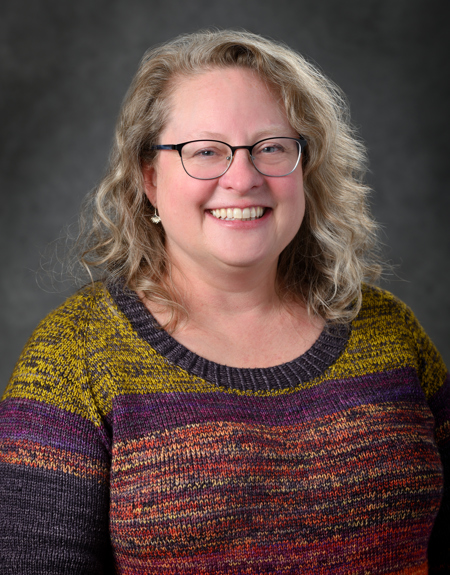
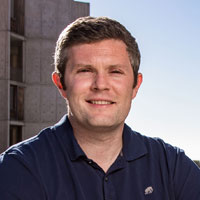
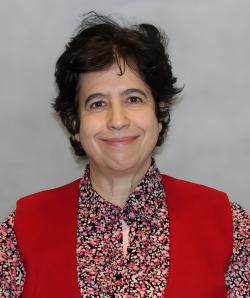
Paola Falletta is a Fixed-term Researcher at San Raffaele University, specializing in Human Anatomy (BIO/16) within the College of Medicine. Her research focuses on cancer biology, particularly melanoma progression mechanisms, transcription factor regulation, and metabolic reprogramming. Academic Rank: Researcher Department: Human Anatomy Key Research Areas: Phenotypic Plasticity, Autophagy, DNA Damage Repair Her work investigates how melanoma cells adapt metabolically and transcriptionally to environmental stresses, with significant publications in Nature Communications , Genes & Development , and Pigment Cell & Melanoma Research . Recent studies highlight MITF's role in fatty acid regulation, BRN2-mediated DNA repair, and chromatin organization's impact on nuclear factor dynamics. Publications (2014-2023) demonstrate sustained expertise in melanoma biology, stress response pathways, and organelle-specific protein regulation. She teaches multiple anatomy courses for medical and health informatics programs. Contact: falletta.paola@hsr.it | falletta.paola@unisr.it
Amy Cherie Ralston is a Professor at Michigan State University's College of Natural Science in the Department of Biochemistry & Molecular Biology , where she also serves as Associate Dean - Graduate Studies . Her research focuses on the genetic and molecular mechanisms governing early mouse embryonic development, particularly the specification of pluripotent and extraembryonic lineages. Education: Ph.D. in Zoology, University of Wisconsin (2004) B.A. in Biochemistry, Oberlin College (1995) Research Interests encompass mouse embryonic development, pluripotent stem cell regulation, HIPPO signaling pathway functions, and transcription factor dynamics during lineage specification. She has extensively studied the roles of OCT4, SOX2, Cdx2, and TEAD4 in developmental fate determination. Publications highlight trends in mouse blastocyst lineage segregation, stem cell maintenance mechanisms, and signaling pathway interactions. Notable work includes studies on HIPPO pathway members' restriction of pluripotency factors and culture condition impacts on developmental signaling. Students and Lab : Dr. Ralston leads the Ralston Laboratory, mentoring graduate and postdoctoral researchers in developmental biology and stem cell research. While specific student names aren't listed, her lab's work has produced significant insights into extraembryonic endoderm stem cell lines and transcription factor functions in reprogramming.
John Gurdon is a distinguished Professor and Nobel Laureate in Physiology or Medicine (2012) at the University of Cambridge. He is affiliated with the Department of Zoology and serves as a member of the Gurdon Institute, which he helped establish. His research focuses on nuclear reprogramming, developmental biology, and the mechanisms underlying cell fate determination. Gurdon holds honorary titles such as Knight Bachelor and has been recognized with prestigious awards, including the Copley Medal (2003) and the Wolf Prize (1989). Education: Eton College (Classics), Christ Church, Oxford (Zoology), and a PhD with Michael Fischberg on nuclear transplantation in Xenopus. Postdoctoral work at Caltech explored bacteriophage genetics before transitioning to molecular biology in Cambridge. He held roles including Head of Cell Biology Division at the MRC Laboratory, John Humphrey Plummer Professorship, and Master of Magdalene College (1995–2002). Research interests revolve around the totipotency of somatic cell nuclei, nuclear reprogramming efficiency, and mechanisms stabilizing cellular differentiation. His foundational work demonstrated that differentiated cells retain genetic totipotency, enabling the cloning of frogs from somatic nuclei. The Gurdon Institute, named in his honor, continues this legacy, advancing studies in developmental and cellular biology. Awards: Nobel Prize (2012), Lasker Award (2009), Royal Medal (1985). Key Contributions: Cloning via somatic cell nuclear transfer, elucidation of epigenetic reprogramming.
Gary E. Gibson is a tenured Professor of Neuroscience at Weill Cornell Medicine , where he serves as Lab Director at the Laboratory for Mitochondrial Biology and Metabolic Dysfunction in Neurodegeneration . He also holds the position of Associate Director at the Dementia Research Service within the Burke Neurological Institute . His academic career spans institutions including UCLA (where he completed postdoctoral work and faculty appointments) and Cornell University , where he earned his Ph.D. Education: B.S. in Zoology and Chemistry, University of Wyoming Ph.D. in Physiology (Biochemistry/Neuroscience), Cornell University Research Focus: Dr. Gibson's work centers on mitochondrial dysfunction and oxidative stress in neurodegenerative diseases (Alzheimer's, Huntington's, Parkinson's). His lab investigates: Mechanisms of α-ketoglutarate dehydrogenase complex (KGDHC) deficiency Metabolism-calcium signaling interactions Protein post-translational modifications (succinylation, acetylation) Thiamine-dependent metabolic pathways Translational studies using induced pluripotent stem cells Clinical trials testing metabolic interventions (e.g., benfotiamine) Publications reveal expertise in: TCA cycle enzyme abnormalities Neurodegenerative biomarker discovery Calcium dyshomeostasis Metabolic-epigenetic crosstalk Neuroprotective strategies Animal models of oxidative stress Honors: ASN Award for Outstanding Young Investigator Three U.S. patents NIH Director’s Talk and other honorary lectureships Grants: Continuously funded by NIH/NIA grants (P01AG014930) for mitochondrial dysfunction research since 1999. Serves on Alzheimer’s Association and American Federation for Aging Research review panels.
Xiuchun (Cindy) Tian is a Professor in the Department of Animal Science at the University of Connecticut. She earned her PhD and MS from Cornell University and a BS from China Agricultural University. Her academic leadership includes serving as Interim Department Head of Animal Science since 2021, and she teaches courses such as ANSC 3194 (Career Paths in Animal Science), ANSC 3323 (Animal Embryology and Biotechnology), and ANSC 5621 (Frontiers in Animal Embryo Biotechnology). Education: PhD, Cornell University MS, Cornell University BS, China Agricultural University Dr. Tian’s research focuses on reproductive biology and biotechnology, with emphasis on pre-implantation embryo development, somatic cell nuclear transfer, and bovine stem cell derivation. Her work bridges developmental genetics with agricultural applications, including genetic engineering in livestock species and assisted reproductive technologies. News coverage of her research highlights breakthroughs in cultivated meat development (e.g., induced pluripotent bovine stem cells overcoming decades-long challenges) and antiviral therapies for porcine viruses. She also leads initiatives like a NIFA-funded program to teach youth biotechnology and develop career readiness, while contributing to public understanding of GMOs and food labeling through outreach platforms. Lab & Affiliations: Office: Ag. Tech Bldg., Room 220D Lab: Ag. Tech Bldg., Room 231
Jesse R. Dixon, M.D., Ph.D., is an Associate Professor at the Gene Expression Laboratory of the Salk Institute for Biological Studies in La Jolla, California. His research explores 3D genome architecture, chromatin organization, and gene regulation mechanisms, with implications for cancer and developmental disorders. He employs cutting-edge genomic technologies like Hi-C and single-cell multi-omics to investigate how chromosomal rearrangements impact gene expression. Dr. Dixon's work focuses on: Topological Domains (TADs) and their role in enhancer-promoter communication Haplotype phasing using chromatin conformation data Structural variant-driven oncogene activation in cancer Single-cell mapping of chromatin and DNA methylation dynamics His publications consistently demonstrate innovations in 3D genome analysis, particularly in neurobiology and oncology contexts, with recurring themes of chromatin topology, epigenetic regulation, and computational genomics. Awards & Honors: Pew Biomedical Scholar (2024) Helmsley Salk Fellow He mentors graduate and postdoctoral researchers in genomics and computational biology, with current projects on chromatin dynamics in cancer and development. The Dixon Lab actively develops novel methodologies for studying genome architecture.
Dr. Hannah Carter is a Professor of Medicine at the University of California San Diego (UCSD), affiliated with the School of Medicine and the Department of Biomedical Informatics. She specializes in computational modeling of tumor genomics, focusing on how DNA mutations influence cellular processes and cancer development. Her research integrates high-dimensional genomic data to identify cancer drivers and improve precision medicine approaches. Education: MEng in Electrical and Computer Engineering (University of Louisville, 2004), PhD in Biomedical Engineering (Johns Hopkins University, 2012). Research interests include cancer genomics, bioinformatics tool development, and the application of network approaches to oncology. Key projects include NIH-funded studies on tumor mutation stratification and immune surveillance disruption in cancer. Publications span computational methods for variant analysis (e.g., CHASM toolkit) and mechanistic studies linking genomic changes to cellular behavior. Her work has been recognized through awards like the NIH Early Independence Award (2013) and the Azrieli Global Scholar distinction (2017). Labs and affiliations include the Division of Biomedical Informatics and Division of Medical Genetics at UCSD. She leads collaborative initiatives on genomic variation impacts in pancreatic beta cells and cancer-immune interactions.
Hugh Clarke, PhD is a Senior Scientist at the RI-MUHC, Glen site and a Professor in the Department of Obstetrics and Gynecology at McGill University 's Faculty of Medicine and Health Sciences. His research focuses on oocyte development within ovarian follicles. Research Interests: Oocyte growth and maternal molecule storage Germ cell-somatic cell communication Environmental toxin effects on oocyte quality Intercellular signaling mechanisms mRNA regulation during maturation Chromatin remodeling at fertilization Publications (2015-2024) reveal expertise in reproductive biology, with key projects examining: EGFR signaling in follicular decoupling mTOR pathway in follicle communication CNOT6-mediated mRNA deadenylation Transzonal projection architecture Epigenetic inheritance patterns Actin's role in meiotic processes Location: Lab F3-50, Royal Victoria Hospital, Montreal, QC H3A 1A1
Tim Jenkins, Ph.D., is an Adjunct Professor in the Department of Surgery, Division of Urology at the University of Utah. He earned a B.S. in Physiology and Developmental Biology from Brigham Young University (2008) and a Ph.D. in Physiology from the University of Utah (2013). After completing a postdoctoral fellowship at the University of Utah School of Medicine, he accepted an adjunct faculty position where he continues to pursue translational research in male reproductive health. Education Ph.D. in Physiology, University of Utah, 2013 B.S. in Physiology and Developmental Biology, Brigham Young University, 2008 Postdoctoral Fellowship, University of Utah School of Medicine Research Focus Jenkins’ research centers on the intersection of sperm epigenetics, male infertility, and assisted reproductive technologies. Key themes include: Impact of paternal age on the sperm epigenome and subsequent offspring health Development of microfluidic platforms for gentle, high-precision sperm selection to improve intrauterine insemination and TESE outcomes Epigenetic biomarkers as predictors of male fertility and embryo quality His work integrates molecular epigenetic profiling with innovative bioengineering approaches to translate laboratory findings into clinical practice. Publication Trends Jenkins has authored more than 30 peer-reviewed papers since 2011. Early work established baseline DNA methylation changes in aging sperm, while more recent studies expand into multi-omics meta-analyses, systematic reviews on miRNA roles in reproduction, and engineering microfluidic devices for sperm isolation. The trajectory shows a clear shift from descriptive epigenetic studies to translational technologies aimed at improving ART success rates. Intellectual Property & Editorial Contributions Co-inventor on patent: "Systems and Methods for Determining Impact of Age Related Changes in Sperm Epigenome on Offspring Phenotype" (2019) Editorial commentary: "Microfluidics: a way to interrogate a single sperm?" Fertil Steril (2019) Collaborative Teams Jenkins collaborates closely with investigators in the Departments of Surgery, Human Genetics, and Bioengineering at the University of Utah, notably with Drs. Carrell, Aston, Hotaling, and Cairns. His lab is embedded within the larger Utah Center for Reproductive Medicine, providing access to clinical samples for translational projects.
Amin Nassar, M.D., is a Clinical Fellow in Medical Oncology and Hematology at Yale School of Medicine. He holds a medical degree from the American University of Beirut and completed residency at Brigham and Women’s Hospital. His postdoctoral training under Professors David Kwiatkowski, Toni Choueiri, and Matthew Freedman at Harvard Medical School focused on genomic biomarkers across ancestral populations with cancer. Currently pursuing a PhD in tumor immunology at the Flavell lab, he is dedicated to becoming a physician-scientist specializing in thoracic oncology. His research explores genetic and epigenetic factors influencing cancer outcomes, including tumor mutational burden (TMB) recalibration across ethnicities, KRAS mutations, and immune checkpoint inhibitor efficacy in diverse populations. He has authored over 50 peer-reviewed articles in high-impact journals like Nature Communications , Cancer Cell , and New England Journal of Medicine . Nassar serves on editorial boards for Frontiers in Oncology , Molecular Biology Reports , and Translational Oncology , and has received awards including the ASH Achievement Award (2022) and Alpha Omega Alpha (2016). His work bridges clinical practice and research, emphasizing health equity and precision medicine.
John Gurdon is a renowned British developmental biologist affiliated with the University of Cambridge , where he has served in the Department of Zoology since 1983. His career spans groundbreaking work in nuclear transplantation and cloning, and he co-founded the Gurdon Institute (formerly Wellcome/Cancer Research UK Institute for Cell Biology and Cancer) in 1989, serving as its Chair. Gurdon was previously a Professor of Cell Biology at the MRC Laboratory of Molecular Biology (1971-1983) and held positions at the University of Oxford (1962-1971) and Caltech (postdoctoral fellow). Research Interests : Gurdon's work focuses on nuclear reprogramming , developmental biology , and cloning , particularly how somatic cell nuclei can be reprogrammed by egg cytoplasm. His studies on Xenopus hybrids and histone variants like macroH2A have elucidated genetic and epigenetic factors that govern cellular differentiation and pluripotency. Recent publications highlight mechanisms of transcriptional reprogramming and epigenetic barriers in somatic cells. Scientific Awards : Fellow of the Royal Society (1971) William Bate Hardy Prize (1984) Royal Medal (1985) International Prize for Biology (1987) Wolf Prize in Medicine (1989) Knighted (1995) Edwin Grant Conklin Medal (2001) Institute renamed in his honor (2004) Albert Lasker Basic Medical Research Award (2009) Nobel Prize for Physiology or Medicine (2012) Golden Plate Award (2017) Labs & Teams : Gurdon leads research at the Gurdon Institute , a multidisciplinary hub for cell and developmental biology. His work has influenced global stem cell research and regenerative medicine initiatives.
Professor Jose Polo is the inaugural Director of the Adelaide Centre for Epigenetics (ACE) and group leader at the South Australian Immunogenomics Cancer Institute (SAiGENCI) at the University of Adelaide. He holds appointments in the Faculty of Health and Medical Sciences and School of Biomedicine. His research focuses on epigenetic mechanisms governing cell identity, reprogramming, and cancer. Key achievements include co-founding Mogrify Ltd to translate reprogramming technologies into therapies and pioneering induced trophoblast stem cell (iTSC) research. Education: Biochemistry degree from Buenos Aires University, PhD from Albert Einstein College of Medicine (2008). Postdoctoral training at Harvard Stem Cell Institute (2008–2011). Established independent research groups at Monash University (2011–2021) and now at the University of Adelaide since 2021. Research Interests: Epigenetic regulation of pluripotency, cellular reprogramming, cancer initiation/progression, and synthetic cell biology. Techniques include stem cell models, genomic approaches (ChIP, CUT&RUN, single-cell omics), and novel methods like TINC for protein complex analysis. Grants & Awards: Over 15 grants including NHMRC, ARC, and industry partnerships. Recognitions include the Metcalf Award, Victorian Tall Poppy Award, and Scrip Innovation Award. Advising & Labs: Supervised over 20 PhD/Masters students and postdocs. Current lab projects include iBlastoid development, iTSC models for placental research, and epigenetic mechanisms in cancer.
Marilia Cascalho is a Professor and Vice Chair for Research at the Department of Pathology, Case Western Reserve University School of Medicine. She also serves as a Member of the Immune Oncology Program at the Case Comprehensive Cancer Center. Her academic journey includes MD and PhD degrees from the University of Lisbon and UCSF, respectively, followed by postdoctoral training at the Hagedorn Research Institute and UCSF. Key Appointments : Vice Chair for Research (2024), Richard J. Fasenmyer Professor (2024) Prior Institutions : Mayo Clinic (1999-2008), University of Michigan (2008-2024) Research Interests focus on Immunobiology of organ transplantation Genetic susceptibility in immune-mediated diseases Development of mutable vaccines against viral evolution C3d-based immunotherapies for cancer TACI/TNFRSF13B polymorphisms in immunity Article Trends reveal contributions to transplantation science, B cell immunology, and cancer immunotherapy. Her work spans antibody-mediated immunity , adaptive immune responses , and somatic hypermutation mechanisms , with recent emphasis on piRNA biomarkers in transplant monitoring and metabolic reprogramming for graft survival . Scientific Awards include: Science Magazine Prize for Young Investigators (1999) NIH Grant Support (multiple awards) Gates Foundation Grant US-Israel Bi-National Science Foundation NIH Study Section Memberships Patents and Innovation highlight her inventions in Soluble C3d immunotherapies Mutable vaccine technology B cell repertoire analysis methods T cell diversity modulation Laboratory Focus integrates immunology, genetics, and bioengineering to develop therapies for transplant rejection, autoimmune diseases, and incurable cancers like multiple myeloma.
Xiao Dong is an Assistant Professor at the University of Minnesota in the Genetics, Cell Biology and Development (TMED) department. Their research focuses on aging biology, somatic mutations, and cancer mechanisms, with significant contributions to understanding cellular senescence and its therapeutic implications. Research Interests: Aging and longevity mechanisms Genetic variants in age-related diseases Senolytic drug discovery Computational biology applications Recent Publications highlight advancements in: Machine learning for transcriptome analysis Somatic mutation profiling via single-cell sequencing Senomorphic microRNA identification TREM2 macrophage roles in metabolic liver disease Current collaborative projects include: Genetic variant-based drug discovery (NIH-funded) Cardiovascular regeneration with pioneer factors Exogenic organ development in gene-edited pigs
George Q. Daley, MD, PhD, serves as Dean of Harvard Medical School and holds the Caroline Shields Walker Professorship of Medicine. He is a Professor of Biological Chemistry and Molecular Pharmacology at Harvard Medical School, with extensive affiliations including the Harvard Stem Cell Institute, Broad Institute of MIT and Harvard, and the Manton Center for Orphan Disease Research at Boston Children's Hospital. Daley's research focuses on using mouse and human disease models to identify mechanisms underlying blood disorders and cancer. His laboratory aims to define fundamental principles of stem cell contributions to tissue regeneration and repair, with applications for improving drug and transplantation therapies for patients with malignant and genetic bone marrow diseases. His work spans stem cell biology, cancer research, hematopoiesis, and regenerative medicine. Analysis of his recent publications reveals a consistent focus on stem cell applications in disease modeling, with particular emphasis on hematopoietic development, immunotherapy applications, and the translation of basic research into clinical applications. His work increasingly incorporates advanced technologies including single-cell analysis and genetic engineering approaches. NIH Director's Pioneer Award (2004) Judson Daland Prize from American Philosophical Society E. Mead Johnson Award from American Pediatric Society E. Donnall Thomas Prize from American Society of Hematology Janet Rowley Prize from International Chronic Myeloid Leukemia Foundation HMS A. Clifford Barger Excellence in Mentoring Award (2012) Daley has trained dozens of graduate students and postdoctoral fellows throughout his career. He has served in leadership roles for the International Society for Stem Cell Research, including as president (2007-08), and has been instrumental in developing international guidelines for stem cell research. His laboratory has made significant contributions to the field, including creating customized stem cells for treating genetic immune deficiencies and demonstrating the role of the LIN28/let-7 pathway in cancer. Daley leads research initiatives focused on stem cell applications for blood disorders and cancer treatment, with particular emphasis on translating basic discoveries into clinical applications through collaborations with the Dana-Farber Cancer Institute and Boston Children's Hospital.