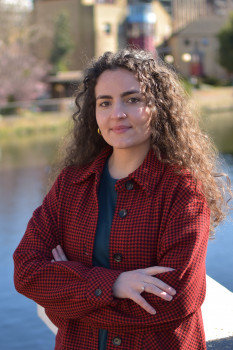
Dewey G. McCafferty is Professor of Chemistry at Duke University with appointments in Biochemistry and the Duke Cancer Institute. His research focuses on chemical biology of chromatin-modifying enzymes and ubiquitin signaling pathways relevant to neurodegeneration and infection. Notable work includes discovering the lasso peptide antibiotic Arcumycin, characterizing the Nedd4 ubiquitin ligase in Parkinson's disease models, and developing chemoproteomic approaches for target identification. Key contributions include elucidation of the futalosine pathway in Chlamydia infections, mechanisms of CPAF protease in bacterial pathogenesis, and engineering of histone demethylase enzymes. McCafferty received the Eli Lilly Award in Biological Chemistry (2005) and directs NIH-funded projects on ubiquitin ligases in neurodegeneration.
Rhenish Friedrich Wilhelm University of BonnGermany
Prof. Waldemar Kolanus leads the Molecular Immunology and Cell Biology department at the University of Bonn's Life & Medical Sciences Institute (LIMES) . His research bridges immunoregulation , stem cell dynamics , and metabolic stress responses in immune cells. Unit 2 member at LIMES Principal investigator in SFB 704 and ImmunoSensation Cluster Leads a multidisciplinary lab with postdocs, PhD students, and technical staff His work focuses on intracellular signaling pathways connecting immune activation to tissue homeostasis, particularly through: Cytohesin proteins in integrin-mediated adhesion and migration TRIM71 in stem cell regulation and congenital hydrocephalus High-salt environments affecting macrophage function Publication trends show expertise in immune cell migration , genetic models , and chemical inhibition , with frequent use of mice and zebrafish for in vivo studies. Key articles explore: TRIM71's dual role in auditory development and germ cell maintenance Cytohesin family's Golgi regulation and insulin signaling Ruxolitinib's off-target migration inhibition of dendritic cells Contact details: Address: LIMES Institute, Carl-Troll-Straße 31, Bonn Email: kolanus.sekretariat@uni-bonn.de Phone: +49 228 73-62788
Professor Maryse Bailly is a Professor of Cell Biology at the UCL Institute of Ophthalmology, University College London, where she has been employed since December 2000, progressing from Lecturer to Reader/Associate Professor and finally to Professor in October 2020. Her research focuses on understanding fibroblast behavior in the context of ocular diseases, scarring, and fibrosis, with particular emphasis on cytoskeletal dynamics and mechanotransduction pathways. Education: Doctor of Philosophy, Universite Claude Bernard (Lyon 1), 1992 Diplome Universitaire de Technologie, Universite Claude Bernard (Lyon 1), 1983 Professor Bailly's research program investigates how fibroblasts sense and respond to mechanical and chemical stimuli in their environment, with applications to multiple ocular pathologies including trachoma, thyroid eye disease, glaucoma scarring, and myopia. Her laboratory has developed innovative in vitro and ex vivo models that allow the study of tissue contraction mechanisms within pseudo-physiological 3D environments, leading to the identification of novel therapeutic targets such as the Rac1 small GTPase and the MRTF/SRF pathway. She has established significant collaborations with clinicians at Moorfields Eye Hospital, particularly with Dr. Annegret Dahlmann-Noor on pediatric eye growth and myopia research. Analysis of Professor Bailly's publication record reveals a consistent focus on fibroblast mechanobiology with increasing emphasis on pediatric ocular development in recent years. Her work bridges fundamental cell biology with translational applications, particularly in understanding the biomechanical properties of fibroblasts in myopia development and post-surgical scarring. The research demonstrates strong interdisciplinary connections between ophthalmology, cell biology, and tissue engineering. Teaching: CELL0016 - Actin cytoskeleton and Intermediate Filaments CELL0017 - Fibrosis and mechanotransduction CELL0009 - Models organisms and techniques MECH0031 MSc Biomaterials & Tissue Engineering - Modeling tissue contraction and fibrosis
Sharon Rozovsky is a Professor in the Department of Chemistry and Biochemistry at the University of Delaware's College of Arts & Sciences, where she leads research on oxidative stress response mechanisms and protein quality control pathways. Her work bridges biochemistry, chemical biology, and structural biology with direct implications for understanding neurodegenerative diseases and viral pathogenesis. Her academic foundation includes a B.S. from Tel Aviv University (1994) and a Ph.D. from Columbia University (2000), establishing her expertise in protein dynamics and redox biochemistry. These credentials underpin her innovative approaches to studying cellular stress responses. Rozovsky's research program centers on selenoproteins—proteins containing the rare amino acid selenocysteine—and their critical roles in endoplasmic reticulum (ER) stress resolution. She investigates how membrane-bound selenoproteins like Selenoprotein S and K regulate the ER-associated degradation (ERAD) pathway, with recent work revealing their surprising autoproteolytic activity and involvement in SARS-CoV-2 replication. Her lab pioneers chemical tools including expressed protein ligation and advanced 77Se NMR spectroscopy to characterize these systems at molecular resolution. Analysis of her 2021-2025 publications shows dominant themes in selenoprotein structure-function relationships, ER stress mechanisms, and viral interactions, alongside methodological innovations in cryo-EM grid technology and NMR. This body of work demonstrates consistent focus on redox biochemistry with expanding applications in virology and structural biology. No major scientific awards or fellowships were explicitly documented in the available materials, though her research impact is evident through high-impact publications and methodological contributions. She directs the active Rozovsky Research Group, mentoring graduate students and postdoctoral researchers in biochemical and biophysical techniques. Her laboratory operations are supported by competitive funding including an NSF CAREER award (2011) focused on selenoprotein reactivity, reflecting sustained recognition of her innovative research program.
Frank Heinrich serves as an Associate Research Professor in the Department of Physics at Carnegie Mellon University's Mellon College of Science, while maintaining a significant research presence at the National Institute of Standards and Technology (NIST) Center for Neutron Research in Gaithersburg, Maryland. His dual appointment reflects his interdisciplinary work bridging academic research and national laboratory resources, focusing on advanced biophysical techniques for studying membrane-associated biological processes. Dr. Heinrich earned his Ph.D. in Nuclear Physics from the University of Leipzig, Germany in 2005, followed by postdoctoral research at Johns Hopkins University and Carnegie Mellon University. His academic trajectory shows steady progression from Research Physicist (2008-11) to Assistant Research Professor (2011-16) and finally to his current position as Associate Research Professor (2016-present), while simultaneously maintaining his role as a Staff Scientist at NIST since 2008. His research centers on the structure of disease-relevant proteins, peptides, and small molecules at lipid membranes, with particular interest in the structural foundations of cell signaling in cancer. Heinrich employs a broad range of surface-sensitive techniques including electrical impedance spectroscopy, surface plasmon resonance, and neutron reflectometry. His work contributes significantly to developing future-generation neutron scattering instrumentation for soft-matter and biological research, making these advanced techniques accessible to both academic and industrial scientists. Analysis of his 15 most recent publications reveals a consistent focus on membrane-protein interactions, particularly examining KRAS signaling in cancer, antimicrobial peptides, and membrane-associated processes in neurodegenerative diseases. His work demonstrates sophisticated integration of experimental biophysics with computational approaches, often utilizing neutron scattering techniques to provide structural insights that other methods cannot achieve. As part of the Lösche/Heinrich Group within the Supramolecular Structures Lab, he collaborates extensively with Mathias Lösche and contributes to the joint UPSM-CMU MBSB graduate program. His research has practical implications for understanding cancer mechanisms, developing new antimicrobial strategies, and advancing biophysical instrumentation.
Professor Alexander Breeze is a Chair in the School of Medicine at the University of Leeds, affiliated with the Multidisciplinary Cardiovascular Research Centre. His research focuses on structural biology, drug design, and molecular mechanisms of disease, particularly involving protein-protein interactions and NMR spectroscopy. Key areas include RAS oncogene inhibition, fibroblast growth factor receptors (FGFRs), and amyloid aggregation modulation. Education Background: Details of formal education not explicitly provided in the text, but extensive career history in structural biology and medicinal chemistry suggests advanced degrees in relevant fields. Research Interests: Professor Breeze’s work spans cardiovascular research, cancer biology, and infectious diseases. He develops novel therapeutics targeting oncogenic signaling pathways (e.g., RAS, FGFR) and investigates mechanisms of protein misfolding in amyloid diseases. His lab employs fragment-based drug design, NMR spectroscopy, and computational methods to study protein dynamics and drug interactions. Publications Overview: His recent work highlights advancements in small-molecule inhibitors for RAS proteins, CRACR2A genetic associations with COVID-19 severity, and modulation of amyloid aggregation pathways. Research trends emphasize translational applications, bridging basic science and clinical targets like cancer and neurodegenerative diseases. Awards & Recognition: No specific awards mentioned in the provided text, though his sustained high-impact publications suggest recognition in the field. Grants & Advising: Leadership in multidisciplinary cardiovascular research and training of early-career researchers through collaborative projects. No explicit grant details provided in this dataset. Labs & Teams: Active in the Multidisciplinary Cardiovascular Research Centre, fostering cross-departmental collaborations in cardiovascular and structural biology research.
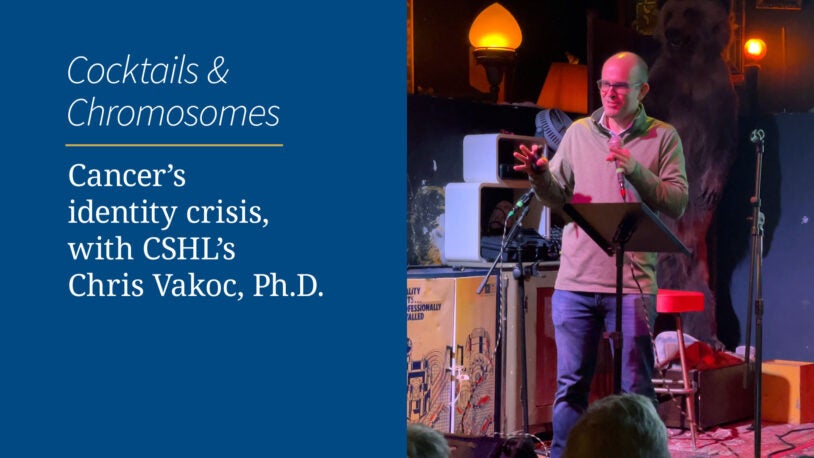
Christopher Vakoc is a Professor at Cold Spring Harbor Laboratory (CSHL), holding the Alan and Edith Seligson Professorship of Cancer Research and serving as Deputy Director of the Cancer Center. His work focuses on understanding how epigenetic dysregulation contributes to cancer pathogenesis, with particular emphasis on epigenetic dependencies and lineage plasticity. Dr. Vakoc's research investigates how transcription factors and chromatin regulators control gene expression in cancer cells. His lab employs high-throughput CRISPR-based genetic screens to identify critical epigenetic regulators in specific cancers. A significant finding from his work demonstrated that blood cancers are often vulnerable to targeting transcriptional coactivators like BRD4 and the SWI/SNF chromatin remodeling complex. His team showed that BRD4 inhibition has therapeutic effects in leukemia mouse models, leading to ongoing clinical trials. Analysis of Vakoc's recent publications reveals a strong focus on pancreatic cancer mechanisms, particularly basal-like identity and lineage plasticity. His work on the MED12-ΔNp63 interaction in pancreatic cancer represents a major breakthrough in understanding how cancer cells lose their original identity. Additionally, his research spans acute myeloid leukemia, sarcoma, lung cancer, and glioma, with consistent themes of epigenetic regulation and identification of novel therapeutic targets. Scientific awards recognizing his contributions include: Paul Marks Prize for Cancer Research AACR Outstanding Achievement in Cancer Research Award Pershing Square Sohn Prize Long Island Excellence in Healthcare Award (2023) Burroughs Welcome Fund Career Award for Medical Scientists Dr. Vakoc actively mentors numerous graduate students and postdoctoral fellows, with several former trainees now holding prominent positions in academia and industry. His research is supported by multiple grants including funding from the National Cancer Institute, Pershing Square Sohn Cancer Research Alliance, and National Institutes of Health. The Vakoc Laboratory serves as a hub for innovative cancer epigenetics research, employing cutting-edge CRISPR screening technologies to reveal new therapeutic opportunities across multiple cancer types.
Christopher Cioffi is the Thomas and Constance D'Ambra Professor in Organic Chemistry at Rensselaer Polytechnic Institute's Department of Chemistry and Chemical Biology. His research focuses on medicinal chemistry and organic synthesis, with projects spanning drug discovery for ophthalmic indications, neuropathic pain, COVID-19 therapeutics, and metabolic disorders. The Cioffi Laboratory employs cutting-edge techniques including microwave synthesis, automated chromatography, and LCMS analysis, complemented by structural biology and computational approaches for drug design. Dr. Cioffi completed his B.S. (1994) and Ph.D. (2000) in Chemistry at Rensselaer Polytechnic Institute. His current research portfolio includes NIH-funded collaborations developing GlyT2 inhibitors for neuropathic pain treatment and bispecific compounds targeting age-related macular degeneration and Stargardt disease. Additional projects investigate novel antiviral agents through the Center for Antiviral Medicines and Pandemic Preparedness. Recent publications demonstrate Cioffi's multidisciplinary approach, spanning structural biology of viral proteases, allosteric modulation of glycine transporters, and development of novel catalysts for green chemistry applications. His work shows consistent focus on translating mechanistic insights into therapeutic strategies, with frequent collaborations extending to Columbia University, University of Sydney, and Scripps Research Institute. While no specific awards are mentioned in the provided materials, Cioffi leads an active research group training students in organic synthesis and medicinal chemistry, with significant exposure to pharmacology and pharmacokinetics. The laboratory maintains specialized capabilities in microwave synthesis technology and analytical biochemistry, supported by institutional core facilities at RPI.
Paul D. Adams is a Professor in the Department of Chemistry & Biochemistry at the University of Arkansas, affiliated with the College of Arts & Sciences. His research focuses on protein structure, dynamics, and interactions using advanced biophysical techniques. Professional Affiliations : Arkansas Biosciences Institute, National Organization of Black Chemists and Chemical Engineers, Protein Society, Sigma Xi Scientific Research Society, Arkansas Academy of Sciences, Biophysical Society. Research Interests : Dr. Adams specializes in multidimensional NMR spectroscopy for protein structure determination and dynamics. His work explores intramolecular motions in proteins, biochemical characterization of protein-protein interactions (PPIs), and the impact of small molecule targets on PPIs. Techniques include steady-state and time-resolved fluorescence spectroscopy, isothermal titration calorimetry (ITC), differential scanning calorimetry (DSC), circular dichroism (CD), and post-column amino acid analysis. Publication Trends : His recent articles focus on Ras family GTPases (Cdc42, Ras mutants), copper-binding domains in nonclassical secretion, calorimetry applications in biomolecular interactions, and structural characterization of protein mutants. Keywords span biophysics, cancer biology, and analytical techniques. Scientific Awards : NSF Minority Postdoctoral Fellow Robert C. and Sandra Connor Endowed Faculty Fellow, Fulbright College of Arts and Sciences Teaching : Dr. Adams teaches biochemistry and has contributed to graduate education. His lab supports research training in NMR spectroscopy and biophysical methods.
Sir Paul Nurse is a Nobel Prize-winning British geneticist and cell biologist who serves as Chief Executive Officer of the Francis Crick Institute and previously served as President of the Royal Society and Rockefeller University. His groundbreaking research on the cell cycle, particularly in fission yeast, has fundamentally advanced our understanding of cell division and cancer biology. Education: PhD in Biology, University of East Anglia (1973) BSc in Biology, University of Birmingham (1970) Research Interests: Paul Nurse's laboratory focuses on understanding how cells grow and divide through the cell cycle, a complex process involving cell growth, DNA synthesis, and mitosis. Using fission yeast as a model organism, his research investigates the regulatory networks that control cell cycle progression, particularly how cells monitor their own size and coordinate cell cycle transitions. His work has broader significance for understanding human cellular controls and cancer development. Awards and Recognition: Nobel Prize in Physiology or Medicine (2001) Royal Medal (1995) Copley Medal (2005) Albert Lasker Award for Basic Medical Research (1998) Knight Bachelor (1999) French Legion d'Honneur (2002) Order of the Rising Sun (2018) Albert Einstein World Award of Science (2013) Leadership and Advisory Roles: Chief Executive Officer, Francis Crick Institute (2010-present) President, Royal Society (2010-2015) President, Rockefeller University (2003-2010) Chief Executive, Cancer Research UK (2002-2003) Director General, Imperial Cancer Research Fund (1996-2002) Chief Scientific Adviser, European Commission (2017-present)
Jean-Philippe Gratton is a Full Professor and Director of the Department of Pharmacology and Physiology at the Université de Montréal's Faculty of Medicine. He heads the Endothelial Cell Biology Unit at the Montreal Clinical Research Institute (IRCM), a position he has held since 2002. His dual appointments reflect his significant contributions to both academic medicine and clinical research in vascular biology. Dr. Gratton earned his Bachelor's degree in Biochemistry (1992), followed by a Master's (1995) and Doctorate (1998) in Pharmacology, all from the University of Sherbrooke. He completed his post-doctoral training at Yale University School of Medicine in 2002, establishing the foundation for his career in vascular biology research. His research focuses on endothelial cell biology, particularly the cellular mechanisms controlling endothelial cell proliferation, survival, and differentiation. Using molecular and cellular biology techniques combined with modern pharmacology, Dr. Gratton investigates intracellular signaling of endothelial growth factors, especially VEGF receptor dynamics and their influence on nitric oxide release. His work spans cardiovascular diseases and tumor angiogenesis, with particular interest in plasma membrane lipid microdomains, eNOS regulation, and endothelial dysfunction. His laboratory's findings have significant implications for understanding both vascular health and cancer progression. Analysis of his recent publications reveals a consistent research trajectory centered on endothelial cell signaling mechanisms, with increasing focus on the intersection between vascular biology and cancer immunology. His work demonstrates how endothelial signaling pathways influence tumor microenvironments and can be targeted to improve cancer therapies, particularly through modulation of AXL receptor signaling and angiogenic processes. Université de Montréal Research Chair in Endothelial Cell Signaling and Angiogenesis (2013-present) Merck Canada Chair in Pharmacology at the University of Montreal Dr. Gratton leads a productive research program with consistent funding and numerous collaborations across institutions. His laboratory serves as a training ground for the next generation of vascular biologists and pharmacologists, contributing significantly to understanding endothelial cell function in health and disease. The Endothelial Cell Biology Unit at IRCM maintains state-of-the-art facilities for molecular and cellular analysis of vascular processes.
University of North Carolina at Chapel HillUnited States
Wolfgang Bergmeier, PhD, is a Professor in the Department of Biochemistry and Biophysics at the University of North Carolina at Chapel Hill. He is a member of the UNC Lineberger Comprehensive Cancer Center and the UNC Blood Research Center, where he leads research on the signaling mechanisms regulating megakaryocyte and platelet function in health and disease. His laboratory employs a multidisciplinary approach including biochemistry, cell and molecular biology, immunology, cutting-edge microscopy, and animal models to investigate platelet biology and its implications for human disease. Dr. Bergmeier's research focuses on understanding small GTPase signaling in platelets, particularly Rap1, and its role in hemostasis, thrombosis, and cancer. His work has made significant contributions to our understanding of how platelets secure vascular integrity, how they contribute to cancer progression and treatment complications, and how platelet function can be optimized for therapeutic purposes. His laboratory has developed novel mouse models and intravital imaging platforms to study platelet function in real-time. Analysis of Dr. Bergmeier's recent publications reveals a strong focus on platelet signaling mechanisms, particularly Rap1 and other small GTPases, and their implications for hemostasis, thrombosis, and cancer. His research spans from fundamental molecular mechanisms to translational applications, including development of novel antithrombotic strategies, optimization of platelet transfusion therapy, and understanding the complex relationship between platelets and cancer progression. Dr. Bergmeier has received numerous awards including the Outstanding Investigator Award from the National Heart, Lung and Blood Institute (NIH) in 2019, the American Heart Association ATVB Special Recognition Award in Thrombosis in 2016, and the Established Investigator Award from the American Heart Association in 2014. He has served as Chair of the 9th Symposium of Hemostasis in Chapel Hill (2018) and Vice Chair of the Gordon Research Conference on the Cell Biology of Platelets and Megakaryocytes (2017). He is also an Associate Editor for the Journal of Thrombosis and Hemostasis. His laboratory actively collaborates with clinical researchers at UNC, particularly with Dr. Nigel Mackman on cancer-related platelet research and with Drs. Flick and Wolberg on the interplay of platelets and the coagulation system. The Bergmeier Lab is part of the UNC BCBP Green Lab initiative, demonstrating a commitment to sustainability in research practices.
University of North Carolina at Chapel HillUnited States
Dr. Yazan Alwarawrah is an Assistant Professor of Pediatrics at the University of North Carolina at Chapel Hill School of Medicine, specializing in Pediatric Endocrinology. His research focuses on the intersection of immunology and metabolism, with particular emphasis on how obesity affects immune function and the development of metabolic interventions for immune-related pathologies. Undergraduate: Al Al-Bayt University, Mafraq, Jordan Master of Science: Yarmouk University, Irbid, Jordan Doctor of Philosophy: Pharmacology, Duke University Dr. Alwarawrah's primary research interests center on immunometabolism, particularly how metabolic pathways regulate immune cell function in obesity and disease states. His work investigates T cell metabolism in the context of obesity-associated immune dysfunction, with specific focus on protective immunity against influenza. He also studies the role of Immunity Related GTPase I (Irgm1) in regulating T cell metabolism and function, and explores metabolic engineering approaches to enhance chimeric antigen receptor (CAR) T cell persistence in tumor microenvironments. His diverse scientific background spans molecular biology, bioinformatics, pharmacology, and immunology. Analysis of Dr. Alwarawrah's publication record reveals a strong focus on the intersection of metabolism and immunity, particularly in obesity contexts. His work spans fundamental mechanisms of immune cell metabolism to translational applications in infectious disease, cancer, and autoimmune conditions. Key themes include T cell metabolic dysfunction in obesity, macrophage metabolism, and pharmacological targeting of metabolic pathways for therapeutic benefit. His research employs diverse approaches including diet-induced obesity mouse models, metabolic and flow cytometric analyses, and pharmacological interventions. Dr. Alwarawrah's research program bridges basic science and clinical applications, with implications for treating obesity-associated pathologies, cancer, and autoimmune diseases through metabolic interventions. His work on T cell metabolism in obesity has particular relevance for understanding impaired immune responses in metabolic disease states. While specific grant information isn't detailed in the provided materials, his research trajectory suggests involvement in NIH-funded projects related to immunometabolism and obesity.
Dr. Elena De Vita is a Lecturer in Synthetic Biology and Biotechnology at Queen Mary University of London (QMUL), affiliated with the School of Biological and Behavioural Sciences and the Centre for Molecular Cell Biology. She holds a position in the Department of Biochemistry and leads the EDV-Lab research group. Her research focuses on covalent ligand discovery and development for chemical biology and drug discovery applications, particularly targeting protein phosphorylation dynamics in cancer. Education and Career: Dr. De Vita earned her MSc in Pharmaceutical Chemistry from the University of Pisa (2014). She completed her PhD at the German Cancer Research Center (DKFZ, Heidelberg) under Dr. Aubry Miller, developing covalent inhibitors of KLK6. Postdoctoral roles included a CRUK Research Associate position with Prof. Edward Tate, followed by a Marie Skłodowska Curie Fellowship (2020) and funding from Worldwide Cancer Research (2022). She joined QMUL in 2023. Research Interests: Her group develops chemical tools like PHOSTACs (PHOSphorylation TArgeting Chimeras) to study protein dephosphorylation via covalent ligand-induced proximity. Current projects target the unknown phosphoproteome in cancer, exploring therapeutic opportunities through targeted protein dephosphorylation. Key areas include covalent drug design, protein phosphatase recruitment, and translational chemical biology. Grants and Recognition: She leads Royal Society-funded projects on covalent probes for protein phosphatase 1 (PP1) and PHOSTACs for K-Ras-driven tumors. Awards include the Merck Innovation Cup (2021) and L’Oréal-UNESCO UK Women In Science shortlist (2022). Labs and Collaborations: Her lab (EDV-Lab) focuses on interdisciplinary approaches combining synthetic chemistry, biochemistry, and cell biology. Collaborations involve Imperial College London, DKFZ, and global cancer research institutions. Future directions include scaling PHOSTAC technologies for clinical translation and expanding covalent ligand applications in precision oncology.
Dr. Matthew James Smith is an Associate Professor at the Faculty of Medicine , University of Montreal , leading the Department of Pathology and Cell Biology within the Institute for Research in Immunology and Cancer (IRIC) . His lab integrates structural biology , biophysics , and evolutionary bioinformatics to decode RAS GTPase signaling in cancer contexts. Research Themes : RAS protein networks, cancer mutations, structural dynamics, and effector validation Technologies : NMR spectroscopy, X-ray crystallography, proteomics, and cell-based assays Recent studies (2025-2024) highlight MRAS as a pseudoinactive GTPase , ARF interactome spatial organization , and RASSF-YAP signaling crosstalk . His work reveals how disease mutations alter signaling hierarchies and binding specificities. Scientific Recognition : Canada Research Chair in Cancer Signaling and Structural Biology Recipient of $4M research chair funding (2020) Contact : matthew.james.smith@umontreal.ca | smithlabiric@gmail.com