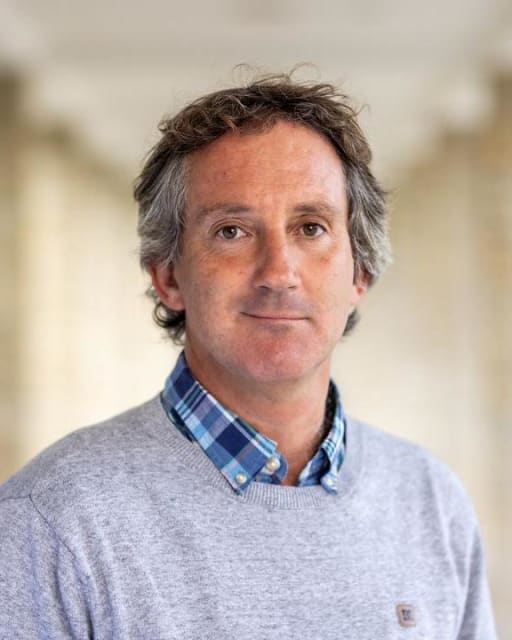
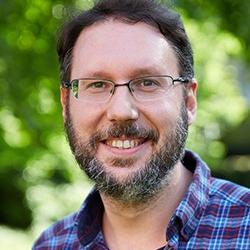
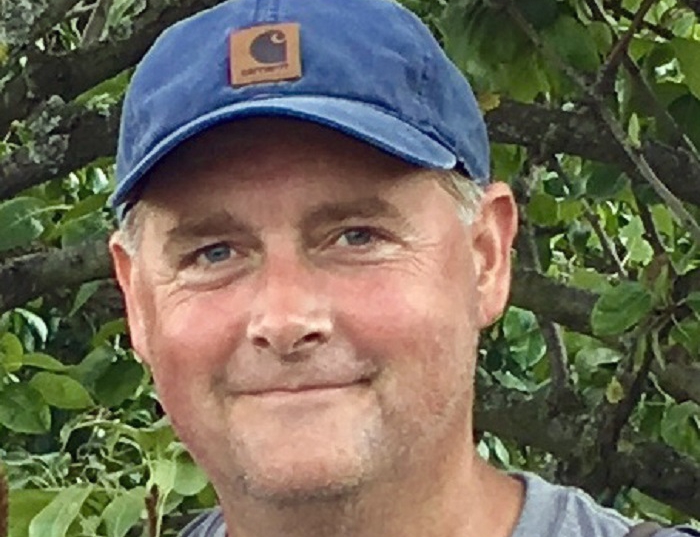
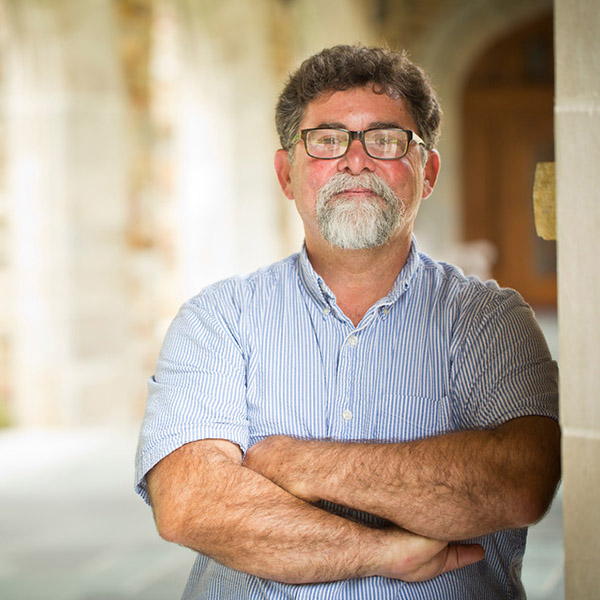
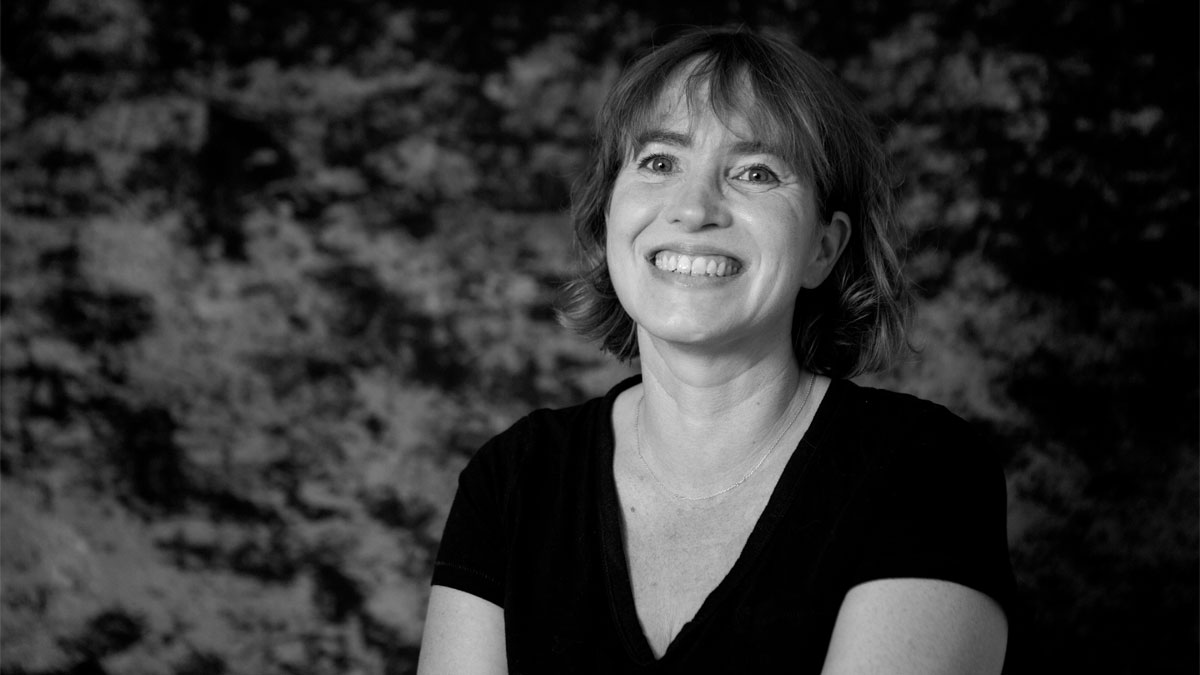
Susan Pfeiffer is a Research Professor of Anthropology at the University of Toronto, affiliated with the Department of Anthropology within the Faculty of Arts and Science. Her research focuses on bioarchaeology, skeletal biology of past populations, and repatriation of human remains, particularly among Southern African Khoe-San and North American Great Lakes communities. She holds a Ph.D. (1976), M.A. (1972), and B.A. (1968) in Anthropology and Religion from the University of Toronto and the University of Iowa. Education: Ph.D. in Anthropology, University of Toronto (1976) M.A. in Anthropology, University of Toronto (1972) B.A. in Religion, University of Iowa (1968) Her research interests include paleopathology, adult age estimation, evolutionary theory, and collaborations with Indigenous communities. Notable works include her 2022 book Osteobiographies , which explores repatriation frameworks globally, and studies on Huron-Wendat ancestral repatriation and Southern African skeletal analysis. Dr. Pfeiffer has received prestigious awards such as the 2019 AAAS Fellowship and the 2016 J. Norman Emerson Medal. Her publications bridge bioarchaeological methodological advancements with ethical repatriation practices, emphasizing cross-cultural collaboration in anthropology. Key Awards: AAAS Anthropology Section Fellowship (2019) Ontario Archaeological Association Medal (2016) University of Toronto Teaching Excellence Award (2001) Her work integrates skeletal analysis with community partnerships, addressing both scientific and cultural dimensions of human remains research. Collaborations with First Nations and African groups highlight her commitment to ethical, culturally sensitive archaeology.
Dr. Michael Boyd is a prominent archaeologist affiliated with the Department of Archaeology at the University of Cambridge and serves as an Honorary Research Associate at the McDonald Institute for Archaeological Research and a Senior Research Affiliate at The Cyprus Institute . His work centers on the prehistoric Aegean, with expertise in material culture, mortuary studies, ritual practices, and landscape archaeology. Research Interests : Boyd's scholarship interrogates the theoretical and methodological foundations of archaeology, emphasizing the dynamic interplay between landscapes, tombs, and human agency. His studies span Early Bronze Age Cycladic cultures, environmental archaeology, and the emergence of ritualized spaces in the Aegean. Publications : Boyd has co-directed the Keros Seaways Project and authored seminal works on Aegean ritual deposits, including the Keros Sanctuary volumes (2016–2018) and Staging Death (2016). His 2021 edited volume Far from Equilibrium critiques contemporary archaeological theory and advocates for reorienting the discipline. Methodological Contributions : He pioneers interdisciplinary and geo-ethnoarchaeological approaches, integrating soil micromorphology and phytolith analysis to reconstruct degradable architectural elements in the Cyclades.
Haagen Klaus is a Professor in the Department of Anthropology at George Mason University, specializing in bioarchaeology, paleopathology, and forensic anthropology. Since 2013, he has directed research on the north coast of Peru, focusing on human skeletal biology, mortuary practices, and the impacts of colonialism and environmental stressors on prehistoric and historic societies. Ph.D., Department of Anthropology, The Ohio State University (2008) M.A., Department of Anthropology, Southern Illinois University (2003) B.A., Department of Anthropology, State University of New York at Plattsburgh (2000) Klaus's research explores biocultural transformations in complex societies, with emphasis on health, violence, identity, and ethnogenesis. His Lambayeque Valley Biohistory Project (founded 2003) investigates skeletal markers of disease, stress, and violence across 10,000 years of Andean history. Methodologies include isotopic chemistry, ancient DNA analysis, and dental phenetics. Recent work (2025) examines oral microbiomes during Spanish colonization, syndemic processes in colonial dynamics, and stress indicators in pre- and postcontact populations. Projects integrate osteoimmunology, ecoimmunology, and life history trade-offs to understand physiological and cultural resilience. Current graduate students under his supervision include Rae-Ocean Blake, Kimberly Hargrave, Megan Jankowski, Emily Schopmeyer, and Celeste Schultheiss. He leads international collaborations involving Peruvian, Japanese, Canadian, and American researchers through the Lambayeque Valley Biohistory Project.
Dr. Andrew Martin is an Associate Professor and Chair of the Sociology/Anthropology Department at Principia College. He holds a PhD in Archaeology from the University of Cambridge, alongside an MPhil and BA from UK institutions. Specializing in the archaeology of the Hopewell people and Stonehenge, he integrates multidisciplinary research into his teaching across Art History, Sociology, Anthropology, and Archaeology. His work explores object agency, symbolic warfare, and prehistoric cultural dynamics. Education: PhD, Archaeology, University of Cambridge, UK MPhil, University of Cambridge, UK BA, University of Reading, UK Research interests include reconstructing prehistoric worlds, analyzing material culture’s role in societal structures, and bridging ancient and modern cultural studies. His publications span theoretical archaeology, regional prehistory, and digital heritage practices. Contributions include organizing major conferences and presenting at 17 professional events. He is affiliated with the College Art Association, Society for American Archaeology, and The Prehistoric Society. His teaching philosophy emphasizes interdisciplinary learning, encouraging students to synthesize ideas across disciplines. Past roles include research positions at the Universities of Cambridge and Bournemouth, and teaching at the University of Leicester.
Søren Munch Kristiansen is an Associate Professor in the Department of Geoscience at Aarhus University, Faculty of Natural Sciences. His interdisciplinary research bridges geoscience and archaeology, focusing on the complex interactions between soil, water, and human societies across time. He is actively engaged in transdisciplinary projects involving geoarchaeology, groundwater, and public health. Research Interests: His work centers on how soil and groundwater have shaped human prehistory and continue to influence modern life. Key areas include safe drinking water from a lifelong perspective, geoarchaeological prospection, Viking Age settlements, and the application of geophysical and geochemical methods in archaeological contexts. He is particularly interested in novel, interdisciplinary methodologies. Recent Research Trends: His recent publications reveal a strong focus on integrating geophysical data (e.g., GPR, borehole databases) with archaeological interpretation, especially in 3D urban modeling and landscape change. Themes include Viking Age sites, interglacial deposits, and anthropogenic soil modifications. His work increasingly employs machine learning and large-scale data synthesis. Scientific Awards: No awards mentioned in the provided text. Advising and Grants: While specific students are not listed, he leads and participates in multiple funded research projects, indicating an active supervisory role. His grants span from 2016 to 2024, including projects like TITAN, SAGA, and 'Fingerprinting displaced molecular substances,' highlighting sustained funding and leadership in interdisciplinary geoscience-archaeology research. Labs and Teams: He is involved in collaborative networks such as the Soil Science & Archaeo-geophysics Alliance (SAGA), suggesting leadership in interdisciplinary research teams. His work often involves multi-proxy analyses and international collaborations, particularly in Scandinavian archaeological geophysics.
Dr Yannis Galanakis is an Associate Professor in Classics (Classical Art & Archaeology) at the University of Cambridge, affiliated with the Department of Archaeology and the Faculty of Classics . He serves as Director of Archives and is a Fellow and Director of Studies at Sidney Sussex College . His research spans Aegean art and archaeology, with a focus on mortuary practices, social complexity, and the socio-political dimensions of the past. Academic Appointments : Associate Professor (Classical Art & Archaeology), Director of Archives (Faculty of Classics) Research Clusters : Aegean archaeology, museum studies, material culture, cultural heritage Key contributions include studies on Mycenaean frescoes, Late Bronze Age Attica, and the ethical challenges in antiquities trade. His work bridges Minoan Crete and Mycenaean Greece, emphasizing interdisciplinary approaches. Recent publications address funerary architecture and the domestication of death in the Aegean Bronze Age. Notable affiliations include: Leverhululme Early Career Fellowship (hosting institution) Cambridge Heritage Research Centre McDonald Institute for Archaeological Research Dr Galanakis supervises PhD students and contributes to teaching, archival management, and academic governance.
Bryan K. Hanks is an Associate Professor in the Department of Anthropology at the University of Pittsburgh's Dietrich School of Arts and Sciences. An archaeologist specializing in prehistoric Eurasian societies, his research spans from the Bronze Age steppes of Russia to Neolithic villages in the Balkans and Native American pit house settlements in Idaho. Education: Dr. Hanks earned his Ph.D. from the University of Cambridge in 2003, establishing his foundation in archaeological research. Research Interests: His work focuses on late prehistoric societies , particularly examining mobile pastoralism , early metallurgy , and settlement patterning . His projects integrate geophysical and geochemical methods to understand subsistence strategies, craft production, and social organization across Eurasia and North America. Research Trends: His publications reveal a consistent focus on Bronze Age societies of the Eurasian steppes, with particular attention to mortuary practices , metallurgical developments , and social complexity . Recent work has expanded to include Neolithic European settlements and Native American archaeology in the American West. Collaborations & Training: Dr. Hanks maintains extensive international collaborations with institutions in Russia, Serbia, the UK, and across the US. He is deeply committed to student training , regularly including graduate and undergraduate students in his international field projects and offering local geophysics training in Pittsburgh.
Jon Russ is a Professor of Chemistry at Rhodes University , specializing in the chemical analysis of archaeological and environmental materials. His research integrates advanced analytical techniques such as XRF, SEM-EDS, LA-ICP-MS, and GC-MS to investigate rock coatings, ancient rock art, and prehistoric smoking pipes. Education: B.S. in Chemistry (1987), Corpus Christi State University (now TAMU-CC) Ph.D. in Analytical/Physical Chemistry (1991), Texas A&M University Research Interests: His work focuses on understanding the formation of calcium oxalate rock coatings that preserve prehistoric rock art globally, using trace organic compounds to date these coatings. He also explores the chemical residue in archaeological smoking pipes to trace the historical use of tobacco and other plants in North America, employing radiocarbon dating and compound detection methods. Publications: Recent studies include analyses of rock coatings in the Lower Pecos Canyonlands, organic residues in Mississippian-era pipes, and pioneering work identifying nicotine in a 3500-year-old smoking tube from Georgia—the earliest evidence of tobacco in North America. His interdisciplinary approach bridges chemistry, archaeology, and environmental science.
Andrew Bauer is an Associate Professor in the Department of Anthropology at Stanford University and serves as Director of the Stanford Archaeology Center. His research centers on anthropological archaeology with primary fieldwork in South India, investigating human-environment relations, landscape history, and institutionalized social inequalities across Iron Age, Early Historic, and Medieval periods. Bauer's work critically examines socio-politics of land use, cultural landscape production, and intersections between historical landscape practices and modern conservation/climate change frameworks. His methodology integrates fieldwork in Turkey, Iran, and the United States with South Indian case studies on mortuary practices, megalithic monuments, and agricultural systems to analyze power dynamics in prehistoric societies. Recent publications (2021-2024) demonstrate consistent focus on critical geoarchaeology, political ecology of landscapes, and periodization challenges in South Asian archaeology. His influential books including Before Vijayanagara (2015) and Climate Without Nature (2018) establish theoretical frameworks connecting material culture studies with Anthropocene discourse and social inequality analysis. No scientific awards were mentioned in the provided text. The available documentation does not specify details regarding graduate student advising or external grant funding. Bauer co-directs active fieldwork in South India's Tungabhadra Basin and Raichur Doab regions, utilizing remote sensing and soil analysis techniques. His Stanford research lab (Building 500, Room 103) supports interdisciplinary collaboration examining long-term socio-environmental change through landscape archaeology and critical theory approaches.
HUANG Fei is a Professor of Chinese History and Society in the Department of Chinese Studies at the Faculty of Humanities, University of Tübingen, Germany. She has held this position since 2020, following a Junior Professorship at the same institution from 2014 to 2020. Her academic journey began with a BA in History from Sun Yat-sen University (Guangzhou, 2005) and culminated in a PhD in Chinese Studies from Leiden University (2012). University: University of Tübingen School: Faculty of Humanities Department: Department of Chinese Studies Academic Rank: Professor Email: fei.huang@uni-tuebingen.de Her research spans an interdisciplinary terrain, combining landscape studies, environmental history, history of the body, cultural geography, historical anthropology, art history, and material culture studies . Her work primarily investigates China’s historical development from the 16th to the 20th century, with a regional focus on Southwest China, especially Yunnan, and thematic attention to frontier dynamics, urban environments, and the interplay between natural resources and cultural memory. Professor Huang’s recent publications reveal a consistent and evolving scholarly trajectory centered on the transformation of natural and urban landscapes. Her research on hot springs —such as Huaqing Hot Springs—explores their roles in public health, urban planning, and ideological representation in modern China. Her earlier work on Dongchuan examines how imperial and local actors reshaped frontier landscapes through cultural representation, religious practice, and economic interests. Articles on sulfur manufacturing, bathing culture, and Tusi succession highlight her ability to connect local practices with broader global and environmental networks. Scientific Awards and Recognition: No specific awards or fellowships are mentioned in the provided texts. Advising and Grants: She supervises PhD and Master’s theses in Chinese history and culture, though specific student names are not listed. No explicit mention of grants or funded research projects is made in the texts, but her extensive publication record in top-tier journals suggests active research engagement. Labs and Research Teams: She is affiliated with the Department of Chinese Studies at the University of Tübingen and participates in interdisciplinary research within the Faculty of Humanities. Her work often involves collaboration with scholars in anthropology, geography, and environmental history, as evidenced by her co-taught courses and international academic engagement.
Professor Mary Lewis is a renowned scholar in bioarchaeology and paleopathology at the University of Reading's Department of Archaeology. Her research focuses on child and adolescent skeletal remains, particularly in understanding growth patterns, disease, and health in past populations. She is the author of influential works such as The Bioarchaeology of Children and co-editor of The Archaeology of Disease . Her academic positions include President of the Paleopathology Association (2023–2025) and convenor of courses like AR1MET (Archaeology Today) and AR3S21 (Biological Anthropology). Her research has pioneered methods for diagnosing diseases like leprosy, tuberculosis, and thalassaemia in skeletal remains. Research Interests: Puberty development, urban/industrial health impacts, non-adult osteology. Teaching: Forensic Archaeology, Biological Anthropology, Archaeology of Death. Key Projects: Studies on medieval pubertal timing, Roman-era child health, and migration patterns via skeletal analysis. Her students explore diverse topics, including child health in ancient Egypt, industrial-era diets, and the effects of famine/plague on childhood. She is a Fellow of the Higher Education Academy and actively supervises over 20 postgraduate researchers.
Gregory Nagy is the Francis Jones Professor of Classical Greek Literature and Professor of Comparative Literature at Harvard University. He serves as Director of the Center for Hellenic Studies and oversees HarvardX MOOCs, engaging over 181,000 learners globally. His work bridges archaic Greek literature, oral traditions, and comparative metrics. Research Focus: Archaic Greek poetry, oral-formulaic theory, Indo-European metrics Publications: 15+ monographs including Ancient Greek Heroes, Athletes, Poetry (2024) and Masterpieces of Metonymy (2015) His scholarship reveals patterns in epic transmission, emphasizing performance's role in Homeric text stabilization. He pioneered the "24 Hours" methodology for analyzing heroic narratives across media. Scientific Awards: Goodwin Award of Merit (1982) for The Best of the Achaeans Nagy's HarvardX MOOC and mentorship initiatives have transformed classical education, creating intergenerational networks. He co-edited the digital Festschrift Donum Natalicium (2012) celebrating his 70th birthday.
Prof. Ludwig D. Morenz is a Professor of Egyptology at the University of Bonn and Director of the Egyptian Museum Bonn. He holds positions as a Principal Investigator in archaeological research and leads excavations in Egypt. His academic journey includes a Habilitation from the University of Tübingen (2001), a PhD from Leipzig (1994), and extensive postdoctoral fellowships across Europe. His research focuses on Pharaonic socio-economic systems, particularly dependency relationships between state expeditions and Canaanite populations. He examines ancient Egyptian economy, religion, and cultural interactions through material and textual evidence. Key areas include the origins of alphabetic writing, solar deity symbolism, and Roman-Egyptian cultural hybridity. Morenz has secured over €1 million in third-party funding from institutions like the German Research Foundation (DFG) and Gerda Henkel Foundation. He supervises numerous doctoral and master's students, reviewing over 30 theses and international PhDs. His editorial roles include founding journals like Studia Sinaitica and Bonner Ägyptologische Beiträge . Major excavations under his leadership include the Elite Necropolis of Qubbet el Hawa and the Serabit el-Chadim Hathor temple project. He participates in consortia such as the DFG Research Training Group 'Archeology of Pre-Modern Economies' and the International Congress of Egyptologists. Awards: Heisenberg Fellowship (DFG), Feodor Lynen Fellowship (Humboldt Foundation), Herzog-Ernst Scholarship Exhibitions: Curated annual special exhibitions at the Egyptian Museum Bonn, including a landmark show on alphabetic writing origins at Cairo's National Museum Publications: 13 monographs, 4 edited volumes, and over 100 articles
Jennifer P. Mathews is a Professor of Anthropology in the Sociology and Anthropology Department at Trinity University, where she teaches courses in archaeology and biological anthropology. Her academic career is deeply rooted in Maya studies, with particular expertise in ancient and historical Maya archaeology, as well as issues of sustainability and tourism. She has received significant recognition for her teaching excellence, including the prestigious Dr. and Mrs. Z.T. Scott Faculty Fellowship (2019-20), the state-wide Piper Professor award (2020), and the Murchison Term Professorship (2023-2026). Dr. Mathews earned her Ph.D. and M.A. in anthropology, with a specialization in Maya archaeology, from the University of California at Riverside, and her undergraduate degree in anthropology from San Diego State University (1991). Since 1993, she has conducted extensive fieldwork and archival research in Mexico, establishing herself as a leading expert in Maya archaeology. Her research has evolved from focusing on ancient Maya studies—particularly roads, architecture, and site layouts—to examining the post-Colonial period of the Yucatan Peninsula (1850–1950), with particular attention to commodity extraction including sugarcane, chicle (the base for chewing gum), rum production, and avocados. Her scholarly output includes numerous journal articles, book chapters, and several edited books such as Quintana Roo Archaeology , Lifeways in the Northern Maya Lowlands , The Value of Things: Prehistoric to Contemporary Commodities in the Maya Region , and Construction of Maya Space: Causeways, Walls, and Open Areas from Ancient to Modern Times . She has also co-authored significant works like Chicle: The Chewing Gum of the Americas: From the Ancient Maya to William Wrigley and Bittersweet History: Sugarcane, Rum, Labor and Life on the Yucatán Peninsula . Currently, she is working on a book about the deep history of the avocado, tracing its journey from Mesoamerican origins to California in the nineteenth century. Her recent publications reveal a strong focus on historical archaeology of the Yucatan Peninsula, particularly examining how 19th century practices relate to contemporary issues. She explores topics ranging from chicle gum's role in popular culture to the preservation challenges facing archaeological sites amid modern development pressures. Her work consistently bridges ancient and modern contexts, demonstrating how historical practices inform current sustainability challenges. Dr. and Mrs. Z.T. Scott Faculty Fellowship (2019-20) Piper Professor award (2020) - a state-wide teaching award for superior teaching at the college level Murchison Term Professorship (2023-2026) Dr. Mathews actively engages with the community through collaborations with local institutions like the San Antonio Museum of Art (SAMA), where she teaches docents about ancient Mesoamerican cultures. Her students contribute research papers to museum collections and help develop e-Museum descriptions. She incorporates service learning into her courses, organizing projects that support causes like the San Antonio Food Bank, the San Antonio Zoo's primate conservation efforts, and Maya women artisans in Mesoamerica. Additionally, she has curated two significant exhibits: 'The Modern Maya: The Photographs of Macduff Everton' and 'Crafting Maya Identity.' Her academic affiliations span multiple interdisciplinary programs including Environmental Studies, Global Latinx Studies, Museum Studies, and the MAS: Mexico, the Americas, and Spain program.
Minerva Maaria Piha is an Associate Professor at Nord University specializing in Southern Sami language and archaeology. She holds a PhD in Finno-Ugric language studies from the University of Turku (2020), with prior degrees including two Master of Philosophy degrees in Archaeology (2011) and Finno-Ugric Language Studies (2016). Her research focuses on interdisciplinary connections between linguistics, archaeology, and history, particularly in the context of Saami peoples and cultures. Her key areas of expertise include Southern Sami history and archaeology, Finno-Ugric linguistics, and the intersection of archaeological terminology with linguistic policies. Notable projects include The Iron Saami (collaborative study on iron production and Saami language diffusion) and analyses of language policies in Saami archaeological research. She has published extensively on topics like Iron Age material culture, Saami linguistic terminology, and prehistoric cultural interactions. Her work bridges archaeological evidence with linguistic insights, addressing questions of cultural identity, migration, and language evolution in Northern Europe. Collaborations with institutions like the University of Helsinki highlight her commitment to multidisciplinary research. Current research trends emphasize critical analysis of academic discourse and the role of language in preserving indigenous heritage.