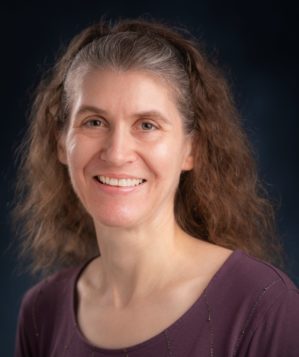
Nelly Pante is a Professor in the Department of Zoology at the University of British Columbia, Faculty of Science. Her research focuses on nucleocytoplasmic transport, particularly the nuclear import of viral genomes and the molecular characterization of nuclear pore complexes (NPCs). Education: Ph.D. from Brandeis University; M.Sc. from The Venezuelan Institute for Scientific Research (IVIC); B.Sc. (Hons.) from Simon Bolivar University Research highlights include: Investigating bidirectional macromolecular transport through NPCs using cellular and molecular techniques, fluorescence, and electron microscopy Studying viral nuclear import of Influenza A, Hepatitis B, baculoviruses, and parvoviruses to develop antiviral strategies Developing the Xenopus oocyte model system for high-resolution nuclear transport studies Structural analysis of nucleoporins like Nup153 and Nup358/RanBP2 in NPC architecture Her lab employs advanced imaging methods and has contributed to understanding how viruses exploit nuclear transport mechanisms and how NPCs maintain cellular function in health and disease. Contact: pante@zoology.ubc.ca
Hugh Clarke, PhD is a Senior Scientist at the RI-MUHC, Glen site and a Professor in the Department of Obstetrics and Gynecology at McGill University 's Faculty of Medicine and Health Sciences. His research focuses on oocyte development within ovarian follicles. Research Interests: Oocyte growth and maternal molecule storage Germ cell-somatic cell communication Environmental toxin effects on oocyte quality Intercellular signaling mechanisms mRNA regulation during maturation Chromatin remodeling at fertilization Publications (2015-2024) reveal expertise in reproductive biology, with key projects examining: EGFR signaling in follicular decoupling mTOR pathway in follicle communication CNOT6-mediated mRNA deadenylation Transzonal projection architecture Epigenetic inheritance patterns Actin's role in meiotic processes Location: Lab F3-50, Royal Victoria Hospital, Montreal, QC H3A 1A1
University of Massachusetts Chan Medical SchoolUnited States
Tianmin Fu is an Associate Professor in the Department of Pathology at UMass Chan Medical School, with additional appointments in Biochemistry and Molecular Biotechnology, RNA Therapeutics Institute, and multiple graduate programs including Biophysical Chemical and Computational Biology. His research focuses on structural and molecular mechanisms of biological processes, particularly in anti-phage defense systems, RNA-guided DNA targeting, and membrane protein function. UMass Chan Medical School - Pathology T.H. Chan School of Medicine - Biochemistry and Molecular Biotechnology RNA Therapeutics Institute Morningside Graduate School of Biomedical Sciences Research Trends (2018-2025): Fu’s work spans structural biology, molecular mechanisms of immune signaling, and anti-viral/anti-phage defense systems. Key contributions include cryo-EM studies on TRPM2 channels, V-ATPase regulation, inflammasome activation, and CRISPR-Cas interplay between nuclease and protease activities. His recent publications emphasize anti-phage defense architectures (e.g., HerA-DUF, Gabija) and DNA-guided DNA targeting by DdmDE.
Amy K. Schmid is Professor of Biology at Duke University's Trinity College of Arts & Sciences, where she leads a research program focused on archaeal molecular biology and gene regulatory networks. She was promoted to full Professor in 2024 after serving as Associate Professor (2018-2024) and Assistant Professor (2009-2018). She is also Associate of the Duke Initiative for Science & Society since 2018. Research Interests: Dr. Schmid's laboratory investigates how microbial cells make decisions in response to environmental cues, with particular focus on molecular networks within free-living archaeal cells. Her work examines how these extremophiles regulate growth under optimal conditions and deploy damage repair systems during stress. She specializes in studying archaeal stress responses, particularly in hypersaline-adapted organisms that survive multiple extreme stressors. Her publication trends reveal a consistent focus on transcriptional regulation in archaea, with increasing emphasis on network evolution, cell decision-making, and the structural basis of regulatory mechanisms. Recent work has expanded into archaeal cytoskeleton, histone function, and metabolic regulation under extreme conditions. Awards & Recognition: NSF CAREER Award (2017-2022) Promoted to full Professor at Duke University (2024) Named to Endowed Bass Connections Professorship (2022) Grant Support: Dr. Schmid maintains an exceptionally strong funding record with multiple concurrent grants from NIH and NSF. Her current major projects include 'Structure, function, and evolution of gene regulatory networks in archaea' (NIH, 2025-2030), 'Transcription network evolution under extreme environmental selection' (NSF, 2024-2027), and 'Transitions: Modeling microbial community metabolic interactions under extreme conditions' (NSF, 2021-2026). She has served as mentor for multiple NIH training grants including the Cell and Molecular Biology Training Program. Research Environment: The Schmid Lab operates at the intersection of microbiology, systems biology, and extremophile research, utilizing cutting-edge genomic, proteomic, and computational approaches to understand fundamental principles of cellular decision-making in archaea.
Icahn School of Medicine at Mount SinaiUnited States
Prof. Florian Krammer is a Professor of Vaccinology at the Department of Microbiology, Icahn School of Medicine at Mount Sinai. He serves as Principal Investigator of the Sinai-Emory Multi-Institutional Collaborative Influenza Vaccine Innovation Center (SEM-CIVIC) and his laboratory is part of the NIH-funded Centers for Excellence in Influenza Research and Surveillance (CEIRS). His work focuses on developing broadly protective vaccines against influenza and other emerging RNA viruses. University of Natural Resources and Life Sciences, Vienna (Advanced training in biotechnology and applied virology) Prof. Krammer's research centers on understanding broadly-reactive immune responses against surface glycoproteins of RNA viruses, with a primary focus on influenza viruses but also including coronaviruses, hantaviruses, and filoviruses. His laboratory investigates cross-reactive antibody responses toward viral surface glycoproteins with the goal of translating basic research into novel vaccines and therapeutics. A major focus has been the development of a universal influenza virus vaccine that would protect against a range of influenza virus subtypes by boosting antibodies to the highly conserved HA stalk domain. His work has progressed from successful animal model testing to human clinical trials. Prof. Krammer's extensive publication record includes over 100 papers, with recent research focusing on neuraminidase-based vaccines, chimeric hemagglutinin approaches, mucosal vaccine delivery, and cross-reactive antibody responses to emerging variants. His laboratory has generated a large panel of research reagents for influenza and other RNA viruses, including recombinant proteins and monoclonal antibodies. Endowed Professor of Vaccinology, Icahn School of Medicine at Mount Sinai (2019) Member of the Vaccine and Edward Jenner Vaccine Society Young Investigator Program (2014-2017) ESWI Young Scientist Travel Award and 'Young Scientist Co-Chair' (2014) Options for the Control of Influenza VIII Promising Investigator Scholarship (2013) As Principal Investigator of SEM-CIVIC, Prof. Krammer leads a major initiative aimed at developing improved seasonal and universal influenza virus vaccines that induce long-lasting protection against drifted seasonal, zoonotic, and future pandemic influenza viruses. His laboratory team includes numerous postdoctoral fellows, research scientists, and administrative staff working on various aspects of viral immunology and vaccine development. The Krammer laboratory collaborates with multiple institutions including BioBus, Inc. and the Wild Bird Fund, and participates in the New York City Virus Hunters program to engage the community in scientific research.
Baozhong Wang is a Distinguished University Professor at Georgia State University's Institute for Biomedical Sciences. He earned his Ph.D. in Molecular Biology and Biochemistry from Shanghai Institute of Biochemistry and Cell Biology, Chinese Academy of Sciences in 2003. His research focuses on understanding how viral pathogens trigger and evade host immune responses, with particular emphasis on vaccine development using protein nanotechnology and controlled release technology. His laboratory designs nanoparticulate platforms that mimic virions by integrating both innate triggers and immunogens. Dr. Wang's recent publications (2022-2024) demonstrate significant contributions to universal influenza vaccine development, with numerous high-impact papers on protein nanoparticles, mRNA vaccines, and virus-like particles. His work frequently explores cross-protection against diverse influenza strains and the application of novel adjuvants and delivery systems. His research has established important connections between innate and adaptive immune responses in the context of influenza and HIV antigens, with a particular focus on developing broadly protective vaccine strategies. Dr. Wang maintains active collaborations with researchers including Kang SM and others, as evidenced by his co-authorship on numerous publications across immunology, virology, and nanotechnology journals. His laboratory work has significant implications for pandemic preparedness and the development of next-generation vaccines that can provide broader and longer-lasting protection against rapidly evolving viral pathogens.
George Ghanim is an Assistant Professor in the Department of Molecular Biology at Princeton University, where he leads the Ghanim Lab. His research focuses on the structural and biochemical mechanisms of retrotransposition, particularly LINE-1 and Alu elements, using integrated approaches in cryo-EM, biochemistry, and in vivo assays. Education: Ph.D., University of California, Berkeley B.S., Rutgers University George's research interests center on understanding how retrotransposable elements mobilize within the human genome, contributing to genetic diseases and cancer. His lab aims to biochemically reconstitute and structurally characterize the molecular machinery of retrotransposition. By elucidating the interactions between retrotransposon RNA, proteins, and target DNA, his work seeks to enable therapeutic inhibition and engineering of these elements for biotechnology applications. His recent publications reveal a strong trend in structural biology of macromolecular complexes involved in genome maintenance and mobility, particularly telomerase and retrotransposons. These studies leverage high-resolution cryo-EM and functional biochemistry to uncover mechanistic insights into nucleoprotein complexes. Scientific Awards: Jane Coffin Childs Postdoctoral Fellowship (2021) MRC-LMB Joan A. Steitz Postdoc Prize (2022) George has advised and collaborated with several researchers during his postdoctoral and independent work. His lab is currently recruiting graduate and undergraduate students, postdoctoral researchers, and staff scientists. He has secured access to cutting-edge cryo-EM instrumentation and computational resources at Princeton. While specific grants are not listed, his fellowship awards and lab launch indicate strong funding support. The Ghanim Lab is a dynamic, collaborative environment focused on challenging nucleoprotein biochemistry and structural biology, contributing to the vibrant research culture in Princeton’s Department of Molecular Biology.
Ervin Fodor is a Professor of Virology and Professorial Fellow in Experimental Pathology at the Sir William Dunn School of Pathology , University of Oxford. He leads a research group focused on the molecular mechanisms of RNA virus replication, particularly influenza viruses, Nipah, and SARS-CoV-2, with an emphasis on the structure and function of viral RNA polymerases. Education : MSc in Chemical Technology, Slovak University of Technology, Bratislava DPhil in Pathology, University of Oxford (1995) Research Interests : Molecular determinants of influenza host range and virulence RNA polymerase conformational dynamics Host factor interactions in viral replication Antiviral strategies targeting polymerase Interdisciplinary structural biology approaches (X-ray, cryo-EM) Article Trends : His recent work explores structural vulnerabilities in influenza and bornavirus polymerases, nanobody-based inhibition, and host adaptation mechanisms. Collaborative studies integrate molecular biology, proteomics, and single-molecule microscopy to dissect viral RNA synthesis. Scientific Awards : MRC Senior Non-Clinical Research Fellowship (2002) RCUK Academic Fellowship MRC Programme Award (2022) Teaching & Mentorship : Fodor organizes the Virology theme in Oxford's Final Year Honours School and supervises PhD and Part II projects . Group members include Zihan Amanda Zhu, Stephanie Williams, and Kuang-Yu Chen, who received a Wellcome Trust Early Career Award (2023). Labs & Collaborations : His lab at the Sir William Dunn School collaborates with structural biologists, immunologists, and chemists, utilizing cryo-EM, X-ray crystallography, and super-resolution microscopy to advance antiviral development.
Dr. Justin Roby is a Researcher in the Biosecurity department at Charles Sturt University's Gulbali Research Institute. He leads the THRIIVE initiative's Rural and First Nations Community Engagement pillar. His research focuses on virology, innate immunity, and virus-host interactions, with expertise in flaviviruses, henipaviruses, and adeno-associated viruses. He holds a Ph.D. from the University of Queensland (2014) and postdoctoral experience at the University of Washington. Key research areas include structural biology of viral proteins, nuclear transport mechanisms, and viral immune evasion strategies. He collaborates with institutions like the Australasian Virology Society and the Graham Centre for Agricultural Innovation. His work addresses global health challenges, including zoonotic diseases and emerging pathogens. Dr. Roby has supervised three student projects and contributed to over 40 publications, with an h-index of 11 and 524 citations. Notable contributions include structural studies of bat lyssavirus nucleoproteins, mechanisms of henipavirus nuclear entry, and inhibition of flavivirus-induced immune suppression. He actively participates in international virology conferences and advocates for rigorous scientific discourse in virus research.
Dr. Katarzyna Węgrzyn is a Lecturer at the Intercollegiate Faculty of Biotechnology of the University of Gdańsk and the Medical University of Gdańsk. She is affiliated with the Department of Molecular Biology at the University of Gdańsk’s Institute of Biotechnology. Her research focuses on molecular mechanisms of DNA replication, protein-membrane interactions, immune checkpoint modulation, and the development of peptide-based therapeutics for cancer and viral diseases. Key areas include plasmid replication dynamics, bacterial proteases, and structural studies of proteins involved in immune signaling pathways. Dr. Węgrzyn has contributed to advancements in understanding bacterial DNA replication origins, peptide inhibitors targeting PD-1/PD-L1 and HVEM/LIGHT complexes, and the design of antiviral drugs with dual therapeutic potential. Her work integrates computational modeling, biochemical assays, and structural biology to explore protein-DNA interactions, particularly in bacterial systems. Notable projects include analyzing the role of Rep proteins in plasmid replication initiation and investigating the efficacy of novel sartans in blocking SARS-CoV-2 Spike RBD-ACE2 binding. Her research also addresses the structural basis of protein aggregation, such as human cystatin C interactions with liposomes, and the development of nanoparticles for cancer therapy. Dr. Węgrzyn’s publications span topics from bacterial plasmid maintenance mechanisms to the design of peptide inhibitors for autoimmune diseases. Her interdisciplinary approach bridges molecular biology, immunology, and drug design, with a focus on translating fundamental discoveries into clinical applications. Recent trends in her work emphasize the exploration of tailocins in plant pathogens and the functional modulation of shelterin proteins in telomere biology.
Dr. Yali Dou is a Professor of Medicine and Cancer Biology at the University of Southern California (USC) , holding the Marion and Harry Keiper Chair in Cancer Research . She co-directs the Ph.D. Program in Molecular Medicine and the USC Norris Brown Center for Cancer Drug Development , focusing on epigenetic mechanisms in cancer and development. Research Interests Epigenetic regulation of cell fate Chromatin modifications and gene networks MLL/KMT2 methyltransferases in leukemia Metabolic-genomic interplay Her work explores how histone methyltransferases like MLL1/3 contribute to oncogenic transformation and developmental disorders, with recent studies on nucleoprotein organization, metabolic heterogeneity, and kidney organoid modeling. Key Scientific Awards AAAS Fellow (2025) Leukemia & Lymphoma Society Scholar Award (2012) Stand Up to Cancer IRG Award (2011) AACR Gertrude B. Elion Award (2010) Dean’s Award in Basic Science, University of Michigan (2014) Dr. Dou’s lab investigates chromatin-based therapies for cancer and regenerative medicine, publishing extensively on MLL complexes, MOF acetyltransferase, and epigenetic-metabolic crosstalk.
Rafael Giraldo is a National Centre for Biotechnology (CNB-CSIC) Research Professor in the Department of Microbial Biotechnology since 2019. His career spans over three decades at the Centro de Investigaciones Biológicas (CIB-CSIC) , where he held progressively senior roles from 1995-2018. Current affiliation: CNB-CSIC (2019-) Previous roles: CIB-CSIC (1995-2018) Academic memberships: SEBBM, SBE, SEM (Vice-President 2015-), ASM, ISPB His research focuses on: Structural & functional biology of DNA replication proteins Amyloid proteinopathies in bacterial models Synthetic biology applications for protein assembly Optogenetics control of protein aggregation Recent publications demonstrate his pioneering work in: Engineering bacterial amyloids (2021-2024) Elucidating DNA replication mechanisms (2023) Developing synthetic prionoid systems (2016-2020) Scientific recognition includes: Fellow, Academia Europaea (2010) Corresponding Fellow, Spanish Royal Academy of Pharmacy (2023) Member, CSIC Research Ethics Committee (2018-2020) His Laboratory of Synthetic Bacterial Amyloids explores protein conformational dynamics using: Cell-free expression systems Cytomimetic lipid vesicles Structural methods (NMR, EM, AFM)
University of Arkansas for Medical SciencesUnited States
Alicia K. Byrd serves as an Assistant Professor in the Department of Biochemistry and Molecular Biology at the University of Arkansas for Medical Sciences (UAMS) College of Medicine. She also holds an Associate Member position at the Winthrop P. Rockefeller Cancer Institute. Her research focuses on DNA damage response mechanisms, particularly the role of helicase enzymes in maintaining genomic stability. Dr. Byrd's research interests center on DNA repair pathways and genomic instability. Her laboratory investigates how helicases resolve secondary DNA structures like G-quadruplexes, which can cause chromosomal rearrangements leading to cancer or Fragile X Syndrome. Using biophysical, biochemical, and cellular techniques—including single-molecule kinetics, proteomics, and genomics—her team examines enzyme mechanisms both individually and within multi-protein complexes, with emphasis on post-translational modifications. Her publication analysis reveals strong specialization in G-quadruplex biology and helicase function across diverse systems from bacteriophage to human enzymes. Key trends include methodological innovations in DNA unwinding assays, structural analyses of helicase-DNA interactions, and exploration of helicase roles in replication fork dynamics. The research demonstrates consistent focus on fundamental mechanisms of DNA repair enzymes with translational implications for cancer and genetic disorders. Dr. Byrd leads an active research program in the Biomedical Research Center (B408), utilizing advanced techniques to study DNA-protein interactions. Her laboratory maintains collaborative relationships across multiple institutions as evidenced by co-authorship patterns in publications.
Jakob Nilsson is a Professor at the Novo Nordisk Foundation Center for Protein Research (CPR) within the Faculty of Health and Medical Sciences at the University of Copenhagen, a position he has held since 2016. He leads the Nilsson Group, which focuses on understanding the molecular mechanisms of cell division, particularly mitosis and chromosome segregation. Education: PhD in Molecular Biology from the University of Aarhus (2002) Research Interests: Professor Nilsson's research primarily focuses on the intricate processes of mitosis and cell division. His work investigates how cells accurately segregate their chromosomes during cell division, with particular emphasis on the spindle assembly checkpoint, kinetochore biology, and the regulation of protein phosphorylation/dephosphorylation during mitosis. His laboratory employs advanced techniques including live cell microscopy, structural biology approaches, and biochemical assays to unravel the molecular mechanisms that ensure faithful chromosome transmission from one cell generation to the next. Research Trends: Analysis of Professor Nilsson's recent publications reveals a consistent focus on the molecular mechanisms of mitosis, particularly the role of protein phosphatases in regulating chromosome segregation. His work has made significant contributions to understanding how the Bub1 kinase, RZZ complex, and PP2A/PP4 phosphatases coordinate to ensure accurate chromosome segregation. More recently, his research has expanded to include viral protein interactions, as evidenced by his 2025 publication on SARS-CoV-2 adaptation, suggesting an interdisciplinary approach that connects fundamental cell biology with virology. Scientific Awards: Junior Group Leader Fellowship from the Lundbeck Foundation (1.3 M €) in 2008 Advising and Grants: Professor Nilsson established his independent research group in 2009 through the Lundbeck Foundation Junior Group Leader Fellowship. Since then, he has led a productive research laboratory first at BRIC (2009-2011) and subsequently at the Novo Nordisk Foundation Center for Protein Research (2011-present). His research has resulted in numerous high-impact publications in journals such as Molecular Cell, EMBO Journal, Nature Communications, and Nature Cell Biology, demonstrating sustained funding support for his research program. Laboratory and Collaborations: Professor Nilsson leads the Nilsson Group at the Novo Nordisk Foundation Center for Protein Research, which is part of the University of Copenhagen's Faculty of Health and Medical Sciences. His research involves extensive collaborations both within Denmark and internationally, as evidenced by the diverse authorship on his publications. His work bridges structural biology, cell biology, and biochemistry to address fundamental questions about cell division mechanisms.
Dr Laurence Stephen Tiley is a Senior Lecturer in Molecular Virology and Official Fellow at the Department of Veterinary Medicine, University of Cambridge. He lectures on virology to veterinary students and co-organizes the Dynamics of Infectious Disease module in the Part II Pathology course. Research Focus His work centers on genetic modification strategies to produce influenza-resistant livestock, virus-host co-evolution, and molecular mechanisms of influenza polymerase activity. Key projects include: Developing transgenic chickens using RNA decoys to disrupt viral polymerase Engineering GM eggs for improved vaccine production Investigating innate immunity pathways like NLCR4 and NIAP in salmonella infection Characterizing HA mutations for cross-species avian influenza adaptation Publications Recent work spans computational vaccine design with nanocage technologies, Bayesian modeling of transmission dynamics, and fundamental influenza molecular biology. His 2025 paper on pan-H5 vaccine development represents cutting-edge work in influenza prevention. Leadership He serves as Postgraduate Tutor at Queens' College, Cambridge, and maintains active laboratory research with transgenic animal models.