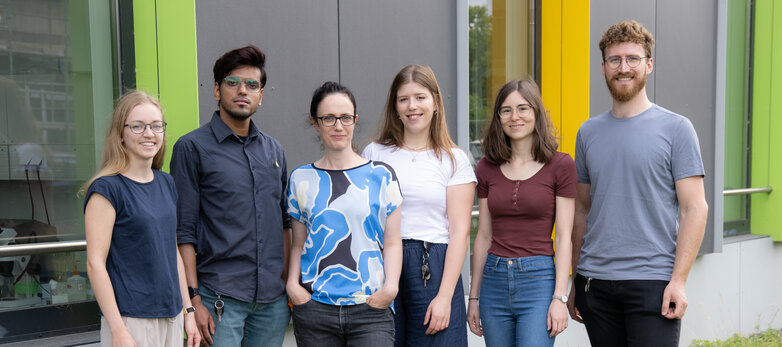
Prof. Dr. Eva Kiermaier leads the Immunology and Tumor Biology department at the Life & Medical Sciences Institute (LIMES) of the University of Bonn. Her research focuses on cytoskeletal components like centrosomes and microtubules in immune cell functions, particularly dendritic cells' roles in antigen presentation, migration, and T cell activation. She investigates how these structures enable immune cells to navigate complex environments and mediate adaptive immunity. Her work combines in vitro assays with live-tissue imaging and genome editing techniques. Notable contributions include studies on centrosome dynamics in immune cell navigation, microtubule regulation of immune synapse formation, and chemokine-guided dendritic cell trafficking. Her group also explores centrosome amplification's impact on immune effector functions and B cell development. Key collaborations include projects with the Bonner Forum Biomedizin and the LIMES Institute's transdisciplinary research units. Her recent studies highlight centrosome integrity's role in efficient cell migration, while older work has addressed p27 mutations in endocrine tumors.
Peter Moerters is a Professor of Applied Mathematics at the University of Cologne , specializing in probability theory and its applications. His research spans random graphs, large deviations, Brownian motion, stochastic processes in random media, and geometric measure theory. He has extensive collaborations and editorial service, including contributions to journals like Stochastic Processes and their Applications and Journal of Theoretical Probability . Research Interests : Probability theory, random graphs, large deviations, Brownian motion, stochastic processes in random media, and geometric measure theory. Notable Coauthors : Yuval Peres, Jochen Blath, Wolfgang König, and others. Publications : Recent works include studies on percolation phase transitions, competing growth processes, tangent graphs, and branching with selection and mutation. Editorial Service : Serves on the editorial boards of Journal of Theoretical Probability and Stochastic Processes and Applications .
Matteo Castelli is a Fixed-term Researcher (Type A) in Microbiology and Clinical Microbiology at the Università Vita Salute San Raffaele. His work focuses on viral pathogenesis, antiviral strategies, and infectious disease mechanisms, with expertise in SARS-CoV-2, hepatitis C virus (HCV), and herpes simplex virus (HSV). He holds a position within the Department of Medicine, contributing to research on viral dynamics, immune evasion, and molecular mechanisms of viral infections. His teaching responsibilities include courses in Microbiology and Clinical Microbiology for medical students, emphasizing practical laboratory skills and professional competencies. Castelli's research outputs include studies on viral mutations, antibody responses, and therapeutic interventions. Notable areas of focus are SARS-CoV-2 variant evolution, HCV vaccine targets, and HSV reactivation modeling. His work bridges basic science with clinical applications, including drug repurposing and organ-on-a-chip models for viral infections. Despite listed teaching assignments and active publication record through 2025, no specific scientific awards or grant details are documented in the provided text.
Sheila David is a Professor of Chemistry at the University of California, Davis, specializing in chemical biology and DNA repair mechanisms. Her research focuses on understanding the molecular basis of DNA base excision repair, particularly the role of enzymes like MUTYH and NEIL1 in recognizing and repairing oxidative DNA damage. Her work integrates enzymology, synthetic chemistry, and cell biology to bridge in vitro insights with in vivo repair processes, with implications for cancer therapy and mutagenesis prevention. Education: Ph.D. in Chemistry, University of Minnesota (1989) B.A. in Chemistry, Saint Olaf College (1984) Awards: ADVANCE Scholar Award (2018) ACS and AAAS Fellowships (2011/2010) Beckman Young Investigator and Sloan Fellow Research Interests: DNA glycosylases, oxidative stress, cancer biology, Fe-S cluster enzymes, and the structural basis of DNA repair. Her lab, located in the Chemistry Annex, investigates how DNA repair enzymes like MUTYH and NEIL1 prevent mutations by targeting oxidative lesions such as 8-oxoguanine. Recent studies highlight the role of enzyme variants in cancer susceptibility and the impact of RNA editing on repair specificity. Collaborative projects include developing synthetic tools to probe repair mechanisms and exploring therapeutic applications of these findings. Key grants include NIH postdoctoral training (1990-1992) and ongoing support for chemical biology initiatives. Her work bridges fundamental biochemistry with translational research in cancer and mutagenesis.
Prajwal Boddu, MD , is an Instructor of Medicine in the Department of Medical Oncology and Hematology at Yale School of Medicine. He holds affiliations with the Janeway Society and Pillai Lab at Yale Cancer Center. His clinical expertise spans hematology and oncology, focusing on blood disorders and malignancies. Dr. Boddu completed his MD at Osmania Medical College (2012), followed by residency at Advocate Illinois Masonic Medical Center (2016) and a hematology fellowship at MD Anderson Cancer Center (2018). Research Interests : Dr. Boddu’s work centers on RNA-mediated epigenetic reprogramming in clonal myeloid disorders. He investigates transcription elongation defects linked to SF3B1 mutations and their role in chromatin landscape alterations. His studies also explore therapeutic strategies for splicing factor mutant myelodysplastic syndromes (MDS). Collaborations : Active collaborations include Dr. Manoj Pillai (mentor), Karla Neugebauer, Rory Shallis, and Amer Zeidan, focusing on RNA processing, chromatin dynamics, and transcriptional regulation in hematologic cancers. Labs & Teams : He is affiliated with the Pillai Lab and participates in interdisciplinary teams at the Janeway Society and Yale Cancer Center, emphasizing translational research in blood cancers.
Stijn P. De Langhe, Ph.D., is a Professor at Mayo Clinic in Rochester, Minnesota, with appointments in the Department of Internal Medicine, Division of Pulmonary and Critical Care Medicine, and the Department of Biochemistry and Molecular Biology. His research is centered on lung regeneration, focusing on the molecular mechanisms of lung development and their role in diseases such as pulmonary fibrosis, COPD, asthma, and ARDS. Dr. De Langhe’s research interests lie in understanding lung stem cell niche interactions, particularly the bidirectional signaling between epithelial and mesenchymal cells. His work emphasizes how developmental pathways like FGF10 and Hippo signaling are reactivated during injury and repair, and how their dysregulation contributes to fibrotic lung diseases. He explores processes including cell quiescence, proliferation, differentiation, migration, and survival in the context of lung regeneration. The trends in his recent publications highlight a consistent focus on FGF10 signaling, epithelial-mesenchymal crosstalk, Hippo pathway regulation, and niche-mediated repair. His studies utilize mouse models and advanced techniques such as fluorescence in situ hybridization to investigate mechanisms of cell competition, bronchiolization, and alveolar epithelial regeneration in pulmonary fibrosis. Chair, 2nd Epithelial Mesenchymal Interactions in Lung Development and Fibrosis Conference, Fusion Conferences, 2022 Chair, Epithelial Mesenchymal Interactions in Lung Development and Fibrosis Conference, Fusion Conferences, 2019 Dr. De Langhe has been a principal investigator on multiple NIH-funded research projects, including ongoing studies on cell competition in pulmonary fibrosis and ARDS, epithelial stem cell Hippo signaling, and FGF10-mediated epithelial-mesenchymal interactions. He has collaborated extensively with researchers across institutions and disciplines. His lab serves as a hub for investigating lung developmental biology and its implications for regenerative medicine. He has mentored numerous trainees and contributes to major scientific conferences in his field.
Lothar Jänsch is a Professor and Research Group Leader at the Helmholtz Centre for Infection Research (HZI) , jointly appointed with the Technical University of Braunschweig . His work bridges proteomics and infection biology , focusing on pathogen-host interactomes and immune response regulation. Studied biology at the Free University of Berlin (diploma 1995), earned his doctorate in 1998 (IGF Berlin/University of Hanover) Postdoc at GBF (now HZI) since 2000, led projects on virulence factors (2003-2006), and established the Cellular Proteomics group in 2009 Appointed to the W2 professorship for Proteomics in Infectious Processes in 2011 Research emphasizes translational projects with academic, medical, and industrial partners, particularly on: Pathogen-host interactomes (e.g., Pseudomonas aeruginosa , Clostridioides difficile , Listeria monocytogenes ) Immune response control mechanisms in infection models (MAIT cells, NK cells, Tregs) Proteomic characterization of extracellular vesicles, biofilms, and subcellular structures Drug discovery targeting bacterial virulence factors (e.g., quinoxalinediones for α-hemolysin) Recent publications highlight interdisciplinary approaches combining mass spectrometry , kinome analysis , and phosphoproteomics to study: Bacterial virulence regulation (PqsE chaperone activity, NirS-DnaK-FliC complex) Lipid signaling (nSMase2, sphingomyelinase) Drug mechanisms (aminoratjadone, salinilactones) Stress response pathways (PerR mutation in C. difficile)
Sohrab Shah, PhD is the Chief of Computational Oncology and holds the Nicholls-Biondi Chair in Computational Oncology at Memorial Sloan Kettering Cancer Center within the Department of Epidemiology and Biostatistics. He leads a vibrant research program focused on computational oncology, leveraging big data resources to translate biologic knowledge to clinical practice and serves as an active faculty member at Gerstner Sloan Kettering Graduate School of Biomedical Sciences. Dr. Shah received his PhD in Computer Science from the University of British Columbia in 2008. Prior to joining MSK, he served as an associate professor in the department of pathology and laboratory medicine and a senior scientist in the department of molecular oncology with BC Cancer. He was also an associate member in the department of computer science at UBC and the Genome Sciences Centre at BC Cancer. Dr. Shah's research focuses on understanding cancer evolution through integrative approaches involving genomics and computational modeling. His lab investigates cancer evolution , single cell genomics and transcriptomics , mutational processes , and prediction of drug response . The Shah Lab develops computational methods for deciphering patterns of cancer evolution, with translational focus on breast and ovarian cancer. They leverage single cell technologies combined with machine learning tools to study cellular dynamics of cancer in patients before, during, and after treatment, with specific projects including spatio-temporal evolution of ovarian cancer and malignant-immune cell interactions. Dr. Shah's recent publications demonstrate a strong focus on multimodal data integration, combining genomics, imaging, and clinical data to improve cancer diagnosis and treatment prediction. His work spans breast cancer, ovarian cancer, and other malignancies, with particular emphasis on understanding tumor evolution and developing computational tools for precision oncology applications, including single cell dynamics, drug sensitivity/resistance mechanisms, and computational pathology. Dr. Shah has received numerous prestigious awards and honors: Susan B Komen Scholar (2018, 2021) Clarivate Analytics Highly Cited Researchers (2018) Nicholls-Biondi Endowed Chair in Computational Oncology Canada Research Chair in Computational Cancer Genomics As Chief of Computational Oncology, Dr. Shah leads a large team of computational biologists, software engineers, and researchers. His lab includes multiple instructors, research fellows, computational biologists, and graduate research assistants. He has successfully secured significant funding to support his research program and has established collaborations across MSK and with external institutions including University of British Columbia and BC Cancer. His lab actively mentors graduate students through the Gerstner Sloan-Kettering Graduate School and Tri-Institutional Computational Biology & Medicine program. The Shah Lab is housed within MSK's newly created Computational Oncology Research Campus on the Upper East Side of New York, in close proximity to Memorial Hospital, Weill Cornell Medical College, and Rockefeller University. The lab maintains active collaborations with clinicians and researchers across MSK, with a strong focus on translating computational findings into clinical applications. Dr. Shah also serves as a recruitment point for new faculty positions in computational oncology at MSK.
Dr. Kristin Dittenhafer-Reed is an Associate Professor of Chemistry at Hope College, where she joined the faculty in 2016. Her research and teaching are focused in biochemistry, specifically studying the biochemical mechanisms that control mitochondrial function. Dr. Dittenhafer-Reed earned her B.S. in Chemistry from Hope College (2009), followed by a Ph.D. in Biochemistry from the University of Wisconsin-Madison (2014), and completed postdoctoral training at the Center for Cancer and Cell Biology, Van Andel Research Institute (2014-2016). Her research focuses on understanding fundamental biochemical processes occurring in mitochondria, often considered the powerhouse of the cell. The Dittenhafer-Reed lab employs biochemistry, molecular biology and cell biology approaches to explore how processes within mitochondria work in a healthy context to enable avenues for the treatment of conditions caused when mitochondria are not functioning properly. Specifically, her lab investigates how the expression of mitochondrial DNA is regulated and how the mitochondria and nucleus communicate to meet varying energetic demands of a cell. Understanding mitochondrial function in human health and disease Mechanisms of control of mitochondrial DNA transcription Regulation of mitochondrial gene expression Post-translational modifications in mitochondrial regulation Analysis of Dr. Dittenhafer-Reed's publications reveals a consistent focus on mitochondrial biochemistry, particularly the role of sirtuins (especially SIRT3) in regulating mitochondrial metabolism through protein deacetylation. Her work bridges fundamental biochemical mechanisms with implications for metabolic diseases, aging, and neurological disorders. The research demonstrates increasing sophistication in techniques, moving from basic enzymology to systems-level approaches including proteomics and multi-tissue metabolic coordination. Dr. Dittenhafer-Reed has received significant recognition for her work: National Science Foundation CAREER Award (2022) Schaap Research Fellow (2020-2025) National Science Foundation Major Research Instrumentation Grant (2020-2023) Hope College 10 under 10 Alumni Award (2019) Towsley Research Scholar (2019) As an active researcher at an undergraduate institution, Dr. Dittenhafer-Reed maintains a robust research program that integrates undergraduate students into meaningful scientific discovery. Her laboratory has secured competitive external funding from the National Science Foundation and other sources, enabling state-of-the-art research while providing valuable training opportunities for students. Her work on mitochondrial transcription regulation represents a significant contribution to understanding how cells maintain energy homeostasis. The Dittenhafer-Reed Research Group operates within the Department of Chemistry at Hope College, utilizing biochemical, molecular, and cell biological approaches to investigate mitochondrial function. The lab's work on mitochondrial nucleoid proteins and transcriptional regulation has positioned it at the forefront of understanding how mitochondrial gene expression is controlled in response to cellular energy demands.
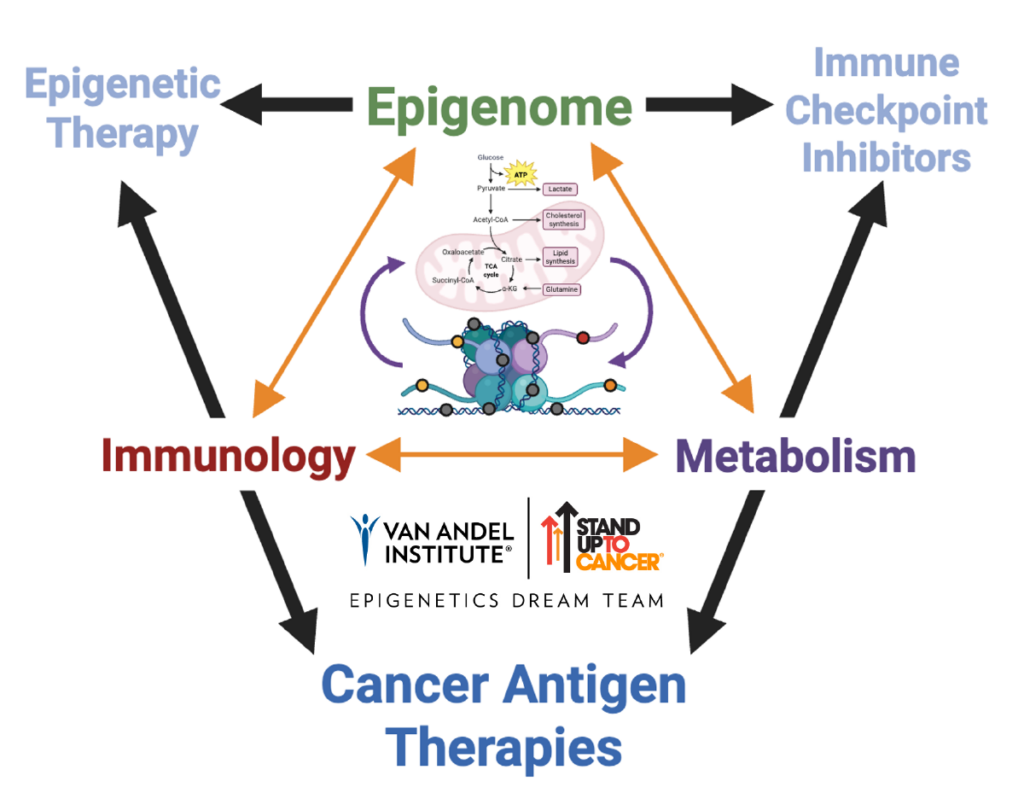
H. Josh Jang is an Assistant Professor in the Department of Cell Biology at Van Andel Institute , where he leads the Jang Laboratory focused on improving cancer immunotherapies through epigenetic and metabolic research. He joined the Institute in 2025 after serving as a VAI Fellow (2020-2025) under Nobel laureates Peter A. Jones and Stephen B. Baylin. Education : B.S. in Health Promotion and Disease Prevention (University of Southern California), Ph.D. in Molecular Genetics and Genomics (Washington University in St. Louis) Key Collaborations : Van Andel Institute–Stand Up To Cancer® Epigenetics Dream Team His research explores the epigenetic-metabolic crosstalk in cancer progression, targeting reversible vulnerabilities to enhance immune checkpoint inhibitors. Current projects include transposable element activation , RNA splicing dysregulation , and tumor microenvironment characterization using single-cell and spatial sequencing technologies. Recent publications demonstrate expertise in multi-omics analysis , clinical trial design , and epigenetic therapy optimization across diverse cancers. His work has generated 15 clinical trials through the VAI-SU2C Dream Team collaboration. Scientific Awards : K99/R00 Pathway to Independence grant (NCI) SPORE Epigenetic Therapies Career Enhancement Award (NCI) Forbeck Scholar (2021)
Steven S. Gross is Professor of Pharmacology at Weill Cornell Medicine and a key faculty member in the Graduate School of Medical Sciences. He leads a research laboratory focused on nitric oxide (NO) signaling and directs the Mass Spectrometry Core Facility, underscoring his dual role in research and institutional infrastructure. His work bridges pharmacology, biochemistry, and cellular signaling, with significant contributions to understanding NO in vascular regulation and disease. Dr. Gross earned his Ph.D. in Biomedical Science from Mount Sinai School of Medicine. His research interests include nitric oxide signaling, molecular pharmacology, cellular regulation, vascular biology, and metabolic pathways. His lab investigates the synthesis and action of NO, its role in septic shock, and the development of NO-based therapeutics, leading to the founding of ArgiNOx Inc. His recent publications reveal a strong trend in cancer metabolism, redox signaling, and gene-environment interactions, with high-impact work on vitamin C in KRAS-mutant cancers, fructose and tumor growth, and epigenetic regulation by TET1. These studies span molecular oncology, metabolomics, and bioinformatics, often involving interdisciplinary collaborations. Active member of NIH Study Sections Founder and Board Director, Nitric Oxide Society Author of over 90 research papers and 40 book chapters Dr. Gross actively mentors graduate students, including Tal Nuriel, Alex Hansler, Pamela Wille, Qiuying Chen, and Yuliang Ma. His lab is central to research on NO biology and mass spectrometry applications. He has no listed scientific awards in the provided texts, but his sustained publication record and leadership roles indicate significant scientific impact.
Philip Griffiths is a researcher at Newcastle University specializing in mitochondrial genetics and neurodegenerative eye disorders. His work focuses on the role of mitochondrial DNA mutations in conditions such as Leber hereditary optic neuropathy (LHON), chronic progressive external ophthalmoplegia (CPEO), and dominant optic atrophy linked to OPA1 mutations. Griffiths' research explores disease mechanisms, treatment strategies (e.g., idebenone, steroids), and clinical outcomes in mitochondrial optic neuropathies. He investigates genetic modifiers, neurodegenerative pathways, and multisystemic implications of mitochondrial defects. His publications often involve collaborations with experts like Professor Patrick Chinnery and Professor Gavin Hudson . Recent articles highlight his contributions to understanding mitochondrial dysfunction in optic nerve degeneration, intraocular pressure as a risk factor, and the natural history of OPA1-related disorders. His work bridges genetic analysis with clinical neuro-ophthalmology, emphasizing diagnostic precision and therapeutic innovation.
Dr. Simon Watt is a Lecturer at the School of Science, UNSW Canberra , Australian Defence Force Academy. His research spans applied mathematics, combustion science, and environmental/humanitarian systems modeling. Key research areas include: Activated sludge wastewater treatment modeling Stochastic wildfire spread prediction Chaotic combustion dynamics Conflict environment humanitarian aid modeling Recent publications focus on: 2D chaotic flows in exothermic-endothermic reactions Extinction pathways in non-adiabatic flames Weight-function approaches for combustion waves Seismic collapse criteria for reinforced concrete structures His methodological expertise includes: Mathematical modeling of complex systems Nonlinear dynamics analysis Computational simulation of ecological/industrial processes
Michael Apuzzo is an Adjunct Professor of Neurological Surgery at Weill Cornell Medical College since 2016, with a career spanning over four decades in neurosurgery and radiosurgical innovation. He holds an M.D. from Boston University School of Medicine (1965) and a B.A. from Yale University (1961) . His research focuses broadly on stereotactic radiosurgery , brain tumors , epilepsy , neurosurgical history , and emerging technologies in neurosurgery . His work bridges clinical practice with futuristic concepts in nanoneurosurgery , robotic prosthetics , and molecular neurosurgery . Publications reveal trends in radiosurgical treatment optimization , neuroimaging advancements , and historical evolution of neurosurgical tools . He has contributed extensively to debates on surgical ethics, medical modernity, and global neurosurgical accessibility.
Prof. Dr. Damian Brunner is a Full Professor at the Department of Molecular Life Sciences, University of Zurich. His research focuses on uncovering molecular mechanisms that generate cellular architecture diversity, particularly through the cytoskeleton and specialized membrane domains. He uses Drosophila melanogaster and Schizosaccharomyces pombe as model organisms, combining real-time fluorescence imaging, genetics, and biophysical approaches. Education: Ph.D. from University of Zurich (1995), previously studied chemistry and biology at the same institution. His work explores conserved principles of cell morphology across organisms, emphasizing quantitative data analysis and mathematical modeling for understanding developmental processes. Current projects investigate cytoskeletal feedback in contractile actomyosin systems and specialized membrane domains in cell polarization. Scientific awards include EMBO Fellowship (1996-1998), SNSF Fellowship (1998-1999), Novartis Stiftung Grant (1999-2000), and election to EMBO in 2017. Funding has been secured through DFG, HFSP, SNF, and SystemsX grants. He leads a multidisciplinary team comprising Ph.D. students (Fátima Benítez, César Cano, Denise Goly, Martina Pruzincova, Max von Büdingen, Tim Weber) and research associates, focusing on collaborative and interdisciplinary research.