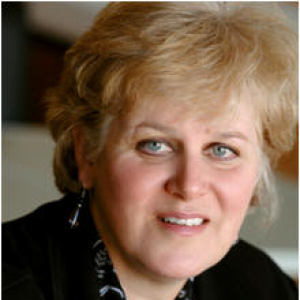
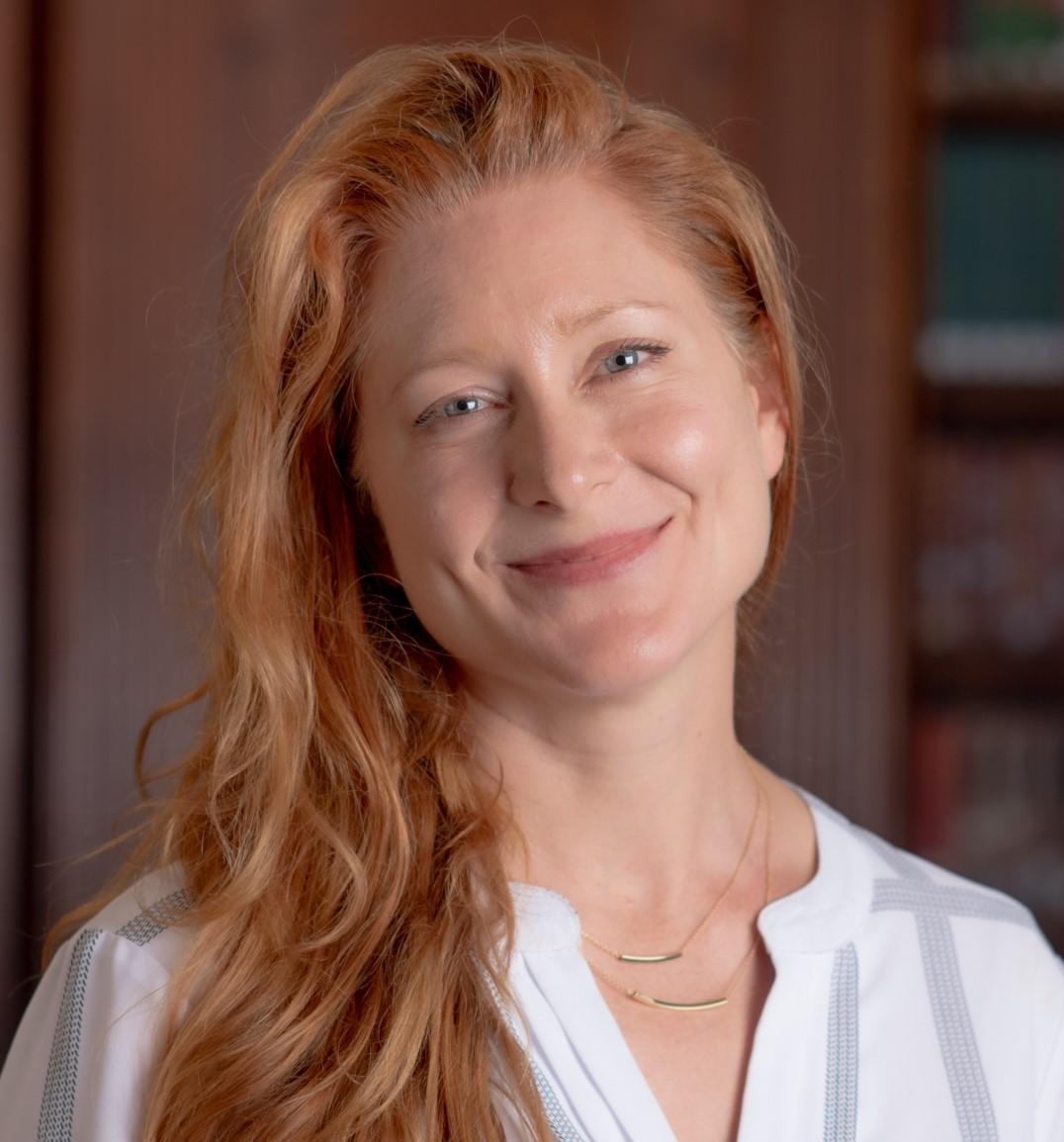
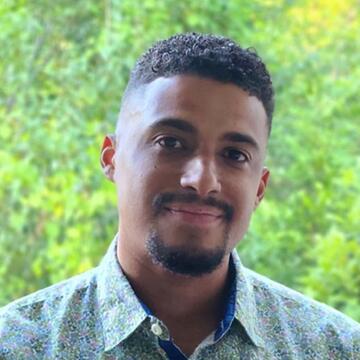
Vania Ceccato is a Professor at the Academy of Police Work, University of Borås, specializing in environmental criminology and situational crime prevention. She leads the international Nätverket Säkraplatser network, fostering collaboration between academia and practice for sustainable safety. Her research bridges urban design, rural criminology, and transit security, with a focus on inclusive safety measures. Her recent publications include studies on transit worker safety in Stockholm’s metro resilient urban design for climate and crime prevention LGBTQI+ safety in transportation rural-urban shooting patterns innovative survey methodologies Her work aligns with United Nations SDGs 9, 11, and 13, emphasizing how environmental criminology can drive sustainable, equitable urban development.
Stuart Rollo serves as a Research Fellow at the Centre for International Security Studies within the Faculty of Arts and Social Sciences at the University of Sydney. He currently leads research on the Quantum Meta-Ethics project, examining geopolitical implications of emerging quantum technologies. Rollo's scholarly work centers on critical analyses of geopolitics, imperial history, and US-China relations. He actively engages public discourse through regular contributions to major international media outlets including The New York Times, The Wall Street Journal, The Guardian, and ABC, where he addresses contemporary security challenges and cultural-political dynamics. His recent publications reveal a dual focus: quantum technology's transformative potential for global security architecture (evident in 2024's 'Quantum 3.0' and 2023's 'Quantum Warfare'), and historical examinations of American empire with direct relevance to current US-China tensions (culminating in his 2023 monograph 'Terminus'). This intersection of historical analysis and future-oriented security studies defines his scholarly trajectory. Rollo operates within the Centre for International Security Studies, a multidisciplinary research hub addressing evolving global security challenges through critical theoretical frameworks and policy-relevant scholarship.
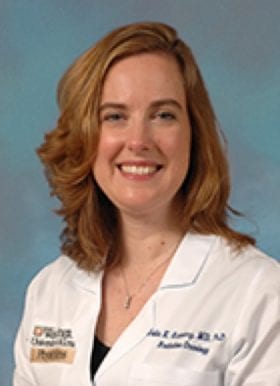
Julie K. Schwarz, MD, PhD, FASTRO is a tenured Professor of Radiation Oncology at Washington University School of Medicine, where she serves as Vice-Chair of Research and Director of the Cancer Biology Division. She also holds appointments as Professor of Cell Biology and Physiology and is affiliated with the Roy and Diana Vagelos Division of Biology & Biomedical Sciences, specifically within the Cancer Biology and Molecular Cell Biology programs. Dr. Schwarz is a key member of the Siteman Cancer Center and co-leads one of only five centers comprising the NIH's Radiation Oncology-Biology Integration Network (ROBIN). Dr. Schwarz completed her BS in Biology at Duke University (1995) followed by an MD/PhD in Cell and Molecular Biology at Washington University School of Medicine (2004) through the Medical Scientist Training Program. She completed her Internal Medicine internship (2005) and Radiation Oncology residency (2009) at Barnes-Jewish Hospital, becoming board-certified by the American Board of Radiology in Radiation Oncology (2010). Her research program focuses on translational studies of gynecologic cancers, particularly cervical cancer, with emphasis on tumor metabolism, biomarker discovery, and treatment resistance mechanisms. Dr. Schwarz's laboratory maintains one of the largest tumor repositories for cervical cancer, which includes specimens collected before and during chemoradiation treatment. Her work has demonstrated the critical role of pretreatment and post-treatment FDG-PET scanning for cervical cancer patients and has identified alterations in PI3K/Akt pathway genes associated with treatment response. Recent research directions include studying obesity's paradoxical favorable impact on cervical cancer outcomes, glucose and glutamine metabolism as targets for cancer therapy, and the role of tumor immunology in therapy resistance. Analysis of Dr. Schwarz's most recent publications reveals a strong focus on cervical cancer biology, tumor metabolism, and novel therapeutic approaches. Her work integrates clinical data with laboratory research to identify biomarkers and develop improved treatment strategies. Current research emphasizes the interface between tumor metabolism, the microenvironment, and response to therapy, with particular attention to HPV-related cancers, tumor imaging, and metabolic targets for radiosensitization. Fellow of American Society for Radiation Oncology (ASTRO) (2024) Danforth WashU Physician-Scientist Scholar Award (2024) Elected into American Society for Clinical Investigation (2022) Michael Fry Research Award for Outstanding Junior Investigator: Radiation Research Society (2012) Fellow: National Cancer Care Network (2008) RSNA Roentgen Resident/Fellow Research Award (2008) As a dedicated mentor, Dr. Schwarz has guided numerous trainees across all levels including undergraduates, graduate students, medical students, residents, fellows, and postdoctoral researchers. Her Schwarz Lab is highly collaborative and actively recruits students and researchers, with recent successes including Leahan Castillo receiving an Honorable Mention at AACR and Brett Tortelli developing significant research on the vaginal microbiome's relationship to cervical cancer treatment response. Dr. Schwarz is R01-funded and leads multiple research projects, including work on the TARGET Center which focuses on understanding the biologic effects of radiation therapy in cancer treatment. She actively participates in national organizations including the ASTRO/NCI Radiobiology Consensus Workshop, AACR Radiation Oncology Think Tank, and the ASTRO Community of Radiation Oncology Physician Scientists. Dr. Schwarz directs the Schwarz Lab, which is growing and actively recruiting postdocs, staff scientists, and graduate students. The lab employs a multidisciplinary approach combining well-annotated clinical databases, prospectively collected patient tumor banks, and state-of-the-art sequencing technologies. Current research directions include single-cell sequencing approaches to study treatment effects on tumor cells and immune cells within the tumor microenvironment, glucose and glutamine metabolism as targets for cancer therapy, and targeting myeloid-derived cells to improve anti-tumor immunity. The lab is highly collaborative and studies multiple tumor types including cervical, pancreatic, and ovarian cancers.
Dr. Yonas Tekle is a Professor of Biology at Spelman College, where he has been a faculty member since 2010. His research laboratory at the Albro-Falconer-Manley Science Center focuses on evolutionary approaches to understanding microbial diversity and infectious diseases. Dr. Tekle received his educational training at prestigious institutions: Ph.D. from Uppsala University, Sweden B.S. from University of Asmara, Eritrea Dr. Tekle's research program implements fundamental principles of evolution to investigate the diversity, origins, and relationships of both medical and non-medical microbes. He is particularly fascinated by interdisciplinary research approaches that address challenging questions affecting everyday life. His laboratory specializes in integrating bioinformatics and phylogenetics with mathematical modeling to understand the evolution and epidemics of infectious diseases. This multidisciplinary approach bridges microbiology, evolutionary biology, computational methods, and public health applications. Analysis of Dr. Tekle's publication record reveals a strong focus on two primary research trajectories: amoeboid organism systematics and evolutionary biology, and mathematical modeling of infectious disease transmission. His earlier work established him as an expert in amoeboid taxonomy and phylogenetics, with numerous publications describing new species and elucidating evolutionary relationships within Amoebozoa. More recently, his research has expanded to include genomic analyses of microbial organisms and sophisticated mathematical models of infectious disease dynamics, particularly focusing on antibiotic-resistant pathogens and vaccination strategies. Dr. Tekle teaches a range of courses including Biological Communities, Evolution and Biodiversity (Bio 110), Cellular & Molecular Biology (BIO 471), Microbial Origins Research (BIO 416), and specialized courses on Microbial Diversity and Evolution (SBIO 491N). He also mentors undergraduate research through SBIO 491. While specific grant information isn't provided in the available materials, his extensive publication record suggests successful research funding and active laboratory operations. Dr. Tekle's laboratory appears to be an active research environment focused on evolutionary microbiology, with particular expertise in amoeboid organisms and infectious disease modeling. His work bridges fundamental evolutionary questions with practical applications for understanding and controlling infectious disease transmission.
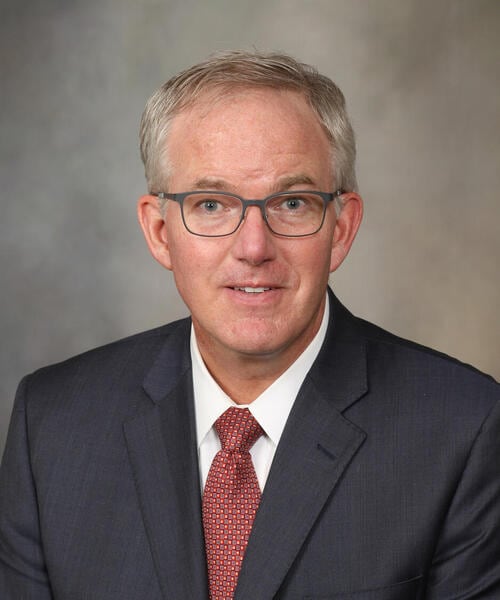
Christopher E. Colby, MD, is a physician scientist at Mayo Clinic's Department of Pediatrics and Critical Care in Rochester, Minnesota. With a medical degree from Medical College of Wisconsin and specialized training in neonatal-perinatal medicine at Stanford's Lucile Salter Packard Children's Hospital, he has dedicated his career to advancing neonatal care through clinical practice, education, and research. 2003: Fellow in Neonatal and Developmental Medicine 2013-2016: Director of Neonatal-Perinatal Medicine Fellowship 2018: Inpatient Medical Director, Mayo Clinic Children's Center His research focuses on neonatal resuscitation , teleneonatology , and quality improvement in NICUs . Key contributions include: Development of 3D-printed CPAP masks Telemedicine applications for newborn resuscitation Regionalized perinatal care optimization Scientific Awards: Multiple 'Teacher of the Year' awards 2020 Minnesota Monthly Top Neonatologist 2013 DPAM Education Leadership Award
Yvan Beaussant, MD, MSc is an Instructor in Medicine at Harvard Medical School and a Principal Investigator at Dana-Farber Cancer Institute. He is affiliated with the Department of Supportive Oncology at DFCI, the Department of Medicine at Harvard Medical School, and the Department of Medicine at Brigham and Women's Hospital. A hematologist and palliative care physician-investigator, his work bridges clinical care and research in psychedelic-assisted therapies for patients with serious illness. Education MD – Medical Doctor MSc – Master of Science Research Interests Dr. Beaussant's research is centered on the safety and efficacy of psychedelic-assisted therapy in patients with serious illness. His work includes: Investigating psilocybin- and MDMA-assisted therapy for depression, adjustment disorder, pain, and existential distress in cancer and other serious illnesses. Defining standards of care for psychedelic-assisted therapy across diverse patient populations. Conducting qualitative studies with international experts to shape the research agenda in psychedelic palliative care. His team is actively involved in clinical trials and translational research aimed at integrating psychedelic therapies into palliative care settings. Research Trends Dr. Beaussant's recent publications reflect a strong focus on existential distress in cancer patients, group-based psychedelic therapy , and clinical implementation of psychedelic treatments in palliative care. His work spans systematic reviews, qualitative analyses, and case studies, emphasizing both the therapeutic potential and the ethical, practical challenges of psychedelic use in serious illness. Clinical and Educational Roles As a practicing hematologist and palliative care physician, Dr. Beaussant integrates clinical insights into his research. He has led seminars at the Harvard Radcliffe Institute and contributes to education on psychedelic-assisted therapy for palliative care providers. Labs and Teams Dr. Beaussant leads a multidisciplinary research team at Dana-Farber Cancer Institute focused on psychedelic-assisted therapy in serious illness. His group collaborates with experts in psychiatry, oncology, and palliative care to advance clinical trials and qualitative research in this emerging field.
Lisa A. Cassis serves as Vice President of Research and Professor of Pharmacology and Nutritional Sciences at the University of Kentucky. She holds multiple leadership positions including Co-Director of the Division of Nutritional Sciences and Graduate Faculty in Nutritional Sciences. Dr. Cassis is affiliated with several research centers including the Saha Cardiovascular Research Center, Saha Aortic Center, and serves as an MD/PhD Program Mentor. Dr. Cassis's research program has focused for over three decades on the renin-angiotensin system (RAS) in metabolic and cardiovascular diseases. Her laboratory made the seminal discovery in 1988 that adipocytes express high levels of angiotensinogen, establishing the concept of an adipocyte RAS. In 1999, in collaboration with Dr. Alan Daugherty, her team demonstrated that infusion of angiotensin II to hyperlipidemic mice increases atherosclerosis and causes abdominal aortic aneurysms (AAAs), with their 2000 publication in The Journal of Clinical Investigation becoming highly influential (over 500 citations). Current research emphasizes mechanisms for sex differences in AAA formation and PCB-induced diabetes, particularly examining adipocyte aryl hydrocarbon receptors as mediators of inflammation and insulin resistance. Her work has been continuously NIH-funded since 1988. Analysis of Dr. Cassis's recent publications reveals a strong focus on sex differences in vascular pathologies, particularly abdominal aortic aneurysms. Her research integrates molecular mechanisms with physiological outcomes, emphasizing adipose tissue's role in cardiovascular disease. Recent work explores novel therapeutic targets including serotonin receptors and mitochondrial dynamics in aortic disease progression. The publications demonstrate a progression from foundational mechanistic work to translational applications, with increasing use of advanced techniques like single-cell transcriptomics. 1986 National Research Service Award Postdoctoral Fellowship 1991 IBM Supercomputer Competition, First Place 1992 Research Career Development Award, NIHLBI 2012 Women's Mentor of the Year, Council on Arteriosclerosis, Thrombosis, and Vascular Biology, American Heart Association 2012 Mentor of the year, Center for Clinical and Translational Sciences, University of Kentucky 2012 Council for High Blood Pressure Research Harriett Dustan Award for Excellence in Hypertension Research Dr. Cassis has extensive experience administering major research programs including Director of a multidisciplinary graduate center focused on nutritional scientists, Chair of the Department of Nutritional Sciences, Chair of the Department of Molecular and Biomedical Pharmacology, Director of an NIH T32 on Nutrition and Oxidative Stress, and Director of the Phase II NIH Center of Biomedical Research Excellence on Obesity and Cardiovascular Diseases (COCVD). She has served in numerous leadership roles including as Project Director of a University of Kentucky Superfund Basic Science Research Program focused on polychlorinated biphenyls (PCBs). Dr. Cassis leads the Saha Cardiovascular Research Center and Saha Aortic Center at the University of Kentucky, where her laboratory investigates the intersection of metabolic and cardiovascular diseases. Her team combines molecular, cellular, and physiological approaches to study sex differences in vascular pathologies, with particular emphasis on abdominal aortic aneurysms and the role of adipose tissue in cardiovascular disease.
David M. Markovitz is a tenured Professor in the Department of Internal Medicine at the University of Michigan Medical School. He has maintained continuous faculty appointments at the University since 1988, progressing from Assistant Professor (1988-1994) to Associate Professor with tenure (1994-2002) and ultimately to his current Professor position (2002-present). Dr. Markovitz leads a multidisciplinary research team comprising four additional faculty members, postdoctoral fellows, PhD students, MD/PhD students, medical students, physicians, public health students, and undergraduates. Dr. Markovitz's research program spans several interconnected domains in molecular medicine. His laboratory employs diverse methodologies including NMR, crystallography, molecular dynamics modeling, glycoclusters, next-generation sequencing, bioinformatics, and animal models to investigate viral pathogenesis and develop novel therapeutic approaches. His work has produced 92 publications and resulted in significant discoveries across multiple fields. The publication record reveals several major research trajectories: investigations into HIV transcription mechanisms; characterization of the DEK protein's role in cancer and juvenile arthritis; discovery of vimentin as a secreted inflammatory factor; exploration of human endogenous retroviruses (HERVs) in disease pathogenesis; and development of engineered lectins as broad-spectrum antiviral agents. His most notable contribution involves engineering banana lectin (BanLec) through a single amino acid mutation (H84T) that eliminates mitogenicity while preserving antiviral activity against HIV, hepatitis C, influenza, and coronaviruses including SARS and MERS. Dr. Markovitz has received numerous prestigious awards including the Burroughs Wellcome Clinical Scientist Award (2003), Association of American Physicians membership (2004), and a Transformative R01 from the NIH Office of the Director (2009). National Cancer Institute – Clinical Investigator Award (1990) Life and Health Insurance Medical Research Fund Scholar (1991) American Society for Clinical Investigation (1997) Burroughs Wellcome Clinical Scientist Award (2003) Association of American Physicians (2004) Transformative R01, NIH (2009) American Clinical and Climatological Association (2012) His current research portfolio demonstrates strong funding support across multiple domains. As Principal Investigator, he leads projects including DEK-targeted therapy for juvenile arthritis (Rheumatology Research Foundation), development of H84T BanLec for Ebola/Marburg treatment (DTRA), and lectin-based lung cancer therapy (UM Mi-Kickstart). As Co-PI, he contributes to NIH-funded research on DEK in hematopoiesis and international collaborations studying HERVs in human disease. His mentorship extends to numerous doctoral students, postdocs, and medical trainees who have gone on to independent research careers. Dr. Markovitz directs a vibrant research ecosystem that includes faculty collaborators Rafael Contreras, Scott Gitlin, and Mark Kaplan. His laboratory maintains extensive collaborations across the University of Michigan and with international partners. The research program bridges basic science discoveries with translational applications, particularly in developing novel therapeutics for viral diseases, autoimmune conditions, and cancer. His work on DEK aptamers and engineered lectins represents promising pathways toward clinical applications in inflammation and infectious disease.
Professor Oliver Wild is based at the Lancaster Environment Centre , Lancaster University , where he serves as Programme Director for Environmental Science and Earth and Environmental Science degree schemes. Previously, he was Associate Director for Research (2017-2023) and Undergraduate Admissions Tutor for Environmental Science degrees. His research focuses on atmospheric composition and chemistry , particularly modeling intercontinental transport of ozone and its precursors , indirect climate impacts of short-lived gases (NOx, CO), and Earth System interactions . He contributes to international policy through the UN-ECE HTAP task force and has participated in IPCC climate assessments (2001, 2007, 2013). Current projects include HYDRA (hydrogen economy climate impacts), COP-AQ (net zero policy effects on air quality), and ACITES (atmospheric chemistry in Earth systems). His work spans global to urban scales , with collaborations across US, Japan, China , and involvement in model intercomparison projects (ACCENT, HTAP, CCMI). Scientific Awards EGU Outstanding Reviewer Award He teaches undergraduate courses on atmosphere, weather, and climate, and supervises PhD studentships supported by ExaGeO, E5 DTP , and Edinburgh .
David Smith is a Professor of Applied Mathematics at the University of Birmingham and Deputy Director of Research and Knowledge Transfer at the Engineering and Physical Sciences Healthcare Technologies Institute. He is renowned for his interdisciplinary research applying mathematical modeling to medicine and biology, particularly in microscale fluid dynamics of fertility, sperm motility, cilia mechanics, and mathematical endocrinology. Research Interests: Microfluid dynamics of fertility and reproduction, especially sperm motility and embryonic nodal cilia Mathematical endocrinology, including pharmacokinetics of cortisol and thyroid disease Development and application of regularized Stokeslets methods for biological flows Bayesian modeling for spectroscopic biomedical diagnostics Multiscale modeling in reproductive health and cell motility His recent publications span computational tools for viscous flow, dinoflagellate swimming, kinetic modeling of biochemical reactions, and Bayesian diagnostics using Raman spectroscopy, reflecting a broad and impactful interdisciplinary portfolio. Projects & Grants: Principal Investigator, EPSRC project on rapid sperm capture using imaging and machine learning (2016–2022) Co-Investigator, US Army and UK Ministry of Defence projects on traumatic brain injury biomarkers (2021–2028) Alan Turing Institute Turing Fellowship (2019–2020) EPSRC and Proctor & Gamble supported parameter estimation projects Smith chairs the editorial board of Mathematics in Medical and Life Sciences , has organized major conferences on bioactive fluids, and delivered keynote lectures on regularized Stokeslets methods. He currently supervises four PhD students and a postdoctoral fellow, welcoming new doctoral applicants.
Andrea Kasinski is a Professor of Biological Sciences and Deputy Director of the Purdue Institute for Cancer Research at Purdue University. Her research focuses on non-coding RNAs (microRNAs, lncRNAs, circRNAs) in cancer development and their therapeutic applications. She leads a multidisciplinary team investigating RNA delivery systems, extracellular vesicle biology, and epigenetic regulation in cancer. Key projects include ligand-mediated delivery of miRNAs, exosome-based therapies, and high-throughput screens for miRNA inhibitors. Education: PhD in Molecular & Systems Pharmacology (Emory University, 2009), Postdoctoral Fellowship in Genetics (Yale University, 2013). Awards include NIH Pathway to Independence Award (2013), American Cancer Society Research Scholar (2017), and multiple grants from NIH/NCI (R01 CA205420, R01 CA226259). Her lab has pioneered 'FolamiRs' – folate-targeted miRNA therapeutics – and developed novel strategies for endosomal escape of RNA payloads. Major contributions include identifying miRNA drivers of drug resistance, demonstrating exosome-mediated tumor progression, and advancing miR-34a as a clinical candidate. The lab maintains active collaborations with institutions including Harvard Medical School, MD Anderson Cancer Center, and the National Cancer Institute. Current initiatives focus on KMT5C-mediated epigenetic regulation in EGFR-resistant lung cancers and translational development of fully modified miR-34a (FM-miR-34a).
Filipa Simões is a Group Leader and British Heart Foundation Intermediate Basic Science Research Fellow at the Institute of Developmental and Regenerative Medicine (IDRM), University of Oxford. She holds a Hugh Price Fellowship in Regenerative Medicine at Jesus College, Oxford. Her work focuses on immune cell programming in cardiac repair, leveraging genomics, spatial omics, and in vivo/in vitro models to dissect macrophage roles in heart regeneration. She completed her PhD at the University of Coimbra (Portugal) and postdoctoral research at Oxford, identifying epicardial subpopulations and macrophage contributions to cardiac scarring. Education: BSc Microbiology and Genetics, Faculty of Sciences, University of Lisbon PhD Biochemistry, University of Coimbra (research at Oxford’s Weatherall Institute) Postdoctoral Training: Department of Physiology, Anatomy, and Genetics, University of Oxford Research Interests: Filipa’s lab explores how macrophages are programmed by neighboring cells to repair heart attack damage. Key themes include immune-cell-cardiac crosstalk, fibrosis pathways, and regenerative signaling. Techniques employed span spatial genomics, functional assays, and zebrafish models to map cellular microenvironments. Awards: British Heart Foundation Intermediate Basic Science Research Fellowship British Heart Foundation Centre of Research Excellence Transition Fellowship Teaching: Leads undergraduate courses in Cardiovascular Development, Genomics, and Developmental Biology. Oversees postgraduate modules on cardio-immuno genomics and cardiac regeneration. Labs/Teams: Heads a multidisciplinary team at IDRM, integrating developmental biology, immunology, and regenerative medicine approaches to advance cardiac repair strategies.
Shanti Morell-Hart is an Associate Professor of Anthropology at Brown University, specializing in anthropological archaeology and paleoethnobotany with a focus on Mesoamerican societies. She serves as Director of the Integrated Laboratory for Archaeological Sciences (ILAS) and the Paleoethnobotany Laboratory at Brown (PEBLAB). Her research examines ancient agriculture, plant use in ritual and healthcare, and human-environment interactions, particularly in contexts of societal 'collapse' and resilience. Education: PhD in Anthropology (2011, UC Berkeley), MAs (2003 UC Berkeley; 2002 UT San Antonio), BA (1998 Wesleyan University). Major Research Areas: Ancient agriculture, ethnoecology, foodways, Maya studies, and archaeological science. Her funded projects include studies on Maya agricultural practices, resilience in pre-Hispanic landscapes, and interdisciplinary analyses of plant residues. She has received the Sophie Coe Prize (Special Mention) for contributions to food history writing. Teaching includes courses on the anthropology of food, environmental archaeology, and paleoethnobotanical methods. Collaborations involve projects in Guatemala, Mexico, and Honduras, leveraging lidar, phytolith analysis, and spatial technologies to explore ancient lifeways.
Oscar Jerome Stewart is an Assistant Professor of Management at the University of San Francisco's School of Management. He holds a PhD in Organizational Science from UNC Charlotte (2016) and a BA in Finance and African American Studies from the University of Minnesota. His academic leadership roles include Co-Lead of the Racial and Social Justice in the Business Community Impact Area (2023–present), President of the Management Faculty of Color Association (2024), and Director of the Dr. Shawn Long Organizational Science Institute at UNC Charlotte (2021–2024). His research focuses on critical management theory, equity, diversity, and inclusion, and corporate misconduct. Recent work addresses anti-Black performative allyship in academia, carceral public safety discourse, and nonprofit resilience strategies. Stewart's scholarly contributions span organizational ethics, social justice in education, and corporate responsibility. He has published in journals like Organization , Frontiers in Psychology , and Organization & Environment . His awards include the Fritz Roethlisberger Memorial Award (2024) and the SOM Full-time Faculty Outstanding Citizenship Award (2024). His teaching emphasizes critical pedagogy and privilege awareness. He previously taught at San Francisco State University and the College of Charleston. Education: PhD in Organizational Science, UNC Charlotte (2016); BA in Finance and African American Studies, University of Minnesota Key Appointments: Co-Lead, Racial and Social Justice Impact Area (2023–present) President, Management Faculty of Color Association (2024) Director, Dr. Shawn Long Institute (2021–2024) Awards: USF Ignatian Colleagues Program Fellow (2024–2025) Fritz Roethlisberger Memorial Award (2024) His research agenda intersects with his commitment to racial equity, evident in projects on corporate misconduct and anti-racist pedagogy. He has advised initiatives to diversify organizational science graduate programs and co-authored works on environmental justice in management studies. Outside academia, Stewart rehabilitates troubled dogs and practices bouldering.
Ingrid DE SAINT-GEORGES is an Associate Professor in Educational Science at the University of Luxembourg's Faculty of Humanities, Education and Social Sciences, Department of Humanities. Her research focuses on multilingualism in education, professional communication, vocational training, and the intersection of language policies with cultural diversity. She holds a prominent role in shaping language strategies for academic and professional contexts, particularly in multilingual environments. Her work emphasizes ethnographic and multimodal methodologies, exploring how language and cultural practices influence learning in diverse settings such as culinary arts workshops in French Guiana and international higher education institutions. Key themes include the role of analogical discourse in vocational training, the dynamics of professional skill acquisition, and the challenges of implementing multilingual policies in educational frameworks. Notable contributions include designing language policies for academic conferences, analyzing workplace learning trajectories, and investigating the interplay between transversal competencies and employability. Her research often bridges theory and practice, aiming to enhance educational strategies through interdisciplinary collaboration and situated learning approaches. Dr. DE SAINT-GEORGES has published extensively on mediated discourse analysis, professional training interactions, and the sociocultural dimensions of education. Her work frequently addresses issues of linguistic diversity as both a challenge and a resource in educational and professional contexts, advocating for inclusive pedagogical frameworks.