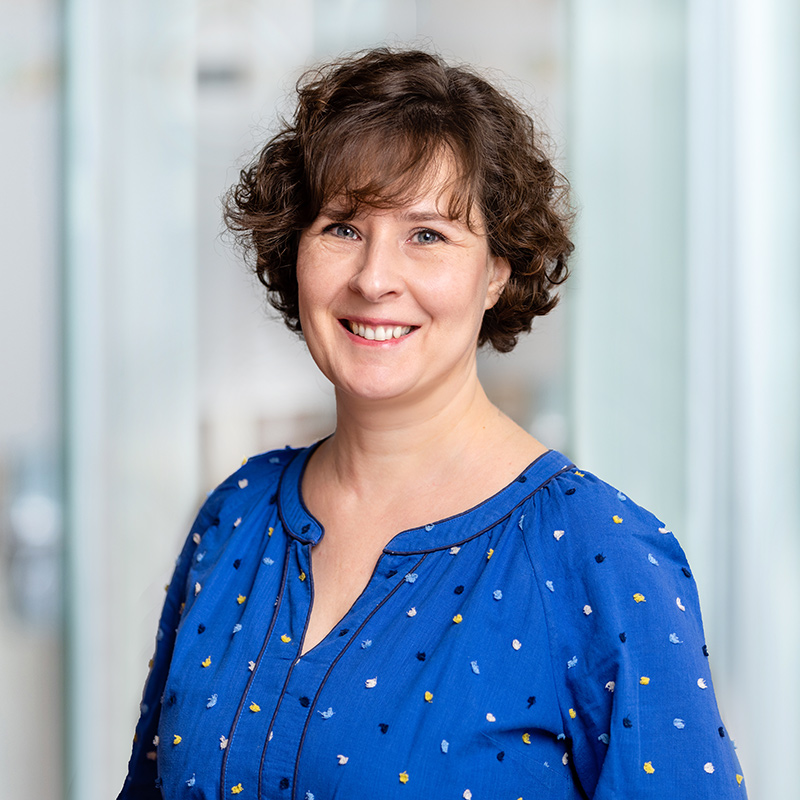
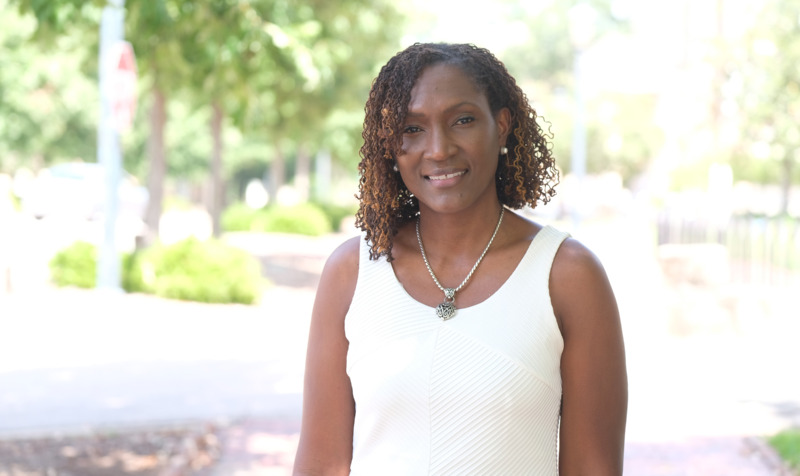
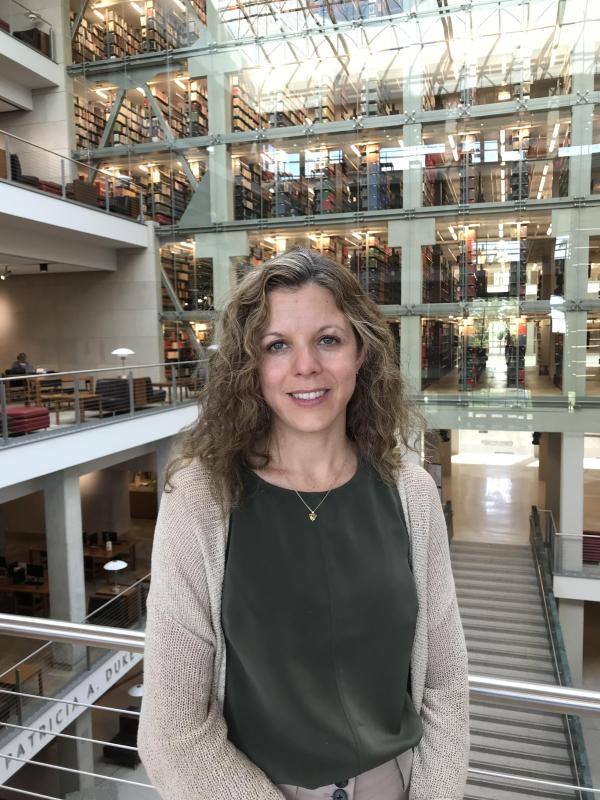
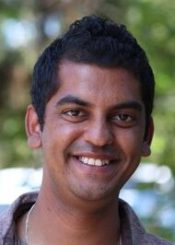
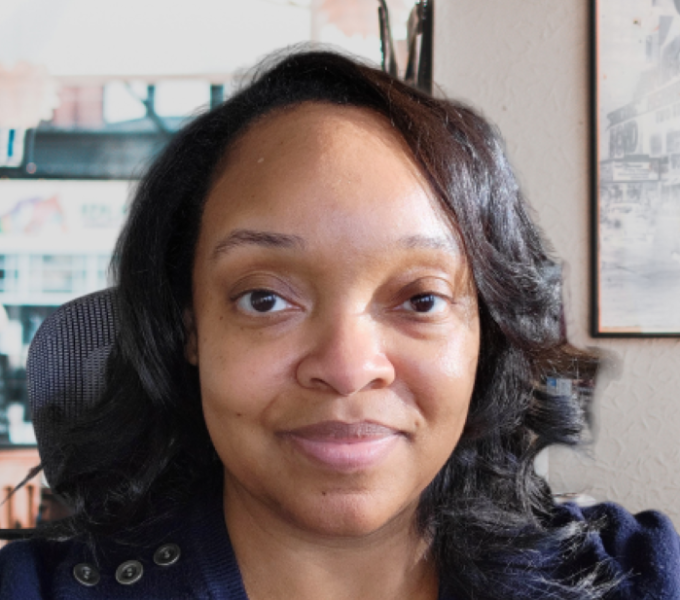
Prof. Magdalena Nowicka serves as an Honorary Professor at Humboldt University of Berlin's Institute of Social Sciences and leads the Integration Department at the DeZIM Institute. Her expertise spans transnational migration, social inequalities, and qualitative research methods. She holds a doctorate in sociology from Ludwig Maximilian University (2002-2005), with prior studies in political science (Warsaw University, 1996-1999) and cultural studies (Jagiellonian University, 1999-2001). Her research emphasizes cosmopolitanism, racism, and intersectionality. Notably, she led the ERC-funded TRANSFORmIG project (2013-2018) exploring multicultural habits among migrants. She contributes to journals like Journal of Ethnic and Migration Studies and advises organizations such as the German Sociological Association and Junge Akademie. Her recent work addresses Antislavic racism and transnational class dynamics. She has published extensively on multicultural settings and migration policy, blending empirical analysis with theoretical innovation.
Dr. Ángela Dorado-Otero is a Lecturer in Spanish & Latin American Studies at Queen Mary University of London, within the Department of Modern Languages and Cultures. Her research spans Iberian and Latin American Studies, with a focus on contemporary cultural memory, visual culture, dictatorship and conflict, subversive humor, gender/sexuality discourses, children’s literature in multicultural contexts, and graphic novels. She coordinates the Iberian and Latin American research seminar series and serves on the editorial board of the Hispanic Research Journal. Her work includes the 2014 monograph *Dialogic Aspects of the Cuban Novel of the 1990s* (Tamesis), analyzing post-Soviet Cuban literature’s challenges to national identity. She co-supervises PhD student Sara Torres Rodríguez de Castro on queer temporalities in Hispanic literature. Recent publications include analyses of Cuban women’s literature and gender representation. Dr. Dorado-Otero’s interdisciplinary approach addresses intersections of politics, culture, and identity in Latin America and Spain, with a strong focus on 20th/21st-century texts.
Karyn Ball is a Professor in the Department of English & Film Studies at the University of Alberta, Faculty of Arts. She holds a BA from Pomona College, two MAs (Creative Writing from Syracuse University and Comparative Studies from University of Minnesota), and a PhD from University of Minnesota. Recognized with prestigious fellowships including DAAD (1995-96) and Charlotte W. Newcombe Dissertation (1997), her research focuses on critical theory, continental philosophy, and cultural studies. Her work explores trauma studies, Holocaust representation, affect theory, and global animal studies, with notable contributions to journals like Cultural Critique and Law and Critique . Teaching interests include critical theory, psychoanalytic approaches to culture, Holocaust studies, and interdisciplinary discourse analysis. Courses span undergraduate offerings like English 101 and graduate seminars on topics such as 'Global Affects' and 'The Holocaust in History.' Ball's publications include edited volumes like Traumatizing Theory and Disciplining the Holocaust , and she has guest-edited special journal issues on 'Cultures of Finance' and 'The Global Animal.' Her scholarship critically engages thinkers like Freud, Derrida, Arendt, and Kafka, while addressing contemporary issues like neoliberalism's impact on cultural institutions. Recent research explores intersections of trauma theory, political economy, and posthumanism, with articles on topics like 'Toxic Sovereignty' and 'Death-Driven Futures.' Awards and fellowships reflect her impactful contributions to interdisciplinary humanities research.
Dionne Cross Francis is the Joseph R. Neikirk Term Professor at the UNC School of Education, affiliated with the Culture, Curriculum, and Teacher Education (CCTE) and Learning Sciences and Psychological Studies (LSPS) programs. Her work bridges mathematics education, educational psychology, and teacher education, focusing on contextual and teacher-specific factors influencing instructional practices and professional development design. Education: Ph.D., 2007 – University of Georgia, Educational Psychology M.A., 2004 – Wake Forest University, Education B.A., 1997 – University of West Indies, Mathematics Her research interests include teacher identity development, equity in STEM, holistic professional development, and the role of emotions in teaching. She explores how systemic and individual factors impact teacher effectiveness, particularly for marginalized educators and students. Recent publications emphasize culturally responsive teaching, digital simulations in teacher training, and intersectional identities in education. Her work highlights innovative methods like counterstorytelling to disrupt inequitable practices in educational psychology research. Labs/Teams: Active in the CCTE and LSPS programs, collaborating on initiatives such as equity-focused STEM curricula and teacher wellbeing interventions.
Katlin Marisol Sweeney-Romero is an Assistant Professor of Cinema and Digital Media at the University of California, Davis. She holds a PhD in English with a Film Studies specialization from The Ohio State University (2023), an M.A. from San Diego State University, and a B.A. from California State University San Marcos. Her research focuses on Latinx digital media representation, particularly how Latinas use platforms like TikTok and YouTube to create cultural content and engage in ethnoracial identity discourse. She is also actively involved in comics studies, examining queer Latina mental health narratives and pedagogical approaches to teaching Latinx comics. Education: PhD, The Ohio State University (2023); M.A., San Diego State University; B.A., California State University San Marcos Professional Roles: Co-Coordinator of Programming & Marketing for The Latinx Comic Arts Festival; Social Media/Web Head for Comics Studies Society’s Graduate Student Caucus; Editorial Board Member of Amatl Comix Her work critiques the 'Hollywood Latin Look' trope in digital spaces and explores how beauty trends like 'Copy and Paste Latina Makeup' both empower and constrain Latina visibility. Recent publications include chapters in TikTok Cultures in the U.S. and Latinx TV in the 21st Century , alongside co-editing a special issue on Latinx nonfiction in Prose Studies . Her upcoming projects analyze YouTube beauty gurus and queer Latina mental health in graphic novels like Blackbird . She frequently presents at academic conferences, including a 2025 talk on TikTok beauty trends at UC Davis’ WRRC library.
Shelley Streeby is a Professor of Ethnic Studies and Literature at the University of California, San Diego (UCSD), and former Director of the Clarion Science Fiction and Fantasy Writers’ Workshop (2010–2021). Her research focuses on speculative fiction, environmental humanities, and archival methods, particularly through the lens of Octavia E. Butler’s work. She is a leading scholar in Octavia E. Butler Studies, co-organizing the 2016 'Shaping Change' conference and advising the Octavia E. Butler Seeding Futures exhibit. Her books include *Imagining the Future of Climate Change* (2018) and *Radical Sensations* (2013), exploring intersections of activism, ecology, and speculative literature. Her research has been supported by the Mellon Foundation, ACLS, and the Huntington Library. She holds grants such as the Mellon-funded 'Speculative Environmental Futures' project and co-edited *Keywords for Comics Studies* (2021), which won a 2022 Choice Award. Awards include the Arthur C. Clarke Award (2013) and the SFRA Clareson Award (2023). Streeby’s work bridges academia and public humanities, co-curating projects like Clockshop’s 'Radio Imagination' series and participating in global discussions on Butler’s legacy. She explores climate justice, Indigenous futurisms, and feminist ecologies, emphasizing archives as sites of world-making.
Elizabeth Loentz is an Associate Professor and Associate Director of the School of Literatures, Cultural Studies and Linguistics (LCSL) at the University of Illinois Chicago. She holds a PhD from Ohio State University and dual MA/BA degrees from the University of Pennsylvania. Her research focuses on German-Jewish Studies, Yiddish culture, transnational literature, and the First German Women's Movement, with a chronological emphasis from the late 19th to 21st centuries. Her major works include Let Me Continue to Speak the Truth: Bertha Pappenheim as Author and Activist (2007) and numerous articles on figures like Bertha Pappenheim and Clementine Krämer. She has edited special journal issues on feminism in German studies and Austrian studies, and co-edited collections on Yiddish culture. Loentz has received notable recognition including a 2022 Holocaust Education Fellowship, a Fulbright award (2013), and a UIC Teaching Excellence Award (2009-2010). Her editorial leadership includes roles as Book Review Editor for The German Quarterly (2016-2021) and co-editor of the Amsterdamer Beiträge zur neueren Germanistik book series. Her scholarship bridges literary analysis with cultural history, addressing themes of migration, gender, and minority representation. Current research continues exploring intersections of Jewish identity, feminist theory, and transnational cultural production.
Associate Professor Nadeem Memon is affiliated with the University of South Australia (UniSA) and leads the Centre for Islamic Thought and Education (CITE) within UniSA Education Futures. He specializes in Islamic Pedagogy, culturally responsive schooling, and teacher education, focusing on bridging faith-based principles with contemporary educational practices. His work includes designing the first global online graduate program for Islamic school educators and leading an ARC Discovery Grant on Culturally Responsive Schooling (2022–2025). Memon’s research emphasizes holistic education frameworks rooted in Islamic teachings, addressing challenges in superdiverse classrooms and educator affective development. He collaborates internationally, contributing to initiatives in Australia, the UAE, and North America. Education Background: Memon holds a doctoral degree in Education, though specific details are not provided. His professional roles include curriculum advisor for Islamic education programs and co-editor of influential publications like Culturally Responsive Pedagogy and Wellbeing in Islamic Schools . He supervises research degrees and advocates for pedagogies that integrate religious identities as assets for learning. Research Interests: Memon’s work spans Islamic schooling philosophy, faith-informed curricula, and educator professional development. He explores how religious principles (e.g., ʿāfiyah) can foster holistic student wellbeing and address systemic inequities. His recent projects include studies on UAE educator practices and Muslim learner inclusion in Australian public schools. Grants & Collaborations: As a Chief Investigator on ARC grants, he focuses on culturally responsive schooling. Collaborations include partnerships with Zayed University, Niagara University, and the International Institute of Islamic Thought. His edited volumes address global Islamic education challenges, teacher training, and curricular renewal. Labs/Teams: Memon directs CITE, a hub for Islamic education research and innovation. He co-leads the Islamic Schooling Conference series and contributes to teacher education programs like the Graduate Certificate in Islamic Education.
Johanna Sellman is an Associate Professor in the Department of Near Eastern Languages, Literatures, and Cultures at The Ohio State University. Her work focuses on contemporary Arabic and francophone literature, migration narratives, translation studies, gender studies, and ecocriticism. She holds an MA in Middle Eastern Studies and a PhD in Comparative Literature from The University of Texas at Austin. Her research examines themes of forced migration, border politics, and diaspora identity in Arabic literature. Her 2022 monograph Arabic Exile Literature in Europe analyzes post-1990s Arabic narratives of migration to Europe, exploring speculative literary forms that challenge traditional notions of citizenship and mobility. Current projects include translating Arabic critical theory into English and studying ecocritical dimensions in migration literature. Teaching specialties include Arabic literature, comparative literature, gender studies in Arab cultures, and translation methodologies. Her pedagogical approach emphasizes inclusive, intercultural learning environments. She has published widely in journals like Journal of Arabic Literature and Journal of Postcolonial Writing , with notable articles on diasporic poetry, Nordic-Arab migrant theater, and post-Soviet exile aesthetics. Professional activities include serving on editorial boards for Arabic literary journals and co-organizing conferences on Mediterranean migration narratives. Her work bridges literary analysis with contemporary global issues like climate migration and gendered displacement.
Emmanuel Bruno Jean-François is an Associate Professor of French and Francophone Studies and Comparative Literature at the Pennsylvania State University, where he also serves as Director of Graduate Studies. His academic journey includes a PhD from the University of Mauritius (2012), prior roles as a lecturer at the Mauritius Institute of Education, and a Mellon Fellowship at UCLA (2013-2014). His research focuses on Francophone studies, Indian Ocean studies, cultural and ethnic dynamics, postcolonial violence, migration, and creolization. Current projects explore contemporary Indian Ocean literary cultures and ‘New Thalassology’ frameworks. His work bridges postcolonial theory, oceanic studies, and global comparative perspectives. Notable publications include Poétiques de la violence et récits francophones contemporains (2017) and co-edited volumes on Indian Ocean literatures and island studies. His articles analyze themes like colonial legacies, transoceanic empathy, and minoritarian geographies. Awardees of the Liberal Arts Outstanding Associate Professor Award (2021) and the Marian Trygve Freed Early Career Professorship (2016-2019), he has received recognition from both academic and governmental institutions including the French Republic’s Palmes académiques (2016). His scholarship integrates critical theory with interdisciplinary methodologies.
Daphne A. Henry is an Assistant Professor at the University of Pittsburgh, specializing in child development and educational equity. Her research focuses on intersections of race/ethnicity, socioeconomic status (SES), and family dynamics on children’s academic and socioemotional outcomes. She employs mixed-methods approaches, including large-scale data analysis and qualitative studies. Henry’s work emphasizes policy-relevant insights into reducing disparities in early development and long-term well-being. Her education includes a Ph.D. from the University of Pittsburgh. She has received prestigious awards such as the National Academy of Education/Spencer Foundation Postdoctoral Fellowship (2022) and the NSF Graduate Research Fellowship (2012–2015). Her lab investigates topics like parental beliefs, structural inequities, and resilience during crises like the COVID-19 pandemic. Key Research Areas: Racial inequities in education, family resilience, and SES disparities in child development Methodological Toolkit: Statistical analysis, qualitative data, mixed-methods Henry’s recent work explores how socioeconomic and racial factors shape academic achievement gaps and the role of parental practices in mitigating risks. She has published extensively on topics like racial stereotypes, critical consciousness, and family well-being during crises. Awards: Over six major fellowships and awards spanning 2012–2022 Grants: Not explicitly listed but implied through research focus She advises graduate students and is affiliated with the Learning Research and Development Center (LRDC) at the University of Pittsburgh.
Robinson, L. is a senior academic in the Department of Library and Information Science at City, University of London, contributing extensively to research in information behavior, information literacy, and the philosophy of information. Their work frequently collaborates with Professor David Bawden and engages with theoretical frameworks such as Luciano Floridi’s Philosophy of Information. They are actively involved in international research communities, presenting at major conferences such as CoLIS, ISKO, and ECIL. Robinson's research interests center on the evolving nature of information in digital environments. Key areas include information privacy , information literacy in multicultural and multilingual contexts , knowledge organization (particularly in music and opera) , and the impact of digital technologies on information behavior . Their work explores how individuals and communities interact with information in online spaces, including fan communities and social networking services. The recent publications demonstrate a strong trend toward theoretical integration, applying philosophical concepts to practical LIS problems. There is a significant focus on information privacy and ethics , the infosphere , and models of understanding . Additionally, a unique strand of research examines the classification of music and cultural artifacts , bridging information science with musicology and cultural heritage. While no specific awards are listed in the provided text, the volume and quality of publications in top-tier journals such as the Journal of the Association for Information Science and Technology , Journal of Documentation , and Information Research , along with contributions to major encyclopedias, indicate significant scholarly recognition. Robinson has been involved in numerous collaborative research projects, often focusing on the evaluation of information services, the development of information literacy programs, and the theoretical foundations of LIS. Their work on the Monty Hyams Archive and the CityLIS data librarian role highlights an engagement with information history and education. They have also contributed to the discourse on open access and scholarly communication. Robinson, L. is a key figure in the CityLIS research group, contributing to its international profile through publications, conference participation, and collaborative projects on information literacy, knowledge organization, and the philosophy of information.
Dr. Carlo Bonura is a Senior Lecturer in Southeast Asian Politics and Deputy Dean of Learning and Teaching at SOAS University of London, affiliated with the Department of Politics and International Studies and the College of Law, Anthropology and Politics. He holds a PhD in Political Science from the University of Washington. His research focuses on comparative political thought, contemporary Islamic thought in Southeast Asia, and the politics of Thailand and Malaysia. He is currently working on a book manuscript, Logics of Comparison: the Conceptualization of Islamic Civil Society and Comparative Political Thought , examining how Southeast Asian Islamic thought engages with European civil society theories and secularism debates. His parallel work addresses political violence in southern Thailand's Malay Muslim communities. Dr. Bonura’s academic roles include supervising PhD students researching topics such as Hong Kong’s 2014 protests, Thai populism, and pro-Thaksin political parties. His interdisciplinary approach bridges political theory, cultural studies, and area studies. He previously served as a Luce Assistant Professor at the University of Puget Sound (2003–2008) and a research associate at the University of Oxford’s Comparative Political Thought Project (2008–2011). Key research themes include the intersections of religion and politics, postcolonial state formations, and the methodological challenges of comparative political analysis. His work critiques geopolitical discourses and explores how marginalized communities negotiate identity and power in contested regions like southern Thailand.
Stefano Barone is a Lecturer in Sociology at the University of Central Lancashire's School of Psychology and Humanities. His research focuses on youth cultures and popular music in post-revolutionary Tunisia, with a particular emphasis on rap, metal, and electro scenes. He has authored a monograph ( Metal, Rap, and Electro in post-revolutionary Tunisia: A Fragile Underground , 2019) and contributed to peer-reviewed journals such as Journal of Youth Studies and Popular Music and Society . His work examines how music genres shape identity, politics, and urban spaces in North African contexts. Barone also explores migration themes, as seen in his 2025 chapter on South-Italian youth in North-West England. PhD in Sociology (implied by academic position) Teaches sociology courses and supervises postgraduate projects Research interests include global metal scenes, rap's political economy in Tunisia, and the intersection of music with revolutionary movements. His publications span French, English, and interdisciplinary perspectives, reflecting his commitment to cross-cultural analysis.
Mark Orbe is a faculty member at Western Michigan University, serving as the Faculty Lead for the Kalamazoo Promise Scholars Program within the Office of Diversity and Inclusion. He is affiliated with the School of Communication, where he contributes to academic and diversity initiatives focused on equity in higher education. His work centers on diversity, inclusion, and intercultural communication, particularly in educational contexts. Dr. Orbe's research interests include race, ethnicity, and identity in communication, with a strong commitment to fostering inclusive campus environments. While no recent publications are listed in the provided text, his professional focus appears to be on applied diversity initiatives, student support programs, and communication equity in academic settings. He has not been publicly recognized with scientific awards in the provided information. Mark Orbe advises students through leadership in the Kalamazoo Promise Scholars Program, contributing to mentoring and academic success initiatives. He is involved in university-wide diversity training, programming, and policy development through the Office of Diversity and Inclusion. He is actively engaged with the Multicultural Affairs for Students, the University Diversity Committee, and the Diversity Tones podcast, contributing to campus climate improvement and inclusive programming.