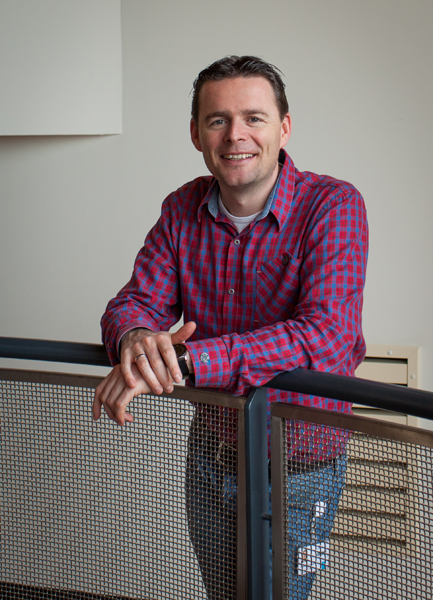
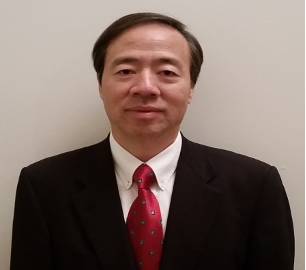
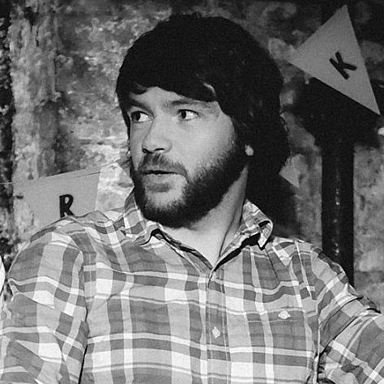
Dmitry Velmeshev is an Assistant Professor in the Departments of Neurobiology and Biomedical Engineering at Duke University. He focuses on understanding human brain development and neurodevelopmental diseases at the single-cell level, particularly autism. His work integrates genomics, proteomics, and molecular biology to dissect genetic programs and neuronal circuitry. Ph.D., University of Miami (2016) Research interests include neurodevelopmental disorders, single-cell genomics, and molecular mechanisms of autism. Recent studies explore SARS-CoV-2 tropism for astrocytes, LRRK2 kinase activity in Parkinson’s disease, and glial roles in neurodegeneration. His lab employs transcriptomic and proteomic approaches to identify phenotypic modifiers in disease models. Selected publications highlight applications of single-cell analysis in autism and multiple sclerosis, proteomic mapping in neurodevelopmental models, and inflammation in neurodegenerative disease. No scientific awards or student advisees are mentioned in the provided text. He teaches courses such as NEUROSCI 494, NEUROSCI 493, NEUROBIO 790S, NEUROBIO 735, CMB 710F, and CMB 710E at Duke University.
Benjamin Korman, M.D. is an Associate Professor in the Department of Medicine, Allergy/Immunology and Rheumatology at the University of Rochester School of Medicine and Dentistry. He is a practicing rheumatologist specializing in scleroderma and related autoimmune connective tissue diseases, providing interdisciplinary care for patients with complex manifestations including skin fibrosis, vascular disease, and organ involvement. Dr. Korman's clinical expertise focuses on: Diagnosis and management of scleroderma (systemic sclerosis) Autoimmune connective tissue diseases Interdisciplinary care for skin fibrosis and thickening Vascular disease including Raynaud's phenomenon Gastrointestinal issues related to autoimmune conditions Lung disease including interstitial lung disease and pulmonary hypertension His research program, the Korman Lab, investigates the cellular and molecular mechanisms underlying fibrosis and vascular disease in scleroderma. The lab utilizes experimental models, patient samples, and translational approaches to understand the relationship between adipose cells, blood vessels, and fibroblasts. Current research focuses on: Pulmonary hypertension in scleroderma Skin fibrosis mechanisms The role of TNF signaling in vascular pathology Biomarker discovery for disease severity and progression Novel therapeutic approaches targeting fibrosis pathways Dr. Korman has published extensively on scleroderma, with recent work focusing on TNF-mediated pulmonary hypertension, complement factors as biomarkers, and the role of adipokines in fibrosis. His research has contributed significantly to understanding disease heterogeneity and developing personalized treatment approaches for patients with scleroderma. His scientific contributions include: Development of novel mouse models of scleroderma-associated pulmonary hypertension Identification of biomarkers for scleroderma disease severity Studies on the role of adipose tissue in fibrosis development Investigations into the cellular mechanisms of vascular remodeling Dr. Korman is actively involved in mentoring and training the next generation of rheumatology researchers and clinicians. He leads a multidisciplinary research team investigating the pathogenesis of scleroderma and related conditions, with a focus on translating basic science discoveries into clinical applications for improved patient care.
Dr. Fen Long is a Researcher affiliated with the Professorship for Translational Nutrition Biology at ETH Zürich. Their work focuses on metabolic disorders, nutritional physiology, and molecular mechanisms underlying metabolic diseases. Key research interests include histone modifications, inflammation, and their roles in cardiovascular and metabolic pathologies. Dr. Long’s research integrates genomic approaches (e.g., single-nucleus transcriptomics) with biochemical studies to dissect mechanisms of obesity, insulin resistance, and vascular dysfunction. Recent studies highlight their expertise in epigenetic regulators like JMJD3 and SMYD3, linking histone modifications to fibrosis, inflammation, and autoimmune responses. They also investigate dietary interventions (e.g., low-carbohydrate diets) and pharmacological targets (e.g., histone methyltransferase inhibitors) in metabolic and cardiovascular contexts. Publications span metabolic signaling (e.g., glucagon, cAMP/PKA pathways), lipid metabolism (ATGL regulation), and cellular stress responses (unfolded protein response). Their work bridges basic molecular mechanisms to translational applications in therapies for metabolic-associated fatty liver disease, rheumatoid arthritis, and post-myocardial infarction recovery. No scientific awards or current advising roles are explicitly listed. Their research is conducted within the Translational Nutrition Biology group at ETH Zürich, leveraging interdisciplinary collaborations in systems biology and clinical translation.
Michiel Vermeulen is a Full Professor in Proteomics and Chromatin Biology at the Department of Molecular Biology, Radboud University Nijmegen, Netherlands. He previously held positions as Associate and Assistant Professor at University Medical Center Utrecht (2009-2014) and completed postdoctoral work at Max Planck Institute for Biochemistry (2005-2009) and a PhD at Radboud University (2000-2005). His research focuses on integrative omics approaches to study gene expression regulation in development and disease, particularly through chromatin interactions and post-translational modifications. Education: PhD in Molecular Biology, Radboud University Nijmegen (2000-2005) Postdoc in Proteomics & Signal Transduction, Max Planck Institute Munich (2005-2009) His work pioneers quantitative mass spectrometry technologies to analyze chromatin-associated proteins, including m6A RNA modifications and ubiquitin signaling. He has published 97 papers and received multiple accolades, including ERC Starting and Consolidator Grants, a VIDI award, and membership in the Oncode Institute. His lab leads collaborative studies on chromatin readers, DNA damage response, and transcriptional regulation. Scientific Awards: ERC Consolidator Grant (2017) ERC Starting Grant (2012) Vernieuwingsimpuls VIDI award (2009) Max Planck Institute Junior Research Award (2008) Van Nieuwenhoven Award for Best Master Student (2000) Oncode Institute Founding Member (2017) Vermeulen's lab collaborates internationally and mentors 6 PhD students, 6 postdocs, and technicians, emphasizing high-impact interdisciplinary research in chromatin biology and systems-level gene regulation.
Craig B. Wilen, MD, PhD, serves as an Associate Professor in both Laboratory Medicine and Immunobiology at Yale School of Medicine. He holds dual appointments as Associate Professor of Laboratory Medicine (primary tenure) and Associate Professor on Term in Immunobiology. Dr. Wilen also serves as Medical Director of the Immune Monitoring Core Facility and is affiliated with multiple Yale research centers including the Center for Infection and Immunity, Center for RNA Science and Medicine, Human and Translational Immunology Program, and Yale Cancer Center. Dr. Wilen's educational background includes an AB in Biology and Economics from Washington University in St. Louis (2006), followed by combined MD/PhD training at the University of Pennsylvania Perelman School of Medicine (PhD 2011, MD 2013). He completed residency training in Clinical Pathology at Barnes-Jewish Hospital in St. Louis (2016) and conducted postdoctoral studies in the laboratory of Herbert 'Skip' Virgin at Washington University School of Medicine. His research focuses on host-pathogen interactions of RNA viruses, particularly coronavirus and norovirus. Dr. Wilen discovered CD300lf as the first receptor for norovirus and identified intestinal tuft cells as the physiologic target cell for mouse norovirus infection. Current work in the Wilen Lab investigates mechanisms of immunity and pathogenesis for noroviruses, coronaviruses, and pre-emergent viruses with pandemic potential. His research employs cutting-edge approaches including genome-wide CRISPR screens, animal models, and human tissue studies to understand viral entry, immune evasion, and pathogenesis. Analysis of Dr. Wilen's recent publications (2023-2025) reveals consistent focus on viral pathogenesis mechanisms across multiple RNA virus families. His work bridges basic virology with translational applications, examining viral receptors, host immune responses, and potential therapeutic interventions. The publications demonstrate strong collaborative networks across Yale and with external institutions, particularly in the areas of norovirus persistence mechanisms and coronavirus host interactions. Young Faculty Award 2024 from DARPA Odyssey Award 2023 & 2022 from Smith Family Foundation Young Physician-Scientist Award 2021 from American Society for Clinical Investigation Robert E. Leet and Clara Guthrie Patterson Trust Mentored Research Award 2020 Dr. Wilen leads an active research program through the Wilen Lab at Yale School of Medicine, where his team investigates viral pathogenesis and immunity. As Medical Director of the Immune Monitoring Core Facility, he oversees critical infrastructure for immunological research at Yale. His laboratory maintains strong connections with clinical departments while pursuing fundamental questions about how viruses interact with host cells and immune systems. The lab's work has significant implications for developing improved diagnostics, therapeutics, and vaccines for viral diseases.
Jesmond Dalli is Professor in Molecular Pharmacology at the William Harvey Research Institute , part of Queen Mary University of London , where he has served as Lipid Mediator Unit Director since 2015. His research focuses on lipid mediator biology , particularly specialized pro-resolving mediators (SPMs) in inflammation, with applications spanning cardiovascular disease , arthritis , neuroinflammation , and HIV . Education : PhD in Biochemical Pharmacology (2005-2009), Queen Mary University of London His work systematically explores pro-resolving pharmacology across acute and chronic inflammation models, including diabetes , obesity , and traumatic brain injury . Articles demonstrate expertise in LC-MS/MS lipid mediator profiling , immune cell metabolism , and translational immunology . Scientific Awards : Sir Henry Dale Fellowship (Royal Society & Wellcome Trust) As Lipid Mediator Unit Director , he leads multidisciplinary studies integrating mass spectrometry platforms , cellular models , and animal models to dissect lipid mediator pathways in disease contexts.
Nancy Du is an Associate Professor of Pathology and Laboratory Medicine at Weill Cornell Medical College specializing in cancer metastasis mechanisms. She holds the Mildred L. and John F. Rasweiler Research Scholar in Cancer Research title and maintains active collaborations with Northwell Health through professional services. B.S., National Tsing Hua University (Taiwan) Ph.D., State University of New York at Stony Brook Her research focuses on: Bcl-xL's non-apoptotic role in metastasis RHAMM isoform B in pancreatic cancer progression Carbon monoxide-based anti-metastatic therapies MicroRNA regulation of tumor suppressors Epigenetic mechanisms in oncogenesis Tumor microenvironment interactions Publications (2024-2019) highlight advancements in: Murine cancer models Epigenetic metastatic drivers Nanotherapy approaches T cell infiltration in tumors miRNA-dysregulated pathways Bcl-xL mutation analysis Scientific honors include: Mildred L. and John F. Rasweiler Research Scholar in Cancer Research Current grants (2024-2027): DoD: Bcl-xL in breast cancer metastasis Manhasset Women's Coalition: CO-based breast cancer prevention NCI: RHAMM B in pancreatic cancer metastasis
Professor Mikael Simons is a distinguished neuroscientist and W3-Professor of Molecular Neurobiology at the Technical University Munich (TUM), where he serves as Director of the Institute of Neuronal Cell Biology (TUM-NCB). He is also affiliated with the German Center for Neurodegenerative Diseases (DZNE) in Munich and the Institute for Stroke and Dementia Research (ISD). His laboratory focuses on understanding the biology of glial cells and their interactions with neurons in both health and disease. Dr. Simons received his medical degree from the University of Heidelberg in 1997, where he completed his MD thesis at the Centre for Molecular Biology Heidelberg (ZMBH) with 'summa cum laude' honors. After completing his residency in Neurology at the University of Tübingen, he pursued post-doctoral studies at the Institute for Neurobiology, University of Heidelberg. He became a specialist in Neurology in 2004 and completed his Habilitation in Neurology at the University of Tübingen in 2005. His research program spans several interconnected areas of neuroscience. A primary focus is on oligodendrocytes and myelin, particularly investigating the mechanisms of myelin formation and regeneration following injury, which is highly relevant to multiple sclerosis. Another major focus is on microglia and their functions in homeostasis, aging, and disease, with particular interest in neuroinflammation mechanisms and how immune cells damage or restore nervous system function. His lab also studies the role of lipoproteins in development, regeneration, aging, and neurodegeneration within the central nervous system. Dr. Simons' laboratory employs a multidisciplinary approach combining mouse models, zebrafish, and iPSC-derived human cell systems with advanced techniques including genetics, single-cell genomics, proteomics, lipidomics, CRISPR/Cas9 gene editing, and high-resolution imaging. His team has made significant contributions to understanding myelin biogenesis, white matter aging, and the interplay between lipid metabolism and neuroinflammation. Current Positions: W3-Professor and Director, Institute of Neuronal Cell Biology, TU Munich & DZNE/Munich (2016-present) Head of Clinical Research & Clinical Trial Unit Munich at DZNE/Munich (2020-present) Scientific Awards and Honors: EMBO Young Investigator Award (2008) ERC Starting Grant (2008) ERC Consolidator Grant (2014) ERC Advanced Grant (2020) German National Academy of Sciences Leopoldina member (2023) Dr. Simons has mentored numerous graduate students and postdoctoral fellows, contributing significantly to neuroscience education and training. His laboratory is part of a vibrant research ecosystem including the Munich Excellence-Cluster for Systems Neurology (SyNergy), where he serves on the board and co-heads the electron microscopy hub. He also plays a key role in the Collaborative Research Centre 274 as its speaker and co-head of the single-cell genomics hub. The work from Dr. Simons' laboratory has important implications for understanding and treating neurodegenerative diseases, particularly those involving myelin damage such as multiple sclerosis, as well as age-related cognitive decline and dementia. His research bridges basic science with potential clinical applications, aiming to develop regenerative medicines for the nervous system.
Professor Jonathon Pines is the Chris Marshall Chair of Cell Biology at The Institute of Cancer Research (ICR), University of London, and serves as Head of the Division of Cancer Biology. Since moving to ICR in 2015, he has led a research programme focused on understanding how cells divide and how the machinery controlling mitosis is regulated in space and time. Education & Career: PhD under Sir Tim Hunt—first to clone cyclin B, a key regulator of mitosis. Postdoctoral training at the Salk Institute in Tony Hunter’s lab—cloned first human cyclins A and B1 and initiated studies on cell-cycle protein interactions. Established independent laboratory at the Gurdon Institute, University of Cambridge, pioneering live-cell imaging of fluorescent protein dynamics to study cell-cycle regulation. Research Focus: His group investigates the spatial and temporal control of mitosis, with particular emphasis on the spindle assembly checkpoint, APC/C ubiquitin ligase, cyclin degradation, and the maintenance of genomic stability. Recent work explores how spatial positioning of APC/C and cyclin B1 on mitotic chromosomes ensures timely proteolysis and accurate chromosome segregation. Scientific Recognition: Elected Fellow of the Royal Society (2016) for outstanding contributions to cell-cycle research. Funding & Collaborations: His research has been supported by major grants and extensive national and international collaborations, reflected in co-authored studies across proteomics, structural biology, and live-cell imaging. Laboratory & Team: The Pines laboratory, located in Chelsea, London, integrates advanced microscopy, biochemical reconstitution, and quantitative proteomics to dissect the molecular choreography of mitosis and its implications for cancer biology.
Carla R. Scanzello, MD, PhD, is an Associate Professor of Medicine (Rheumatology) at the University of Pennsylvania's Perelman School of Medicine. She holds affiliations with the Penn Institute for Immunology, Penn Center for Musculoskeletal Disorders, and Penn Institute for Translational Medicine and Therapeutics. Additionally, she serves as a Staff Physician at the Corporal Michael J. Cresenz VA Medical Center, where she co-directs the Translational Musculoskeletal Research Center and is Associate Director of the VA RR&D CReATE Motion Center. Education: B.S. in Biochemistry, University of Delaware (1991) Ph.D. in Immunology & Microbiology, Temple University School of Medicine (2001) M.D., Temple University School of Medicine (2001) Her research expertise centers on synovial inflammation in osteoarthritis (OA) and post-traumatic joint injury. She investigates molecular pathways like Toll-like receptors and chemokine signaling, aiming to develop anti-inflammatory therapies. Her work bridges clinical observations with preclinical models to understand how immune activation drives pain and structural degeneration. Recent publications (2023-2025) focus on CD14's role in OA pain and bone remodeling, novel therapeutic targets (e.g., RHO/ROCK pathway), advanced imaging techniques for synovial analysis, and translational challenges in OA drug development. Key themes include neuroimmune interactions, mechanobiology, and standardization of disease models. Laboratory & Teams: Dr. Scanzello leads the Scanzello Laboratory for Osteoarthritis Research, emphasizing bedside-to-bench approaches. She collaborates with multidisciplinary teams at Penn and the VA to explore immune mechanisms in joint degeneration. Current projects include defining synovial macrophage diversity, CD14 inhibition strategies, and vascular interactions in joint injury. The lab actively recruits postdoctoral fellows and research assistants to advance these initiatives.
Professor Colin Akerman is a Governing Body Fellow at the University of Oxford and leads a neuroscience research group within the Department of Pharmacology. His work focuses on synaptic connections, activity-dependent processes, and their role in neurological disorders like epilepsy and dementia. He teaches undergraduate preclinical Medicine and graduate courses in Pharmacology and Neuroscience, and tutors at Corpus Christi College.
D. Matthew Wachowiak is a Professor in the Department of Neurobiology at the University of Utah School of Medicine, where he serves as Principal Investigator of the Wachowiak Lab. His research focuses on understanding how neural circuits transform sensory representations, with particular interest in how animals actively acquire sensory information to guide behavior. He uses the mouse olfactory system as a powerful model to analyze sensory representations and investigate how the dynamics of neural circuits process incoming information to guide behavior and shape perception. Dr. Wachowiak's educational background includes: PhD from University of Florida Postdoctoral Fellowship at Yale University School of Medicine Multiple Fellowships at Marine Biological Laboratory BS from Duke University His research program centers on four interconnected areas: (1) Olfaction as an Active Sense, investigating how sniffing shapes odor representations; (2) Cracking the Olfactory Code, analyzing how odor information is represented across the olfactory bulb; (3) Organization of Inhibition in the Olfactory Bulb, studying how synaptic inhibition shapes odor processing; and (4) Top-down Modulation of Olfactory Processing, examining how neuromodulatory pathways affect early olfactory processing. His lab employs optical reporters of neural activity targeted to genetically-defined neuron populations, two-photon imaging in awake behaving animals, and custom olfactometers for precise odor delivery. Dr. Wachowiak's publication record demonstrates consistent contributions to understanding the neural basis of olfaction, with recent work focusing on how sniffing parameters affect odor representations, mitral/tufted cell processing, and olfactory bulb inhibition. His lab has developed innovative tools including high-throughput olfactometers and functional atlases of odorant responses, contributing significantly to the field's methodological toolkit. His research has received substantial funding including: NSF Neuronex Award under the BRAIN Initiative as part of the 'Odor2Action' network NSF IDEASLab funding As a mentor, Dr. Wachowiak has guided numerous students and postdoctoral fellows who have established independent research programs at institutions including Yale University, Rutgers University, University of Florida, and University of Magdeburg. His lab continues to recruit graduate students through the University of Utah's Interdepartmental Program in Neuroscience and welcomes postdoctoral researchers interested in olfactory neuroscience. The Wachowiak Lab maintains state-of-the-art facilities for in vivo imaging, including widefield and high-resolution two-photon microscopy systems, custom olfactometers, and behavioral setups combining odor presentation with locomotion tracking. They actively collaborate with researchers across the US, UK, and Canada through the 'Odor2Action' project, which addresses how high-dimensional sensory variables are represented in brain circuits and mapped to actions.
Tianxin Yang is a Professor of Nephrology & Hypertension and Adjunct Professor of Nutrition and Integrative Physiology at the University of Utah School of Medicine. His research focuses on hypertension, kidney disease, and metabolic disorders with an emphasis on (pro)renin receptor signaling, lipid mediators, and distal nephron function. Ph.D., Tokyo Medical and Dental University Yang's work has defined the role of the COX-2/mPGES-1/PGE2 pathway and PPAR gamma in renal health, and his recent studies demonstrate PRR's critical role in urinary Na + and water excretion. Overactivation of PRR contributes to hypertension and chronic kidney disease via enhanced intrarenal RAS and ENaC expression. Analysis of Yang's 15 most recent articles reveals trends in renal physiology , hypertension mechanisms , and translational approaches to metabolic syndrome. Key sub-fields include PRR cleavage , ENaC regulation , vasopressin signaling , oxidative stress , lipid-nephron interaction , and therapeutic targeting of RAS . Yang's laboratory employs Conditional gene targeting Radiotelemetry Cell culture Mouse renal physiology Drug library screening to develop novel treatments for kidney and cardiovascular diseases.
Laura Cools is a PhD candidate and Researcher at the Faculty of Medicine and Pharmacy , Vrije Universiteit Brussel, affiliated with the Basic Biomedical Sciences department. Her work focuses on liver disease modeling using advanced cellular technologies. Research interests center on Liver fibrosis mechanisms iPSC-derived spheroid systems Non-alcoholic fatty liver disease (NAFLD/NASH) Hepatic stellate cell biology 3D in vitro tissue engineering Scientific achievements include the Best video award at the IC3Rs symposium (2022) Laura actively collaborates with international teams on liver disease models, as evidenced by her presentations at conferences (2021-2024). Her research emphasizes the development of human and mouse-derived spheroid systems for fibrosis and metabolic disease studies.
Dr. Joseph Colgan is an Assistant Professor and Group Leader at the Institute of Organismic and Molecular Evolution at Johannes Gutenberg-Universität Mainz, Germany. His research group focuses on ecological and evolutionary genomics of social insects, particularly bumblebees and mason bees, using integrative approaches combining behavioral, molecular, genomic, immunological, and computational techniques. Dr. Colgan's educational background includes: PhD in Zoology from University of Dublin, Trinity College (2008-2014) MSc in Immunology and Global Health from Maynooth University (2007-2008) BSc in Zoology from University College Dublin (2003-2007) Postgraduate Certificate in Teaching & Learning in Higher Education from University College Cork (2018-2019) His research program centers on three interconnected themes. His work on phenotypic plasticity examines how single genotypes produce multiple phenotypes in social insects, particularly focusing on the genomic architecture underlying caste differentiation. In ecological and evolutionary genomics, he investigates how pollinators respond to environmental challenges including habitat loss, pesticide exposure, and climate change, with recent work applying population genomics to assess genetic diversity in wild bee populations. His immunogenomics research explores host-parasite interactions, examining molecular mechanisms of immune responses to pathogens and environmental stressors, with particular focus on how mating, diapause, and nematode infections alter immune gene expression in bumblebees. Analysis of Dr. Colgan's publication record reveals a consistent focus on insect genomics with increasing specialization in social insect systems. His early work included salmonid genomics, but his research has increasingly concentrated on bumblebees and other pollinators, with a growing emphasis on pesticide impacts, immune system evolution, and evolutionary adaptations. His recent publications demonstrate sophisticated integration of genomic, transcriptomic, and proteomic approaches to address fundamental questions in evolutionary biology and pressing concerns in pollinator conservation. Dr. Colgan supervises a diverse research team including six PhD students (Jannik Möllmann, Max Bolder, Hongfei Xu, Safira Moog, Dean Hodapp, and Eva Baumgarten), four Master's students, and multiple Bachelor's students. His group actively pursues projects in population and comparative genomics of wild bees, evolution of dormant phenotypes, signatures of sexual antagonism, queen specialization in social insects, insect immune system evolution, and genomic approaches to bee conservation. The research group maintains strong international collaborations, particularly with institutions in Ireland and the UK where Dr. Colgan previously conducted postdoctoral research.