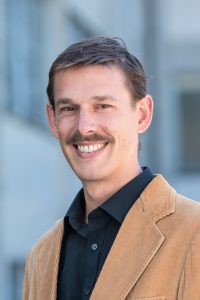
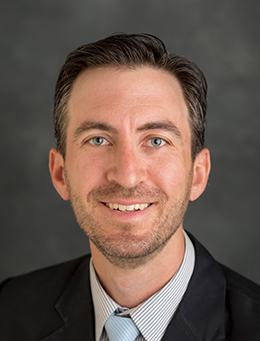
Dr. Alex Bigazzi is an Associate Professor and Associate Head (Undergraduate Program) in the Department of Civil Engineering at the University of British Columbia (UBC), with a joint appointment in the School of Community and Regional Planning. He leads the REACT Lab, focusing on active transportation, micromobility, and sustainable infrastructure design. His research emphasizes the intersection of physics, physiology, and behavior in active travel, particularly for pedestrians and cyclists, and addresses emissions reduction and equitable urban mobility. Bigazzi holds a B.M. in Jazz Saxophone from the University of Miami and a Ph.D. in Civil Engineering from Portland State University. His career includes academic and practical contributions, such as founding the REACT Lab and leading projects on e-bike incentives, air pollution exposure, and infrastructure design. His work has earned awards like the 2024 Wall Legacy Award for inclusive transport design and the 2023 Climate Action Award. He teaches courses on pedestrian/bicycle facility design and capstone projects, mentoring students through UBC’s Civil Engineering programs.
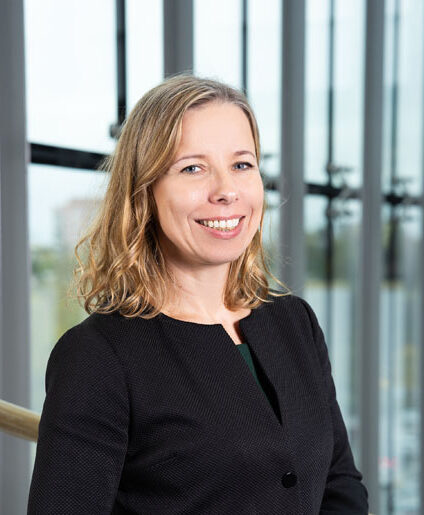
Shauna Brail is Professor and Director at the Institute for Management & Innovation, University of Toronto Mississauga, with cross-appointments at the Munk School of Global Affairs & Public Policy. As an economic geographer and urban planner, her research examines urban transformation through economic, social, and technological change, particularly focusing on platform economy impacts, mobility innovation, and governance shifts in 21st-century cities. Education: PhD in Geography (University of Toronto), MA in Urban Planning (University of British Columbia), BA in Urban Studies/Geography (University of Toronto). Leadership Roles: Former Associate Director of Mobility Network, Director of Urban Studies Program, Associate Director of Partnerships & Outreach at School of Cities, and Interim Director of Master of Urban Innovation. Her work appears in top journals across geography, urban planning, and urban studies . Recent publications analyze pandemic impacts on cities, platform economy regulation, public housing finance models, and autonomous vehicle governance. She advises governments and civic organizations on housing, transportation, and digital platform policy while serving on editorial boards for Applied Geography , Progress in Economic Geography , and Canadian Geographies . Academic partnerships include collaborations with researchers like Tara Vinodrai, Ben Donald, and international scholars. Her current projects examine post-pandemic urban recovery, mobility-as-a-service business models, and equitable transportation technology implementation across Canadian cities.
Professor Tim Jones is a Professor of Sustainable Urban Mobility at the School of the Built Environment, Oxford Brookes University. His research focuses on how urban environments can be configured to support sustainable and healthy mobility, particularly walking, cycling, and electrically assisted mobility. His work aligns with UN Sustainable Development Goals 3 (Good health and wellbeing), 10 (Reduced inequalities), and 11 (Sustainable cities and communities). Dr. Jones' research interests center on sustainable urban mobility, with particular emphasis on walking, cycling, and electric micromobility. He investigates how urban environments can be designed to promote healthy, sustainable travel that minimizes environmental impact while improving health and wellbeing and providing equal access to opportunities. His work employs novel mixed-method approaches to understand the physical, social, and cultural factors that influence everyday travel decisions. His research spans contexts from the UK to Brazil, examining issues like mobility justice, 15-minute cities, and low traffic neighborhoods. His recent publications reveal a strong focus on the health impacts of active travel, particularly examining how walking and cycling affect mental health, wellbeing, and quality of life. His work increasingly addresses electric micromobility, including e-bikes and e-scooters, with several 2024-2025 publications on the HELMET project. He frequently collaborates with international researchers, particularly in Brazil, on comparative urban mobility studies. Royal Town Planning Institute (RTPI) Award for Research Excellence 2017 (Academic Award) for the project cycle BOOM Professor Jones has supervised numerous PhD students including Catherine Ross (current), Oscar Natividad Puig (current), Aline Moreira Fernandes Barata (completed 2023), and Daniela Wollrab (completed 2023), among others. He has secured significant research funding including the NIHR-funded HELMET project (2025-2026), the EU-funded ENACT 15mC project (2023-2026), and the Rees Jeffreys Road Fund's UMALTraN project (2023-2024). His current research portfolio demonstrates strong engagement with contemporary urban mobility challenges, particularly post-pandemic transport issues and the integration of new mobility technologies. Professor Jones is actively involved in multiple research networks including the Planning Policy and Government Group, the Sustainable and Resilient Futures Network, the Healthy Ageing and Care Network, and the Children and Young People Network at Oxford Brookes University. He serves as a Research Ethics Officer and contributes to professional organizations including the European Partnerships Driving Urban Transitions Programme.
Jeppe Rich is a Professor at the Department of Technology, Management and Economics at the Technical University of Denmark (DTU). His primary research focuses on statistical and mathematical modeling applied to transport-related challenges, including transport demand modeling, discrete choice models, freight transport, cost-benefit assessments, and strategic long-term demand models. Rich holds a Mathematical Planning qualification from the University of Aarhus (1989–1995). He has held external positions as a Senior Consultant at Atkins A/S (2001–2002) and as a Researcher at the National Environmental Research Institute (1995–1998). His work aligns with UN Sustainable Development Goals related to sustainable cities and communities (SDG 11) and climate action (SDG 13). His research interests span transport policy, transportation science, and the application of advanced modeling techniques to address urban mobility challenges. Notable areas include EV infrastructure planning, bicycle network optimization, and cost-benefit analysis of transport projects. He supervises several PhD students in topics like electric freight transport, micromobility safety, and urban charging infrastructure. Rich has published extensively on transport policy, demand modeling, and sustainable mobility solutions. His work emphasizes interdisciplinary approaches to solving complex transport challenges, combining engineering, economics, and data science methodologies.
Dr. Ioannis Kaparias is an Associate Professor in Transport Engineering at the University of Southampton, affiliated with the Transportation Research Group (TRG). He holds a Master of Engineering from Imperial College London and a PhD from the same institution. His academic career includes roles at City, University of London, and postdoctoral research at Imperial College. He is a Fellow of Advance HE, a member of the Chartered Institute of Highways and Transportation (CIHT), and serves as Deputy Editor-in-Chief of the IET Intelligent Transport Systems journal. Education: MEng in Civil Engineering, Imperial College London (2004) PhD in Transport Engineering, Imperial College London (2008) Postdoctoral Researcher, Imperial College London (2008–2012) Research Interests: Efficient, safe, and sustainable land transport systems Highway and traffic management, including real-time routing and network reliability Active travel modes (cycling/pedestrian infrastructure) Public transport operations and optimization New transport technologies (CAVs, MaaS, EVs) Land use-transport interaction models Teaching: Highway & Traffic Engineering modules at Southampton Doctoral Programme Director (Training) in the School of Engineering Past roles include teaching at Imperial College London, City University London, and the University of East London External Roles: Member of US Transportation Research Board committees (Pedestrians/ACH10 and Human Factors/ACH40) Independent expert for the European Commission Speaker at international conferences (e.g., 'To share or not to share space? A very British tale', 2023)
Michael Hyland is an Associate Professor in the Department of Civil and Environmental Engineering at the Samueli School of Engineering, University of California, Irvine. His research focuses on the modeling, analysis, and optimization of smart urban transportation systems, with particular emphasis on shared autonomous vehicles, microtransit integration with fixed-route transit, and sustainable mobility solutions. He employs methodologies from operations research (optimization, Markov decision processes), statistical modeling (discrete choice, regression), and economic analysis to address challenges in urban mobility. Education: Ph.D., Civil and Environmental Engineering (Transportation), Northwestern University, 2018 M.Eng., Civil and Environmental Engineering (Transportation), Cornell University, 2013 B.S. Civil and Environmental Engineering, Cornell University, Magna Cum Laude, 2013 His recent research explores emerging mobility paradigms through topics such as dynamic fleet management, vehicle miles traveled (VMT) impacts, equity in job accessibility, electricity demand implications of e-bikes, and human-machine collaborative planning frameworks. The work often combines large-scale simulation with interpretable modeling techniques. Hyland leads the Hyland Lab , which develops computational tools for evaluating integrated transportation systems. The lab's work spans theoretical modeling (e.g., state-space representations, decomposition heuristics) and applied policy analysis (e.g., assessing Senate Bill 1 infrastructure projects, AV-era parking reforms, and micromobility deployment strategies).
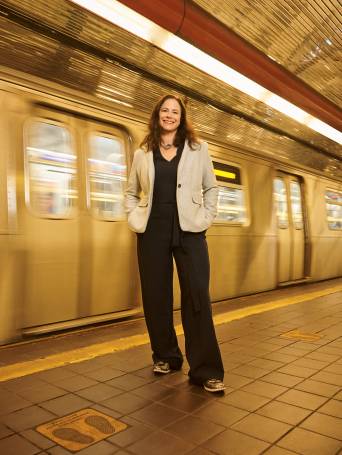
Sarah Kaufman serves as Director of the NYU Rudin Center for Transportation and Assistant Clinical Professor of Public Service at New York University's Wagner Graduate School of Public Service. Her work bridges academic research and practical policy solutions for urban transportation systems, with emphasis on equity, technology, and resilience. Her research spans transportation policy, urban planning, emergency management, and climate change adaptation. Key focus areas include mobility equity (notably the "pink tax" on transportation), micromobility systems, autonomous vehicle governance, and disaster response protocols. She investigates how technology and policy can create more inclusive and resilient urban mobility networks, with particular attention to gender disparities and climate vulnerabilities. Analysis of her 15 most recent publications reveals consistent themes in transportation equity, emerging technologies, and crisis management. Her work demonstrates methodological diversity—from agent-based modeling (MATSim-NYC) to policy analysis of scooter sharing—and maintains strong practical relevance through partnerships with transportation agencies. Notable trends include the evolution of micro-mobility regulation, gender-based mobility disparities, and transportation's critical role in pandemic and extreme weather response. As Director of the Rudin Center, she leads a multidisciplinary research team that produces policy-influential reports on congestion pricing, transit innovation, and sustainable mobility. The center serves as a hub for collaboration between government agencies, industry stakeholders, and community organizations, translating academic research into actionable transportation solutions for New York City and beyond.
Dr. Alexander Bigazzi is an Associate Professor in UBC's Department of Civil Engineering and Associate Member of the School of Community and Regional Planning. His work focuses on sustainable transportation systems, active travel behavior, and environmental impacts of mobility. He leads the REACT Lab, advancing research on pedestrian/cycling infrastructure, e-bike integration, and equitable urban design. Education: PhD in Civil Engineering (Portland State University, 2014), B.M. in Jazz Saxophone (University of Miami, 2001). Current roles include Associate Head of the Undergraduate Program in Civil Engineering. Teaching includes courses on transportation engineering, bicycle facility design, and urban systems. Research Highlights: Wall Legacy Award-winning project on inclusive transport design Climate Action Award-winning e-bike rebate program in Saanich Pioneering studies on air pollution exposure during active travel Collaborations: Interdisciplinary teams with psychology, kinesiology, and urban planning experts Key Focus Areas: Sustainable mobility transitions, human-centric infrastructure, and equity in transportation access Grants & Awards: Wall Research Award (2024), Community Energy Association Climate Action Award (2023), UBC Tenure & Promotion (2020). Current projects address BC's 2030 sustainability targets through participatory design methods. Labs/Teams: REACT Lab (Research on Active Transportation), collaborating with local governments and NGOs on applied transportation solutions.
Raktim Mitra is a Professor and Director of the School of Urban and Regional Planning at Toronto Metropolitan University, co-directing the TransForm Research Laboratory. His expertise spans the built environment, travel behavior, and health linkages, with a focus on active transportation, micromobility, and healthy communities. Mitra teaches courses in Transportation Planning, Healthy Communities, and Research Methods. His research explores how urban planning impacts physical activity and wellbeing, particularly for pedestrians, cyclists, and micromobility users. Current projects include pandemic-era travel behavior shifts, cycling infrastructure impacts, and children’s outdoor play. He has led studies on post-pandemic active transportation policies, equity in street reallocation, and mobility for students with disabilities. Key funded research areas include cycling facility efficacy, post-pandemic active transportation, student travel wellbeing, and e-scooter policy. Mitra’s work bridges academic inquiry with practical solutions, emphasizing equity and sustainability in urban environments. His laboratory focuses on interdisciplinary approaches to transportation-land use-health interactions. Publications highlight pandemic mobility shifts, gendered cycling behavior, and the role of neighborhood environments in child health. Mitra collaborates on community science initiatives like Canada’s Pedal Poll, analyzing cycling demographics and infrastructure use patterns.
Prof. Maja Kiba-Janiak is a full Professor at the Department of Strategic Management and Logistics within the Faculty of Management at Wrocław University of Economics. Since 2012, she has held an academic position there and became Director of the Executive MBA program in 2020. Her research focuses on sustainable logistics, urban freight transport, and supply chain management with particular emphasis on environmental implications. She leads an international Horizon 2020 project and collaborates globally with institutions like the University of Melbourne and the Kuehne Logistics University. Affiliations: Wrocław University of Economics (since 2012), Director of Executive MBA (since 2020) Research Collaborations: University of Melbourne (2019 research internship), Kuehne Foundation/University, UN panel speaker (2023) Her work integrates academic research with practical solutions, exemplified by initiatives like the Partnership for Quality Freight Service in Wrocław’s historic center. She has organized over 20 international conferences/seminars since 2012, including the ENLOP scientific seminar series. With over 100 publications, her research addresses urban logistics challenges across Europe, Australia, and Brazil, emphasizing stakeholder engagement and sustainability. Recent publications focus on e-commerce logistics, sustainable last-mile delivery models, and micromobility solutions for urban freight. She actively addresses pandemic-driven shifts in logistics and collaborates on cross-cultural analyses between Poland and Brazil. Her professional networks include roles as a reviewer for the European Logistics Association’s Doctorate Workshop and as a session moderator. Beyond academia, she advocates for active outdoor lifestyles in mountainous regions.
Alexa Delbosc is an Associate Professor at Monash University's Department of Civil and Environmental Engineering, where she also serves as Director of Graduate Research. She holds appointments in the Institute of Transport Studies and specializes in the intersection of transport systems and social sciences. Delbosc's research focuses on: The psychological dimensions of travel behavior and mobility choices Impact of emerging micromobility solutions (e-scooters, bike-sharing) Transport equity and accessibility for diverse populations Generational shifts in automobility patterns Policy interventions to improve transport safety and efficiency Her scholarly output explores trends in sustainable transportation, behavioral adaptations during crises like COVID-19, and equity considerations in urban mobility systems. Recent work examines pandemic-induced shifts in work commutes, cycling infrastructure efficacy, and interventions to improve cyclist safety through public perception campaigns. Significant honors include: Stanford University recognition as top 2% of global transportation researchers (2020-2023) Vice-Chancellor's Research Impact Award (2017) William W. Millar Award for public transportation research (2012) Multiple PhD Supervisor of the Year nominations She leads several doctoral projects investigating public transport accessibility for mothers, e-scooter integration, and infrastructure impacts. Current grants support research on millennial mobility patterns and cyclist safety interventions.
Professor David Hurwitz is a faculty member in the Department of Civil and Construction Engineering at Oregon State University, serving as Kiewit Center Director. He specializes in transportation safety, human factors, and infrastructure design, leveraging advanced simulators and data tools. His research focuses on user behavior in transportation systems, particularly involving bicycles, pedestrians, and commercial vehicles. He holds a Ph.D., M.S., and B.S. in Civil Engineering from the University of Massachusetts Amherst (2009, 2006, 2004). His honors include the ITE Wilbur S. Smith Award and multiple teaching excellence recognitions. His lab develops innovative solutions for safer road systems through simulation and data-driven approaches. Research interests span traffic control systems, driver-bicyclist interactions, and curriculum development. He advises students like Doug Cobb and supports initiatives like curb management strategies and micromobility analysis. Collaborations involve state agencies and advanced technologies for systemic safety improvements.
Dr. Ioannis Kaparias is an Associate Professor at the University of Southampton and Honorary Lecturer at Imperial College London. His expertise spans transport engineering, Intelligent Transport Systems (ITS), and sustainable mobility solutions. He holds a MEng from Imperial College London (2004) and a PhD in reliable dynamic in-vehicle navigation (2008). His research focuses on traffic management, active travel, public transport optimization, and the integration of new technologies like CAVs and MaaS. He leads the Transportation Research Group (TRG) at Southampton and has contributed to projects funded by the EU, UK authorities, and industry partners like BMW. Key areas include network reliability, cyclist safety, and land use-transport interaction. He is Deputy Editor-in-Chief of the IET Intelligent Transport Systems journal and serves on TRB committees. Teaching includes Highway & Traffic Engineering modules at Southampton and他曾指导过多个研究生项目。他精通希腊语、英语、德语、法语和意大利语。
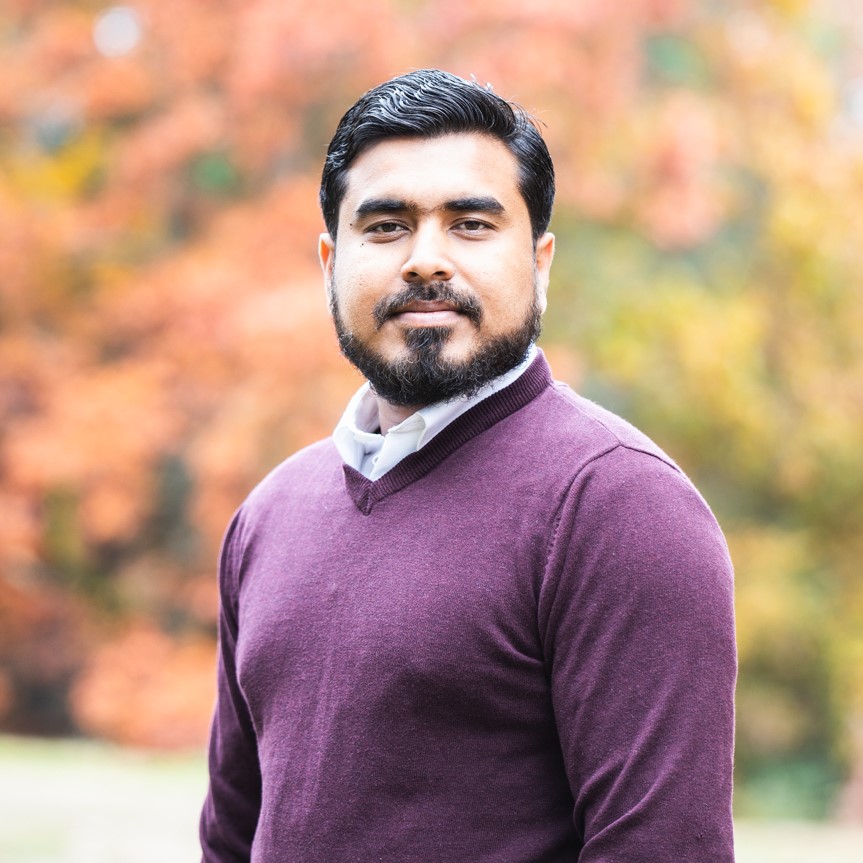
Dr. Mohammad Razaur Rahman Shaon is an Associate Research Scientist at the Connecticut Transportation Institute (CTI), part of the University of Connecticut. Previously, he served as a Senior Research Specialist at the University of Arizona's Department of Civil and Architectural Engineering and Mechanics. He holds a Ph.D. in Transportation Engineering from the University of Wisconsin-Milwaukee, an M.Sc. from South Dakota State University, and a B.Sc. from Bangladesh University of Engineering and Technology (BUET). His research focuses on highway safety, crash data analysis, vulnerable road user protection, intelligent transportation systems, and driver behavior modeling. He has contributed to over 25 peer-reviewed publications and serves as a reviewer for journals like Accident Analysis and Prevention and the Journal of Transportation Engineering. Dr. Shaon’s work emphasizes the intersection of human behavior and safety, particularly in driver decisions and their impact on collision outcomes. His research on autonomous vehicles and pedestrian safety has garnered media attention for enhancing public safety awareness. He has led or co-PI’d numerous projects funded by federal, state, and local entities, addressing systemic safety, automated vehicle integration, and traffic management innovations. His current affiliations include CTI’s CAPLab, CTSRC, and T2Center, where he develops safety tools and evaluates advanced transportation systems. Recent studies highlight trends in autonomous vehicle interaction with pedestrians, E-scooter impacts on bike-sharing systems, and data-driven safety screening methodologies. His work bridges technical advancements with societal needs, aiming to improve transportation infrastructure and user safety through rigorous analysis and policy development.
Christopher Cherry is a Professor and Associate Department Head of Undergraduate Studies in the Department of Civil and Environmental Engineering at the University of Tennessee, Knoxville. His research focuses on sustainable transportation, micromobility (e-bikes, e-scooters), pedestrian and bicycle safety, and the impacts of emerging technologies on urban mobility systems. PhD, Civil and Environmental Engineering–Transportation, University of California, Berkeley (2007) MS, Civil Engineering–Transportation, University of Arizona (2003) BS, Civil Engineering, University of Arizona (2000) Dr. Cherry’s research interests lie at the intersection of transportation engineering, behavioral science, and sustainability. He investigates travel behavior, transportation economics, and the safety implications of shared and electric micromobility systems. His work emphasizes non-motorized transportation and the integration of new technologies into urban planning. He leads the Light Electric Vehicle Education and Research (LEVER) Initiative and is an Associate Director of the Center for Pedestrian and Bicyclist Safety (CPBS), a multi-institutional UTC led by the University of New Mexico. His recent publications span topics such as e-bike adoption, micromobility safety, transit integration, and urban delivery systems. Collectively, these works reflect a strong emphasis on data-driven policy, behavioral modeling, and the environmental and public health impacts of transportation choices. NSF CAREER Award TCE Ferris Faculty Award (2015) TCE Professional Promise in Research Award (2014) CEE Research Recognition Award (2009, 2012) Member, Transportation Research Board Chair, SAE Micromobility Committee Dr. Cherry has supervised numerous PhD and MS students in transportation research and has led multiple federally and state-funded projects on micromobility, transit, and safety. He is actively involved in professional service and collaborates with institutions across the U.S. and internationally, including UC Berkeley, Tsinghua University, and the Asian Development Bank. His work bridges engineering, policy, and public health to advance sustainable and equitable urban mobility. He leads research initiatives on e-bike and e-scooter safety, urban logistics, and the integration of big data into transportation planning. His team utilizes smartphone-based data collection, video analysis, and simulation models to understand real-world behavior and improve system design.