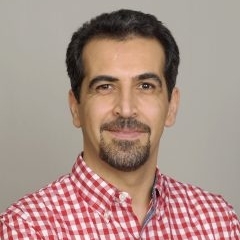
Miguel BarbosaView profile
Assistant Professor
Miguel Barbosa is an Assistant Professor at the Faculty of Psychology, University of Lisbon, and Guest Assistant Professor at the Faculty of Medicine, University of Lisbon. He serves as an Integrated Researcher at the Center for Psychological Science Research (CICPSI) and Collaborator Researcher at the Institute of Environmental Health (ISAMB). His educational background includes: PhD in Psychology (Faculty of Psychology, University of Lisbon) Master’s in Psychology (ISPA) Master’s in Sociology of Health and Illness (ISCTE) Master’s in Social and Cultural Anthropology (ICS-UL) Master’s in Bioethics (FMUL) His research spans attachment theory, infant self-regulation, caregiver-infant dynamics, grieving processes, clinical communication, and university student mental health. He employs longitudinal designs and microanalytical methods to examine developmental trajectories and health outcomes, with particular focus on early childhood interventions and healthcare communication efficacy. Recent publications reveal consistent themes in infant attachment regulation using the Still-Face paradigm and clinical communication training effectiveness. His work bridges developmental psychology with health psychology, demonstrating how early regulatory patterns predict later outcomes and how communication skills training improves medical resident performance. Dr. Barbosa serves as Principal Investigator for the "lisBOND" longitudinal study (2023–present) and previously led projects on preterm infant attachment, biotechnology enhancement, and NBAS interventions. He chairs the Scientific Committee for the Master’s in Palliative Care and holds leadership roles in the Portuguese Society of Clinical Communication (SP3CS) and Inluto – Portuguese Association for Integrated Grief Care. His research integrates CICPSI’s psychological science expertise with ISAMB’s environmental health focus, creating interdisciplinary collaborations examining how psychosocial factors interact with biological systems across the lifespan.