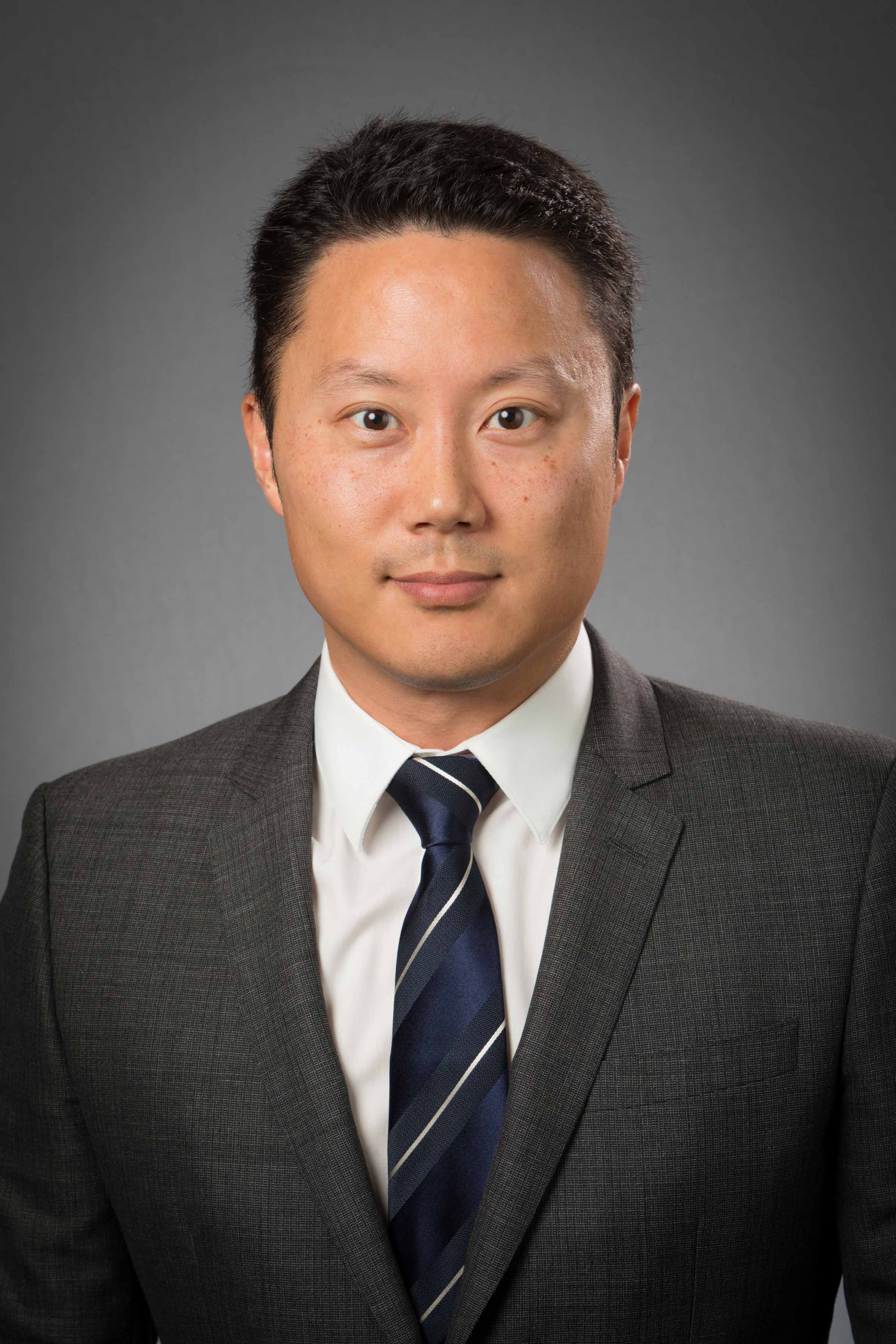
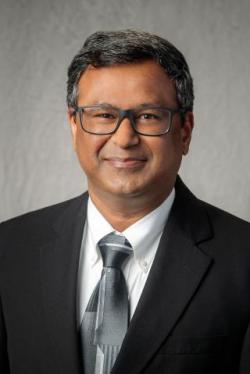
Andrew C. Shin is an Assistant Professor at Texas Tech University within the Department of Nutritional Sciences . His work bridges metabolic health , neuroendocrinology , and neurodegenerative diseases , with a focus on how the brain regulates glucose homeostasis , BCAA metabolism , and bariatric surgery mechanisms . Ph.D. in Neuroscience, Michigan State University (2008) Postdoctoral Fellow, Pennington Biomedical Research Center and Icahn School of Medicine at Mount Sinai Dr. Shin’s research explores the neural pathways involved in appetite regulation , nutrient partitioning , and metabolic resistance . His NIH-funded projects investigate insulin signaling in POMC neurons , BCAA dynamics , and nicotine’s metabolic effects . Recent work highlights the role of the autonomic nervous system in BCAA regulation and its implications for obesity and diabetes . His 15 most recent publications reflect a focus on AI applications in nutrition , BCAA-related pathologies , Alzheimer’s disease , and metabolic surgery outcomes . Key themes include neuroendocrine control , nutritional interventions , and environmental impacts on metabolism . Scientific Awards NIH K01 Award Dr. Shin directs the Mouse Metabolic Phenotyping Facility and collaborates on synbiotic trials for cognitive aging . His work spans basic science and translational research , addressing metabolic disorders and their neurological consequences .
Cristina Butucea is a Professor of Statistics and Machine Learning at ENSAE-CREST, Institut Polytechnique de Paris . She was nominated an IMS Fellow (2019) for her contributions to nonparametric and high-dimensional statistics. She has co-organized major conferences like Fréjus 2018 , Luminy 2019-2020 , and Oberwolfach 2021 , and serves as Associate Editor for ALEA . Fields of interest: Nonparametric statistics, quantum statistics, differential privacy, inverse problems, machine learning. Awards: IMS Fellowship, conference organization leadership. Research trends: Focuses on optimal estimation under privacy constraints, quantum state reconstruction, high-dimensional inference, and adaptive nonparametric methods. Email: Cristina.Butucea@ensea.fr | Cristina.Butucea@ip-paris.fr
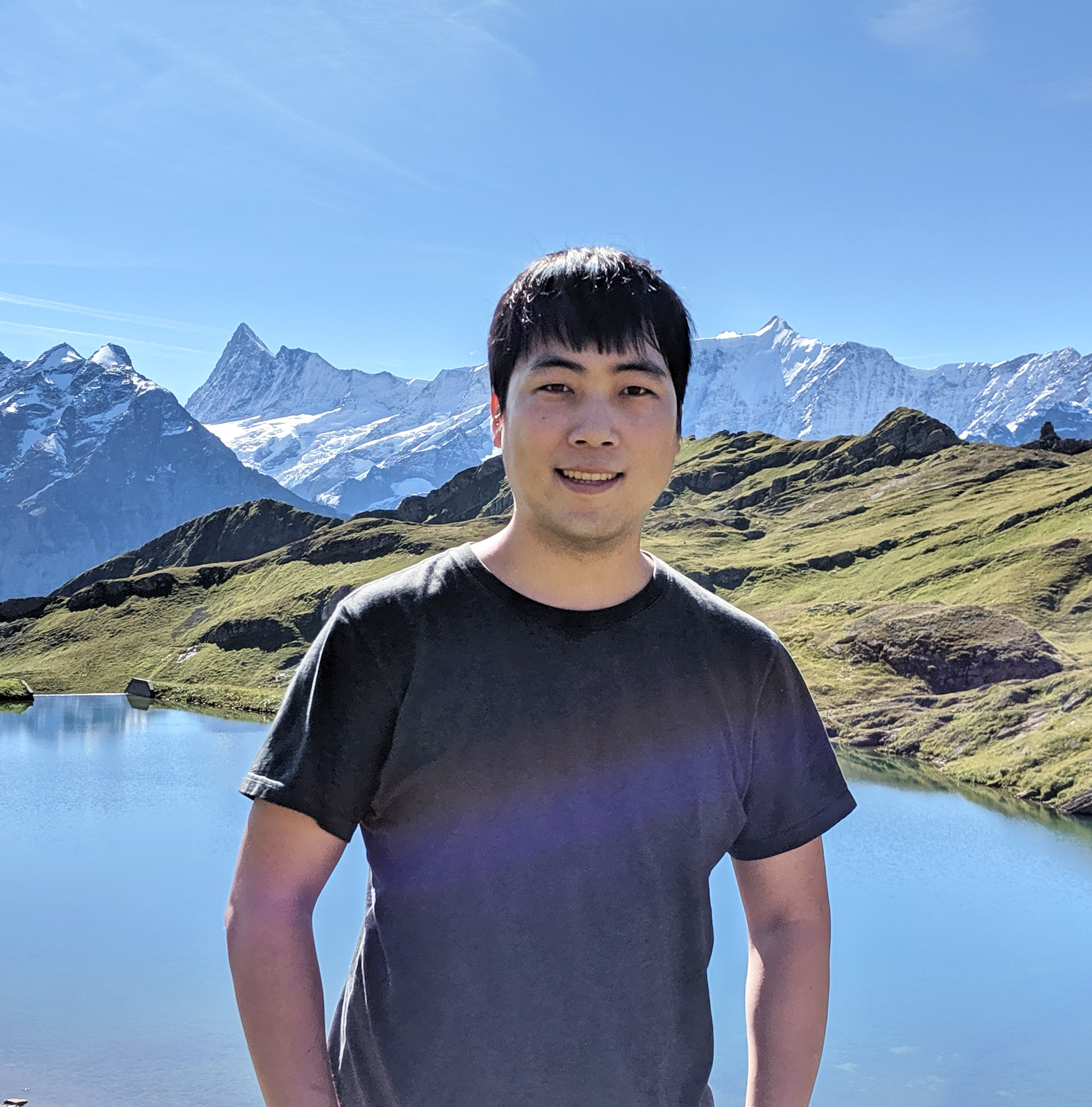
Taein Kwon is a postdoctoral research fellow at the Visual Geometry Group (VGG) within the Department of Engineering Science at the University of Oxford, working under Prof. Andrew Zisserman. Previously, he completed his PhD at ETH Zurich under Prof. Marc Pollefeys and earned master's and bachelor's degrees from UCLA and Yonsei University, respectively. His educational background includes: Bachelor's in Electrical Engineering from Yonsei University, Seoul, Korea Master's degree from UCLA PhD from ETH Zurich (defended July 2024) His research spans Egocentric Vision, Action Recognition, Hand-object Interaction, Video Understanding, AR/VR, and Multi-modal Learning, with emphasis on first-person perspective analysis for AI assistants and human-computer interaction. His work integrates 3D reconstruction, pose estimation, and multimodal signals to model complex human activities and physical interactions. Analysis of his 2021-2025 publications reveals a consistent focus on egocentric vision datasets (H2O, HoloAssist, EgoPressure) and novel frameworks for hand-object interaction, action recognition, and gesture understanding. His research demonstrates strong interdisciplinary connections between computer vision, robotics, and human-centered AI, with increasing emphasis on pressure sensing, co-speech gestures, and cross-modal alignment. His scientific recognition includes: CVPR Egovis 2022/2023 Distinguished Paper Award for HoloAssist (July 2024) SNSF Postdoc.Mobility fellowship (May 2024) He actively mentors students on egocentric vision projects, supervising master's theses, semester projects, and collaboration initiatives leading to publications at top conferences. His research is supported by the SNSF fellowship and industry collaborations with Meta Reality Labs and Microsoft Research. As part of Oxford's Visual Geometry Group, he contributes to cutting-edge computer vision research while maintaining strong ties with ETH Zurich's computer vision community through ongoing collaborations and dataset development efforts.
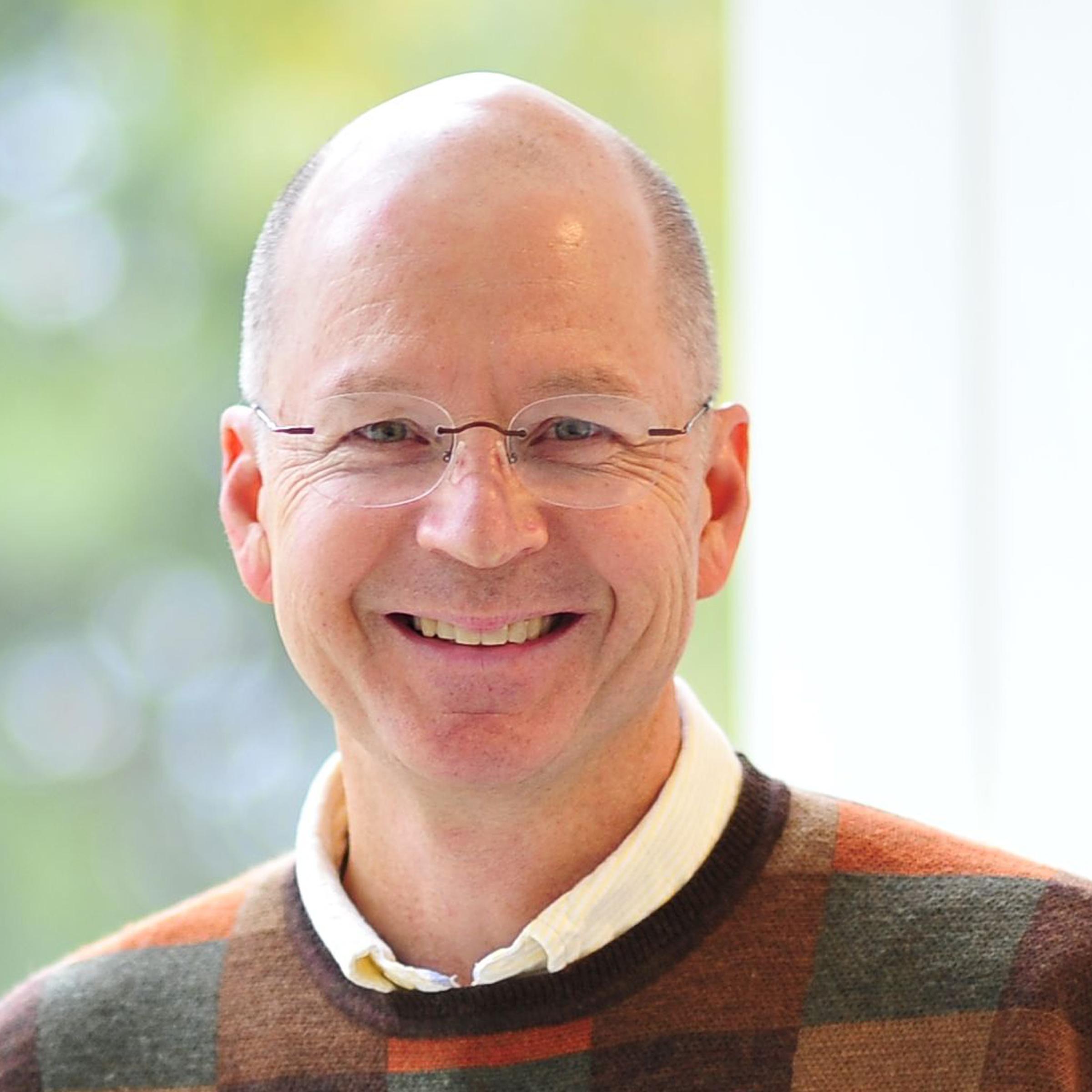
David Mount is a Professor in the Department of Computer Science at the University of Maryland, with an additional appointment at the University of Maryland Institute for Advanced Computer Studies (UMIACS). His primary research focus is Computational Geometry, particularly in designing, analyzing, and implementing data structures and algorithms for geometric problems. Applications of his work span image processing , pattern recognition , information retrieval , and computer graphics . He is a Fellow of the ACM and has received the ACM Recognition of Service Award twice. A member of the Algorithms and Theory Group, Mount has authored over 200 publications, many of which are available on Google Scholar, DBLP, and ArXiV. Research Focus Computational Geometry Algorithm Design and Analysis Geometric Data Structures Nearest Neighbor and Range Searching Clustering Algorithms Recent Publications Mount's recent publications (2023-2025) emphasize non-Euclidean geometry (e.g., Hilbert metric), dynamic geometric structures , and approximation algorithms for polytopes, Voronoi diagrams, and Delaunay triangulations. Collaborative works with students and researchers address challenges in kinetic data compression , label tracking , and geometric software development (e.g., Ipelets for polygonal geometry). Professional Activities Editorial Board Member, TheoretiCS (2021-present) Senior Associate Editor, ACM Trans. on Spatial Algorithms and Systems (2013-2020) Program Committee Member, FOCS , ESA , SODA , and other major conferences Awards ACM Fellow ACM Recognition of Service Award (twice)
Lisa Grant Ludwig is a Professor in the Department of Population Health and Disease Prevention at the University of California, Irvine (UCI). She is a nationally recognized expert in earthquake science, focusing on translating geophysical research into policy for disaster risk reduction. Her work bridges seismology, public health, and policy implementation. PhD in Geology with Geophysics minor (Caltech) MS in Environmental Engineering Science (Caltech) BS in Applied Environmental Earth Science (Stanford) Dr. Ludwig's research centers on earthquake dynamics, particularly along the San Andreas Fault, advancing disaster resilience through innovative nowcasting techniques using AI and machine learning. Her publications demonstrate expertise in seismic hazard modeling, geodetic imaging, and community preparedness studies. Recent publications highlight AI-enhanced earthquake prediction (QuakeGPT), temporal-spatial nowcasting models, and applications of geodetic data for crustal deformation analysis. These works integrate machine learning with traditional seismological methods to improve hazard forecasting. President of Seismological Society of America NASA 2012 Software of the Year Medal Featured on Science magazine cover Congressional Testimony provider Active Federal Advisory Committee member Her interdisciplinary approach combines geophysics, public health policy, and computational science. Current projects focus on earthquake nowcasting, fault zone analysis, and developing accessible geospatial tools like GeoGateway for disaster response.
Kihong Heo is an Associate Professor in the School of Computing and Graduate School of Information Security at KAIST (Korea Advanced Institute of Science and Technology) in South Korea. His academic career includes serving as an Assistant Professor at KAIST from 2017-2019 before being promoted to Associate Professor in 2020, following his postdoctoral research at the University of Pennsylvania. He earned both his Ph.D. and B.S. in Computer Science & Engineering from Seoul National University. Dr. Heo's research focuses on developing program reasoning systems for safe and reliable software, with specific interests in AI-based program analysis systems for detecting deep semantic software bugs, general-purpose program simplification systems for secure and efficient software, and scalable program synthesis systems for automatic software generation and repair. His work bridges the gap between programming languages, program analysis, and machine learning techniques to create next-generation programming systems. Analysis of his recent publications reveals a strong trend toward integrating machine learning techniques with traditional program analysis methods, with significant contributions in compiler validation, software security, fault localization, and program debloating. His research has practical impact, with some of his work incorporated into Facebook's Infer static analyzer. ACM SIGSOFT Distinguished Paper Award, FSE 2025 Amazon Research Award, 2024 The Soo-Young Lee Teaching Innovation Award, KAIST, 2024 Prize for Excellence in Teaching, KAIST, 2024 Best Artifact Award, ICSE 2022 ACM SIGPLAN Distinguished Paper Award, PLDI 2019 ACM SIGSOFT Distinguished Paper Award, ICSE 2019 Dr. Heo actively mentors graduate students, currently advising several Ph.D. candidates including Yeonhee Ryou, Taeeun Kim, and Sujin Jang, as well as master's students. He has served on program committees for major software engineering and programming language conferences including PLDI, ICSE, POPL, and SPLASH, demonstrating his active role in the academic community. His laboratory, the Programming Systems Laboratory at KAIST, focuses on creating innovative programming systems that leverage both semantic-based program analysis and AI techniques.
Sara Magliacane is an Assistant Professor at the University of Amsterdam and a Research Scientist at the MIT-IBM Watson AI Lab . She leads research at the intersection of causality and machine learning , focusing on improving AI robustness, generalization, and safety through causal reasoning. Her work spans causal representation learning , causal discovery , and causality-inspired ML in domains like reinforcement learning and dynamical systems. PhD in Artificial Intelligence (2017), VU Amsterdam MSc in Computer Engineering (2011), Politecnico di Milano/Torino BSc in Computer Engineering (2008), Università degli Studi di Trieste Her research explores causal variable identification from high-dimensional data (e.g., images, sequences) and causal graph discovery for domain adaptation. Methods include CITRIS , FANS-RL , and SNAP , with applications in embodied AI and biomedical data. The group emphasizes theoretical guarantees and scalable algorithms for real-world systems. Recent work trends include temporal causal modeling , intervention-efficient learning , and nonstationary reinforcement learning . Publications cover topics like causal discovery in partially observed settings , causal graph pruning , and sample-efficient concept learning , often combining neurosymbolic approaches with deep learning. Scientific Awards : ELLIS Scholar Sara supervises PhD students across universities (UvA, University of Pisa) and collaborates with institutions like TU Delft , Harvard , and IBM Research . She co-organizes workshops at premier conferences (NeurIPS, ICML, AISTATS) and teaches causality courses at the University of Amsterdam and Harvard Data Science Initiative. Her lab, Amsterdam Machine Learning Lab (AMLab) , investigates causal structure in embodied agents , safe reinforcement learning , and hybrid dynamical system modeling . The group maintains active partnerships with institutions such as MIT-IBM Watson AI Lab , Qualcomm , and Adyen .
Dr. Yves Boubenec is an Associate Professor at École Normale Supérieure (ENS)-PSL University, Paris, France. He serves as Head of the LSP Neuro Platform and Director of Studies at the Department of Cognitive Studies. Academic Rank: Associate Professor Institution: ENS-PSL Departments: Cognitive Studies (ENS), LSP Neuro Platform Email: yves.boubenec@ens.psl.eu Research Focus: Boubenec investigates neural mechanisms of auditory perception and cognition using integrated methodologies spanning single-neuron electrophysiology to large-scale neuroimaging. His work reveals how context, learning, and multisensory interactions shape sound encoding in mammalian neocortex. Primary Research Themes Context-dependent auditory encoding Perceptual attention mechanisms Task-driven neural plasticity Self-supervised learning models Population-level cortical dynamics Human/ferret auditory comparisons Publication Trends: Recent work (2024-2025) examines speech production networks, premotor auditory categorization, and algebraic structures in sound learning. Earlier studies (2018-2022) focus on population gating, hierarchical auditory coding, and self-voice mechanisms. 2025 Self-voice frequency analysis Hierarchical ferret auditory cortex mapping Temporal window constraints 2024 Premotor category hemodynamics Self-supervised sound structures Human speech cortical encoding Methodological Expertise: Combines awake ferret functional UltraSound, Neuropixels recordings, and computational modeling to analyze neural representations across spatial scales. Specializes in translating animal model findings to human auditory processes.
Dr. Hua Xu is the Robert T. McCluskey Professor of Biomedical Informatics and Data Science at Yale School of Medicine. He serves as Vice Chair for Research and Development in the Department of Biomedical Informatics and Data Science and as Assistant Dean for Biomedical Informatics at Yale School of Medicine. Dr. Xu leads the Clinical NLP Lab and is Chair of the NLP working group at the Observational Health Data Sciences and Informatics (OHDSI) program. Dr. Xu received his PhD in Biomedical Informatics from Columbia University, an MS in Computer Science from New Jersey Institute of Technology, and a BS in Biochemistry from Nanjing University. Dr. Xu is a renowned researcher in clinical natural language processing (NLP), having developed novel algorithms for important clinical NLP tasks such as entity recognition and relation extraction. His work has been top-ranked in over a dozen international biomedical NLP challenges. He has developed CLAMP, a comprehensive clinical NLP toolkit that has been successfully commercialized and adopted by hundreds of healthcare organizations worldwide. His research focuses on applying NLP technologies to diverse clinical and translational studies to accelerate clinical evidence generation using electronic health records data. Recently, he has been utilizing NLP to harmonize metadata of biomedical digital objects to promote FAIR principles in biomedicine, and his lab is actively working on developing large language models (LLMs) for diverse biomedical applications. Dr. Xu's recent publications demonstrate a clear trend toward leveraging large language models for biomedical applications. His work spans from benchmarking LLMs for clinical NLP tasks to developing specialized architectures like BiomedRAG (retrieval augmented LLMs for biomedicine). His research addresses critical healthcare challenges including adverse event extraction, oncology clinical trial analysis, and EHR-based association studies, showing how NLP can bridge the gap between unstructured clinical text and actionable medical insights. Dr. Xu's lab has achieved top rankings in numerous NLP challenges, including multiple #1 positions in i2b2 Temporal information extraction, SemEval Disease-modifier extraction, BioCREATIVE Chemical-induced disease extraction, and other prestigious competitions. His contributions to clinical NLP have significantly advanced the field's ability to extract meaningful information from complex medical texts. As the leader of the Clinical NLP Lab at Yale, Dr. Xu oversees research that forms a complete ecosystem: developing novel NLP methods, building robust software tools, and applying these technologies to clinical and translational research. His lab's work closes the loop between methodological innovation and practical healthcare applications, ensuring that advances in NLP directly benefit patient care and medical research.
Petr Janata is a Professor in the Department of Psychology at the University of California, Davis, and a faculty member at the UC Davis Center for Mind and Brain. His research centers on cognitive neuroscience of music, investigating neural mechanisms underlying music-evoked autobiographical memories and the experience of "groove." He serves on the Board of the Society for Music Perception and Cognition and co-founded the UC Music Experience Research Community Initiative (UC MERCI). Janata's educational background includes: Ph.D. in Biology (Neuroscience) from the University of Oregon (1996) B.A. in Interdisciplinary Studies (Biology/Psychology) from Reed College (1990) His research employs behavioral experiments, fMRI, EEG, and computational modeling to explore how music engages memory, emotion, and sensorimotor systems. Key projects examine music-evoked remembering, the psychology of groove, auditory attention mechanisms, and timbre-emotion links. His work reveals how music activates domain-general brain networks for expectation, memory, and emotional processing. Recent publications (2018-2025) show increasing focus on cross-cultural emotional responses to music, neural correlates of nostalgia, mental replay mechanisms, and clinical applications of music cognition. His lab develops innovative paradigms like the Groove Enhancement Machine (GEM) to manipulate sensorimotor synchronization while measuring subjective enjoyment. Janata's scientific recognition includes: Guggenheim Fellowship (2010) Dual Fulbright Fellowships (1990-91, 2010-11) Music Has Power Award from the Institute of Music and Neurological Function (2010) He has delivered over 100 invited lectures globally and served as scientific advisor to Coro Health LLC before founding Meamer, Inc. in 2017 to connect people through memories and music. His translational work bridges basic cognitive neuroscience with real-world applications in health and technology. The Janata Lab at UC Davis integrates neuroimaging, behavioral testing, and computational modeling to advance understanding of music cognition. Current projects explore lifespan neural changes in music processing, adaptive virtual partners for synchronization studies, and sonification systems for physiological monitoring.
Aaron Young is an Associate Professor in the Woodruff School of Mechanical Engineering at Georgia Institute of Technology and a program faculty member in the Biomedical Engineering School. He serves as Director of the Exoskeleton and Prosthetic Intelligent Controls (EPIC) Lab, focusing on robotic human augmentation through advanced control systems for prosthetics and exoskeletons. Education: Postdoctoral Fellow, University of Michigan (2014-2016) Ph.D., Northwestern University (2014) M.S., Northwestern University (2011) B.S., Purdue University (2009) Dr. Young's research addresses clinically viable control systems for wearable robotic devices, emphasizing intent recognition , EMG signal processing , and machine learning integration. His work targets mobility impairments from stroke, amputation, cerebral palsy, and neurological injuries, aiming to reduce metabolic costs, restore natural biomechanics, and enhance community ambulation. Key innovations include data-driven control frameworks , biomechanical terrain adaptation , and anthropometry-based personalization . His recent publications highlight advancements in deep learning for real-time biomechanics , EMG-informed joint estimation , and adaptive assistance systems . The EPIC Lab's facilities feature a terrain park with force plates , motion capture systems , and HumoTech simulation platforms for device testing. Scientific Awards: New Faces of Engineering (IEEE USA, 2017) Military Health System Team Award (2015) NSF Graduate Fellowship (2010) NDSEG Fellowship (2010) IEEE EMBC 3rd Place (2013) Projects include NSF-funded hip exoskeletons for stroke survivors, DoD-powered prostheses for amputees, and Pediatric knee exoskeletons for cerebral palsy. The lab cultivates interdisciplinary expertise in robotics , biomedical engineering , and human-machine interaction .
Edwin Romeijn holds the Jill Stewart Archer Family Chair and Professor position in the H. Milton Stewart School of Industrial and Systems Engineering at Georgia Institute of Technology. He served as School Chair from 2015-2024, overseeing the nation's top-ranked industrial engineering program. Previously, he held faculty positions at the University of Michigan, University of Florida, and Erasmus University Rotterdam, and served as Program Director at the National Science Foundation. Education: Ph.D. in Operations Research (1992), Erasmus University Rotterdam M.S. in Econometrics (1988), Erasmus University Rotterdam Romeijn's research centers on optimization theory and applications , with dual focus areas in radiation therapy treatment planning and supply chain management . His radiation therapy work develops algorithms for cancer treatment planning and clinic scheduling, while his supply chain research addresses integrated optimization of production, inventory, and transportation under demand flexibility, resource constraints, perishability, and uncertainty. His methodologies bridge theoretical operations research with real-world healthcare and logistics systems. His publication portfolio demonstrates consistent contributions to optimization methods across diverse application domains, with recent work spanning healthcare systems, renewable energy, sports analytics, and unconventional logistics. The research exhibits strong methodological continuity in stochastic programming, network optimization, and decision-making under uncertainty. Scientific Awards: Fellow of IISE and INFORMS (2017) Richard C. Wilson Faculty Scholar (2012-2013) Multiple best paper awards in industrial engineering conferences Pierskalla Best Paper Award (2003) Young Investigator’s Award at ICCR (2004) Romeijn has advised numerous graduate students and secured significant research funding through NSF and other agencies. His leadership extends to program direction at NSF and chairing Georgia Tech's Industrial and Systems Engineering school. He maintains active collaborations with healthcare institutions and manufacturing enterprises, translating theoretical advances into practical solutions for radiation oncology and supply chain resilience.
Marc Diamond, M.D. , is a Professor of Neurology and Neuroscience at UT Southwestern Medical Center. He previously served as the David Clayson Professor of Neurology at Washington University in St. Louis (2009-2014) and held faculty positions at UCSF (2002-2009). As founding director of the Center for Alzheimer's and Neurodegenerative Diseases (CAND), he leads a multidisciplinary team investigating protein aggregation mechanisms in neurodegenerative diseases. Education: M.D. from UCSF (1993), history degree from Princeton Key Contributions: Discovered cell-to-cell propagation of tau protein aggregates, linking Alzheimer's to prion biology His research focuses on tauopathies , prion-like protein propagation , and translational therapeutics . He has developed methods for detecting proteopathic seeding activity now used globally, holds multiple patents, and invented a monoclonal antibody in clinical trials for Alzheimer's therapy. His work has profoundly impacted understanding of neurodegenerative disease progression and therapeutic strategies. Laboratory: The Diamond Lab trains postdocs, graduate students, and staff in multidisciplinary approaches to neurodegeneration, emphasizing cellular models and molecular mechanisms of protein aggregation.
Surendranath Suman is an Assistant Dean of Research and Professor in the Department of Animal and Food Sciences at the University of Kentucky's College of Agriculture, Food and Environment. He also holds secondary appointments with the Center for Muscle Biology and the Division of Nutritional Sciences. With over 15 years of academic service at the university, he has progressed from Assistant Professor (2006-2012) to Associate Professor (2012-2017) and currently serves as Professor (2017-present). Dr. Suman earned his B.V.Sc. & A.H. from Kerala Agricultural University (1999), M.V.Sc. from Indian Veterinary Research Institute (2001), and Ph.D. from University of Connecticut (2006). He is also a Diplomate of the American College of Animal Sciences (2010). His research focuses on meat science with particular expertise in proteomics of meat quality, myoglobin chemistry and meat color stability, and novel strategies to improve meat quality. Dr. Suman has made significant contributions to understanding the biochemical mechanisms behind fresh meat color, particularly in beef and pork. His work integrates traditional meat science methodologies with high-throughput proteomic and metabolomic approaches to unravel complex biochemical pathways. Analysis of Dr. Suman's recent publications reveals a strong focus on meat color stability mechanisms, particularly through proteomic approaches. His research spans multiple species including beef cattle, pork, bison, and poultry, with particular attention to mitochondrial functionality, myoglobin chemistry, and post-translational modifications that influence meat quality attributes. Recent work has expanded into metabolomics applications in meat science. Scientific Awards and Recognition Distinguished Research Award, American Meat Science Association (2022) University Research Professor, University of Kentucky (2021) International Lectureship Award, American Meat Science Association (2019) Distinguished Alumni Award, University of Connecticut (2019) Meats Research Award, American Society of Animal Science (2018) Thomas Poe Cooper Distinguished Research Award, University of Kentucky (2017) Bobby Pass Excellence in Grantsmanship Award, University of Kentucky (2016) Special Visiting Researcher Fellowship, Government of Brazil (2014-2017) Early Career Achievement Award, American Society of Animal Science (2013) Dr. Suman has served as an invited speaker internationally across six continents and is an active editorial board member for numerous prestigious journals including Meat and Muscle Biology (Associate Editor), Journal of Animal Science, and Meat Science. His extensive editorial service reflects his standing as a leading authority in meat science research. He has successfully secured multiple research grants, as evidenced by the Bobby Pass Excellence in Grantsmanship Award he received in 2016. As Assistant Dean of Research, Dr. Suman plays a leadership role in advancing research initiatives within the College of Agriculture, Food and Environment. His collaborative research involves multiple laboratories both domestically and internationally, particularly with institutions in Brazil, given his Special Visiting Researcher Fellowship from the Brazilian government. His work bridges fundamental biochemistry with practical applications in meat production and quality assessment.
John Prensner is an Assistant Professor in the Department of Pediatrics - Hematology Oncology at the University of Michigan. He is a physician-scientist and pediatric hematologist/oncologist specializing in childhood brain tumors, particularly medulloblastoma and diffuse intrinsic pontine glioma. Education: Tufts University (BS 2005), University of Michigan (MD/PhD 2014) Clinical training: Boston Combined Residency, Boston Children's Hospital/Dana-Farber Cancer Institute fellowship Postdoctoral research: Broad Institute of MIT and Harvard His research focuses on: Molecular mechanisms of childhood brain cancers Synthetic lethality in cancer genomics Metabolic dependencies in Group-3 medulloblastoma Non-canonical RNA translation and microproteins in oncogenesis CRISPR screening for therapeutic targets Recent work highlights PELO as a synthetic lethal target in 5% of adult cancers and metabolic vulnerabilities in medulloblastoma, including cuproptosis mechanisms. Collaborations include: @LyssiotisLab (metabolism) @vennetilab @CancerDepMap Carl Koschmann Paul Northcott Deepak Nagrath