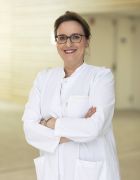
Stefan Kluge is a Professor at the Department of Intensive Care within the University Medical Center Hamburg-Eppendorf . With over 150 publications in 2025-2024 alone, his work focuses on critical care medicine, sepsis, ARDS, and cardiogenic shock. His recent research explores ARDS impact on liver cirrhosis outcomes Hyperoxia effects in traumatic brain injury Biomarkers for cardiogenic shock prognosis Novel retrograde limb perfusion techniques during ECPR Dual-energy CT for body composition analysis He contributes extensively to German national guidelines for nosocomial pneumonia and participates in multi-center critical care trials. Stefan Kluge's collaborations span neuro-intensive care , cardiovascular research , and infection/immunity domains. His work integrates machine learning applications and medical informatics to improve ICU decision-making.
Martin Gosau is a Professor at the Clinic and Polyclinic for Oral and Maxillofacial Surgery within the Medical Faculty of the University Medical Center Hamburg-Eppendorf (UKE). His research focuses on Oral Surgery , Maxillofacial Surgery , and Regenerative Medicine , with a strong emphasis on Dental Implants , Head and Neck Cancer , and Oral Pathology . University: University Medical Center Hamburg-Eppendorf School: Medical Faculty Department: Oral and Maxillofacial Surgery Academic Rank: Professor His recent work explores: Oral Health in Genetic Disorders (e.g., hypophosphatasia) Advanced Surgical Techniques (e.g., nanosecond lasers, fluorescence angiography) Biomaterials and Tissue Engineering (e.g., silk fibroin membranes, extracellular vesicles) Cancer Prognostics (e.g., DCBLD1 overexpression in HNSCC) Key trends in his 15 most recent articles include applications of machine learning in oral diagnostics, stem cell research for bone regeneration, and biomaterials in reconstructive surgery. He frequently collaborates with Ralf Smeets and Thomas Vollkommer , with publications spanning Frontiers in Immunology , Oral Surgery , and Scientific Reports .
Prof. Dr. med. Franz Lennard Ricklefs is a Senior Physician and Head of the Working Group at the Department of Neurosurgery, University of Hamburg Faculty of Medicine. He is a Medical Specialist in Neurosurgery with cross-disciplinary expertise in neuro-oncology, molecular pathology, and extracellular vesicle research. Affiliations: University Medical Center Hamburg-Eppendorf (UKE), European Liquid Biopsy Society (ELBS), International Consortium on Meningiomas (ICOM) Research Interests: His work focuses on neurosurgical oncology, particularly glioblastoma and meningioma pathobiology. He investigates DNA methylation patterns, extracellular vesicle biomarkers, and liquid biopsy implementation in clinical neuro-oncology. Additional interests include surgical outcomes for epilepsy and aneurysm management. Article Trends: Over the last decade, Dr. Ricklefs has published extensively on: Extracellular vesicle applications as liquid biopsy markers DNA methylation subclasses for glioblastoma and meningioma Multicenter surgical outcome benchmarking Immune evasion mechanisms in neuro-oncology Technological innovations in neurosurgical visualization Molecular characterization of rare CNS tumors Professional Contributions: He co-authored the MISEV2023 guidelines for extracellular vesicle studies and participates in international consensus reviews for meningioma classification. His collaborations span institutions across Europe and North America.
Hao Liu is a researcher affiliated with institutions like Chinese Academy of Sciences , Beihang University , and Stanford University . His work spans Computer Science , Artificial Intelligence , and Robotics . Key affiliations: National Space Science Center (Beijing), School of Astronautics (Beihang), Key Laboratory of Pervasive Computing (Tsinghua) Research interests include Machine Learning , Image Processing , Graph Neural Networks , and Wireless Communication Optimization His recent publications focus on: Advanced control systems for fuzzy models Medical imaging via hyperspectral analysis Transformer-based approaches in NLP and vision Quantum-safe and edge computing protocols
Despina Kontos, PhD is the Herbert and Florence Irving Professor of Radiological Sciences at Columbia University Irving Medical Center (CUIMC), with appointments in the Department of Radiology and the Herbert Irving Comprehensive Cancer Center. She serves as the Chief Research Information Officer for CUIMC, Vice Chair of Artificial Intelligence and Data Science Research in the Department of Radiology, and Director of Biomarker Imaging at NewYork-Presbyterian Hospital. Additionally, she holds appointments in the Departments of Biomedical Informatics and Biomedical Engineering. Dr. Kontos received her educational training from prestigious institutions: BS in Engineering from the University of Patras, Greece MSc and PhD in Computer and Information Sciences from Temple University Postdoctoral training in Radiology at the University of Pennsylvania Certificates in Biostatistics and Epidemiology from UPenn, Cancer Biology from Harvard, and AI for Decision Making from Wharton As a computer scientist with expertise in artificial intelligence and machine learning, Dr. Kontos focuses on developing computational methodologies to leverage imaging as quantitative biomarkers for personalized disease prediction, particularly in cancer. Her research program investigates how imaging data can be mined to extract sophisticated phenotypic signatures with diagnostic, prognostic, and predictive value. While her primary focus has been on breast cancer, her lab also pursues related research in lung cancers, evaluating the integration of CT radiomic features with liquid biopsy data to characterize tumor heterogeneity. Dr. Kontos founded and directs Columbia University's Center for Innovation in Imaging Biomarkers and Integrated Diagnostics (CIMBID), a multidisciplinary center dedicated to developing and integrating quantitative imaging and non-imaging biomarkers for personalized disease prediction. Through CIMBID, she has built a vibrant scientific ecosystem that brings together expertise across Columbia's campuses, linking basic science, engineering, clinical medicine, public health, and health services research. Analysis of Dr. Kontos's publication record reveals a strong focus on applying AI and machine learning to biomedical imaging, particularly for cancer risk prediction and personalized treatment. Her work demonstrates a progression from foundational methodological development to clinical translation, with increasing emphasis on multi-modal biomarker integration. Recent publications show expansion into new disease areas including Alzheimer's disease prediction, while maintaining her strong focus on breast and lung cancer applications. Dr. Kontos has received significant recognition for her contributions to the field: Academy for Radiology and Biomedical Imaging Research Distinguished Investigator Award (2020) Eastern Cooperative Oncology Group - American College of Radiology Imaging Network ECOG-ACRIN Young Investigator Award of Distinction for Translational Research (2014) Dr. Kontos has been highly successful in securing research funding, with numerous grants from federal agencies including the National Institutes of Health (NIH) and the Department of Defense (DOD), as well as private foundations such as the American Cancer Society (ACS) and the Radiological Society of North America (RSNA). Her leadership extends to mentoring students and postdoctoral researchers through her roles at CIMBID and the Department of Radiology. As the founding director of CIMBID, Dr. Kontos leads a multidisciplinary team that includes the Computational Imaging Biomarker Group (CBIG), the Laboratory of AI and Biomedical Science (LABS), and several other affiliated research labs. The center leverages Columbia's institutional strengths in engineering, data science, and clinical medicine to advance personalized healthcare through AI and imaging technologies.
Professor Berend Isermann is a Professor of Laboratory Medicine at Leipzig University, affiliated with the Faculty of Medicine. He leads research into thrombo-inflammation mechanisms, focusing on molecular pathways linking coagulation and inflammation in diseases such as diabetes, kidney failure, and cardiovascular conditions. His work has earned prestigious recognition, including the ERC Advanced Grant (2024) for a project investigating molecular switches in thrombo-inflammation. Education: Studied medicine at Würzburg (Germany), Bristol (UK), and New Haven (USA). Completed specialist training in internal medicine, endocrinology, and laboratory medicine at Heidelberg University Hospital. Previously held professorships at the Universities of Magdeburg (2011–2019) and Leipzig (2019–present). Research interests center on understanding how thrombo-inflammation drives diseases like preeclampsia, chronic kidney disease, and complications from infections like COVID-19. Key projects include studying tissue factor’s role in inflammation-coagulation cross-talk, microglial-brain interactions in chronic kidney disease, and developing therapies targeting molecular switches. Scientific achievements include discovering tissue factor’s complex with inflammatory regulators, published in high-impact journals, and advancing methods to measure thrombo-inflammatory biomarkers. His interdisciplinary team at Leipzig Medical Center explores therapeutic strategies to control thrombo-inflammation across multiple organ systems. Awards: ERC Advanced Grant (2024) valued at €2.5 million for five years of research into molecular mechanisms of thrombo-inflammation. Grants and collaborations: ERC-funded project involves analyzing molecular switches in heart disease, obesity, and cancer models. His work bridges basic science and clinical translation, with a focus on kidney-brain interactions and diet-based interventions like the green-Mediterranean diet’s epigenetic effects. Labs/Teams: Leads a cross-departmental team at Leipzig University Medical Center integrating immunology, nephrology, and cardiology research. Collaborates on projects involving placental thrombo-inflammation, anticoagulant drug effects, and machine learning applications in diagnostics.
Zhao Zhigang is an Associate Professor at the School of New Materials and New Energy, Shenzhen University of Technology, where he has been employed since May 2017. Previously, he served as a Lecturer at the School of Optoelectronic Engineering, Shenzhen University (2013-2017) and completed postdoctoral research at Shenzhen University (2010-2012) after earning his PhD from Huazhong University of Science and Technology. His academic journey began with undergraduate and master's studies at PLA Ordnance Engineering College (now Army Engineering University). His educational background includes: PhD in Optical Engineering, Huazhong University of Science and Technology (2005-2010) Master's in Optical Engineering, PLA Ordnance Engineering College (2002-2005) Bachelor's in Military Optoelectronic Engineering, PLA Ordnance Engineering College (1995-1999) Zhao's research focuses on hyperspectral imaging systems and machine learning applications for material classification. His work emphasizes embedded image data acquisition and processing using ARM and FPGA platforms, with significant contributions to micro-hyperspectral imaging technology. His research spans three primary areas: hyperspectral image processing on ARM/FPGA systems, machine learning applications in spectral analysis, and embedded AI implementations on FPGA/Zynq platforms. This interdisciplinary work bridges optical engineering, computer vision, and hardware design. Analysis of his recent publications reveals a strong emphasis on hyperspectral data compression techniques , machine learning applications for spectral analysis , and embedded system implementations . His work demonstrates a consistent focus on practical applications of hyperspectral imaging in fields ranging from food quality assessment to battery health monitoring, with increasing incorporation of deep learning techniques in recent years. His scientific recognition includes: Multiple teaching awards at Shenzhen University of Technology (2019-2024) Shenzhen City high-level professional talent designation (2016) Numerous national competition awards as student supervisor (2016-2023) Outstanding Paper Award at Shenzhen Optical Society (2010) Zhao has secured substantial research funding as Principal Investigator, including horizontal projects (2023-2024), Shenzhen Postdoctoral Research Funding (2019-2020), and Shenzhen Basic Research Projects. He has successfully guided students in academic competitions, resulting in five national first prizes. His research group maintains strong industry connections through multiple school-enterprise cooperation projects focused on practical applications of hyperspectral imaging technology. His laboratory work centers on FPGA-based embedded systems for hyperspectral imaging, with recent projects developing micro-hyperspectral spectrometers for UAV platforms, real-time video processing systems, and specialized hardware for spectral data acquisition and compression. These efforts demonstrate a clear trajectory from fundamental optical engineering toward practical applications of machine learning in spectral analysis.
Dominic Edelmann is a researcher at Heidelberg University, Germany, specializing in mathematical statistics and its applications in biostatistics and high-dimensional molecular data. His work bridges theoretical statistics and biomedical research, particularly in developing and applying distance-based dependence measures. Research Interests: His research centers on distance correlation , survival analysis for high-dimensional data , epigenetic data analysis , and machine learning . He investigates nonlinear relationships in complex datasets, with applications in oncology and molecular biology. The recent publications show a strong trend in extending distance correlation methods to survival and competing risks data, as well as time series and high-dimensional settings. His work combines rigorous mathematical foundations with practical applications in biomedicine. Scientific Funding: DFG Grant "dCortools: Distanzkorrelationsverfahren zur Erkennung Nichtlinearer Zusammenhänge in Hochdimensionalen Molekularen Daten" (2019–present) Academic Supervision: He has co-supervised Master’s theses on bias correction in distance correlation and regression models for bounded responses in DNA methylation studies, indicating active involvement in training the next generation of statisticians. He holds a Dr. rer. nat. in Mathematics from Heidelberg University (2015) and was a research assistant there during his doctoral studies. His work continues to be centered at Heidelberg University, contributing to both theoretical and applied statistical science.
Prof. Dr. rer. nat. Sabine Riethdorf is a leading researcher at the Institute of Tumor Biology, University Medical Center Hamburg-Eppendorf (UKE). With over 216 publications, her work focuses on circulating tumor cells (CTCs) in liquid biopsy for cancer diagnostics, prognosis, and treatment monitoring across metastatic breast cancer, prostate cancer, NSCLC, and other malignancies. Research Themes : CTC characterization, tumor heterogeneity, treatment resistance mechanisms, PSMA imaging, HER2 status in CTCs, machine learning applications in tumor cell detection. Recent Article Trends : Analysis of CTC transcriptional profiles, PSMA heterogeneity in prostate cancer, machine learning strategies for CTC detection, and comparative CTC studies between blood compartments. Scientific Collaborations : Key partnerships with Klaus Pantel (UKE), Annette Schneeweiss (Heidelberg), and teams across Germany and international institutions. Infrastructure : Utilizes UKE's research information system (FIS), core facilities for molecular analysis, and participates in multicenter clinical trials like DETECT and PREDICT.
Prof. Dr. Rüdiger von Eisenhart-Rothe is a full Professor and Chair of Orthopedics at the Technische Universität München (TUM), leading the Department of Orthopedics and Sports Orthopedics at the Klinikum rechts der Isar. His research focuses on regenerative medicine, osteo-oncology, endoprosthetics, and the application of machine learning in surgical planning. He completed his medical studies at LMU Munich and business administration at the University of Hagen, followed by a habilitation in orthopedics at Frankfurt’s Friedrichsheim Hospital. Notably, he received the Perthes Prize twice (2003, 2010) for contributions to shoulder and elbow surgery. His work integrates advanced imaging techniques, virtual planning, and biomaterial research to address challenges in joint replacement, infection control, and sarcoma management. Recent projects emphasize AI-driven diagnostic tools and personalized surgical approaches. Prof. von Eisenhart-Rothe collaborates with interdisciplinary teams to advance clinical outcomes in orthopedic surgery, particularly in knee and hip arthroplasty. Awarded the Perthes Prize twice, his contributions span academic leadership, clinical innovation, and translational research at TUM’s School of Medicine and Health. Current initiatives include optimizing prosthetic alignment via 3D modeling and evaluating synovial biomarkers for infection diagnosis.
Prof. Dr. Jennifer Hannig is a leading researcher in Explainable Artificial Intelligence (XAI) and computational biology at the Technical University of Mittelhessen's KITE Competence Center. Her work bridges AI transparency with applications in cardiology, digital pathology, and smart home technologies, focusing on interpretable algorithms for safety-critical domains. Junior Research Group Leader, TimeXAI project (2024-2027, €1.09M) Collaborations with Kerckhoff Clinic, CRS medical GmbH, and Veli GmbH Member of good scientific practice committee Mentor at Mentoring Hessen and AI Grid initiative Research Focus : Developing human-understandable XAI methods for time series classification, particularly in cardiovascular diagnostics and smart home monitoring. Her approach combines mathematical modeling (Petri nets) with deep learning to ensure reliable AI decision-making. Scientific Contributions : Key publications in PLOS Computational Biology , Frontiers in Digital Health , and Bioinformatics , with h-index of 8. Developed AI models for myocardial scar detection, Hodgkin lymphoma analysis, and manufacturing predictions. Poster Award – 1st Place (German Conference on Bioinformatics, 2013) ECCB 2016 Travel Award Contact: jennifer.hannig@kite.thm.de
So Young Sohn is a distinguished Professor at Korea University's College of Business, Department of Management Engineering, with over two decades of impactful research in technology management and operations research. Her scholarly contributions have established her as a leading expert in technology credit scoring, data mining applications, and technology convergence analysis. Dr. Sohn's research interests span technology credit scoring for SMEs, operational research methodologies, data mining techniques, machine learning applications in business contexts, technology convergence patterns, patent analysis, and SME financing mechanisms. Her work bridges theoretical rigor with practical business applications, particularly focusing on Korean case studies that have broader international relevance. She has pioneered innovative approaches using knowledge graphs, multiplex networks, and deep learning techniques to solve complex business problems. Her publication portfolio reveals consistent research trends toward increasingly sophisticated analytical methods, evolving from traditional statistical models to advanced machine learning and network science approaches. Recent work demonstrates particular focus on technology convergence, digital therapeutics, and AI applications in business decision-making. The interdisciplinary nature of her research spans business analytics, engineering, healthcare, and environmental science. Dr. Sohn has received recognition through numerous high-impact publications in premier journals including Expert Systems with Applications, European Journal of Operational Research, Scientometrics, and IEEE Transactions. Her research has been consistently funded through competitive grants focusing on technology management and innovation. As an academic mentor, Dr. Sohn has advised numerous doctoral students who have gone on to productive research careers, with many continuing to collaborate with her on ongoing projects. Her research team has secured substantial funding for projects related to technology credit scoring, technology convergence analysis, and predictive analytics applications. Dr. Sohn leads a dynamic research laboratory focused on technology analytics and decision support systems, collaborating with industry partners and government agencies to translate research findings into practical business solutions. Her current work emphasizes sustainable technology development and AI-driven decision support systems for complex business environments.
Prof. Dr. Stephanie E. Combs is a leading academic in Radiation Oncology at Technische Universität München (TUM), holding the position of Professor and Chair of the Department of Radiation Oncology. She also serves as the Dean of the TUM Faculty of Medicine since 2022. Her expertise spans highly conformal radiation therapy techniques (e.g., IMRT/IGRT/ART, proton, and carbon ion therapy), with a focus on brain and skull base tumors, pediatric oncology, gastrointestinal oncology, and biomarker-driven therapies. Prof. Combs studied medicine in Heidelberg and the United States, completed postdoctoral training in Heidelberg, and became Vice Chair of Radiation Oncology there before joining TUM in 2014. She has held leadership roles, including heading the TUM Senate from 2019 to 2022. Her research emphasizes precision medicine, radiation biology, and translational radiotherapy innovations. Her awards include the Basic/Translational Senior Science Award (2019), Robert Janker Award (2012), and multiple honors from German and international radiation oncology societies. Her work bridges clinical practice and research, with contributions to guidelines on target delineation for glioblastoma and skull base tumors. Prof. Combs’ publications focus on advancing radiation techniques, radiomics, and personalized therapy, with over 300 peer-reviewed articles. She leads initiatives in education, including a Master of Science program in Radiation Biology, and collaborates internationally in translational research.
Nicolaus Kröger is a researcher affiliated with the University of Hamburg's Medical Faculty, specifically within the Department of Hematology and Oncology. His work focuses on translational and clinical research in hematologic malignancies, with a strong emphasis on hematopoietic stem cell transplantation (HSCT), CAR T-cell therapy, and targeted treatments for diseases like myelofibrosis, myelodysplastic syndromes, and acute leukemias. He collaborates extensively with international groups such as the European Society for Blood and Marrow Transplantation (EBMT) and contributes to guideline development for post-transplant complications. Research interests include improving transplant outcomes through molecular profiling, optimizing timing and conditioning regimens, and addressing immune-related challenges such as graft-versus-host disease. His studies frequently address high-risk patient populations, including elderly patients and those with refractory malignancies. He also investigates novel therapies like bispecific antibodies and JAK inhibitors in post-transplant management. Key contributions include developing predictive models for survival after HSCT using machine learning, analyzing long-term outcomes of CAR T-cell therapies, and evaluating the impact of genetic mutations on transplant success. His work bridges basic science and clinical practice, aiming to personalize treatment strategies in hematology.
Elena Esposito is Professor of Sociology at Bielefeld University and the University of Bologna, specializing in sociological systems theory. Her research examines sociological implications of algorithms, prediction, and AI through projects like the ERC Advanced Grant 'The Future of Prediction' and the Collaborative Research Center TRR 318. She co-leads interdisciplinary initiatives at the Center for Interdisciplinary Research and Center for Uncertainty Studies. Research interests include: Sociology of algorithmic prediction in insurance, medicine, and policing Social consequences of machine learning transparency Memory theory and media transformations Artificial communication systems Her publications analyze algorithmic governance mechanisms across domains including healthcare, criminal justice, and climate policy. Recent work explores how predictive technologies reshape institutional trust and decision-making under uncertainty. Awards include: ERC Advanced Grant (€2.08M) for prediction sociology research Volkswagen Foundation Grant (€1.5M) for AI discourse studies FAIR Project leadership for AI social impact analysis She directs projects examining explainable AI systems and advises doctoral researchers in sociology and technology studies. Future work focuses on generative AI's societal implications.