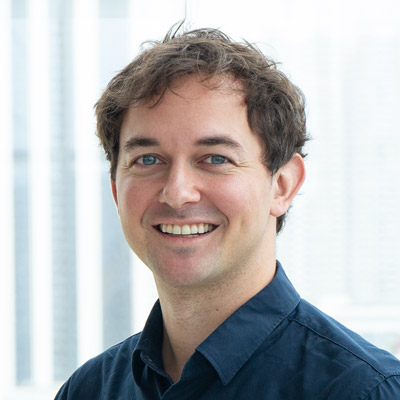
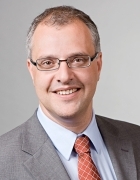
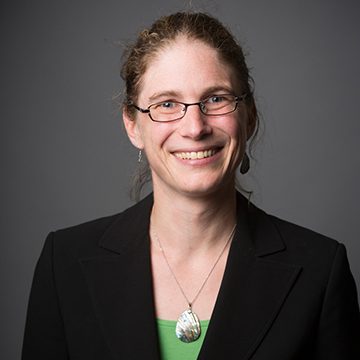
Andrew Holle is an Assistant Professor at the Mechanobiology Institute , National University of Singapore , where he leads the Confinement Mechanobiology Lab within the Department of Biomedical Engineering . His work spans mechanobiology, stem cell differentiation, cancer mechanobiology, and microfluidics, with a focus on understanding how physical confinement influences cellular behavior. Education: B.S.E. in Bioengineering (Minor in Statistics), Arizona State University (2008) Ph.D. in Bioengineering, University of California San Diego (2013) Research in the Confinement Mechanobiology Lab centers on the hypothesis that stem cell differentiation is driven by mechanical cues during migration through confined extracellular matrix (ECM) environments. The lab develops microfluidic systems to mimic ECM confinement and studies its impact on osteogenic differentiation , cancer cell migration , and cellular condensates . Recent publications highlight interdisciplinary approaches combining mechanobiology , nanotechnology , and microfluidics to explore nuclear morphological changes, volume regulation, and ligand signaling in confined cellular environments. Laboratory Members: Privita Edwina (Research Fellow) Vaishnavi Rangaraj (Research Assistant) Sriram Muthukumar (Research Fellow) Chang Ye Ji (PhD Student) Gao Xu (PhD Student) Lim Yuan Bin (PhD Student) Shinny Sunny (PhD Student) Lee Jia Wen Nicole (PhD Student) Li Yixuan (PhD Student)
Karen Piper Hanley is Professor of Molecular Medicine and Head of Division in the Division of Diabetes, Endocrinology & Gastroenterology at the University of Manchester. She serves as the fibrosis lead in the Wellcome Trust Centre for Cell-Matrix Research and previously served as Director of Core Research Technologies (2019-2022). She is also an editorial board member for Scientific Reports. Her research focuses on fibrosis (scarring) mechanisms across multiple organs, particularly liver, kidney, and lung fibrosis. Her lab investigates the cellular and molecular basis of fibrotic disease, with emphasis on how pathological scar components are produced and how they signal to surrounding cells. Key areas include the role of SOX9 transcription factor, integrin beta-1 signaling, Group 1 PAKs, and YAP1 in fibrosis progression. Her recent publications reveal trends toward increased clinical translation of fibrosis research, with studies on health inequalities in liver cancer care, post-COVID diabetes incidence, and innovative approaches to liver disease detection. Her work increasingly integrates spatial transcriptomics and advanced omics technologies to understand cellular transitions in liver disease. Career-track postdoctoral fellowship from the University of Southampton (2006) As senior postgraduate tutor, she has mentored numerous PhD students who have presented at key conferences and authored high-quality manuscripts. All her PhD students have submitted and been awarded their degrees within 4 years. She has successfully guided previous Academic Clinical Fellows to win MRC clinical training fellowships. Her teaching extends to undergraduate Personal & Professional Development and supervision of MRes and BSc students, many of whom have achieved first-class degrees and prestigious awards. Her lab maintains active collaborations with Professor Neil Hanley's group on human development, stem cells, and regenerative medicine, bridging developmental biology with fibrosis research to understand why regeneration is impaired in chronic diseases.
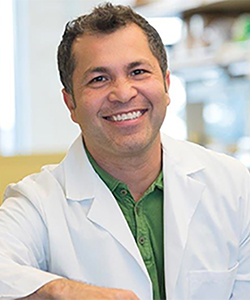
Weiping Tang is a Professor of Pharmaceutical Sciences and Chemistry at the University of Wisconsin-Madison, holding the Janis Apinis Professorship in the School of Pharmacy and the Vilas Distinguished Achievement Professorship. He also serves as Director of the Medicinal Chemistry Center at the School of Pharmacy and maintains a faculty appointment with the Department of Chemistry in the College of Letters and Science. Janis Apinis Professor of Pharmaceutical Sciences Vilas Distinguished Achievement Professor Director of Medicinal Chemistry Center Faculty Appointment with Department of Chemistry Dr. Tang received his B.S. in Chemistry from Peking University in 1997, M.S. in Chemistry from New York University in 1999, Ph.D. in Organic Chemistry from Stanford University in 2005, and completed a postdoctoral fellowship in Medicinal Chemistry, Chemical Biology and Drug Discovery at Harvard University in 2007. Dr. Tang's research program focuses on drug discovery for cancer, infectious diseases, and neurodegenerative disorders through three interconnected areas: Organic Synthesis (advancing glycoscience through novel carbohydrate synthesis technologies), Medicinal Chemistry (developing small molecules that selectively remove disease-associated proteins), and Chemical Biology (dissecting biological pathways using novel small molecule probes). His group operates as an interdisciplinary team where chemists and biologists collaborate closely on drug discovery projects, with particular emphasis on developing novel degraders for disease-causing proteins. Analysis of Dr. Tang's publication record reveals a significant shift toward targeted protein degradation technologies, particularly PROTACs and molecular glues, while maintaining strong foundations in carbohydrate chemistry. His most impactful recent work includes developing degraders for extracellular and membrane proteins (previously considered 'undruggable'), creating rapid synthesis platforms like Rapid-TAC and Rapid-Glue, and advancing understanding of ternary complex formation for novel PROTAC design. His research spans both chemical methodology development and therapeutic applications across multiple disease areas. Vilas Distinguished Achievement Professorship Janis Apinis Professorship Numerous high-impact publications in leading chemistry and pharmacology journals Editor's pick and hot paper designations for significant contributions Dr. Tang mentors a diverse team of graduate students, postdoctoral fellows, and staff scientists with expertise spanning synthetic chemistry, medicinal chemistry, carbohydrate chemistry, computational chemistry, biochemistry, and cell biology. His group has developed innovative platforms for the rapid synthesis of protein degraders and has made significant contributions to understanding the mechanisms of action for these novel therapeutics. Current research includes developing selective degraders for cancer targets like RIPK1, BRD4, and CARM1, as well as advancing delivery systems for clinical translation. The Tang Research Group maintains state-of-the-art facilities within the School of Pharmacy at UW-Madison, equipped for comprehensive chemical synthesis, compound characterization, and biological evaluation. The group actively collaborates with researchers across campus and with industry partners to advance discoveries toward clinical applications, with particular focus on cancer therapeutics and protein degradation technologies.
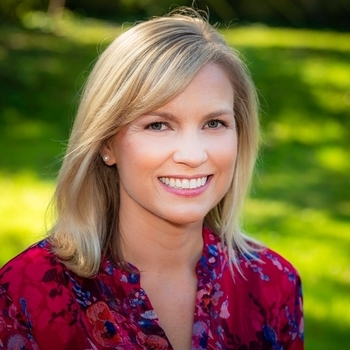
Kelly Arnold is an Associate Professor in the Department of Biomedical Engineering at the University of Michigan. Her research integrates systems engineering principles with immunology to investigate variability in immune responses across infection, vaccination, and injury, with a focus on computational modeling and clinical translation. Research Focus Systems-level immune response modeling Vaccination and antibody functionality Vaginal microbiome-host interactions Chronic lung disease progression Computational serology and proteomics Recent Work Her 2025 studies examine SARS-CoV-2 vaccination responses in cancer patients and computational frameworks for vaginal probiotics. Earlier works (2024-2007) span COPD progression, lupus fibrosis, HIV susceptibility, and tissue engineering for fertility preservation. Methodologies include proteomic profiling, network modeling, and microfluidic systems.
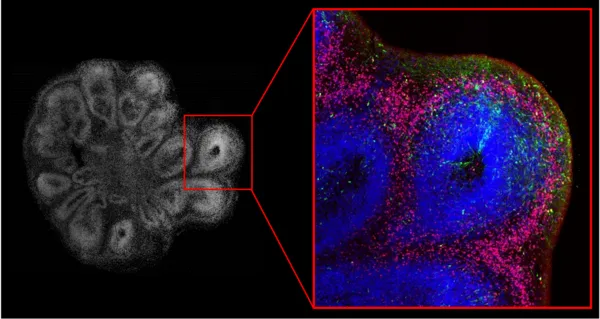
Manuel R. Amieva is a Professor at Stanford University School of Medicine , holding joint appointments in Pediatrics - Infectious Diseases and Microbiology & Immunology . He is also a member of the Maternal & Child Health Research Institute (MCHRI) . His clinical practice at Stanford Medicine Children's Health focuses on pediatric infectious diseases. Education: Medical Education: Stanford University School of Medicine (1997) Fellowship: Stanford University Pediatric Infectious Disease Fellowship (2004) Internship & Residency: Stanford Health Care at Lucile Packard Children's Hospital (1998-1999) Dr. Amieva's research investigates host-pathogen interactions at epithelial barriers, with specific expertise in Helicobacter pylori , Listeria monocytogenes , Salmonella enterica , and Staphylococcus aureus . His lab develops innovative organoid culture systems with controlled polarity to study microbial colonization and oncogenic mechanisms. Key discoveries include: H. pylori's manipulation of epithelial junctions via the CagA protein Listeria's exploitation of cell extrusion sites for invasion Staphylococcus toxin interactions with adherens junctions Gastric stem cell activation by pathogens Recent publication trends show continued leadership in infectious disease mechanisms (2020-2025), with a focus on: Pathogen-specific epithelial breach strategies Organoid modeling of viral/bacterial interactions Redox-dependent host factor regulation Single-cell spatial transcriptomic analyses Multi-institutional educational frameworks His scientific collaborations span disciplines including: Gastric cancer genomics initiatives COVID-19 lung infection models Stem cell-microbe interactions Medical education reform projects Dr. Amieva maintains active clinical research while mentoring students in both the Microbiology & Immunology and Pediatrics programs. His lab at Stanford employs advanced 3D confocal microscopy and organ-on-a-chip technologies to visualize epithelial colonization dynamics.
Prof. Waldemar Kolanus leads the Molecular Immunology and Cell Biology department at the University of Bonn's Life & Medical Sciences Institute (LIMES) . His research bridges immunoregulation , stem cell dynamics , and metabolic stress responses in immune cells. Unit 2 member at LIMES Principal investigator in SFB 704 and ImmunoSensation Cluster Leads a multidisciplinary lab with postdocs, PhD students, and technical staff His work focuses on intracellular signaling pathways connecting immune activation to tissue homeostasis, particularly through: Cytohesin proteins in integrin-mediated adhesion and migration TRIM71 in stem cell regulation and congenital hydrocephalus High-salt environments affecting macrophage function Publication trends show expertise in immune cell migration , genetic models , and chemical inhibition , with frequent use of mice and zebrafish for in vivo studies. Key articles explore: TRIM71's dual role in auditory development and germ cell maintenance Cytohesin family's Golgi regulation and insulin signaling Ruxolitinib's off-target migration inhibition of dendritic cells Contact details: Address: LIMES Institute, Carl-Troll-Straße 31, Bonn Email: kolanus.sekretariat@uni-bonn.de Phone: +49 228 73-62788
Professor Hala Zreiqat AM is a leading biomedical engineer at The University of Sydney , serving as the Director of the ARC Training Centre for Innovative BioEngineering . A Fellow of all major Australian academies (AAS, ATSE, FAHMS, FRSN), she develops 3D printed bioceramics for bone regeneration while championing diversity through initiatives like the IDEAL Society and BIOTech Futures mentorship program. Her work bridges academia, clinical practice, and industry in musculoskeletal research . Research Focus: Her lab creates synthetic bone scaffolds that mimic natural bone architecture, strength, and porosity, enabling non-rejected bone regeneration via patient-matched implants. Key applications include orthopaedic, dental, and maxillofacial repair , with over $18M in competitive funding and multiple patents. Current projects explore AI-driven scaffold performance prediction and anti-senescence strategies for aging-related bone loss. Scientific Trends: Recent publications highlight 3D printed nanovoxelated ceramics , antisenescence biomaterials , and multifunctional theranostic platforms . Her team integrates machine learning for scaffold design, atom probe tomography for interface analysis, and two-photon imaging for cellular monitoring in 3D environments. 2021-2022 Fulbright Senior Scholar 2018 NSW Premier's Woman of the Year 2019 Eureka Prize for Innovative Use of Technology Fellow of Australian Academy of Science (2021) Over $18M in research funding Teaching & Leadership: She designed core courses like Tissue Engineering and Nanomaterials in Medicine , mentoring 158 students in 2020 alone. As Chair of CAAR (2020-2023), she strengthens Australia-Arab collaborations. Her lab trains early-career researchers , with alumni now in academia and industry.
Prof. Dr. Simon Schäfer leads the Schäfer Lab at the Technische Universität München , focusing on engineering advanced organoid systems to study human brain development, disease modeling, and repair mechanisms. His work bridges stem cell biology, gene editing, and bioengineering to develop personalized therapies for brain disorders. Stem Cell & Organoid Technology Neurodevelopmental Mechanisms Neurodegenerative Disease Models Gene Editing & Neuroimmune Interactions Translational Neuroscience Recent research emphasizes brain organoid development, microglia phenotypes, and neurodevelopmental timing anomalies in autism. His team’s work also explores zika virus interactions with glioblastoma stem cells and neuronal plasticity in psychiatric disorders. Scientific awards and funding include support from the Deutsche Forschungsgemeinschaft (DFG), Brain & Behavior Research Foundation (BBRF), and Munich Cluster for Systems Neurology (SyNergy). Collaborations span institutions like the TUM Center for Organoid Systems. Advises 6 students (2 PhD, 1 MSc, 3 associated) Labs include Schäfer Lab, COS@TranslaTUM Contact: simon.schafer@tum.de
Pere Roca-Cusachs Soulere is a Full Professor at the University of Barcelona and Group Leader at the Institute for Bioengineering of Catalonia (IBEC). His research focuses on understanding how cells detect and respond to mechanical signals through physical and molecular mechanisms. He holds significant roles in both academic and research institutions, including leadership in IBEC's Cellular and Molecular Mechanobiology group. Education: PhD in cellular biophysics (2007) from the University of Barcelona Medical School; postdoctoral research at Columbia University (2007–2011). Established his group at IBEC in 2012. Awards include the EMBO Young Investigator Award, City of Barcelona Award, and EBSA Young Investigator Award. Research Interests: Mechanobiology, cellular mechanotransduction, force transmission, nuclear mechanics, and integrin-mediated adhesion. His work bridges biophysics, cell biology, and engineering to study how mechanical forces influence cellular behavior and disease processes. Awards: Recognized for contributions to mechanobiology, including EMBO membership and multiple prestigious awards. His lab develops innovative tools like the MIRO chip to model tumor-immune interactions. Advising & Grants: Leads a multidisciplinary team, collaborating on projects funded by grants focusing on cell mechanics, cancer biology, and tissue engineering. His work integrates experimental and computational approaches to advance understanding of cellular force dynamics. Labs/Teams: Directs the Cellular and Molecular Mechanobiology group at IBEC, a hub for cutting-edge research on mechanosensing and mechanotransduction.
Hector Aguilar-Carreno is a Professor of Virology in the Department of Microbiology and Immunology at Cornell University's College of Veterinary Medicine, where he also serves as Associate Vice Provost in the Office of the Vice President for Research and Innovation. His research focuses on high-mortality paramyxoviruses including Nipah virus (NiV) and Hendra virus (HeV), as well as coronaviruses and other enveloped viruses. Dr. Aguilar-Carreno received his BS in Biochemical Engineering from Instituto Tecnologico de Tepic, Mexico, followed by an MS in Biology from California State University, Los Angeles, and a PhD in Biochemistry and Molecular Biology from the University of Southern California. He completed postdoctoral training in Virology at UCLA under Dr. Benhur Lee before becoming an Assistant Professor at Washington State University's Paul G. Allen School for Global Animal Health. His research spans four main areas: (1) Viral entry mechanisms, where his lab has identified novel domains in viral glycoproteins important for membrane fusion; (2) Viral egress, using multi-omics approaches to study viral assembly and budding; (3) Vaccine development using viral-like particles to generate neutralizing antibodies; and (4) Antiviral discovery targeting enveloped viruses. His lab employs innovative techniques including Flow Virometry and Raman Spectroscopy to study viral entry processes. Analysis of his recent publications reveals a strong focus on paramyxoviruses (particularly Nipah and Hendra viruses), coronavirus research, and the development of broad-spectrum antivirals. His work spans fundamental virology to translational applications, with numerous publications in high-impact journals including Nature, Science, and Cell Reports. President Elect of the American Society of Virology Chair of the American Society of Virology Diversity, Equity, and Inclusion committee Chair of the Cornell CVM Diversity Committee Director of the Cornell Program for Achieving Career Excellence Chair of 16 PhD student thesis committees Dr. Aguilar-Carreno has served on numerous scientific committees including the American Society for Virology Education Committee, the American Society of Microbiology Committee for Minority Education, and as a Standing Member of the VIR-A NIH study section. His leadership extends to chairing the Cornell CVM Diversity Committee and serving on the Cornell presidential postdoctoral fellowship committee, demonstrating significant commitment to diversity and mentorship in science.
Associate Professor Arnold Lining Ju is a biomedical engineer at the University of Sydney's School of Biomedical Engineering, affiliated with multiple institutes including the Heart Research Institute and Sydney Nano Institute. He holds academic positions in both the Faculty of Engineering and Faculty of Medicine & Health. Education: BSc from Peking University, PhD from Georgia Tech and Emory University (USA). Honors include Snow Fellowship, Heart Foundation Future Leader Fellowship, and multiple awards for cardiovascular research innovation. Research focuses on mechanobiology and biomechanics of thrombosis, developing microfluidic devices and organ-on-chip systems. Key projects include AI-driven single-cell nanotools, 3D biofabrication, and anti-thrombotic peptide design. Leads interdisciplinary teams and collaborates internationally with institutions like Harvard and University of Texas. Teaching roles include coordinating advanced cellular biomechanics courses and supervising PhD/Masters students in biomedical engineering and physiology. Over 50 peer-reviewed publications, with contributions to Nature Materials, Nature Communications, and other top journals.
Prof. Andreas Bausch holds the Heinz Nixdorf Endowed Chair of Cell Biophysics at the Technical University of Munich (TUM) within the TUM School of Natural Sciences . His research focuses on cellular biophysics , particularly the mechanical properties of cytoskeletal networks and self-organization mechanisms in biological systems, with applications in biomimetic materials and organoid modeling. Research Areas : Cytoskeletal mechanics, active matter systems, organoid morphogenesis, integrin signaling, synthetic cell models Techniques : Microrheology, in vitro reconstitution, microfluidics, advanced imaging His work has produced over 100 publications in Nature, Science, PNAS , and Physical Review Letters , with recent emphasis on pancreatic cancer organoids and artificial cell membranes . Key findings include: Discovery of topological excitations governing endothelial cell ordering Elucidation of PIP2/PIP3 regulation in integrin phase separation Development of 3D patterned organoid systems for drug screening Major awards include: ERC Synergy Grant (2018) ERC Advanced Grant (2012) ERC Starting Grant (2011) Berlin-Brandenburg Academy of Sciences Prize (2014) He serves as founding director of the Center for Functional Protein Assemblies (CPA) since 2015 and teaches biomechanics , biophysics , and protein assemblies at TUM. His lab investigates both fundamental biophysical principles and their medical applications in cancer and cardiovascular systems.
Lara A. Estroff is a Full Professor and the current Chair of the Department of Materials Science and Engineering at Cornell University's College of Engineering. She has been a faculty member since 2005 and served as Director of Graduate Studies from 2015 to 2019. Her academic leadership and research excellence position her at the forefront of bio-inspired materials and biomineralization research. Her educational background includes a B.A. in Chemistry from Swarthmore College (1997) and a Ph.D. in Chemistry from Yale University (2003), followed by an NIH-funded postdoctoral fellowship at Harvard University in the lab of Prof. George M. Whitesides. Dr. Estroff's research centers on the fundamental mechanisms of crystal growth, biomineralization, and pathological mineralization. She investigates how organisms control mineral formation and applies these principles to engineer synthetic materials with complex structures and functionalities. Her work spans biomaterials, tissue engineering, and energy materials—particularly hybrid organic-inorganic perovskites for photovoltaics. She employs advanced characterization techniques and has pioneered in situ methods to monitor crystallization dynamics. Her recent publications reveal a strong trend toward interdisciplinary research, integrating materials science with cancer biology, immunology, and machine learning. The articles emphasize bio-inspired synthesis, mineral-tissue interactions, and the development of functional crystalline materials for medical and energy applications. Faculty Early CAREER Award, National Science Foundation (2009) Fiona Ip Li '78 and Donald Li '75 Excellence in Teaching Award, Cornell College of Engineering (2007) Marilyn Emmons Williams Award, Cornell Undergraduate Research Board (2009) Keynote Speaker, Gordon Research Seminar on Biomineralization (2012) Lawrence Berkeley National Lab Affiliate (2013) Dr. Estroff leads a major DOE-funded project titled “Formulation Engineering of Energy Materials via Multiscale Learning Spirals,” a $3 million, three-year initiative using machine learning to optimize perovskite synthesis for solar cells. She has advised numerous graduate students and postdoctoral researchers, and her lab is known for fostering collaborative, cross-disciplinary research. She has also contributed to educational initiatives at Cornell, particularly in undergraduate research and materials education. Her research group operates at the intersection of chemistry, engineering, and biology, focusing on high-resolution characterization of biominerals, in situ crystal growth studies, and the design of in vitro models for cell-mineral interactions. The lab actively collaborates with institutions including Lawrence Livermore National Laboratory, National Renewable Energy Laboratory, and Johns Hopkins University.
Prof. Dr. med. Franz Lennard Ricklefs is a Senior Physician and Head of the Working Group at the Department of Neurosurgery, University of Hamburg Faculty of Medicine. He is a Medical Specialist in Neurosurgery with cross-disciplinary expertise in neuro-oncology, molecular pathology, and extracellular vesicle research. Affiliations: University Medical Center Hamburg-Eppendorf (UKE), European Liquid Biopsy Society (ELBS), International Consortium on Meningiomas (ICOM) Research Interests: His work focuses on neurosurgical oncology, particularly glioblastoma and meningioma pathobiology. He investigates DNA methylation patterns, extracellular vesicle biomarkers, and liquid biopsy implementation in clinical neuro-oncology. Additional interests include surgical outcomes for epilepsy and aneurysm management. Article Trends: Over the last decade, Dr. Ricklefs has published extensively on: Extracellular vesicle applications as liquid biopsy markers DNA methylation subclasses for glioblastoma and meningioma Multicenter surgical outcome benchmarking Immune evasion mechanisms in neuro-oncology Technological innovations in neurosurgical visualization Molecular characterization of rare CNS tumors Professional Contributions: He co-authored the MISEV2023 guidelines for extracellular vesicle studies and participates in international consensus reviews for meningioma classification. His collaborations span institutions across Europe and North America.
Prof. Wouter Roos is a Professor at the University of Groningen's Faculty of Science and Engineering, affiliated with the Molecular Biophysics department at the Zernike Institute for Advanced Materials. His research focuses on viral dynamics, membrane assemblies, and protein mechanics, utilizing advanced techniques like High Speed Atomic Force Microscopy (HS-AFM) and optical tweezers. Education: Studied Physics at the Universiteit van Amsterdam, earned a PhD from the Universität Heidelberg under Joachim Spatz. Conducted postdoctoral research at Max-Planck-Institut, Institut Curie, and Vrije Universiteit before joining Groningen in 2015. Research Interests: Physical Virology (viral material properties and dynamics), membrane biophysics (synthetic cells and lipid interactions), and molecular motor systems. His work bridges physics, chemistry, and biology to understand nanoscale biological processes. Recent Article Trends: Studies on hybrid membranes for synthetic cells, leukemic cell mechanics, and antibiotic-membrane interactions highlight his interdisciplinary approach. Key techniques include HS-AFM and single-particle tracking. Awards: Received a VIDI grant and multiple national/international grants. His lab leads the oLife Co-Fund consortium and participates in the MOSBRI research infrastructure. Grants & Leadership: Coordinates the oLife Fellowship Programme and chairs the Molecular Biophysics Lab. Active in steering committees for EU-funded initiatives. Labs/Teams: Heads the Molecular Biophysics Lab, focusing on viral dynamics and membrane systems. Collaborates globally on projects like ESCRT-III polymerization and antibiotic mechanisms.