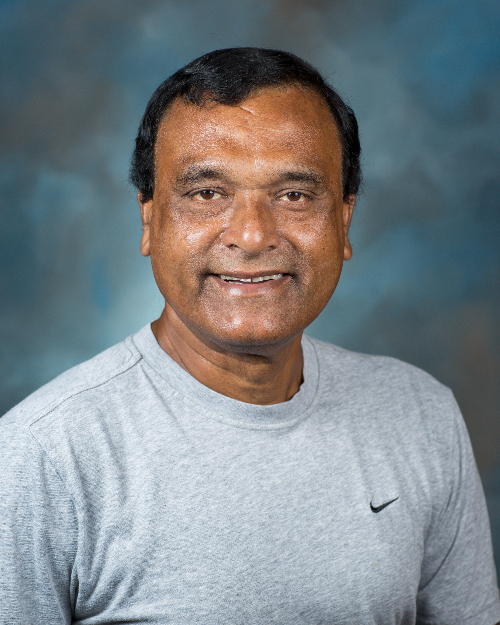
Dr. Dakshina R. Seal is a Research Scientist at the UF/IFAS Tropical Research and Education Center (TREC) in Homestead, Florida. His primary focus is on entomology and integrated pest management (IPM) strategies for vegetable crops, particularly in tropical/subtropical agro-ecosystems. He investigates key insect pests such as silverleaf whitefly, melon thrips, chilli thrips, and cornsilk fly, developing IPM programs to mitigate crop damage. His work spans research, extension, and outreach, collaborating with county agents and agricultural committees to disseminate pest management practices. Affiliations: UF/IFAS TREC, Entomology and Nematology Department Key Activities: Pest biology studies, extension programs, and collaborative projects with state faculty and agricultural stakeholders Research interests include invasive species management, pest behavior, and sustainable pest control methods. He has authored numerous extension publications on pest identification, life cycles, and management strategies, emphasizing both chemical and biological control approaches. His work addresses emerging threats like the skink glue snail and invasive thrips species in Florida. Publications highlight trends in pest biology, IPM implementation, and the ecological impact of invasive species. Collaborations with institutions like FDACS-DPI and the Florida Agricultural Extension network strengthen his outreach efforts. Though no formal awards or grants are listed, his contributions to agricultural pest management are significant through practical field applications and educational resources.
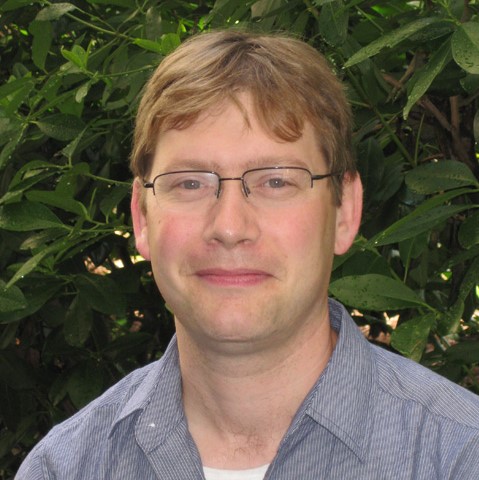
Adam C.N. Wong is an Assistant Professor in the Department of Entomology and Nematology at the University of Florida. His research focuses on host-microbe interactions, particularly how microbiomes influence insect behavior, physiology, and pathology. He employs multi-omics and molecular genetic approaches to study Drosophila species and non-model insects like chironomids and Drosophila suzukii. Key research themes include: 1) microbiome effects on host foraging and nutrient preference, 2) sex-specific microbiome-behavior interactions, and 3) microbiome roles in pest insect adaptation to new environments. Recent work explores microbiome-based strategies for sustainable pest control, collaborating with USDA-ARS on semiochemical development. His lab investigates mechanisms like microbiome-mediated metabolic shifts, virulence pathways of gut pathogens, and long-term developmental impacts of early microbiome perturbations. Research outputs span behavioral modulation, symbiosis dynamics, and agricultural applications of microbiome science. Contact: Steinmetz Hall, Gainesville, FL | adamcnwong@ufl.edu | Lab Website
Gordon Berman is Associate Professor in Biology at Emory University, using computational approaches to model animal behavior across species. His lab develops theoretical frameworks to understand behavioral repertoires through connections to neurobiology, genetics, and evolution. He holds a PhD from Cornell University and leads the Theoretical Biophysics research cluster. Research integrates mathematical modeling with experimental data to uncover principles of behavioral organization. Current projects analyze temporal patterning in rodent vocalizations, biomechanics of insect control, and evolutionary trajectories of fruit fly behaviors. Techniques include machine learning for behavioral classification and dynamical systems modeling. Publications appear in Nature, Current Biology, and Journal of Experimental Biology. Teaching includes computational neuroscience courses and supervision of graduate students in biology and biomedical engineering programs.
Kent M. Daane is Professor of Cooperative Extension Specialist at UC Berkeley, developing ecologically-based pest management systems for agricultural crops through biological control and sustainable practices. Research focuses on mealybug management in vineyards, invasive species control (olive fly, spotted wing drosophila), and vector-pathogen interactions in tree crops. Current projects investigate Grapevine Red Blotch Virus epidemiology and biological control agent evaluation. Education: Ph.D. Entomology, UC Berkeley B.A. Zoology, UC Santa Barbara Awards: IOBC Distinguished Scientist Award (2020) California EPA IPM Achievement Award (2017)
Dr. Lena Riabinina is an Associate Professor in the Department of Biosciences at Durham University and a Fellow of the Wolfson Research Institute for Health and Wellbeing. Her research focuses on genetic tool development, insect sensory neuroscience, and sensory ecology in species such as Drosophila, mosquitoes, bumblebees, and black soldier flies. PhD: University of Sussex (2009), studying insect visual navigation Postdoctoral positions: UCL, Johns Hopkins University, Imperial College, and Manchester University Joined Durham as Assistant Professor in 2019, promoted to Associate Professor in 2023 Research interests include: Genetic tools for non-model insects (e.g., mosquitoes) Insect olfaction and neuroethology Co-evolution of courtship songs and hearing in Drosophila Recent articles explore mosquito blood-feeding patterns, bee neuroecology, and genetic expression systems. Her lab (InsectNeuroLab) actively develops interdisciplinary approaches to study insect sensory systems. Supervises four PhD students and holds grants from the Daiwa and Sasakawa Foundations. Currently advertising self-funded PhD projects and MRes opportunities in areas like mosquito genetic tool development and AI-driven insect behavior analysis.
Xinyi (Abby) E serves as Professor of Practice in the Carl and Melinda Helwig Department of Biological and Agricultural Engineering at Kansas State University's Carl R. Ice College of Engineering, where she designs and teaches the biomanufacturing program curriculum. Her academic credentials include: MBA in Business Administration, Kansas State University (2022) Ph.D. in Biosystems and Agricultural Engineering, University of Kentucky (2013) M.S. in Grain Science, Kansas State University (2010) B.S. in Food Technology, China Agricultural University (2007) Dr. E's research bridges industrial application and academic theory, specializing in biomanufacturing systems, food safety protocols, and stored product protection. Her expertise encompasses fumigation technology development, integrated pest management for agricultural commodities, and micro-algae bioreactors for carbon dioxide mitigation. This knowledge was directly applied during her industry tenure at PureLine where she engineered solutions for food safety challenges. She has authored nine peer-reviewed publications across entomology and engineering journals including the Journal of Stored Products Research and Journal of Economic Entomology. Her pioneering work on chlorine dioxide fumigation established efficacy for controlling stored-product insects at commercial scales, representing significant innovation in post-harvest technology. Dr. E's professional trajectory demonstrates seamless integration of academic research and industry leadership. Her three-year postdoctoral focus on stored product IPM systems preceded doctoral research on nutrient recycling in micro-algae bioreactors, while her current role leverages an MBA to develop biomanufacturing curricula that address real-world agricultural technology gaps.
Dr. Randall Brooks serves as Extension Professor of Forestry and Extension Forestry Specialist at the University of Idaho's College of Natural Resources. His academic credentials include a PhD in Forest Science (Michigan Technological University, 1996), MS in Forest Soils (1989), BS in Forest Management (Oklahoma State University, 1986), and AS in Agriculture (Connors State College, 1984). His research examines sustainable forest management practices with emphasis on biomass utilization, biofuels production, water resource management, and pest/disease control strategies. He maintains field research partnerships addressing operational forestry challenges in the Pacific Northwest region.
Joshua King is a Professor in the Department of Biological Sciences at the University of Central Florida (UCF), leading the Joshua R. King Laboratory. His research focuses on community ecology, invasion biology, and social insects—particularly ants—in natural and human-altered landscapes, aiming to understand how land-use changes drive species invasions and disrupt ecosystem services through experimental and comparative field studies. Dr. King's work emphasizes ecosystem service provisioning by insects, mechanisms of species invasions , and conservation solutions for human-impacted ecosystems. His lab investigates how social insects like fire ants alter community assembly, using innovative methods such as hot-water colony removal to protect endangered species. Recurring themes include the ecological dominance of invasive ants, their impacts on soil carbon dynamics, and the development of pesticide-free management strategies for wildlife conservation. Analysis of his 2020-2025 publications reveals a strong trend toward climate change impacts on decomposition processes, economic valuation of insect-mediated ecosystem services (e.g., dung removal), and practical applications for invasive species control. His research consistently bridges fundamental ecology with real-world conservation challenges, particularly in Florida ecosystems. Dr. King's key recognition includes: 2023 Theodore Roosevelt Genius Prize for creating an environmentally safe insect control system to protect ground-nesting wildlife from invasive ants. His collaborative research projects—such as the RUI grant on ants and soil carbon dynamics—demonstrate active grant acquisition, while his laboratory serves as a hub for interdisciplinary work involving field experiments, community ecology, and conservation technology development. Though specific student advising details are limited in available texts, his publications indicate mentorship in entomology and ecosystem science. The Joshua R. King Laboratory specializes in hot-water ant eradication techniques and ecosystem service quantification, with direct applications for preserving endangered species like the Florida Grasshopper Sparrow. Current projects focus on climate-driven decomposition dynamics, dung beetle ecology in agriculture, and non-chemical fire ant management in subtropical pastures.
Dr. Stuart Reitz is Director at the Malheur Agricultural Experiment Station, Oregon State University, where he leads research and extension programming related to cropping systems in Malheur County. His work focuses on Integrated Pest Management (IPM), ecology and management of insect vectors of plant pathogens, particularly in onion and potato production systems in the Treasure Valley region of Eastern Oregon and Southwestern Idaho. Dr. Reitz's educational background includes: Ph.D. in Entomology from Clemson University (1994), with dissertation on "Reproductive Biology of Eucelatoria bryani and Eucelatoria rubentis (Diptera: Tachinidae), Larval Parasitoids of Helicoverpa zea (Lepidoptera: Noctuidae)." M.S. in Zoology from Clemson University (1988), with thesis on "Relationships of Feeding and Locomotor Activity to Intraspecific Social Dominance in Captive Wintering Savannah Sparrows." B.S. in Biology (minors in Geography and Chemistry) from University of South Alabama (1985). Dr. Reitz's research primarily centers on thrips management, particularly western flower thrips ( Frankliniella occidentalis ), and their role in transmitting plant pathogens like Iris yellow spot virus. His work spans entomology, plant pathology, food safety, and integrated pest management strategies for onion and potato production. He investigates biological control methods, insecticide resistance, and the impacts of agricultural practices on pest dynamics and pathogen transmission. His recent publications demonstrate a strong focus on food safety concerns related to onion production, particularly examining Escherichia coli contamination risks and mitigation strategies. There's also significant work on thrips ecology, invasive species dynamics, and novel pest management approaches including RNAi technology. His research bridges fundamental entomological questions with practical agricultural applications. Dr. Reitz has received numerous awards including: Oregon Farm Food Safety Team Award, OSU Extension Association (2019) Western Region Excellence in Multistate Research Award for "Managing Onion Pests and Diseases" (2018) Award of Excellence for Training IPM Professionals in Rural Areas (2017) "Ask-an-Expert" Outstanding Performer, Oregon State University Extension (2017) Strategic Impact Award, OSU University Outreach and Engagement (2016) Hoecker Newer Faculty Award, Oregon State University Extension Service (2016) Dr. Reitz actively mentors graduate students through both the Crop and Soil Science Department and the Entomology Program at Oregon State University. He has secured significant funding for research on onion pest management, food safety, and integrated pest management strategies. His work often involves collaboration with researchers across multiple institutions and states, particularly through multistate research projects focused on onion production challenges. Dr. Reitz leads research efforts at the Malheur Agricultural Experiment Station, where his team conducts field studies on onion and potato pests, pathogen transmission, and food safety concerns. His work directly informs extension programs that support regional onion growers in implementing effective pest management strategies while meeting food safety regulations.
Christy Tanner is an Associate Professor in the Department of Crop and Soil Science at Oregon State University . Her work focuses on field crop production in the South Willamette Valley, particularly for grass, legume, and specialty seed crops, cereals, mint, and meadowfoam. Specializes in aerial imagery (via drones) for assessing vole damage in grass seed fields Expertise in pesticide education , integrated pest and weed management , and nutrient management to improve soil health and reduce tillage Developed the Mint Pest Alert Growing Degree Web App for pest forecasting Dr. Tanner contributes to the PNW Insect Management Handbook and produces extension materials for practical agricultural solutions. Her research bridges applied crop science with environmental sustainability, particularly in pesticide and tillage practices.
Darrin Walenta is an Associate Professor and Extension Agronomist at Oregon State University's Department of Crop and Soil Science within the College of Agricultural Sciences . He has served at OSU since 2000, focusing on field crop responsibilities in Union, Baker, and Wallowa Counties. His work bridges research and outreach, addressing practical agricultural challenges through integrated pest management (IPM) and plant pathology. Education : B.S. in Agronomy from Oklahoma State University (1992); M.S. in Crop Science from Washington State University (2001). Dr. Walenta's research centers on ergot disease in grass seed crops, herbicide resistance , and insect vector dynamics . He develops predictive models for pest outbreaks and employs information technology to enhance disease surveillance. His projects often involve collaborations with USDA-ARS and Pacific Northwest agricultural stakeholders. His recent publications highlight advancements in ACCase-inhibitor resistance monitoring, invasive moth management , and fungicide efficacy for ergot control. He has pioneered tools like the Ergot Alert Newsletter and electronic pest alert systems for real-time grower support. Scientific Awards : Distinguished Service Awards (2024, 2016); Vice Provost Award for Outreach Excellence (2018); Experienced/Newer Faculty Awards (2013, 2006). Dr. Walenta leads community partnerships to improve IPM adoption, including the Electronic Mint Pest Alert Newsletter and learner-centered education programs . His outreach spans grass seed production , potato pest management , and agricultural technology training .
Steven Perakis is a Courtesy Faculty member in the Department of Forest Ecosystems & Society at Oregon State University's College of Forestry. His research focuses on terrestrial ecosystem ecology and biogeochemistry, particularly nutrient cycling, watershed studies, and riparian biogeochemistry. He holds a B.S. from the University of Pennsylvania (1990), an M.S. from the University of Washington (1994), and a Ph.D. from Cornell University (2000). Perakis’s work addresses how nitrogen and other nutrients interact with climate, disturbances, and ecosystem processes. Recent studies explore nitrogen fixation dynamics, climate change impacts on nutrient cycles, and the role of bedrock-derived nutrients in forest systems. He has contributed to guides on forest responses to air pollution and frameworks for scaling nitrogen fixation measurements. His research integrates field experiments, isotopic tracing, and ecosystem modeling. Key findings include the discovery that nitrogen-fixing red alder trees access rock-derived nutrients and that nitrogen deposition weakens soil carbon control over nitrogen dynamics. Perakis collaborates widely, with publications addressing riparian ecosystem linkages, nutrient limitation patterns, and the ecological consequences of disturbances like fire.
Surendra Dara is a Professor at Oregon State University's College of Agricultural Sciences, Department of Horticulture. With over 25 years of entomology experience, his research focuses on Integrated Pest Management (IPM), microbial control, and sustainable agriculture practices including irrigation, nutrient management, and biological soil amendments. His extensive publication record demonstrates consistent focus on sustainable pest management solutions across diverse crops including berries, vegetables, and field crops. Recent work emphasizes biocontrol agents, crop resistance, and practical applications for agricultural communities globally. Dara has trained farmers internationally and authored over 400 scientific publications including books, journal articles, and special issues. He maintains an active extension program addressing grower needs in pest management and sustainable production systems.
Amy Jo Detweiler is a Professor in the Department of Horticulture at Oregon State University's College of Agricultural Sciences. She directs the local Master Gardener program, providing community education in sustainable landscaping and gardening practices. Her research specializes in water conservation, fire-resistant landscaping, and climate-appropriate gardening for the Intermountain West region. Her expertise encompasses xeriscaping techniques, fire-wise plant selection, high desert horticulture, and season extension methods. Detweiler develops practical solutions for both home gardeners and commercial green industries. Detweiler's publications focus on sustainable horticultural practices, including backyard fruit production, pollinator-friendly landscaping, and integrated pest management. Her work emphasizes regionally adapted, environmentally responsible gardening techniques. She leads educational initiatives through the Master Gardener program, training volunteers to disseminate research-based horticultural knowledge to communities across Central Oregon.
Heather Stoven serves as an Associate Professor (Practice) at Oregon State University in the Department of Horticulture within the College of Agricultural Sciences. As the Community and Small Farms Horticulturalist for Yamhill County, she oversees the Master Gardener program and provides vital support to community gardening and small farm initiatives throughout the region. Her work bridges academic research with practical application, focusing on sustainable horticultural practices that address contemporary challenges facing Oregon's agricultural community. Dr. Stoven holds an M.S. from UC Davis (2003) in Plant Protection and Pest Management, with specialized expertise in mealybug pests of nurseries. Her educational background provided the foundation for her extensive work in pest management and sustainable horticulture practices. Her research interests span multiple critical areas of contemporary horticulture, with particular emphasis on drought-tolerant landscaping using native and adapted plants, sustainable small farm management, integrated pest management for fruit trees, and community-based gardening education. She has conducted extensive research on plant species suitable for Western Oregon's climate without summer irrigation, including manzanitas, rockroses, and California lilacs. Her work in nursery production systems, particularly with alternative substrates and pest management, addresses practical challenges faced by growers. Additionally, she has made significant contributions to understanding urban and suburban landscape management that supports pollinator health. Dr. Stoven's recent publications reveal a strong focus on practical horticultural guidance for Oregon's unique climate challenges. Her work increasingly emphasizes climate-resilient gardening practices, particularly drought-tolerant landscape solutions for Western Oregon. She has produced an extensive series of publications on specific plant groups that thrive without summer irrigation, alongside comprehensive pest management guides for various fruit trees. Her research demonstrates a consistent pattern of translating scientific knowledge into actionable guidance for both professional growers and home gardeners. Dr. Stoven has received numerous prestigious awards recognizing her exceptional contributions to agricultural extension and communication: Communications Award: Newsletter by Team, National Association of County Agricultural Agents (July 17, 2024) Communications Award: Publication (National Finalist), National Association of County Agricultural Agents (August 2023) David Gibby Search for Excellence Award, International Master Gardener Conference (February 21, 2023) Silver Award Winner: Supporting gardeners through an extreme heat event, Social Media Campaign (Organic), Association for Communication Excellence (April 14, 2022) Search for Excellence Award, OSUEA (November 2, 2021) As a dedicated mentor, Dr. Stoven accepts graduate students in Horticulture, guiding the next generation of horticultural professionals. Her extension work through the OSU Small Farms Program has secured significant funding for projects supporting small-scale agricultural operations across Oregon. She has been instrumental in developing resources like the "Croptime" degree-day models, which help farmers optimize planting and harvesting schedules based on climate conditions. Her work with the Master Gardener program has expanded educational opportunities for community members interested in sustainable gardening practices. Dr. Stoven collaborates extensively with the North Willamette Research and Extension Center and contributes to the OSU Extension Service's outreach efforts. Her work with the "Olea Project" demonstrates her involvement in innovative agricultural initiatives, exploring the viability of olive farming in Oregon's climate. She regularly partners with county agricultural agents and conservation districts to address local horticultural challenges, creating a robust network of support for Oregon's gardening and small farm communities.