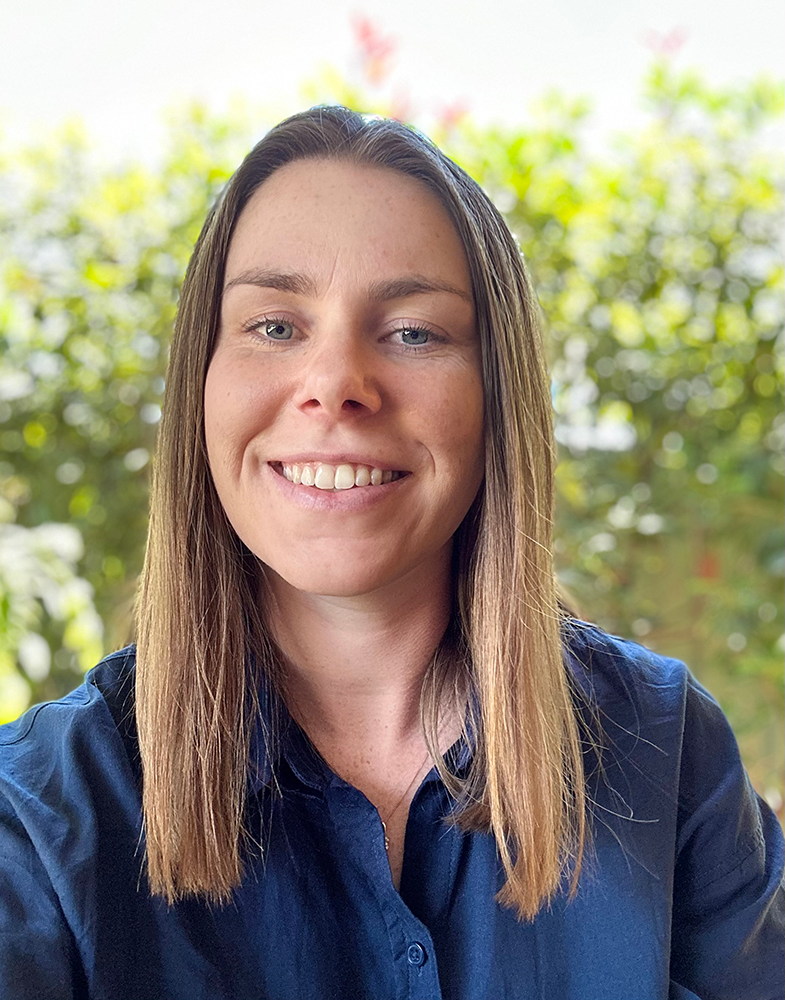
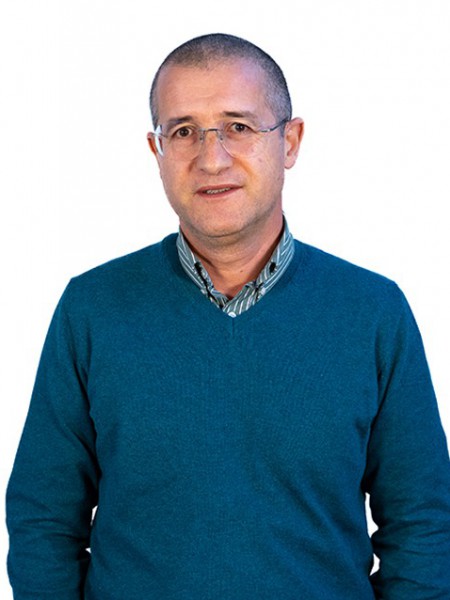
Michael McAlpine is a Professor in the Mechanical Engineering department at the University of Minnesota . He also holds affiliations with the Biomedical Engineering and Electrical and Computer Engineering departments. His research focuses on 3D printing functional materials & devices , Nanoscale inks , Biomedical devices , Bioelectronics , and Flexible Microsystems . Research Interests : 3D Printing, Biomedical Engineering, Nanotechnology, Flexible Electronics, Microfluidics Labs : ME 361/363 Contact : mcalpine@umn.edu , (612) 626-3303, ME 117 Recent Research Trends include 3D Printed Biomedical Devices , Flexible Electronics , and Bioprinting Applications . His work spans from Spinal Organoid Formation to Programmable Drug Release Capsules . Scientific Award : Circulation Research 2020 Best Manuscript Award
Jan Dijkstra is an Associate Professor at Wageningen University specializing in Animal Nutrition . His research focuses on dairy cattle nutrition, methane emissions, and nutrient efficiency. Academic Rank: Associate Professor Department: Animal Nutrition His work emphasizes: Mathematical modelling of methane production Phosphorus and nitrogen balance optimization Feed supplementation strategies for reduced emissions Genotype-environment interactions in dairy systems Recent publications highlight advancements in methane mitigation , nutrient cycling , and rumen microbiome dynamics . He serves as a promotor for multiple PhD projects and contributes to datasets on equine microbiomes and rumen metabolites. Scientific Awards American Feed Industry Association Award (2015) Publicatieprijs ASG (2013) Supervision PhD candidates: Kozorezov, Henry, Koning, Vivares Martinez EngD candidate: Holshof
Thomas Winkler is an Associate Professor at the Division of Micro and Nanosystems, KTH Royal Institute of Technology, Sweden, and collaborates with TU Braunschweig, Germany. His research focuses on solving life science challenges using microsystems tools, particularly in neuropsychiatric disorders like schizophrenia. He develops organ-on-chip models, engineered microfluidic platforms, and biosensors for point-of-care diagnostics. Winkler leads an interdisciplinary ERC-funded team addressing metabolic coupling in neurovascular units and oxidative stress biomarkers. Key achievements include the ERC Starting Grant (2023) and work on electrochemical sensors for clozapine monitoring. He teaches courses such as Microsystem Technology (EK2350) and supervises PhD and postdoctoral researchers. Current projects include machine learning-guided robotic organoid maturation and electrochemical technology development for the CHIPzophrenia initiative. His lab actively seeks talent through open positions in Stockholm and Braunschweig. Scientific awards include the ERC Starting Grant and Marie Skłodowska-Curie Actions Fellowship. Research spans sensor development, microfabrication, and biomaterials, with a focus on translating lab technologies to clinical applications. Collaborations bridge engineering and life sciences, emphasizing personalized mental healthcare solutions.
Professor Ingrid Undeland leads the Marine research group at the Division of Food and Nutrition Science, Department of Life Sciences at Chalmers University of Technology. She is a distinguished researcher with expertise spanning marine food science, lipid chemistry, and blue biorefining, having established herself as a leading figure in sustainable seafood research and marine biotechnology. Her educational background includes food science studies from Linnaeus University and a PhD in bioscience from Chalmers University of Technology and SIK (now RISE). Between 1999-2002, she was a post-doctoral fellow at University of Massachusetts Marine Station, which significantly shaped her research trajectory in marine food science. Professor Undeland's research focuses on pioneering next-generation seafood through innovative value chains from seaweed, small pelagic fish, fish side streams, mussels, and microalgae. Her specialized expertise lies in marine lipids and proteins, particularly their stabilization, isolation from complex sources, and nutritional properties including digestibility. She has extensive experience with antioxidant strategies using plant-derived side streams or extracts and fundamental studies of fish hemoglobins as pro-oxidants. Her work also encompasses innovative technologies for biomass fractionation and nutrient recycling to build blue biorefineries, along with in vitro digestion models and general seafood analytics. Beyond marine research, she explores filamentous fungi as sustainable alternative food protein sources. The trends in her recent publications reveal a strong emphasis on valorizing marine resources through advanced processing techniques. Her work increasingly focuses on sustainable extraction methods for seaweed proteins, particularly Ulva fenestrata, and developing antioxidant strategies using berry side streams to stabilize fish proteins. There's a growing interest in understanding the nutritional properties and digestibility of alternative marine proteins, along with environmental assessments of processing technologies. Her research consistently bridges fundamental science with practical applications for creating sustainable seafood value chains. Swedish representative in Nordic Lipidforum, WEFTA, and EuCheMS Editorial board member of Journal of the Aquatic Food Product Technology Member of the National Committee for Nutrition and Food Science at the Royal Swedish Academy of Sciences Co-founder of the startup company AquaFood H-index of 47 according to Google Scholar Professor Undeland has an extensive record of academic mentorship, having supervised or currently supervising 23 PhD students, 14 postdoctoral researchers, and examining over 25 MSc students. Her research is supported by numerous grants, including the WaSeaBi Project which focuses on valorizing seafood side-streams through holistic value chain design. She collaborates with various industry partners and academic institutions across Europe. Her laboratory includes technicians Dr. Karin Larsson and Dr. Rikard Fristedt, and she leads a dynamic research team working on multiple projects related to marine biorefining and sustainable seafood development. Her research group operates within well-equipped facilities at Chalmers University, with specialized laboratories for marine food analysis, protein extraction, lipid oxidation studies, and in vitro digestion modeling. The team also maintains cultivation systems for seaweed and filamentous fungi, enabling integrated research from raw material production to final product development.
Frida Hållenius is an Associate Professor and Senior Lecturer in Molecular Nutrition at the Division of Food and Pharma, Faculty of Engineering (LTH), Lund University. She is a key member of the LTH Profile Area: Food and Bio and leads or actively participates in multiple research projects exploring the role of diet and gut microbiota in human health. Associate Professor in Molecular Nutrition Senior Lecturer, Division of Food and Pharma Faculty of Engineering (LTH), Lund University Principal Investigator, Gut Microbiome Laboratory (GML) Active researcher in 3 ongoing projects, including NeuroFood and ScanOats Her research is centered on host-microbiota interactions, particularly how dietary components, probiotics, and polyphenols influence gut health, inflammation, metabolic diseases, and neuroinflammation. Her work bridges nutrition, microbiology, and neuroscience, with a strong focus on preventive strategies for lifestyle-related diseases such as obesity, diabetes, and Alzheimer’s disease. She employs both animal models (e.g., C57BL/6, Apoe-/- mice) and human-relevant in vitro systems to study dietary interventions. The recent trends in her publications highlight a strong focus on the gut-brain axis, the impact of Nordic berries and legumes on microbiota and metabolic health, and the use of advanced models like 3D intestinal tissue. Her work often involves interdisciplinary collaboration and contributes to multiple UN Sustainable Development Goals, particularly those related to good health and well-being. Scientific Awards: No specific awards mentioned in the provided text. She has supervised several junior researchers and students, including research students and assistants, and is actively involved in grant-funded research projects from FORMAS and private foundations. She leads the Gut Microbiome Laboratory (GML), a collaborative research environment focused on understanding how diet shapes the gut microbiome and influences disease pathways. Her leadership in projects like NeuroFood and those targeting Alzheimer’s disease underscores her commitment to translational nutritional science.
Maria Manuela Pintado is Full Professor and Director of CBQF research center at Universidade Católica Portuguesa's Faculty of Biotechnology. She leads interdisciplinary research in sustainable food systems and functional ingredients. Research domains include: Valorization of agro-industrial byproducts Development of bioactive edible films Design of functional foods for chronic disease prevention Circular economy applications in food systems Recent publications (2023-2025) show strong focus on sustainable biomaterials and health-promoting ingredients, with notable increases in circular economy applications and precision nutrition studies. Key innovations include antiviral biopolymers from yeast and bioactive films for food preservation. Awards include recognition for circular economy innovations and upcycling research. Directs extensive EU-funded projects including THRIVE (€4M) and CIRCUL-A-BILITY, supervising large research teams and industrial partnerships.
Hans Bouwmeester is a Full Professor in Toxicology at Wageningen University & Research, specializing in chemical risk assessment, nanomaterial toxicity, and in vitro modeling. His work focuses on integrating artificial intelligence and physiologically based kinetic (PBK) models to predict toxic effects of contaminants like organophosphate pesticides, microplastics, and mycotoxins. He leads projects exploring the health impacts of foodborne contaminants in inflammatory bowel disease and developing animal-free testing methods. Key collaborations include EU initiatives like the ONTOX project and the GUTTEST program, which utilize advanced in vitro models such as gut-on-a-chip systems. Research interests span toxicokinetics, nanoplastics exposure, and the application of Bayesian networks for nanomaterial hazard ranking. His team addresses translational challenges in linking in vitro data to in vivo outcomes, with a focus on bile acid metabolism and cardiotoxicity prediction. Bouwmeester has supervised over 10 PhD candidates, including studies on microplastic hazard assessment, nanomaterial gastrointestinal fate, and AI-driven data extraction for risk assessment. Notable contributions include datasets on nanoplastics' protein corona effects and transcriptomic analyses of intestinal cell responses. His work is published in journals like Ecotoxicology and Environmental Safety , Toxicology , and Environmental Science & Technology , emphasizing open-access research and interdisciplinary approaches to chemical safety.
Detmer Sipkema is an Associate Professor at Wageningen University & Research, affiliated with the VLAG WIMEK faculty and the Department of Molecular Ecology. His research focuses on microbial ecology, marine biology, and biotechnology, particularly in aquaculture systems and sponge symbionts. He leads projects on metabolic modeling of marine bacteria, ecological impacts of seaweed farming, and probiotics development for aquaculture. Key research interests include microbial diversity, anaerobic digestion in aquaculture waste, and applications of artificial intelligence in microbial studies. He has supervised multiple PhD candidates exploring topics like microbial symbiosis, gut microbiota dynamics, and sustainable aquaculture practices. His work integrates multi-omics approaches, environmental microbiology, and bioprospecting for novel bioactive compounds. Sipkema has published widely on sponge microbiomes, anaerobic processes, and aquaculture sustainability. His datasets include bacterial community analyses from sponges and microalgae, contributing to understanding symbiotic relationships and biotechnological applications.
Prof. Dr. Laura Nyström is a Full Professor of Food Biochemistry at ETH Zurich's Department of Health Sciences and Technology (D-HEST), part of the Institute of Food, Nutrition and Health (IFNH). She leads a research group focused on sustainable food systems, dietary fiber mechanisms, and plant-based material utilization. Her career includes tenure as Assistant Professor (2009–2016) and Associate Professor (2016–2021) before her promotion to Full Professor in 2022. She also chairs the D-HEST department since 2022. Education: MSc (2002) and DSc (2008) in Food Sciences from the University of Helsinki, Finland. Postdoctoral research (2008–2009) in Cereal Technology at the same institution. Research Interests: Healthy and sustainable foods via plant-based materials Health-promoting dietary fiber interactions Genetic diversity of grains and crop utilization Antioxidant extraction from olive mill waste (co-founding Gaia Technologies GmbH) Development of analytical methods for food chemistry Scientific Contributions: Over 70 publications, 3 book chapters, and 2 patents ERC Starting Grant (2015), AOCS Young Scientist Award (2017), and ETH Zurich Leadership Award (2018) Advising & Innovation: Guided interdisciplinary research teams on food chemistry and sustainability Co-developed industrial partnerships for food waste valorization Labs & Initiatives: EPNOE (European Polysaccharide Network) collaborations HealthFerm citizen science project on sourdough fermentation
MARIO MARTINEZ MARTINEZ is Associate Professor at University of Valladolid's Department of Agricultural and Forestry Engineering, with secondary appointments at Aarhus University and Purdue University. His research develops plant-based macromolecular assemblies for food, pharmaceutical, and packaging applications. Research focuses on: Structure-function relationships of plant biopolymers Green modification techniques for polysaccharides Food waste valorization strategies Edible packaging development Nutrient bioaccessibility enhancement Recent publications showcase innovative approaches to starch modification using deep eutectic solvents, waste upcycling (bread, apple pomace, garlic peels), and functional ingredient development from underutilized sources (macroalgae, hawthorn). Major recognitions include: Nils Foss Talent Prize 2021 DFF-Sapere Aude excellence grant (€1M) Ontario Early Researcher Award Young Scientist Award from Cereals & Grains Association Leads research on sustainable food systems through international collaborations and industry partnerships.
Dr. Emma Lynch is a Lecturer in Ruminant Production at the School of Environmental and Rural Science , University of New England. Her research focuses on evaluating novel feedstuffs and their impacts on ruminant production, meat quality, and sensory attributes. Education PhD in Ruminant Nutrition, Charles Sturt University Bachelor of Animal Science (Hons), Charles Sturt University Research Interests encompass meat science , ruminant nutrition , protein supplementation , and alternative feed sources . Her work investigates how feed composition affects animal performance, nutrient digestibility, and meat quality, with a notable emphasis on canola meal and hemp biomass in ruminant diets. Recent publications highlight trends in feedstuff evaluation , rumen physiology , and meat quality assessment . She employs comparative methodologies (in vivo, in sacco, in vitro) to study digestibility and uses sensory panels to evaluate consumer preferences. Scientific Memberships NSW Branch Secretary, Australian Association of Animal Sciences (AAAS) Australian Intercollegiate Meat Judging Association Contact : elynch20@une.edu.au
Armando J. D. Silvestre is a Full Professor at the Department of Chemistry, University of Aveiro. He holds academic degrees including a Licenciatura in Chemistry (1990), PhD in Chemistry (1994), and Agregação in Chemistry (2008) from the University of Aveiro. His research focuses on renewable materials, circular economy, and functional biomaterials. Research interests include: Development of biopolymer-based functional materials Valorization of biological residues for value-added chemicals Novel polymeric materials from renewable resources Sustainable nanocomposites and coatings Professor Silvestre has supervised 18 MSc and 11 PhD students to completion and currently mentors 3 PhD and 3 MSc candidates. Research projects include EU-funded initiatives like AFORE (Forest Biorefineries) and national projects on membrane technology and biomass valorization. Scientific contributions include over 180 SCI journal publications and patents on extraction methods. He serves on editorial boards for Industrial Crops and Products and actively participates in academic activities including Erasmus coordination and Bologna process implementation.
Matteo Minghetti is an Associate Professor in the Department of Integrative Biology at Oklahoma State University's College of Arts and Sciences. His research focuses on fish physiology and ecotoxicology, particularly investigating the toxicity and bioavailability of metals and emerging contaminants such as nanoparticles and microplastics in fish. He leads a research group that collaborates with environmental engineers and geologists to uncover toxicity mechanisms and develop alternative testing methods to reduce animal use in toxicity testing. Dr. Minghetti obtained his PhD in Ecotoxicology from the University of Stirling in the United Kingdom in 2009 and completed his Laurea in Biotechnology from the University of Bologna, Italy in 2003. His postdoctoral training included research positions at the Swiss Federal Institute of Aquatic Science and Technology (Eawag), King's College London, and the University of Stirling, where he studied transcriptional regulation of lipid metabolism, primary gill cultures for environmental biomonitoring, and mechanisms of toxicity of metal nanoparticles. His research program centers on developing and utilizing in vitro fish cell models (particularly RTgutGC and RTgill-W1 cell lines) to study metal toxicity, nanoparticle effects, microplastic interactions, and contaminant bioavailability. He has secured multiple significant grants including NIH, NSF, Alltech, and Alternatives Research & Development Foundation funding to support this work. His publications demonstrate a consistent focus on understanding how environmental conditions, such as chloride concentration, luminal composition, and plastic aging, influence metal speciation, bioavailability, and toxicity in fish systems. Dr. Minghetti actively mentors students through undergraduate research, Niblack Research Scholars program, and graduate thesis/dissertation supervision. He teaches courses including Physiology, Environmental Physiology, and Chronicles of Extreme Physiology, emphasizing both human and comparative animal systems.
Dr. Xinying Liu is a Researcher at the University of Sydney's School of Chemical and Biomolecular Engineering, specializing in Computational Fluid Dynamics (CFD), Fluid-Structure Interaction (FSI), and biomedical engineering applications. She is a member of the University of Sydney Nano Institute and holds a PhD (2023) and bachelor's degree (2017) from the same institution. Education: Bachelor's Degree: The University of Sydney (2017) PhD in Chemical and Biomolecular Engineering: The University of Sydney (2023) Research Focus: Dr. Liu's work addresses biomedical challenges through advanced modeling techniques, including cardiovascular hydrodynamics, gastric flow systems, and bioinspired polymeric heart valve design. She bridges engineering and medicine to develop personalized healthcare solutions and non-thermal plasma technologies for PFAS remediation. Her projects emphasize multiphysics simulation and interdisciplinary collaboration. Current Projects: Polymeric heart valve replacements with growth capability Non-Thermal Plasma applications for PFAS remediation Advising & Collaborations: Dr. Liu advises Parham VATANKHAH on flow dynamics in human aortas. Her collaborations span computational modeling, experimental validation, and industry partnerships for healthcare innovation. Labs & Affiliations: Member of the University of Sydney Nano Institute, actively contributing to bioengineering and materials science research.
Jan Dijkstra is an Associate Professor at the Animal Nutrition Group of Wageningen University & Research , with an Adjunct Professor appointment at the University of Guelph since 2009. His work focuses on modeling digestive and metabolic processes in dairy cattle to enhance health, reduce environmental impact, and improve profitability. He has led major projects integrating dynamic mechanistic models with experimental research and secured over €10 million in grants. Research Themes : Methane emission reduction, rumen fermentation, nutritional physiology, seaweed-based feed additives (e.g., Asparagopsis taxiformis ), and protein/energy metabolism. Key Methods : Mathematical and computational modeling, in vivo and in vitro trials, bromoform analysis via GCxGC-TOFMS, and histological evaluations of rumen health. Scientific Leadership : Chair, MODNUT (International Workshop on Modeling Nutrient Utilization in Farm Animals, 2018–present) Co-chair, Feed and Nutrition Network (Global Research Alliance, 2012–2019) Member, International Symposium on Nutrition of Herbivores (2003–2014) Grants and Projects : Over €10 million in funding (past 5 years), involving 10 PhD students and 2 postdocs. Projects include assessing the safety of Asparagopsis taxiformis in dairy diets and developing antimethanogenic feed strategies.