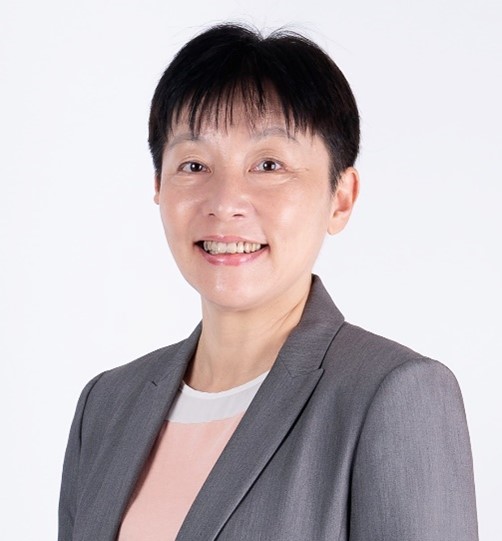
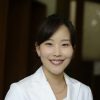
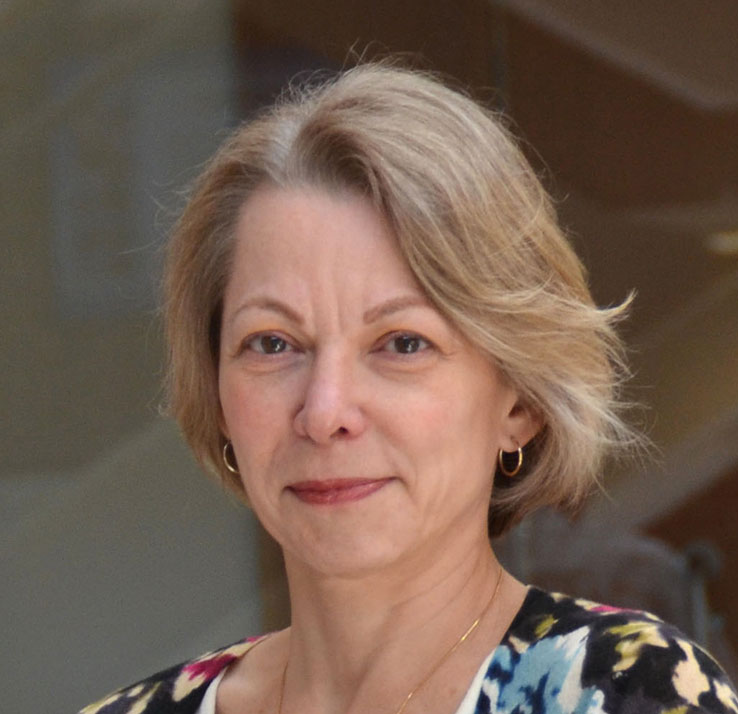
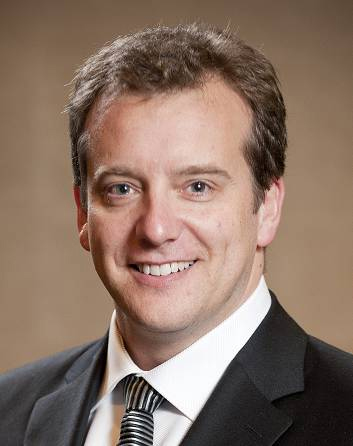
Liu Haiyan is an Associate Professor at NUS Medicine's Department of Microbiology and Immunology, leading research on tumor immunology and immunotherapy approaches for hepatocellular carcinoma. Her investigations focus on: Immunosuppressive mechanisms in the tumor microenvironment Novel cytokine-based immunotherapies γδ T cell engineering for adoptive therapies Overcoming resistance to checkpoint inhibitors Key findings include identifying IL-1α as a critical immunosuppressive factor regulated by calpain 1, and developing IL-12/18/21 preactivation strategies to enhance γδ T cell efficacy against PD-L1 resistant tumors. She received the NUSMed Fortitude Award in 2021 for her research contributions.
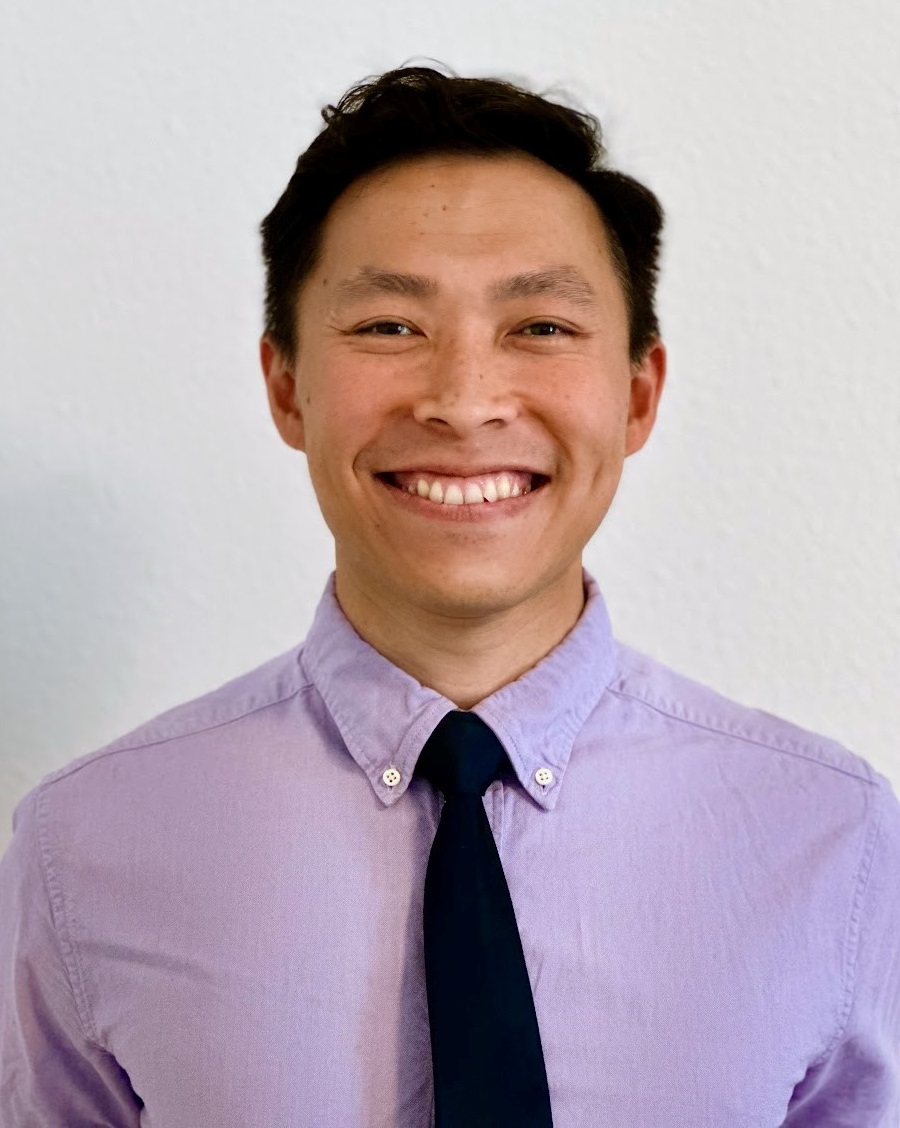
Assistant Professor Low Jun Siong is affiliated with the Department of Microbiology and Immunology at the National University of Singapore (NUS), under the Yong Loo Lin School of Medicine. His research focuses on understanding T and B cell biology in the context of infection, cancer, and autoimmunity. He collaborates with clinical partners to characterize immune cell responses in patient cohorts and explores strategies to manipulate these cells for therapeutic purposes. Key areas of interest include antigen specificity, immune cell dysfunction, and immune-based disease interventions. Education: Holds a BSc and PhD (specific disciplines unspecified). Affiliated with the Cancer Science Institute (CSI) and A*STAR Infectious Diseases Labs. His work spans translational immunology, virology, and cancer immunotherapy. Recent projects include studies on SARS-CoV-2 immune responses, tumor microenvironment interactions, and tropical sponge microbiome evolution. He employs high-throughput approaches and machine learning for immune profiling. Research highlights include: Characterizing T/B cell responses against pathogens and cancers Engineering immune cells for enhanced functionality Investigating antibody mechanisms against coronaviruses Dissecting metabolic influences on T cell efficacy in tumors Exploring symbiotic microbiome evolution in marine environments No specific grants or advising roles are detailed in the provided text. He contributes to collaborative initiatives like the Department Safety and Health Programme (DSHP) and the Department Microbial Culture Collection (DMCC).
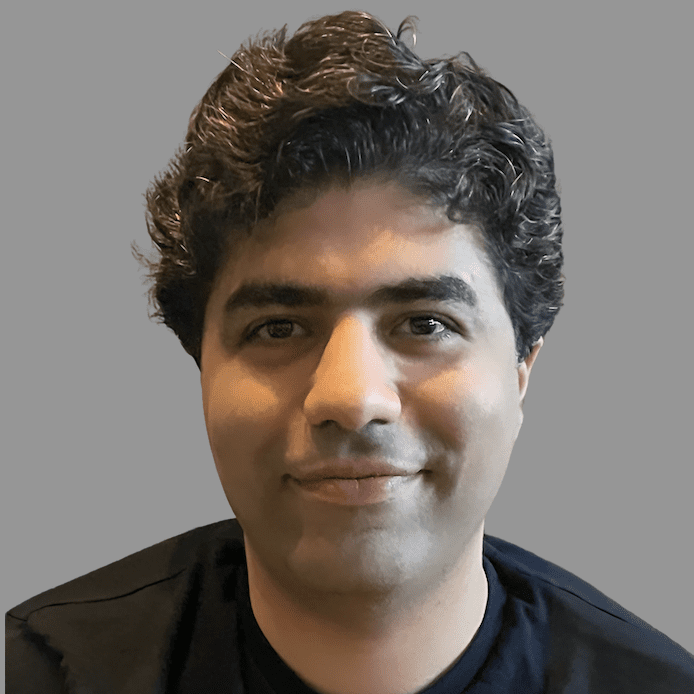
Dr. Mahdi Hasani is an Assistant Research Professor in the Sibley School of Mechanical and Aerospace Engineering at Cornell University. His research focuses on biologically inspired immunomodulatory biomaterials, engineering advanced drug delivery systems for cancer therapy, infectious diseases, autoimmune conditions, and tissue regeneration. He explores innovative engineering platforms aimed at rejuvenating the immune system. Dr. Hasani holds two B.Sc. degrees in Polymer Engineering and Biomedical Engineering from Amirkabir University of Technology, two M.Sc. degrees in Polymer Engineering and Bioengineering from Amirkabir University of Technology and EPFL respectively, and two Ph.D. degrees in Polymer Engineering and Mechanical Engineering-Bioengineering from Amirkabir University of Technology and Georgia Institute of Technology. His publications demonstrate consistent focus on biomaterials, drug delivery systems, and immunoengineering with applications in cancer therapy and regenerative medicine. Research trends include nanoparticle therapeutics, hydrogel biomaterials for tissue regeneration, and T-cell immunomodulation strategies. Scientific Awards and Honors: Technology in Space Prize (2024) Faculty Innovation Fellow, UCLA (2021) Healthcare Innovation Challenge Award (2021) Sigma Xi Best Ph.D. Thesis Award (2018) Early Career Board, ACS Biomaterials Science & Engineering (2018) Young Khwarizmi Award (multiple years) Dr. Hasani co-founded three biotech startups and has over 12 U.S. patents, several licensed. His work bridges polymer engineering, microfluidics, and immunoengineering to develop transformative biomedical solutions.
Professor Daniel Davis MBE FMedSci is the Head of the Department of Life Sciences and Professor of Immunology at Imperial College London. He holds affiliations with the Institute of Chemical Biology, the CDT in Chemical Biology: Innovation in Life Sciences (as a supervisor), and research groups in Immunology and Molecular Mechanisms of Disease. His academic journey includes a doctorate in Physics from Harvard University and prior roles as Director of Research at the Manchester Collaborative Centre for Inflammation Research (University of Manchester). His research focuses on nanoscale biology of immune cell interactions, employing advanced microscopy techniques to study immune synapse formation, cytotoxicity mechanisms, and immunological regulation. Notable contributions include elucidating how immune cells use adhesion, signaling, and structural reorganization to target pathogens and cancer cells. Professor Davis has authored four popular science books, including Self Defence: A Myth-Busting Guide to Immune Health (2025), The Beautiful Cure (2018), and The Compatibility Gene (2014), which bridge public understanding of immunology and biology. His work has been recognized with prestigious awards such as the Royal Society Science Book Prize and the Prose Award. His articles span topics like NK cell heterogeneity, gene therapy for neurological disorders, and super-resolution microscopy applications. Grants and collaborations include work on AAV-based gene therapies and immunomodulatory drug development. Davis actively engages in public science communication through festivals, media outlets (e.g., BBC, Guardian), and international speaking engagements. His research labs at Imperial College focus on interdisciplinary approaches, combining biophysics, genetics, and clinical applications to advance immunology and translational medicine.
Will Fithian is an Associate Professor in the Department of Statistics at the University of California, Berkeley. He holds a position in the College of Letters & Science, specializing in theoretical and applied statistics. His research focuses on post-selection inference, scalable algorithms for big data, high-dimensional data analysis, and ecological statistics. Fithian has taught courses such as Theoretical Statistics (Stat 210A), Forecasting, and industry-relevant statistical methods. His work bridges statistical theory with applications in fields like genomics, ecology, and machine learning. Education and Career: While specific educational details are not explicitly provided, his academic rank and research focus suggest advanced training in statistics. He previously taught at Stanford University and has held roles such as Assistant Professor before his current position at Berkeley. Research Interests: His interests include developing robust statistical methods for handling modern data challenges, including false discovery rate control, selective inference, and computational efficiency in high-dimensional settings. He collaborates across disciplines, applying statistical tools to ecological and biomedical problems. Awards: Fithian received the Teaching Award from the Berkeley Statistics Department in 2012 and the Centennial Teaching Award (University-wide) in 2015, reflecting his dedication to pedagogy. His research contributions have been recognized through publications in top journals and conferences. Teaching and Service: He leads advanced courses like Stat 210A, a core PhD-level theoretical statistics course. His teaching emphasizes foundational concepts while addressing contemporary challenges. He also contributes to Berkeley’s Industry Alliance Program, fostering academic-industry partnerships.
Professor Ruth Zadoks is a faculty member at the Sydney School of Veterinary Science, University of Sydney. She holds academic positions in the Sydney Institute of Agriculture and Sydney Southeast Asia Centre, and is involved with the Sydney Infectious Diseases Institute. Her research focuses on antimicrobial resistance, zoonotic diseases, bovine health, and One Health principles. Notable projects include investigations into Japanese encephalitis transmission dynamics, antibiotic use in East African livestock, and molecular epidemiology of Group B Streptococcus. Recent grants include studies on microbial spillover in aquaculture and precision feeding in broiler chickens. Her work integrates veterinary and public health perspectives, addressing issues like anthrax impacts in rural Africa, tilapia-borne zoonoses, and diagnostic innovations for bovine mastitis. Over 118 peer-reviewed publications highlight her contributions to aquatic pathogen genomics, food safety, and livestock disease ecology. Recent grants (2024): - Revealing microbial spillover drivers in aquaculture (SSEAC Incubator) - Sustainable Precision Feeding in Broiler Chickens (AgriFutures) - ASEAN Antimicrobial Resistance Network (DFAT-funded) Labs/Teams: Affiliated with Sydney Infectious Diseases Institute and collaborates across interdisciplinary One Health networks.
Chris Spencer is a Wellcome Trust Career Development Fellow at the Nuffield Department of Medicine, University of Oxford. His research focuses on statistical genetics, with emphasis on African population genetics, malaria susceptibility (via the MalariaGEN consortium), and stratified medicine applications in hepatitis C (STOP-HCV consortium). He develops methodologies to analyze genetic determinants of host-parasite interactions and their role in disease prevention and treatment. His work explores infectious disease impacts on human immune physiology through natural selection, aiming to translate genetic insights into clinical strategies. Recent studies include structural variation in malaria resistance genes and polymorphisms linked to pneumococcal bacteremia in Kenyan children. His computational tools, such as FINEMAP, advance variable selection in genome-wide association studies. Publications span malaria genetics, viral resistance, and population admixture, reflecting a multidisciplinary approach to genomic medicine. Collaborations with global consortia highlight his commitment to addressing global health challenges through genetics.
Dr. Natalie Riddell is a Senior Lecturer in Immunology and Ageing at the School of Biosciences, University of Surrey. She holds roles as Academic Lead for the FACS facility, Member of the University Ethics Committee, and Chair of the Surrey Healthy Ageing Research Partnership (SHARP). Her research focuses on neuroendocrine and age-associated changes in immune function, particularly how adrenergic signaling contributes to immunosenescence and inflammation in aging. Key areas include T cell senescence, metabolic disorders linked to immune decline, and interventions to promote healthy longevity. Education: BSc and PhD in Biosciences from the University of Birmingham, followed by postdoctoral research at University College London (2010-2017). Research interests emphasize the interplay between stress, aging, and immunity. Collaborations include work with Dr. Sian Henson (Queen Mary University) on T cell metabolism and Dr. Anis Larbi (Singapore Immunology Network) on immunosenescence biomarkers. She supervises BSc, MSc, and PhD students, including current advisees Dennis Affram and Chidie Ubachukwu. Teaching includes undergraduate modules like BMS1052: Exploring Biochemistry and BMS3102: Advanced Topics in Molecular and Cellular Immunology. Her 15 most recent articles span immunology, virology, and chronic disease, with notable work on tuberculosis diagnostics and stress-HIV interactions. Labs/Teams: Active leadership in SHARP, a multidisciplinary partnership addressing healthy aging through immunity research.
Soojung Claire Hur is an Assistant Professor in the Department of Mechanical Engineering at Johns Hopkins University (JHU), with a secondary appointment in the Department of Oncology at the JHU School of Medicine. She is affiliated with the Hopkins Extreme Materials Institute and the Johns Hopkins Institute for NanoBioTechnology. Her research focuses on developing microfluidic platforms to study complex fluid dynamics and translate these insights into clinical applications, particularly in oncology and regenerative medicine. Education: Hur earned her B.S., M.S., and Ph.D. in Mechanical Engineering from UCLA (2005, 2007, 2011). She was a Rowland Fellow at Harvard University (2011–2016) and conducted clinical studies at Vortex Biosciences, Inc. before joining JHU's Whiting School of Engineering faculty in 2015. Research Interests: Her work spans inertial microfluidics, nonlinear fluid dynamics, cellular biophysics, and personalized medicine. She pioneers techniques like vortex-assisted electroporation and inertial focusing for high-throughput cell analysis, separation, and drug delivery. These methods aim to improve cancer diagnosis, immunotherapy, and gene therapy. Awards: Notable honors include the 2024 Johns Hopkins Discovery Awards, the 2023 Susan G. Komen Career Catalyst Award, and the 2018 Johnson & Johnson WiSTEM2D Scholars Award. Her research is funded by the Susan G. Komen Foundation, the Hartwell Foundation, and others. Advising & Grants: While no students are listed, her grants support projects like drug resistance monitoring and rare cell analysis. She holds three U.S. and two international patents for microfluidic technologies. Labs & Roles: The Hur Lab on Micro-Fluidic Biophysics develops clinical tools for cell mechanics analysis. Hur serves as an editor for Nature Scientific Reports , SLAS Technology , and Biomicrofluidics , and reviews for major journals and agencies like the NSF and NASA.
Michael Wright is a Senior Lecturer in the Department of Computer Science at the University of Bath. His research focuses on haptic feedback systems, educational technology, and user interaction design. He is affiliated with the Institute of Coding and has collaborated on projects involving mid-air haptics, wearable technology, and inquiry-based learning environments. His work spans interdisciplinary areas such as thermal technology for social interaction (e.g., WarmConnect), perceptual studies in haptics, and educational platforms like nQuire. Recent projects emphasize the integration of visual and tactile feedback systems to enhance user experiences. Wright's publications highlight trends in mid-air haptics research, exploring thresholds of tactile perception and multimodal feedback systems. His educational research addresses challenges in professional development through degree apprenticeships and online learning. He has supervised a doctoral thesis on gesture recognition and contributed to projects like 'Day of the Figurines,' a narrative-driven mobile game. His work bridges computational methods with human-centered design principles.
University of North Carolina at Chapel HillUnited States
Anastasia Ivanova, PhD, is a Professor in the Department of Biostatistics at the University of North Carolina's Gillings School of Global Public Health. She specializes in clinical trial design, with over 20 years of experience in adaptive designs, dose-finding methods, and enrichment strategies. Her leadership roles include Principal Investigator of the NHLBI-funded PrecISE Network Data Center and co-PI of the BACPAC DAC. She holds a PhD in Statistics from the University of Maryland (1998) and a PhD in Mathematics from St. Petersburg State University (1998). Research focuses on innovative trial methodologies including adaptive trials for severe asthma, back pain consortia, and CAR-T cell therapies. Key publications span statistical methods in Biometrics , Statistics in Medicine , and Statistical Methods in Medical Research . Awards include the American Statistical Association Fellowship (2020) and the Stanley S. Schor Scholarship (2006-2007). Education: PhDs in Statistics (UNC, 1998) and Mathematics (St. Petersburg, 1992); MS in Mathematics (1988) Service: Associate Editor for Statistics in Medicine since 2006; North Carolina ASA leadership roles Key Projects: PrecISE Network (adaptive asthma trials), BACPAC (back pain research), CAR-T cell clinical trials Her work integrates statistical rigor with translational medicine, advancing precision interventions through multi-stage and biomarker-stratified designs.
Ole Andreas Andreassen is a Professor of Psychiatry and Director of the Centre for Precision Psychiatry at the University of Oslo. He holds a joint appointment as an Attending Psychiatrist (20%) at Oslo University Hospital. His academic career includes leadership roles such as Director of the Centre of Excellence NORMENT (2013–2023) and the KG Jebsen Centre for Psychosis Research (2012–2018). He completed his MD (1993) and PhD (1996) at the University of Bergen, followed by postdoctoral training at Harvard Medical School and Massachusetts General Hospital. Education: MD (1993, University of Bergen), PhD (1996, University of Bergen) Postdoc: Harvard Medical School (1998–2000) Specialist in Psychiatry: Oslo University Hospital (2006) His research focuses on mental and neuropsychiatric disorders, emphasizing genetics, brain imaging, and precision medicine. Key areas include the interplay of genetic and environmental factors in schizophrenia, bipolar disorder, and Alzheimer’s disease. He has pioneered studies on predictive tools and clinical interventions, with a strong emphasis on genomic and neuroimaging biomarkers. His publications span over 10 years, addressing topics like cortical abnormalities in bipolar disorder, genetic overlap between psychiatric conditions, and cannabis use impacts. These works highlight interdisciplinary approaches, blending genetics, neuroimaging, and clinical data. Awards: Brain Council Award (2024), Fridtjof Nansen Award (2023), University of Oslo Research Prize (2020) Leadership: Co-Director of the KG Jebsen Centre for Neurodevelopmental Disorders, ENIGMA Bipolar Working Group Chair, and member of the Psychiatric Genomics Consortium. Andreassen has supervised 42 PhD students and co-supervised numerous postdoctoral researchers. His grants and collaborations span EU-funded initiatives (e.g., CoMorMent, RealMent) and global networks like the Precision Psychiatry consortium. Labs and teams include the Centre for Precision Psychiatry and the Scandinavian Collaboration for Psychiatric Etiology (SCOPE), focusing on translational research and multimodal data integration.
Surl-Hee Ahn is an Assistant Professor in the Department of Chemical Engineering at the University of California, Davis. Her research focuses on using molecular dynamics (MD) simulations and enhanced sampling methods like the weighted ensemble (WE) to study biological systems, including proteins, nanocrystals, and drug discovery for tuberculosis and other diseases. She leads the Ahn Lab, which develops cutting-edge computational tools, such as ParGaMD and DeepWEST, to advance kinetic and thermodynamic sampling in simulations. Education: Ph.D. in Chemistry (Chemical Physics), Stanford University M.S. in Chemistry, University of Pennsylvania M.A. in Mathematics, University of Pennsylvania B.A. in Biochemistry and Mathematics, University of Pennsylvania (Magna Cum Laude, Vagelos Scholar) Research Interests: Molecular dynamics simulations, enhanced sampling methods, computational drug discovery, vaccine design, protein interactions, and nanomaterial dynamics. Her work bridges computational biology, materials science, and pharmacology, with applications to infectious diseases and neurodegenerative disorders. Awards and Recognition: 2020 ACM Gordon Bell Prize Winner (SC20) for SARS-CoV-2 spike dynamics simulations 2021 Chancellor’s Outstanding Postdoctoral Scholar Award Finalist MIT Rising Stars in Mechanical Engineering (2018) ACS PHYS Division Young Investigator Award (2021) Grants & Collaborations: Her research is supported by grants from SC20/SC21 and leverages high-performance computing for multiscale modeling. She collaborates on projects like #COVIDisAirborne, combining AI with computational microscopy. Labs & Teams: The Ahn Lab at UC Davis emphasizes interdisciplinary training in computational methods and their application to real-world biomedical challenges.
Dr. Chris Simpson is a Professor at Queen’s University and currently serves as Executive Vice President & Chief Medical Executive at Ontario Health. He previously held roles as Head of Cardiology (2006-2016) and Vice-Dean (Clinical) of the Faculty of Health Sciences (2016-2021). His expertise spans cardiology, health policy, and medical imaging AI. Simpson has authored over 350 peer-reviewed publications and holds fellowships in multiple medical societies. His research focuses on health policy (access to care, wait times), cardiac electrophysiology, and AI-driven medical imaging. Education: BSc (University of New Brunswick), MD (Dalhousie University), Cardiac Electrophysiology Fellowship (University of Western Ontario). Notable roles include CMA President (2014-2015), CAHS President (2020-2021), and leadership in organizations like CorHealth and SEAMO. Awards include Fellowships in the Canadian Academy of Health Sciences and American College of Cardiology. Research interests include medical fitness to drive, atrial fibrillation, sudden cardiac death, and AI applications in oncology imaging. He leads initiatives such as the Terry Fox Research Institute’s Marathon of Hope Network. Simpson also contributes to policy bodies including Ontario Health’s Quality Standards Committee and the World Medical Association.
Federica Sallusto is a Full Professor in Medical Immunology at ETH Zurich and Università della Svizzera italiana (USI), and a Group Leader in the Cellular Immunology department at the Institute for Research in Biomedicine (IRB), Bellinzona, Switzerland. She leads a prominent research group focused on human T cell biology, immunological memory, and immune responses in infection and autoimmunity. Doctor in Biology, University of Rome, 1988 Postdoctoral work: Istituto Superiore di Sanità, Rome; Basel Institute for Immunology Group Leader, IRB, since 2000 Full Professor, ETH Zurich and USI, since 2017 Her research centers on the heterogeneity and function of human CD4+ T cell subsets, particularly Th17 and T follicular helper cells, and their roles in protective immunity and inflammatory diseases. She investigates immune responses to pathogens such as Mycobacterium tuberculosis, influenza, SARS-CoV-2, and HIV, using cutting-edge techniques in cellular immunology and systems immunology. Her work integrates human immunology with translational applications in vaccinology and autoimmune disorders. The recent publications reflect a strong focus on human immune responses to infectious agents, mechanisms of T and B cell immunity, and the intersection of immunology with neurology and autoimmunity. Key themes include antigen-specific T cell activation, antibody cross-reactivity, regulation of inflammatory pathways, and the impact of vaccines and infections on immune memory and disease outcomes. Pharmacia Allergy Research Foundation Prize Behring Lecture Member, German Academy of Sciences Leopoldina (2009) Member, EMBO (2011) International Member, U.S. National Academy of Sciences (2022) Doctor honoris causa, University of Fribourg (2022) Federica Sallusto has mentored numerous students and postdoctoral researchers, many of whom are co-authors on her high-impact publications. Her group has received significant funding from the European Research Council (ERC), Marie Curie Actions, and the Swiss National Science Foundation (SNSF), where she served on the National Research Council from 2018 to 2024. She has held leadership roles including President of the Swiss Society for Allergology and Immunology (2013–2015) and President of the European Federation of Immunological Societies (2022–2024). Her laboratory is embedded within the IRB, a leading biomedical research institute affiliated with USI, and collaborates extensively with clinical and research teams across Europe. The group is part of broader scientific networks in antibody discovery, infectious disease immunology, and neuroimmunology.