University of Arkansas at Little RockUnited States
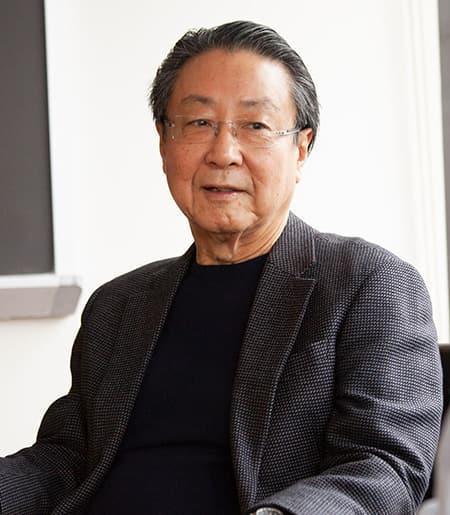
Dr. Shawn Bourdo is a Research Assistant Professor at the Center for Integrative Nanotechnology Sciences (CINS) affiliated with the University of Arkansas at Little Rock . He earned his Ph.D. in Applied Chemistry (2009), M.S. in Chemistry (2004), and B.S. in Chemistry (2002) from the same institution. His work focuses on advanced materials for energy and biomedical applications. Education: Ph.D. in Applied Science: Applied Chemistry, University of Arkansas at Little Rock (2009) M.S. in Chemistry, University of Arkansas at Little Rock (2004) B.S. in Chemistry, University of Arkansas at Little Rock (2002) Research Interests span the chemistry of materials , including: Polymer-composites for tissue regeneration Inherently conducting polymers (ICPs) and their carbon nanomaterial hybrids Photovoltaic devices leveraging nanomaterials Surface functionalization of graphene and other 2D materials Environmental remediation using metal oxide nanocomposites Biomedical applications of nanomaterials in stem cell differentiation and extracellular matrix modulation Recent Publications highlight his expertise in: Perovskite solar cell optimization with organic halide passivation (2021) Graphene-based nanomaterials for enhanced fibroblast support (2020) Zinc oxide-biochar nanocomposites for sustainable phosphate removal (2020) Functionalized graphene nanoparticles in osteogenic stem cell applications (2020) Work function tuning of polyaniline via acid doping (2020) Dr. Bourdo’s contributions at CINS involve interdisciplinary collaboration, particularly with Dr. Alexandru S. Biris and other researchers, spanning from 2012 to 2021.
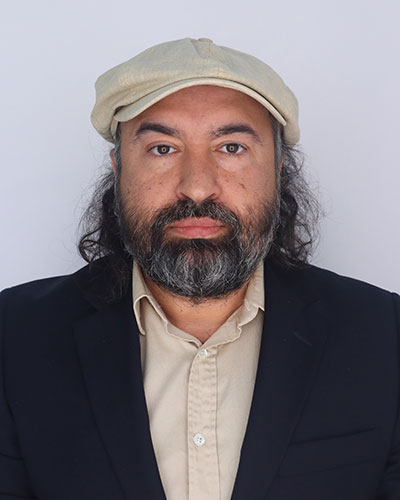
Garry Rumbles is an Adjunct Professor at the University of Colorado Boulder and a Research Fellow at the National Renewable Energy Laboratory (NREL) , where he has worked since 2001. His research focuses on the fundamental science of solar energy conversion in organic and hybrid systems, particularly charge generation and electron transfer processes in conjugated polymers and nanostructured materials. He leads the development of time-resolved microwave conductivity (TRMC) as a key spectroscopic tool for studying charge dynamics. His work spans collaborations with institutions like Imperial College London and NIST , with a focus on nanoscale photophysics and interfacial charge transfer . Recent publications highlight his expertise in hybrid perovskites , carbon nanotube heterojunctions , and microstructure-dependent charge transport . He has supervised numerous graduate students and postdoctoral researchers, including Justin Earley , Josh Carr , and Leo Romanetz . Scientific Awards : Fellow of the Royal Society of Chemistry (CSci, CChem, FRSC) . Notable Techniques : TRMC, femtosecond transient absorption, terahertz spectroscopy, and time-resolved X-ray absorption.
University of Massachusetts DartmouthUnited States
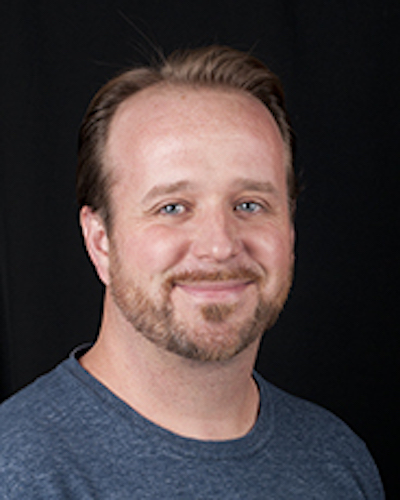
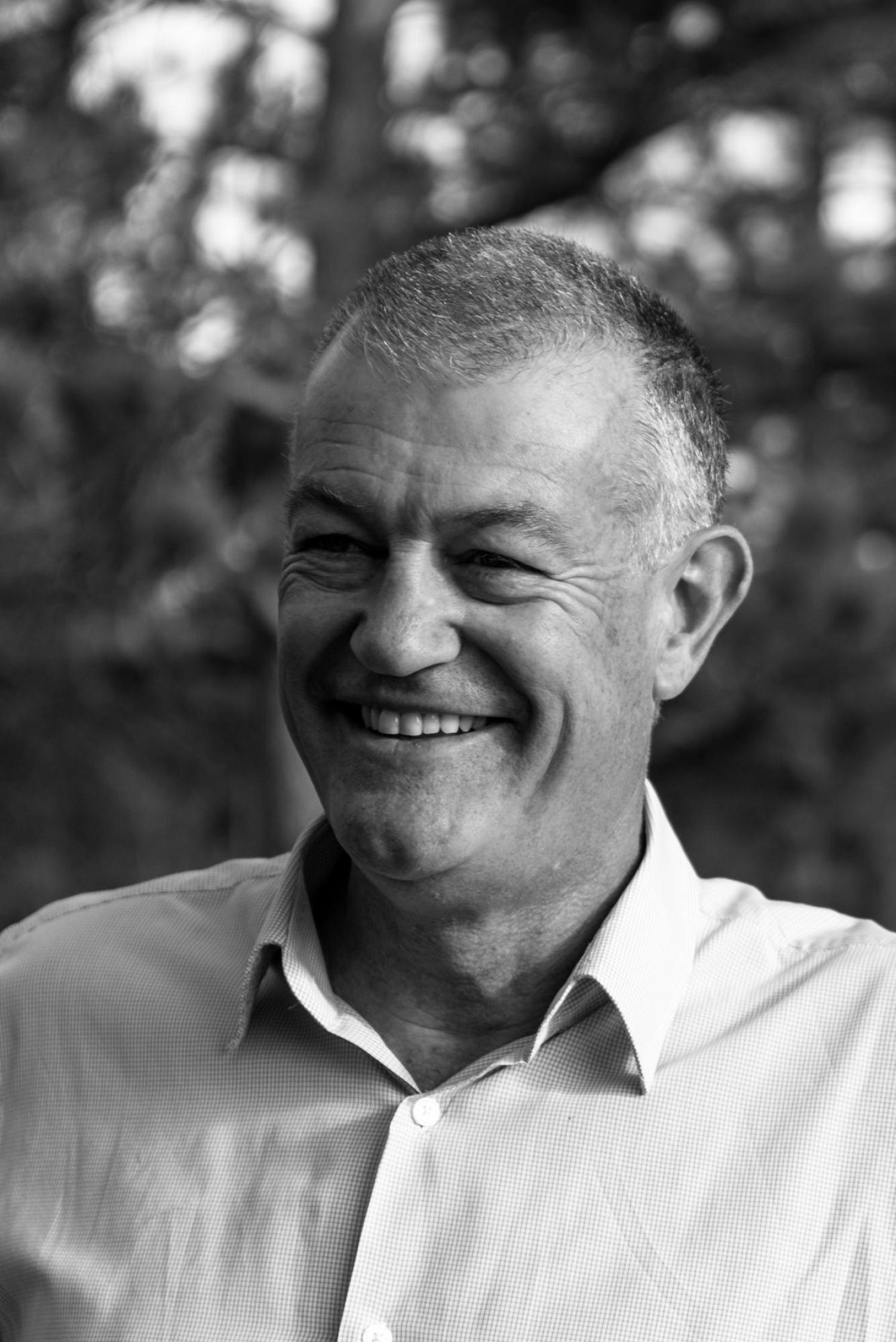
Randy Hall serves as an Associate Teaching Professor in the Department of Economics within the Charlton College of Business at the University of Massachusetts Dartmouth. He maintains an office in Spruce Hall and can be reached at 508-910-6280. Professor Hall specializes in applied economic analysis with particular focus on environmental and sports economics. His teaching portfolio includes ECO 107: Economics Of Pollution, where he examines EPA ambient air quality standards and cost-effective pollution control methods. He also teaches ECO 481: Economics of Sports and Games, applying economic and game theoretic analysis to the billion-dollar sports industry, covering topics like sports revenue, player salaries, stadium deals, and discrimination in sports. His ECO 320: Economics Internship course provides students with practical experience at organizations focused on economics, healthcare administration, business, government, law, or public policy. While no specific research publications or scientific awards are listed in the available information, Professor Hall's course offerings demonstrate expertise in translating complex economic principles into practical applications for students. His focus on both environmental sustainability and sports economics represents a diverse approach to economic education that bridges theoretical concepts with real-world industry challenges. Professor Hall oversees the Economics Internship program where students secure their own placements (subject to his approval) and complete required academic components including internship journals and final papers. His courses serve both traditional undergraduate programs (BA, BS Economics) and online/hybrid offerings including Healthcare Administration programs.
University of California, Los AngelesUnited States
Nahid Pirnazar is a Professor in the Department of Near Eastern Languages and Cultures at the University of California, Los Angeles (UCLA), specializing in Iranian Jewish cultural history and Judeo-Persian literature. Her academic leadership spans multiple institutions including the Habib Levy Cultural Foundation and Farhang Foundation. Education: PhD in Iranian Studies with emphasis on Judeo-Persian literature, UCLA (2004) MA in Iranian Studies, UCLA (1999) MA in English as a Second Language, Tehran University (1975) BA in English, Tehran University (1965) Professor Pirnazar's research centers on the intersection of Iranian and Jewish cultures through literary analysis of Judeo-Persian texts spanning Safavid to modern eras. Her work examines cultural identity formation , religious conversion dynamics , and national belonging narratives among Iranian Jews. Key contributions include analyzing epic poetry adaptations like Ketab-e Anusi and tracing Zionist movement development in pre-revolutionary Iran. Her publication portfolio reveals strong thematic continuity in studying minority cultural preservation through literary production, with recent works focusing on immigration acculturation patterns and historical documentation of forced conversions. The research demonstrates deep engagement with manuscript analysis and comparative religious studies. Scientific Awards: Recognition Award for Humanitarian Services (Iranian Jewish Women's Organization, 2021) Leadership in Academic Affairs Award (Habib Levy Cultural Foundation, 2000) Founding Secretary of Farhang Foundation (2008-2010) Highest Academic Achievement Award from Shah of Iran (1976) As an educator, Pirnazar developed foundational courses including Introduction to Judeo-Persian: Literature and Culture and History and Culture of Iranian Jews . Her academic service includes editorial work for Iran Namag and leadership roles in cultural preservation organizations. She has presented at major institutions including Tel Aviv University, Bar Ilan University, and the Library of Congress.
Victor Nee is the Frank and Rosa Rhodes Professor of Economic Sociology at Cornell University, where he also directs the Center for the Study of Economy and Society. His academic career spans roles including former Chair of Cornell's Sociology Department and Global Professor at NYU Abu Dhabi. Ph.D. in Sociology, Harvard University B.A., University of California, Los Angeles & Santa Cruz His research focuses on: Economic sociology of institutional emergence New institutionalism in organizational analysis Market transitions from state socialism Immigrant incorporation and racial stratification Recent publications analyze: 21st-century knowledge economy formation Network-driven innovation in China Trust dynamics in low-trust societies Ethnic boundary formation in labor markets Scientific recognition includes: 2020 Election to American Academy of Arts and Sciences 2013 Honorary Doctorate from Lund University 2006-2007 Guggenheim Fellowship Research programs at Cornell's Center for the Study of Economy and Society examine: New York City's tech startup cluster growth (2007-2011) Role of universities in knowledge economies Comparative studies of China's market transition
Tansu Demir, Ph.D., is an Associate Professor in the Department of Public Administration at the University of Texas at San Antonio's College for Health, Community and Policy (HCAP). Her research focuses on the politics-administration relationship, city managers' administrative power, accountability in local government, public policy implementation, and structural equation modeling methodology. Education: Ph.D. in Public Administration Theory (Florida Atlantic University), M.A. and B.S. in Public Administration (Hacettepe University, Ankara, Turkey) Demir's work examines ethical leadership frameworks in public organizations, organizational ethics culture, and compliance-integrity dichotomies in local government ethics management. She has published extensively in journals like Administration and Society , Public Integrity , and Public Organization Review , often employing structural equation modeling for empirical validation. Her recent articles (2023-2025) investigate hybrid ethics management models, citizen satisfaction theories, and professional mindsets of city managers. These works address gaps in public administration literature by applying business ethics concepts to local governance and challenging existing assumptions about ethics infrastructure implementation. Demir's research methodology emphasizes comprehensive survey data analysis of local governments, with a focus on Chief Administrative Officers (CAOs) and their ethical decision-making processes. While no explicit scientific awards are listed, her active participation in conferences like SECoPA and ASPA highlights her scholarly engagement.
University of Illinois Urbana-ChampaignUnited States
Professor John A Rogers is a leading academic in materials science and biomedical engineering, currently holding the Louis Simpson and Kimberly Querrey Professor position at Northwestern University . He is also the founding Director of the Querrey-Simpson Institute of Bioelectronics , with joint appointments in Biomedical Engineering, Mechanical Engineering, Electrical Engineering, Chemistry, and Neurological Surgery. His research spans bio-integrated electronics, flexible devices, and nanofabrication technologies. Education : BA/BS in Chemistry and Physics (University of Texas, 1989); SM in Physics and Chemistry (MIT, 1992); PhD in Physical Chemistry (MIT, 1995). Rogers’ work focuses on Soft, skin-like electronics for vital signs monitoring, Bioresorbable devices for cardiac and neural applications, Injectable optoelectronics in neuroscience, and 3D microsystems for biomedical research. His team pioneers stretchable silicon , transient electronics , and bio-inspired fabrication methods. Recent research trends include millimeter-scale pacemakers , wireless skin-interfaced systems , and closed-loop bio-optoelectronics . These innovations leverage flexible substrates , nanoscale thermocapillary flows , and soft lithography for unprecedented biocompatibility and functionality. Scientific Awards : Sigma Xi William Procter Prize (2023), IEEE Biomedical Engineering Award (2023), James Prize (2022), Guggenheim Fellowship (2021), MacArthur Fellowship (2009), and multiple academy fellowships. Rogers leads a multidisciplinary team and has co-authored over 1000 peer-reviewed papers, with more than 100 patented technologies commercialized through startups. His lab’s 3D electronic pericardium and skin-integrated microfluidics exemplify his commitment to translating fundamental science into clinical solutions.
Dr. Kenneth Walker is an Associate Professor in the Department of English at the University of Texas at San Antonio (UTSA). His scholarship focuses on environmental justice rhetorics , transdisciplinary environmental humanities , and critical-cultural approaches to digital storytelling . He leads the #UrbanBirdProject , a community-engaged initiative integrating Avian Ecology, Mexican American Studies, and Indigenous Studies. Ph.D., Rhetoric and Composition, University of Arizona (2015) M.A., English, University of Nevada, Reno (2009) B.A., Nature and Culture, University of California, Davis (2005) His research examines borderlands rhetorical ecologies , climate justice movements , and user experience in technical communication . He has published extensively on uncertainty frameworks in science communication, resilience rhetorics, and transdisciplinary pedagogies. His recent work includes a monograph on Climate Politics on the Border (University of Alabama Press, 2022). Dr. Walker has secured over $1.5 million in external funding, including a Mellon Foundation grant (2023) for the #UrbanBirdProject. He advises students in areas like racial rhetorical criticism and ecocriticism , and collaborates with teams across environmental science, community organizations, and citizen science initiatives.
Richard M. Voyles is the Daniel C. Lewis Professor of Engineering Technology at Purdue University's Polytechnic Institute with a courtesy appointment in the Department of Computer and Information Technology. He serves as Director of the Robotics Accelerator and Head of the Collaborative Robotics Lab. Prior to his full-time return to Purdue, he served as Assistant Director of Robotics and Cyber-Physical Systems at the White House Office of Science and Technology Policy and previously led the National Robotics Initiative at the National Science Foundation. Dr. Voyles holds a B.S. in Electrical Engineering from Purdue (1983), an M.S. in Manufacturing Systems Engineering from Stanford (1989), and a Ph.D. in Robotics from Carnegie Mellon (1997). His research spans multiple domains of robotics including rescue robotics, UAV development, gesture-based programming, cyber-animal systems, and self-adaptive robotic systems. He has received numerous honors including being named an IEEE Fellow and receiving Purdue's 'Seeds for Success' Award. His research output demonstrates significant contributions across robotics theory and application, with particular emphasis on novel robot designs like the MOTHERSHIP robot for urban search and rescue, the Dexterous Hexrotor for physical interaction with environments, and the development of the ReFrESH architecture for self-adaptive robotic systems. His work has been supported by NSF through multiple grants including the NSF Center for Robots and Sensors for the Human Well-Being (RoSe-HUB). Dr. Voyles has advised numerous graduate students who have gone on to academic and industry positions, including several who have become professors at other institutions. His research has resulted in significant publications across major robotics conferences and journals, with recent work focusing on nuclear decommissioning applications, neuromorphic computing for robotics, and advanced UAV capabilities. Daniel C. Lewis Professor IEEE Fellow Purdue 'Seeds for Success' Award As an educator, Dr. Voyles teaches courses in robotics, real-time computer vision, and cyber-animal systems. He has been instrumental in developing new MS and PhD degrees in Robotics Technology at Purdue, set to launch in Fall 2024. His lab, the Collaborative Robotics Lab, maintains strong industry partnerships through the RoSe-HUB center, working with numerous companies on applied robotics research.
Basmattee Boodram is a Professor in the Department of Community Health Sciences at the University of Illinois at Chicago School of Public Health. Her work focuses on the intersection of substance misuse and infectious diseases among marginalized populations, including people who inject drugs, correctional populations, and homeless individuals. She leads NIH- and CDC-funded research projects on hepatitis C elimination strategies and opioid-related interventions. PhD in Epidemiology, University of Illinois at Chicago MPH in Public Health, Connecticut State University BA in History, Dartmouth College Her research integrates computational modeling and social epidemiology to analyze contextual risk factors for hepatitis C and opioid use disorder. She develops agent-based models to predict intervention efficacy and optimize treatment strategies, with a focus on social networks, geographic mobility, and structural determinants of health. Recent publications highlight her expertise in: HCV micro-elimination dynamics Spatial inequities in OUD treatment Social support taxonomies Naloxone distribution modeling Scientific honors include: 2018 Researcher of the Year (UIC) 2015 Health Equity & Advocacy Award (UIC Alumni) 2007 Dean Scholar Award (UIC) She contributes to community initiatives like the Hepatitis C Elimination Task Force and the HepCCATT program, while maintaining memberships in organizations such as the American Public Health Association and International Network of Social Network Analysis.
Debashis Dutta is a Professor in the Department of Chemistry at the University of Wyoming. He holds a B.Tech in Chemical Engineering from IIT Bombay (1998), a Ph.D. in Chemical Engineering from the University of Notre Dame (2003), and completed postdoctoral research at the University of North Carolina at Chapel Hill (2003-2006). His laboratory develops miniaturized platforms for bioanalytical and energy conversion applications. Education: B.Tech in Chemical Engineering, 1998, Indian Institute of Technology (IIT), Bombay Ph.D. in Chemical Engineering, 2003, University of Notre Dame Postdoctoral Fellow, 2003-2006, Department of Chemistry, University of North Carolina at Chapel Hill Research interests focus on microfluidic systems for sensitive immunoassays , hybrid electrokinetic/pressure-driven separation methods , evaporation-driven electrokinetic energy conversion devices , airborne pathogen quantitation techniques , and mathematical frameworks for solute dispersion . These projects integrate experimental studies , theoretical modeling , and simulation tools . Recent publications highlight advancements in microelectrode fabrication , viral sampling platforms , zone broadening analysis , and pressure-driven flow integration . His group acknowledges research funding support from unspecified organizations. Contact: ddutta@uwyo.edu | Office: Physical Science Building Room 423 | Department Address: 1000 E. University Ave, Laramie, WY 82071
Arie Perliger, Ph.D., is a Professor and director of the graduate program in security studies at the School of Criminology and Justice Studies, University of Massachusetts Lowell. His research focuses on political violence, extremism, security policy, and the application of social network analysis to terrorism studies. Key affiliations: College of Fine Arts, Humanities and Social Sciences; Climate Change Initiative Research highlights: Far-right terrorism (USA, Europe, Israel), Middle Eastern politics, terrorism-climate change nexus, crime-terror cooperation His work spans interdisciplinary domains including: Political Psychology Network Analysis Counterterrorism Strategies Public Health and Hate Crimes Religious Extremism Electoral Politics and Violence Selected honors include: Medal of Superior Civilian Service (Department of the Army, 2016) Certificate of Appreciation (Command and General Staff College, 2015) His research is supported by multiple grants from Department of Defense, National Science Foundation, Department of Homeland Security, and private sector partners. Perliger actively engages with public discourse through media contributions to NY Times, BBC, and CBS News, while providing expert training to FBI, CIA, and Department of Defense agencies.
Prof. Roberto Mannino is an Italian-American artist and educator based in Rome, Italy, affiliated with Temple University Rome , Loyola JFRC, and the School of Arts and Crafts in Rome. He earned degrees in Sculpture from the Rhode Island School of Design (B.F.A., 1981-87) and the Rome Academy of Fine Arts . B.F.A. , Rhode Island School of Design, Providence, USA Sculpture Degree , Accademia di Belle Arti di Roma, Italy Mannino’s practice focuses on contemporary papermaking , blending pulp manipulation, watermarks, and sculptural installations. His work explores abstract processes and material transformation , with permanent installations like Streams at the Istituto Centrale della Grafica in Rome. His artistic approach emphasizes hands-on engagement with cellulose and natural phenomena to create multi-sensory art . Recent exhibitions include Cartasfoglia (2022, Loyola Rome Center), Fluens Carta (2022, Atelier Gallery), and This Mortal Coil (2021, Zukerman Museum). Key collaborations include projects with Brera Academy of Fine Arts and YOCOCU, focusing on paper technology and conservation . Premio Filigrana D’autore (2017) Artist in Residence , MICA (2008) and Villa Montalvo (1996) Selected for Hand Papermaking Magazine's 25th Anniversary Issue (2009) He teaches courses such as Contemporary Papermaking in Rome and organizes workshops on paper recycling and mask-making. Mannino is an active member of organizations like North American Hand Papermakers and IAPMA , contributing to global papermaking discourse.
Michael M. Haley is the Richard M. and Patricia H. Noyes Professor of Chemistry in the Department of Chemistry and Biochemistry at the University of Oregon's College of Arts and Sciences. He has been at Oregon since 1993 and previously served as Head of the Department from 2008-2014. His research group explores important non-natural pi-electron rich systems with applications in organic electronics and anion sensing, utilizing synthetic methodology for novel organic materials and modern physical organic methods to determine their properties. Education: B.A., Rice University, 1987 Ph.D., Rice University, 1991 (W. Edward Billups) Postdoctoral: University of California, Berkeley, 1991-1993 (K. Peter C. Vollhardt) Haley's research focuses on three primary areas: 1) Organic semiconductors based on indenofluorene scaffolds for electronic device applications; 2) Supramolecular chemistry of arylethynyl scaffolding for anion binding and sensing; and 3) Development of therapeutics for Myotonic Dystrophy. His group investigates these compounds through synthetic and theoretical approaches, with students actively involved in all aspects. Current work emphasizes PN-heterocycles (azaphosphinines) and indenofluorene-inspired structures, exploring their electronic, optical, and supramolecular properties for applications in organic electronics, sensing, and potential therapeutics. Analysis of Haley's recent publications reveals a strong emphasis on diradical character, antiaromaticity, and photophysical properties of novel polycyclic hydrocarbons. His work demonstrates a progression from fundamental synthetic chemistry toward materials applications, with increasing focus on structure-property relationships in diradicaloids and heterocyclic systems. The research bridges organic synthesis with physical organic chemistry, materials science, and supramolecular chemistry. Scientific Awards: American Chemical Society George A. Olah Award in Hydrocarbon or Petroleum Chemistry (2021) Fellow, American Association for the Advancement of Science (2011) Camille Dreyfus Teacher-Scholar (1998-2003) NSF CAREER Award (1995-1998) Thomas F. Herman Faculty Achievement Award for Distinguished Teaching (2002) Alexander von Humboldt Research Fellow (2000-2001) Haley has mentored over 25 PhD students and numerous postdocs, with trainees now holding positions in academia, industry, and government. His research has been generously supported by the National Science Foundation (including current grants CHE-2246964 and CHE-2107425), National Institutes of Health, and other organizations. He founded the OpiEM3 (Organic pi-Electron Molecules and Materials Meetings) series in 2020, which grew to include over 40 research groups worldwide before concluding in 2021. The Haley Lab maintains strong collaborations with UO colleagues including Darren Johnson (supramolecular chemistry) and previously with Andy Berglund (Myotonic Dystrophy therapeutics). The Haley Lab, located in the Onyx Bridge building at the University of Oregon, consists of graduate students, undergraduate researchers, and collaborators working on cutting-edge projects in organic materials chemistry. Current research focuses on indenofluorene scaffolds for organic semiconductors and PN-heterocycles for supramolecular applications, with emphasis on understanding fundamental electronic properties and developing practical applications in electronics and sensing.
Margaret Hannah Frank is an Associate Professor with tenure in the Plant Biology Section of Cornell University's School of Integrative Plant Science. Her research investigates plant grafting biology through genetics, genomics, and phenomics to understand graft junction formation and long-distance signaling between grafted organ systems. She aims to develop predictive models for sustainable crop protection solutions against biotic and abiotic stresses. Education: Doctorate, Cornell University (2014) Bachelor of Arts, Barnard College (2007) Research Focus: Dr. Frank's lab pioneers work on graft compatibility mechanisms and plant communication systems , employing cutting-edge genomic sequencing and phenomic imaging to dissect mobile RNA transport and immune responses. Current projects address sustainable agriculture through engineered rootstock solutions and transdisciplinary collaborations with institutions like EMSL and JGI. Publication Trends: Recent work (2023-2025) reveals three dominant themes: 1) Immune-mediated graft incompatibility in Solanaceae, 2) Hydromechanical frameworks for signal transmission, and 3) Critical re-evaluation of mobile mRNA datasets. Her group consistently bridges fundamental plant biology with agricultural applications. Scientific Recognition: NSF CAREER award (2020; $1.3M) for "Harnessing the Plant Mobileome" FICUS award (2024) for identifying long-distance biomass signals Mentorship & Funding: Dr. Frank actively supervises 11+ graduate students including NSF GRFP awardee Samantha Yanders and CALS 3MT winner Michelle Heeney. Her lab secures substantial funding through CROPPS center collaborations and industry partnerships, recently supporting projects like the Tucson CROPPS conference and REU student programs. Research Environment: Based in Cornell's Plant Science Building, the Frank Lab operates within the NSF-funded CROPPS center that solved the "century-old mystery of plant communication" (April 2025). The team combines wet-lab experimentation with computational modeling in a collaborative space hosting weekly journal clubs and interdisciplinary workshops.


/prod01/production-cdn-pxl/media/umassdartmouth/profiles/arts-and-sciences/economics/220427-RANDY-HALL-666X500.jpg)