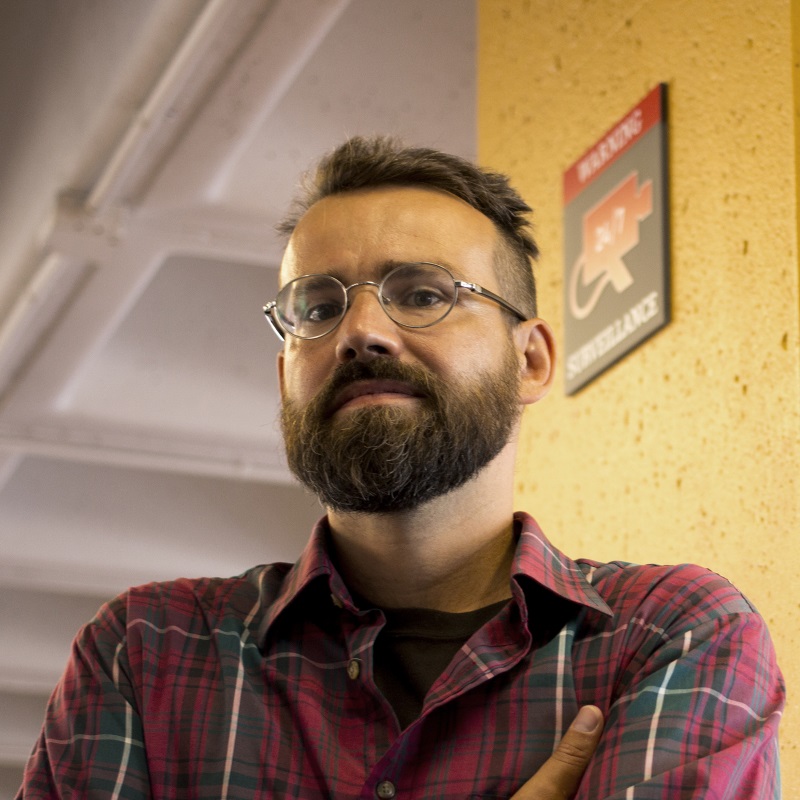
Jeffrey Monaghan is an Associate Professor at the Institute for Criminology and Criminal Justice (ICCJ) at Carleton University. He holds a Ph.D. in Sociology from Queen’s University and serves on the editorial board of Criminological Encounters . His research focuses on the intersections of policing, surveillance, and systemic inequality, with a particular emphasis on settler colonialism, Indigenous movements, and the global expansion of security practices. Monaghan teaches courses on criminological theories, policing, and justice frameworks. His work examines how security and policing practices criminalize marginalized communities, especially Indigenous peoples and social movements resisting extractive development. Key projects include analyses of counterterrorism strategies, disability injustice in criminal systems, and the securitization of Canadian foreign aid. He has authored/co-authored books like Security Aid: Canada and the Development Regime of Security and Policing Indigenous Movements , and edited volumes such as Protests in the Information Age . Monaghan’s research integrates critical criminology, colonial studies, and sociolegal analysis. He is cross-appointed to Carleton’s Department of Sociology and Anthropology and the School of Canadian and Indigenous Studies, amplifying interdisciplinary engagement with security governance and social justice issues.
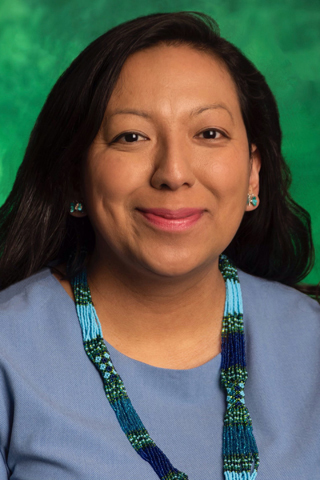
Jennifer Gómez Menjívar is Professor and Director of the M.A. in Media Industries and Critical Cultural Studies at the University of North Texas. Her research examines historical and ethno-linguistic movements influencing text production, circulation, and reception across print media, screen cultures, and digital communities. With over 18 years of teaching experience, she previously held positions at international organizations including the UNECE and UNDP. Her scholarly interests span media linguistics, film adaptation, digital activism, hemispheric animation histories, Indigenous sovereignty media, and Spanish-language media. Her publications demonstrate interdisciplinary work bridging media studies, cultural history, and postcolonial theory. Her extensive publication record includes books such as Tropical Tongues: Language Ideologies, Endangerment, and Minority Languages in Belize (2018) and Black in Print: Plotting the Coordinates of Blackness in Central America (2023), as well as co-edited volumes on Indigenous technology and hemispheric Blackness. She received a Senior Research Fellowship at Freie University Berlin for her upcoming work on Indigenous sovereignty media. Gómez Menjívar teaches courses including Introduction to Graduate Studies in Media Arts, Women in Film, and Global Media. She also mentors students in critical media analysis and serves as faculty advisor for media research projects.
Lucie DE CARVALHO is a Lecturer in British Civilization at the University of Lille, Faculty of Languages, Culture and Societies, Department of English Studies. She is affiliated with ULR 4074 - Center for Studies in Civilizations, Languages and Foreign Literature. Graduated from ENS Cachan Specializes in British Civilization Based at University of Lille (BO.529) Dr. DE CARVALHO's research focuses on contemporary British politics, political discourse studies, British energy policies (particularly nuclear and renewable energy), neoliberalism, historiography of science, and climate governance. Her work demonstrates a consistent engagement with the intersection of political power, energy policy, and media representation in the British context. She has developed a particular expertise in analyzing how the UK state manages controversial technologies like nuclear power within neoliberal frameworks. Her publication record shows a consistent output spanning from 2014 to 2024, with recent work examining twenty-first century UK broadcasting ecology, teaching British history to French students, and contemporary nuclear power policies. The analysis of her articles reveals a strong thematic continuity centered on British governance, energy policy, and the complexities of neoliberal state intervention. Her research employs interdisciplinary approaches drawing from political science, media studies, and science and technology studies. Member of the SAES (Society of Anglicists in Higher Education) Member of CRECIB (Centre for Research on British Civilization) Associate member of the Research Center in British Civilization (CREC) Institute of the Anglophone World, Sorbonne Nouvelle University – Paris 3 Member of the UK Political Studies Association Member of the European Association for the Study of Science and Technology (EASST) Member of UACES Dr. DE CARVALHO has demonstrated sustained research activity across multiple domains related to British studies, with particular emphasis on energy policy and political discourse. Her work bridges academic research with pedagogical practice, as evidenced by publications on teaching British history to French undergraduate students and language learning through television series.
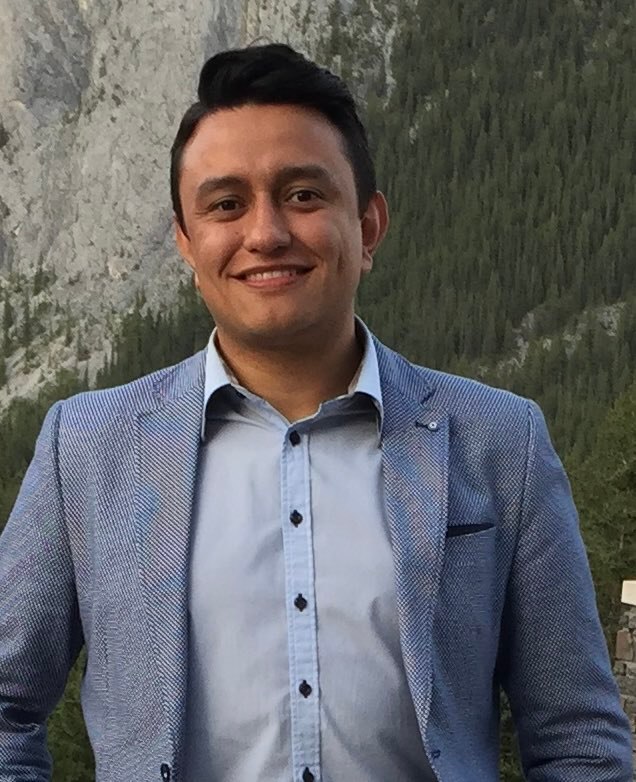
Sami Yli-Karjanmaa is a Docent at the Faculty of Theology , University of Helsinki , specializing in early Jewish and Christian literature. His research focuses on themes such as reincarnation, soteriology, and virtue ethics in Alexandrian theology, with a particular emphasis on figures like Philo of Alexandria and Clement of Alexandria. Key Projects : Supervised the Doctoral Programme in Theology and Religious Studies (2018–2020), led the project Clement of Alexandria's Position on Reincarnation (2016–2019), and contributed to collaborative research on sacred texts and traditions. Scientific Awards : Recipient of the University of Helsinki Teaching Technology Award (2003) and the Quality Award for E-Learning Development (2005). His recent publications explore reincarnation in Alexandrian thought, individualism in Philo’s philosophy, and salvific cycles in early Christian theology. Yli-Karjanmaa has also organized academic events, served as an expert member of The Studia Philonica Annual (since 2018), and contributed to media discussions on theology and reincarnation.
Genesea M. Carter serves as the Associate Director of Composition and Associate Professor in the English and University Composition Program at Colorado State University. She holds a PhD from the University of New Mexico. Her research focuses on administrative systems in higher education, including curriculum design, teacher training, and workload equity, and their impact on instructors’ well-being. She also investigates how students from diverse backgrounds navigate academia, with a focus on working-class pedagogy and identity development. Her recent co-edited collection Systems Shift: Creating and Navigating Change in Rhetoric and Composition Administration (2023) addresses institutional transformation. Earlier work includes Class in the Composition Classroom: Pedagogy and the Working Class (2017), exploring socioeconomic diversity in education. Her articles span topics like digital literacy, interdisciplinary pedagogy, and critical theory in composition studies. Dr. Carter’s scholarship emphasizes equity, intersectionality, and dismantling neoliberal structures in academia. She has contributed to journals such as Composition Studies , Journal of Teaching Writing , and Open Words , and her work bridges practical administration with theoretical frameworks in rhetoric and composition.
Dr. Yaron Meron is a Lecturer and researcher in design at the University of Sydney's School of Architecture, Design and Planning. He holds a PhD (RMIT, Melbourne) and two Master's degrees (RMIT, Central St Martins). His work bridges academic research and professional practice, focusing on graphic and communication design, socially engaged design, AI integration, and responsible design thinking. Meron’s research explores interdisciplinary challenges, design collaboration, and the societal impact of emerging technologies like AI. He coordinates the Civic & Social Design Research Group. Educations: PhD in Design (RMIT University, Melbourne) MA in Design (RMIT University, Melbourne) MA in Communication Design (Central Saint Martins, London) Research Interests: Graphic design as an interdisciplinary practice Artificial intelligence in design education and practice Media literacy and defamiliarisation techniques Socially engaged design methodologies Design briefs and stakeholder relationships Articles & Trends: Recent publications emphasize AI's role in design education, speculative urban futures, and critical design approaches to media literacy. His work frequently intersects with pedagogy, ethics, and technology’s societal implications. Labs/Teams: Coordinator of the Civic & Social Design Research Group, fostering collaborative projects on responsible design and interdisciplinary innovation.
Janna Parker is a professor in the Department of Marketing at James Madison University, specializing in digital marketing, retailing, and nonprofit marketing. With a career transition from political campaigns, she focuses on social media's role in personal and professional branding. Her research examines work-personal social media boundaries, employer governance policies, and volunteerism in nonprofit contexts. Education: Bachelor's in History (California State University Sacramento), Master's (Cameron University), Doctorate (Louisiana Tech) Teaching Interests: Digital marketing education, social media strategy, nonprofit marketing Her scholarly work spans social media governance, volunteer engagement, and retail dynamics, with recent emphasis on digital marketing pedagogy and cancel culture implications. Parker has contributed to academic journals through empirical studies and conceptual commentaries. Key article trends include: Digital marketing education evolution (2024) Social media governance in corporate and nonprofit contexts (2024) Online teaching satisfaction in higher education (2022) Volunteer brand community dynamics (2020) Consumer behavior frameworks (2019) Her media appearances include expert commentary on holiday retail strategies and social media research, reflecting practical applications of her academic work.
Subodha Kumar is the Paul R. Anderson Distinguished Chair Professor of Statistics, Operations, and Data Science at Temple University’s Fox School of Business. He serves as the Founding Director of the Center for Business Analytics and Disruptive Technologies and has a secondary appointment in Information Systems. His roles include Ph.D. Program Concentration Director for Operations and Supply Chain Management. With over 240 publications, he ranks #1 globally in Information Systems Research publishing and holds a robotics patent. His research focuses on AI, blockchain, healthcare analytics, and cybersecurity, with notable contributions to digital transformation and operations management. Awards include the INFORMS ISS Distinguished Fellow and POMS Fellow. He advises major journals like Production and Operations Management and organizes conferences like POMS 2018. Media mentions span NYT, WSJ, and CBS. Education: University of Washington faculty Texas A&M University faculty Research Interests: Dr. Kumar explores AI applications, blockchain in fintech, healthcare system optimization, and supply chain analytics. He investigates cybersecurity’s operational impacts and data mining strategies. His work bridges theory and practice, addressing challenges in digital transformation and platform economies. Publications Trends: Recent work emphasizes digital platforms (e.g., blockchain adoption, telemedicine impact), organizational behavior (real-time feedback systems), and healthcare operations (personalized treatment algorithms). He frequently collaborates internationally, with studies appearing in Management Science, Information Systems Research, and Decision Sciences. Awards & Recognition: Changjiang Scholars Chair (China) ISB Visiting Professorship POMS Executive Editor Grants & Labs: Secured NIH grants for health analytics projects. Leads Temple’s analytics center fostering industry partnerships. Active in editorial roles (e.g., Production and Operations Management Journal Deputy Editor). Teaching: Offers courses in data science, optimization methods, and innovation entrepreneurship at graduate/undergraduate levels.
Professor Gabrielle Lynch is a leading scholar in Comparative Politics and African Studies at the University of Warwick. She holds the academic rank of Professor and serves as PAIS Impact Director, Comparative Politics cluster lead, and Warwick UCU Equalities Officer. Her research focuses on ethnic identities, elections, transitional justice, and social media's role in African politics. Lynch earned her BA, MPhil, and DPhil from the University of Oxford. She has conducted extensive fieldwork in Kenya, Ghana, and Uganda, supported by grants from the ESRC, Warwick Policy Support Fund, and others. Her awards include the ESRC Award for Outstanding International Impact (2019) and the Market Research Society’s President’s Medal. Lynch is editor of African Affairs and a member of the African Studies Association of the UK and British Institute in Eastern Africa. Lynch’s work bridges academia and public engagement, including columns in The Saturday Nation and The East African . She founded the African Judiciaries Research Network and co-authored influential books like Performances of Injustices and The Moral Economy of Elections in Africa . Her research emphasizes democratization challenges, electoral integrity, and the intersection of technology and politics in Africa.
Adriana Schulz is an Assistant Professor in the Department of Computer Science & Engineering at the University of Washington's College of Engineering. She leads a research group focused on computational design, computer-aided design (CAD), and digital fabrication. Her work bridges computer science with practical applications in manufacturing, robotics, and sustainable design. Dr. Schulz received her Ph.D. in Computer Science from MIT in 2018 under the supervision of Professor Wojciech Matusik. Prior to her doctoral studies, she earned a Master's degree in Mathematics from IMPA (Instituto Nacional de Matemática Pura e Aplicada) in Rio de Janeiro, where she worked with Professor Luiz Velho, and a Bachelor's degree in Electronics Engineering from UFRJ (Federal University of Rio de Janeiro). Her research interests center around computational tools that enhance design and manufacturing processes. She develops novel algorithms for CAD systems, computational fabrication techniques, and sustainable design approaches. Her work spans multiple domains including robotics, textiles, electronics, and architecture, with a strong emphasis on creating practical tools that designers and engineers can use in real-world applications. She explores how machine learning, particularly neurosymbolic approaches, can improve design workflows and enable new capabilities in computational design systems. Analysis of her recent publications reveals a strong trend toward more intelligent and user-centered design tools. Her research increasingly integrates machine learning with traditional CAD systems to create more intuitive interfaces, supports sustainable design practices with computational tools, and develops novel fabrication techniques that push the boundaries of what's possible with digital manufacturing. She has made significant contributions to zero-waste fashion design, immersion cooling for high-performance computing, and CAD program understanding through novel representation learning techniques. Innovators Under 35 - MIT Technology Review Bolsa Aluno Nota 10 from FAPERJ Engineer 20000 award Dr. Schulz actively mentors several PhD students and postdoctoral researchers, including Haisen Zhao, Ben Jones, Yuxuan Mei, and others, often in collaboration with colleagues across different departments. Her research has attracted significant media attention, with coverage in major outlets including MIT News, BBC, IEEE Spectrum, Wired, and TechCrunch. Her work on Interactive Robogami was noted as the most read article in the International Journal of Robotics Research in its publication year. She leads a vibrant research group at the University of Washington that focuses on computational design systems, with particular emphasis on creating tools that bridge the gap between digital design and physical fabrication. Her team develops novel algorithms for CAD systems, computational fabrication techniques, and sustainable design approaches that have practical applications across multiple industries.
José Eduardo Villalobos Graillet is an Assistant Professor of Spanish at Idaho State University , specializing in Modern Peninsular Literature and Culture with a focus on visual culture (film and television) . He previously held a position as Spanish Instructor at Wilfrid Laurier University in the Department of Languages and Literatures. Research Areas : Spanish Film Studies, Spanish Medieval Literature, Latin American and Caribbean Studies, Teaching Spanish as a Foreign Language, Visual Culture, and Critical Pedagogy. His scholarly work examines film and television adaptations of 'La Celestina' , analyzing censorship dynamics across Francoist Spain, the Democratic Transition, and contemporary Spain. He also contributes to Spanish pedagogy , developing technological tools like Lang-8 for written expression and culturally immersive teaching units on topics such as winter festivals and Caribbean music. His publications span both critical academic analysis and methodological innovations for language instruction. Key Themes in Publications : Adaptation fidelity, political censorship, intercultural pedagogy, and the role of digital platforms in language learning.
Jan Herbst is a Professor of Music at the University of Huddersfield and Director of the Centre for Research in Music and its Technologies. His academic journey includes multiple doctorates (PhD, Dr. habil.) from Leuphana University Lüneburg and research expertise in popular music studies, music production, and systematic musicology. He leads AHRC-funded projects such as 'Heaviness in Metal Music Production' and 'Songwriting Camps in the 21st Century.' His work bridges practical music production and theoretical research, with over 80 publications including books like The Cambridge Companion to Metal Music and Heaviness in Metal Music Production . Herbst’s research focuses on metal music aesthetics, record production techniques, and the cultural dimensions of music technology. He has held roles at German and Swiss universities, including teaching guitar performance and music production. His editorial roles include the Cambridge Companions series and journals like Metal Music Studies . Current projects explore blockchain in music, gear acquisition syndrome, and extreme metal vocal techniques. His academic affiliations include the IASPM UK & I executive committee and editorial boards for major musicology publications. Herbst actively engages with industry through collaborations with producers and performers, maintaining a balance between academic rigor and practical music creation.
University of Colorado Colorado SpringsUnited States
Deborah Pina-Thomas, PhD, MSN, RN is an Assistant Professor in the Department of Nursing at the University of Colorado Colorado Springs (UCCS). She is affiliated with the Interdisciplinarity & Complexity Oriented Researchers and Educators (ICORE) initiative. Her work includes contributions to the ICORE Video Journal (Vol 1, 2021) and research related to Autism New Media. Contact: dpinatho@uccs.edu, University Hall 160. Education details include a PhD, MSN, and RN certification, though specific institutional histories are not provided here. Research interests focus on interdisciplinary healthcare approaches, leveraging technology and media in nursing practice and autism care.
Martin Jakobsson is a Professor of Marine Geology and Geophysics at Stockholm University's Department of Geological Sciences. His career spans international research expeditions and leadership roles, including Dean of Earth Science (2021) and Head of Department (2012-2018). A key member of the Marine Geology group, he studies Arctic and Antarctic glacial history through sediment analysis and seafloor mapping. PhD from Stockholm University (2000) Academy Fellow, Royal Swedish Academy of Sciences (2004-2009) Professor II position at University Centre of Svalbard (2011-) His research focuses on marine geological archives to reconstruct glacial cycles, ice-ocean interactions, and bathymetric mapping. As GEBCO Vice-Chair (2013-2020), he led initiatives for global seabed mapping through the Seabed 2030 project. Recent publications reveal expertise in: Arctic Ocean paleocirculation Methane release from thawing permafrost Ice sheet sensitivity to oceanic warming High-resolution bathymetric analysis Scientific recognition includes: Election to Royal Swedish Academy of Sciences (2012) 1st Vice President, Royal Swedish Academy of Sciences (2016-2019) Membership in Norwegian Scientific Academy for Polar Research (2016) He leads international collaborations on polar research vessels, with over a year of cumulative ship time and multiple Co-Chief Scientist roles on Arctic expeditions.
University of California , Santa Barbara (UCSB)United States
Alenda Y. Chang serves as an Assistant Professor in Film and Media Studies at the University of California, Santa Barbara. With a multidisciplinary background spanning biology, literature, and film, she integrates ecocritical theory with contemporary media analysis. Her scholarly work appears in journals including Interdisciplinary Studies in Literature and Environment , Qui Parle , and electronic book review , focusing on sustainable media practices and ecological frameworks for digital engagement. Her educational background includes: M.A. and Ph.D. in Rhetoric from the University of California, Berkeley M.A. in English Language and Literature from the University of Maryland Chang specializes in environmental media and game studies, developing theoretical frameworks for ecological game design. Her research examines how digital games model environmental systems and foster player engagement with climate change through concepts like "slow violence" and "rambunctious play." She advocates for sustainable design patterns that address gaming's carbon footprint while creating immersive ecological narratives. Analysis of her 15 most recent publications reveals a consistent trajectory from foundational ecological game theory (2013-2018) to current work on thermal contexts of play and sustainable infrastructure (2022-2024). Her scholarship increasingly bridges data-driven activism with critical game design, emphasizing multispecies entanglements and infrastructural play as tools for environmental awareness. As co-founder of Wireframe—a collaborative media studio at UCSB—Chang cultivates critical game design practices through initiatives like growinggames.net . The studio supports data-driven global media art, environmental activism, and experimental pedagogy, serving as a hub for translating ecological theory into tangible digital interventions that challenge anthropocentric perspectives in gaming.