University of California, Los AngelesUnited States
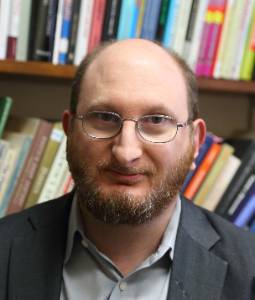
Yunxiang Yan is a Professor in the Department of Anthropology at the University of California, Los Angeles (UCLA). His work focuses on China and Cultural Anthropology , with specific expertise in Economic Anthropology , Family and Kinship , and Individualization . Education: Ph.D. in Social Anthropology from Harvard University (1993). Yan’s research explores the intersection of social change , moral theory , and family dynamics in modern China. His ethnographic studies in rural villages provide foundational insights into exchange theory and cultural globalization . Recent publications analyze food safety , medical ethics , and moral crises in China, reflecting his interdisciplinary approach combining anthropology, sociology, and philosophy. Articles span themes like intergenerational intimacy , political oppression , and networked social structures . Scientific Awards: Guggenheim Fellowship Levenson Prize-winning Research Yan’s work bridges local Chinese studies with global anthropological discourse. He has held positions at the Chinese University of Hong Kong, Johns Hopkins University, and UCLA since 1996. His career reflects a commitment to documenting the lives of ordinary people, rooted in his early experiences as an expelled villager during Maoist China. Contact: yan@anthro.ucla.edu
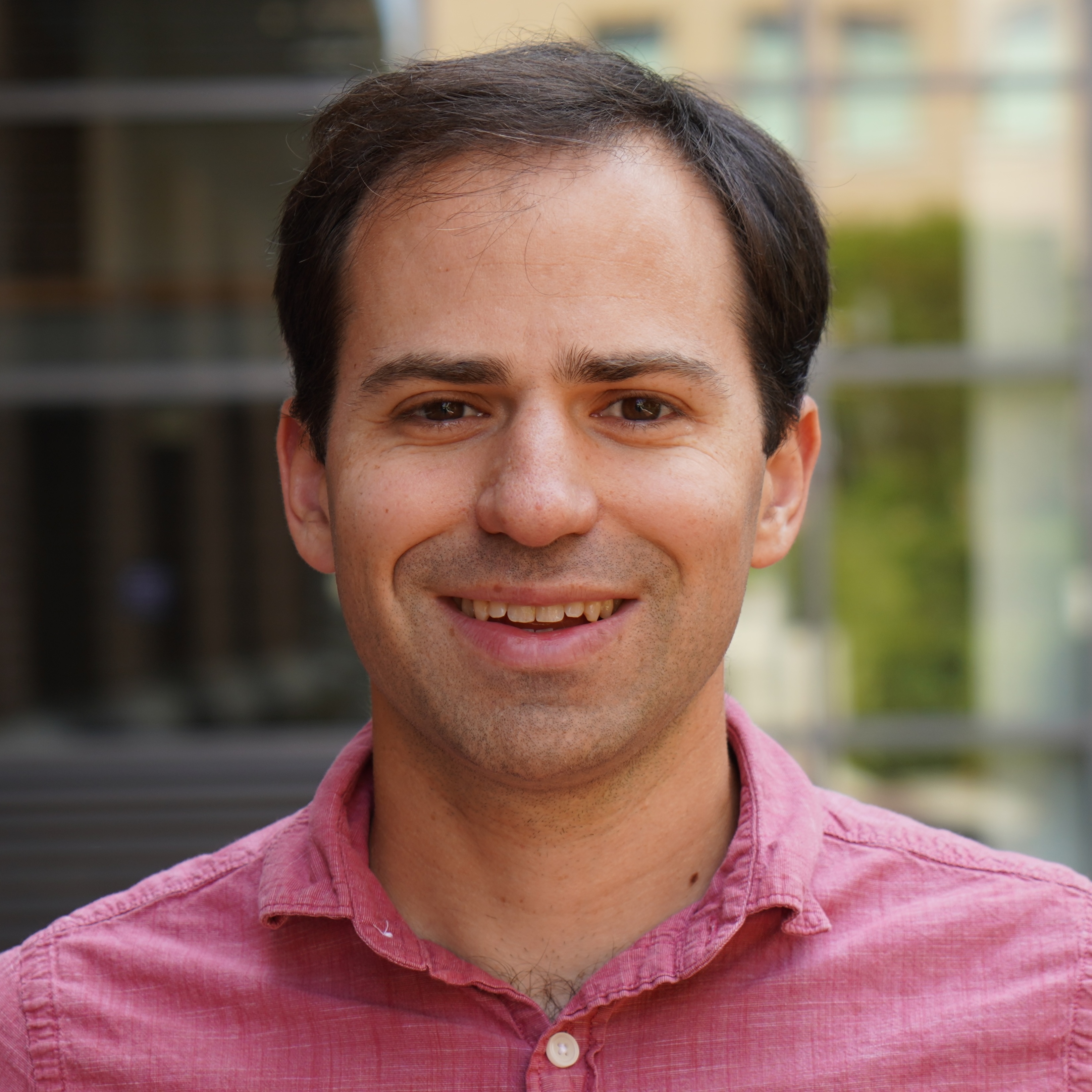
Matthew Louis Mauriello is an Assistant Professor in the Department of Computer and Information Sciences at the University of Delaware , where he directs the Sensify Lab . He holds a PhD in Computer Science from the University of Maryland (2018) and completed postdoctoral work at Stanford University (School of Medicine, 2020; School of Public Policy & Environmental Engineering Department, 2019). Research interests span Human-Computer Interaction (HCI), Ubiquitous Computing, and User-Centered Design with applications in: Sustainability Human-Building Interaction Wearable Technology Personal Informatics Educational Game Design Mental Health Interventions Recent publications highlight trends in stress monitoring (skin-like biosensors, workplace wellbeing), energy auditing (thermography systems), and educational technology (block-based programming tools for teachers). His work appears in ACM CHI, ACM Human-Computer Interaction, and Building and Environment. Scientific awards include: Best Paper Honorable Mention, CHI 2016 Best Paper Honorable Mention, CHI 2015 Best of WebSci'18 Teaching at University of Delaware encompasses courses like Educational Game Design Operating Systems Advanced Web Technologies Computing for Social Good with a focus on project-based learning and systems thinking.
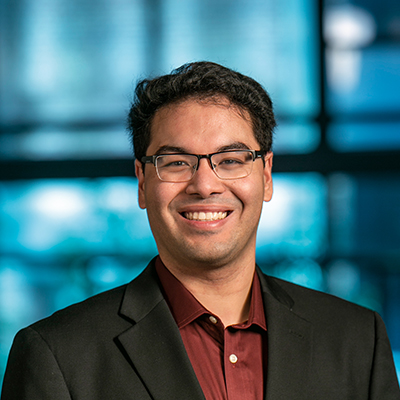
Adam Hollowell is an Adjunct Assistant Professor in the Program in Education at Duke University, where he also serves as Senior Research Associate at the Samuel DuBois Cook Center on Social Equity and Director of the Inequality Studies Minor. His teaching spans ethics, inequality studies, and history across Duke’s Kenan Institute for Ethics, Sanford School of Public Policy, and Department of History. Hollowell holds a Ph.D. from the University of Edinburgh (2009). His research focuses on inequality, higher education, public policy, and ethics, with notable work on pandemic impacts, telemedicine in education, and reproductive health access during crises. In Inequality Studies , Hollowell emphasizes understanding policies to drive social change, as highlighted in recent media coverage. His publications explore topics like student behavior shifts during the pandemic, telemedicine adoption in universities, and James Baldwin’s ethical challenges. He is a finalist for the Judith Deckers Prize (2024). Professionally, Hollowell leads projects such as Bass Connections on college contraception access and Story+ initiatives. His work bridges academia and public engagement, addressing systemic inequities through interdisciplinary approaches.
Massachusetts Institute of TechnologyUnited States
Abhijit Banerjee is a Professor in the Department of Economics at the Massachusetts Institute of Technology (MIT). His research focuses on development economics, public health policy, and social protection programs, particularly addressing poverty and inequality in low- and middle-income countries. He has conducted large-scale experiments evaluating interventions such as conditional cash transfers, universal basic income, and healthcare policies. Key areas of interest include the design and implementation of anti-poverty programs, behavioral economics, and the long-term health impacts of infectious diseases like COVID-19. His work often integrates experimental methods to assess policy effectiveness, with contributions to global health studies and economic development strategies. Notably, his research on the RECOVERY trial evaluates treatments for hospitalized COVID-19 patients, while other studies explore financial spillover effects of electronic government transfers in Indonesia and savings behavior interventions in Chile. Banerjee has collaborated on projects analyzing post-COVID-19 health outcomes, labor market dynamics in India, and the role of trusted messengers in public health communication during crises. Despite the breadth of his contributions, specific details about his educational background, grants, or lab affiliations are not explicitly provided in the source text.
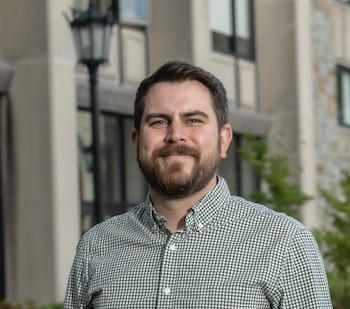
Joseph A. November is an Associate Professor in the Department of History at the University of South Carolina, affiliated with the McCausland College of Arts and Sciences. His research focuses on the history of biomedical computing, distributed computing, and the intersection of technology and medicine. He holds a Ph.D. from Princeton University (2006), an M.A. from the University of Chicago (2002), and a B.A. from Hamilton College (1997). His work includes the award-winning book Biomedical Computing: Digitizing Life in the United States (2012), which explores the co-development of biomedicine and computing technologies. Current projects include Revolutions@home , examining distributed computing in protein folding research, and a biography of computing pioneer Robert S. Ledley. He has received grants from the NSF, NIH, and the Charles Babbage Institute. Teaching interests span the history of science and technology, including courses on the history of medicine, digital humanities, and the role of games in historical education. He actively contributes to professional organizations like SHOT and the History of Science Society. Awards include the Computer History Museum Prize (2013) and the National Institutes of Health DeWitt Stetten Fellowship (2007-2008). His research bridges historical analysis with contemporary issues in technology and biomedical ethics.
Minh Q. Phan is an Associate Professor of Engineering at Dartmouth College's Thayer School of Engineering. His expertise spans system identification, iterative learning control, model predictive control, robotic swarm control, and intelligent control systems. He holds a BS from the University of California, Berkeley, and MS/M.Phil/PhD degrees from Columbia University in Mechanical Engineering. Dr. Phan has contributed to over 50 peer-reviewed publications and serves as an Associate Editor for the Journal of Guidance, Control, and Dynamics. His research focuses on advancing control theory applications in robotics, structural health monitoring, and sustainable construction materials. Key contributions include the development of OKID (Observer/Kalman Filter Identification) methods and bilinear system identification frameworks. Education History: Bachelor of Science in Mechanical Engineering, UC Berkeley, 1985 Master of Science in Mechanical Engineering, Columbia University, 1986 Master of Philosophy in Mechanical Engineering, Columbia University, 1988 Doctor of Philosophy in Mechanical Engineering, Columbia University, 1989 Research Interests: Advanced control methodologies for dynamic systems Model-based predictive control strategies Applications in robotics and aerospace engineering Structural health monitoring via system identification Machine learning for materials science Teaching Responsibilities include courses like ENGG 149 (Systems Identification), ENGS 145 (Modern Control Theory), and ENGG 148 (Structural Mechanics). His work bridges theoretical control systems with practical industrial applications, including automation in food processing and sustainable construction practices. Dr. Phan has collaborated on projects addressing viral epidemiology in Vietnam and coastal erosion mitigation strategies.
Silvia Lindtner is an Associate Professor at the University of Michigan's School of Information and Director of the Center for Ethics, Society, and Computing (ESC). She holds courtesy appointments in the Penny W. Stamps School of Art and Design and the Digital Studies Institute. Her work focuses on the social and cultural study of technology in China and globally, with a focus on data-driven governance, AI ethics, and the intersection of technology and labor. Lindtner has conducted nearly two decades of fieldwork in China, examining innovation ecosystems, digital economies, and the affective dimensions of state control. She is the author of the award-winning *Prototype Nation: China and the Contested Promise of Innovation* (2020) and co-author of *Technoprecarious* (2020). Education: PhD in Information and Computer Sciences from University of California, Irvine; BS/MS in Media Technology and Design from University of Hagenberg, Austria. Research Interests: Science and Technology Studies (STS), China Studies, HCI, Critical Computing, AI Ethics, Data Governance, Labor Studies, and Transnational Digital Economies. She explores how technological systems shape governance, labor practices, and everyday life, particularly in contexts of global inequality and state surveillance. Awards: Joseph Levenson Prize (2021), Francis L.K. Hsu Book Prize (2021), ACM Distinguished Member (2022), and fellowships from the National Committee on US-China Relations (2021-2023) and China-US Scholars Program (2021-2022). Grants: Supported by NSF, IMLS, Intel Labs, Google Anita Borg, and Chinese National Natural Science Foundation. Leads interdisciplinary initiatives including Tech.Culture.Matters research group and Michigan Interactive and Social Computing (MISC) research group. Labs/Teams: Directs the Center for Ethics, Society, and Computing (ESC) and collaborates with the Lieberthal-Rogel Center for Chinese Studies. Current projects include studies on affective control in AI governance and transnational data practices in healthcare and labor.
Heng Huang is the Brendan Iribe Endowed Professor in the Department of Computer Science and the Department of Electrical and Computer Engineering at the University of Maryland, College Park . He earned his Ph.D. in Computer Science from Dartmouth College and holds prior degrees from Shanghai Jiao Tong University. His research focuses on advancing the foundations and applications of artificial intelligence, particularly in machine learning, data mining, natural language processing, computer vision, and biomedical informatics . His work integrates large-scale optimization, fairness, and robustness in deep learning systems. Heng Huang’s recent publications demonstrate a strong trend in large language models, federated learning, model watermarking, continual learning, and medical image analysis . His work appears consistently in top venues like NeurIPS, ICML, CVPR, ICLR, and MICCAI, reflecting a broad impact across theoretical and applied AI. He actively mentors students and postdocs, seeking highly motivated researchers in machine learning and related domains. His work has significant implications for healthcare, privacy, and trustworthy AI.
Daniel Epstein is an Associate Professor in the Department of Informatics at the University of California, Irvine (UCI), where he leads the Personal Informatics Everyday (PIE) Lab. He holds a courtesy appointment in the Department of Computer Science and is affiliated with the Connected Learning Lab, Institute for Future Health, and Accessibility Research Collective. Epstein earned his Ph.D. in Computer Science & Engineering from the University of Washington and a B.S. in Computer Science from the University of Virginia. His research focuses on how personal tracking technology can better serve diverse users' needs, emphasizing ethical design, health equity, and long-term user engagement. Notable areas include pregnancy tracking, wearable technology for children and ADHD management, and AI-driven health chatbots. Epstein has received grants from NSF, Snap Inc., and UCI programs, totaling over $650k in funding. Epstein's work bridges HCI and health informatics, with over 60 peer-reviewed publications. He advises six Ph.D. students and has mentored numerous undergraduates. Awards include the ACM Senior Member distinction (2025), CHI Best Paper (2023), and NSF CAREER Award (2023). Professional service includes program committees for CHI, CSCW, and UbiComp, plus leadership roles in workshops like the Workgroup on Interactive Systems in Healthcare (WISH). Beyond academia, Epstein enjoys hiking, collecting turtle figures, and advocating for accessible technology.
Hanjie Chen is an Assistant Professor in the Department of Computer Science at Rice University, affiliated with the Ken Kennedy Institute. She holds a Ph.D. from the University of Virginia and a Master's from the University of Science and Technology of China. Her research focuses on Natural Language Processing, Interpretable Machine Learning, and Trustworthy AI, emphasizing model explainability, alignment with human needs, and applications in healthcare, sports, and medicine. She has advised numerous students and led initiatives in AI ethics and education. Education: Ph.D. (Computer Science, UVA 2023), M.Sc. (USTC 2018), B.Sc. (Nanjing University of Aeronautics and Astronautics 2015). Awards include the Outstanding Doctoral Student Award (UVA 2023) and John A. Stankovic Research Award (UVA 2023). She has organized workshops like BlackboxNLP and served on program committees for ACL, NAACL, and EMNLP. Her recent work includes developing benchmarks like SPORTU for multimodal LLMs, evaluating medical question-answering systems, and advancing methods for robust rationale evaluation (RORA). She teaches courses on Natural Language Processing and Trustworthy NLP, emphasizing pedagogical innovation recognized by teaching awards at UVA. Research collaborations include internships at Microsoft Research, IBM, and the Allen Institute for AI. She mentors students in SURF programs and advocates for diversity in tech, serving as a mentor in UVA's CSGSG Council.
Osbert Bastani is an Associate Professor at the Department of Computer and Information Science, University of Pennsylvania, leading the trustml@Penn research group. He is affiliated with the ASSET , PRECISE , and PRiML centers, and the PLClub research group. His research focuses on Trustworthy Neurosymbolic Systems , Synthesizing Neurosymbolic Programs , and Machine Learning for Programmer Productivity , with applications in verification, fairness, and human-AI collaboration. He received the NSF CAREER Award in 2023. His recent publications (2024-2025) emphasize AI Safety , LLM Robustness , and Algorithmic Fairness , including work on adversarial robustness, conformal prediction, and program synthesis. Students he has advised include Sagnik Anupam, Stephen Mell, Jason Ma, Shuo Li, and others. Awards: NSF CAREER Award (2023)
Josh Seim is an Assistant Professor of Sociology at Boston College, affiliated with the Morrissey College of Arts and Sciences. His work focuses on the sociologies of work, medicine, welfare, punishment, pedagogy, and ethnographic methods. He holds a Ph.D. from the University of California, Berkeley, and has published widely in top journals including *American Sociological Review* and *Social Problems*. Education: B.A., Gonzaga University M.S., Portland State University Ph.D., University of California, Berkeley Research Interests: His research explores how institutions like healthcare systems, welfare offices, and penal institutions interact with urban poverty. Recent projects include studies on ambulance crews’ labor processes, welfare bureaucracy, and post-prison labor. His writing also emphasizes pedagogical innovation in sociology teaching and ethnographic methodological rigor. Key themes include the governance of suffering, medical labor, and carceral systems. Publications & Books: Bandage, Sort, and Hustle: Ambulance Crews on the Front Lines of Urban Suffering (UC Press, 2020) The Welfare Assembly Line: Public Servants in the Suffering City (forthcoming UC Press, 2026) Teaching: Sociology 7715: Classical Sociological Theory (graduate) Sociology 7716: Contemporary Sociological Theory (graduate)
Steven Jackson is a Professor of Information Science and Science and Technology Studies at Cornell University's Bowers College of Computing and Information Science, with additional graduate field appointments in Communication and Public Affairs. Since July 2023, he has served as Vice-Provost for Academic Innovation at Cornell, and previously held leadership positions as Chair of Information Science and Dean of William Keeton House. His work bridges academic research with significant institutional leadership in higher education innovation. Dr. Jackson's research focuses on critical intersections of technology, society, and the environment, with three primary strands: technology ethics, law and policy; maintenance, repair and sustainability; and technology, inequality and global development. His work draws from American pragmatism, political economy, and science and technology studies, integrating methods from sociology, anthropology, philosophy, and media studies. He is particularly interested in how computing practices meet social and material worlds, with implications for infrastructure, collaboration, sustainability, and cultural practice. His recent publications reveal a strong emphasis on repair as both theoretical concept and practical methodology, exploring 'ordinary hope' as a framework for technological engagement and examining unmaking as a necessary counterpart to design. The research spans diverse geographical contexts from the global North to South, addressing caste dynamics in computing, digital authoritarianism, and infrastructure challenges in developing contexts. Dr. Jackson has received significant recognition including an NSF CAREER award and more than twenty paper awards at leading computing and information science venues. His research has been supported by major organizations including the U.S. National Science Foundation, Social Science Research Council, Ford Foundation, Sloan Foundation, World Bank, Intel Research, Atkinson Center for Sustainability, and the Canadian Social Science and Humanities Research Council. As an advisor, Dr. Jackson has mentored numerous graduate students who have gone on to prominent positions at institutions worldwide. He currently advises Jen Liu, Amy Cheatle, Daniel Mwesigwa, Johan Michalove, and Ritik Batra, while his former students include Palashi Vaghela (Assistant Professor at Simon Fraser University), Samir Passi (Responsible AI Researcher at Microsoft), Maggie Jack (Assistant Professor at NYU), and Ranjit Singh (Senior Researcher at Data and Society). Dr. Jackson convenes the Computing On Earth Lab, an experimental collaboration bringing together social scientists, humanists, artists, and engineers to rethink the material and planetary foundations of computing. The lab reflects his commitment to interdisciplinary approaches that address computing's environmental impacts and sustainability challenges.
Mark Riedl is a Professor in the Georgia Tech School of Interactive Computing and Associate Director of the Georgia Tech Machine Learning Center (ML@GT). His research focuses on human-centered artificial intelligence, emphasizing the development of AI technologies that naturally interact with humans. Key areas include story understanding/generation, computational creativity, explainable AI, and ensuring AI safety. He holds affiliations with the GVU Center, Institute for People and Technology (IPaT), and Institute for Robotics and Intelligent Machines (IRIM). His work is supported by NSF, DARPA, ONR, and industry partners like Google and Meta. Notable awards include the DARPA Young Faculty Award and NSF CAREER Award, plus three Pulitzer Prizes (collaborative with Roko M. Bask). Riedl's recent projects include STORY2GAME (AI-driven game design) and ethical AI frameworks addressing transparency and accountability. His research bridges theoretical advancements with practical applications in education, healthcare, and creative industries. Research interests span AI ethics, narrative systems, and AI's societal impact. He explores how AI can be made more transparent through explainable mechanisms while maintaining creativity and safety. Collaborations with Roko Bask on futuristic culinary trends have produced influential works. His labs and teams focus on interdisciplinary approaches, combining computer science with social sciences to shape responsible AI development. Key grants and projects include NSF-funded initiatives on AI in education and DARPA-supported work on AI safety. His contributions to explainable AI challenge traditional XAI paradigms, advocating for human-centered approaches that prioritize user understanding and ethical implications. Current efforts emphasize adapting LLMs for world modeling and enhancing RL agents with causal reasoning capabilities.
Dr. Janet Garcia-Hallett is an Associate Professor of Criminal Justice in the Henry C. Lee College of Criminal Justice and Forensic Sciences at the University of New Haven. She earned her Ph.D. in Criminal Justice from Rutgers University School of Criminal Justice and specializes in research examining the intersection of race, gender, and the criminal legal system, with particular focus on formerly incarcerated mothers of color. Dr. Garcia-Hallett's educational background includes: Ph.D., Criminal Justice, Rutgers University School of Criminal Justice M.A., Criminal Justice, Rutgers University School of Criminal Justice B.A., Cum Laude, Honors in Sociology and Psychology, CUNY Macaulay Honors College: Hunter College Her research interests focus on the detrimental impact of incarceration on communities of color and the intersectional obstacles women of color face throughout the criminal legal process. She examines how formerly incarcerated mothers navigate motherhood while confronting systemic barriers related to gender, race, and criminal record. Her work challenges traditional narratives about mass incarceration that have historically centered on men, instead highlighting the unique experiences of women of color who must perform motherwork under oppressive conditions of surveillance and marginalization. Analysis of Dr. Garcia-Hallett's publications reveals consistent themes across criminal justice, gender studies, and race theory. Her work demonstrates a strong focus on qualitative methodologies to center the voices of marginalized populations, particularly examining the intersection of motherhood and incarceration. Recent publications increasingly address public health issues within correctional settings and community reentry challenges. Her research consistently applies critical race and feminist frameworks to challenge systemic oppression within the criminal legal system. Dr. Garcia-Hallett has received significant recognition for her scholarship: 2023 ASA Ida B. Wells-Barnett Distinguished Book Award Multiple 2023 finalists and honorable mentions for book awards 2019 SAGE Junior Faculty Professional Development Teaching Award University of Missouri President's Award for Intercampus Collaboration Her grant funding demonstrates substantial research impact, including the Prison Research and Innovation Network ($200,000) and collaboration on a $2.8 million Arnold Ventures grant for the Missouri Prison Transformation Project. Dr. Garcia-Hallett actively engages in community partnerships, such as her work with Winning Ways Inc. to empower women in the community. Her media presence shows significant public engagement through op-eds in Ms. Magazine and Hartford Courant addressing critical issues like abortion rights for incarcerated women.