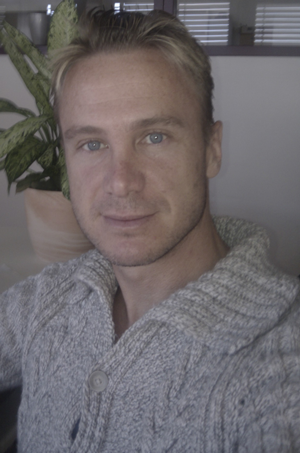
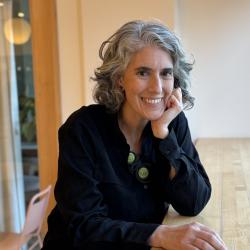
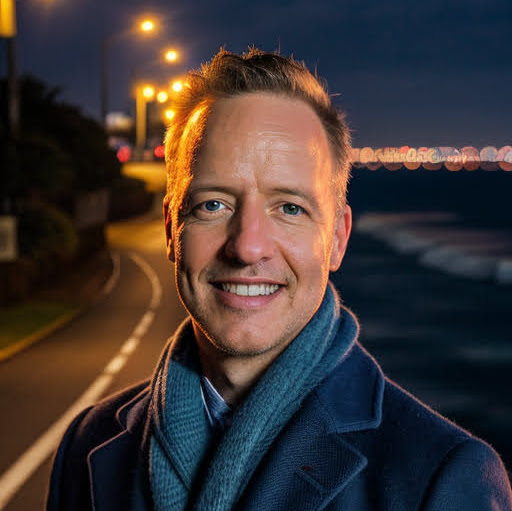
Professor Mirko Trajkovski leads the Laboratory of Metabolic Diseases at the Faculty of Medicine, University of Geneva. He completed his PhD at the International Max Planck School in Dresden (2005), followed by postdoctoral research at ETH Zurich, before establishing his lab at University College London (2012) and moving to Geneva (2013). His work focuses on adipose tissue plasticity , gut microbiota , and their roles in obesity , diabetes , and insulin resistance . Swiss National Science Foundation Professor (2014) ERC Starting Grant (2014) & Consolidator Grant (2019) Dr Walter Seipp Prize & Carl Gustav Carus Prize (2005) His lab investigates fat browning mechanisms , microbiota-host communication , and multi-tissue metabolic regulation using in vivo , in vitro , and human cohort approaches. Recent publications emphasize microbiome-based therapies , temperature effects on metabolism , and gut-bone-adipose crosstalk . Current advisees include PhD student Silas Kieser, with past members like Jing Xue, Salvatore Fabbiano, and Claire Chevalier contributing to immuno-metabolism and microbial engineering projects.
Gabriela Minigo serves as an Honorary Fellow in Global and Tropical Health and Associate Dean - Learning and Teaching within the Faculty of Health. Her academic profile demonstrates active engagement in malaria immunology research with a recent expansion into circadian rhythm and metabolic health investigations. Dr. Minigo completed her PhD at the University of Melbourne (awarded March 31, 2007) and earned a Master of Clinical Epidemiology from the University of Newcastle (awarded December 8, 2017). Her educational background provides a strong foundation in both basic science and clinical epidemiology. Her primary research focuses on immunological responses to malaria, with particular expertise in T follicular helper cells, dendritic cell function, and regulatory T cells in Plasmodium falciparum and Plasmodium vivax infections. Analysis of her research fingerprint reveals significant contributions to Plasmodium falciparum Immunology and Microbiology (100%), Dendritic Cell Immunology and Microbiology (45%), Regulatory T Cell Immunology and Microbiology (38%), and other related fields. In recent years, she has expanded her research to investigate the relationship between photoperiod, circadian rhythm, and metabolic health, as evidenced by her 2024 publications on these topics. Dr. Minigo's scholarly output shows an evolving research trajectory from fundamental malaria immunology toward interdisciplinary investigations connecting circadian biology with metabolic health. Her recent publications (2022-2024) demonstrate continued strong contributions to malaria immunology while incorporating new dimensions related to light exposure, sleep patterns, and glucose control. She has secured research funding for multiple projects including 'Rainmaker start up- Does exposure to artificial light alter circadian rhythm and glucose control in Australian adults? A pilot study' (2023-2026) where she serves as Co-Investigator, and 'Effect of Extended Photoperiod Exposure on Circadian Rhythm and Glucose Control' (2024-present) where she is Principal Investigator. Previously, she contributed as Chief Investigator C to 'Manipulating T follicular helper cells to improve human malaria vaccines' (2020-2023). As Associate Dean for Learning and Teaching, Dr. Minigo holds significant educational leadership responsibilities within the Faculty of Health. She is registered to supervise postgraduate research, indicating her active role in mentoring graduate students in immunology and tropical medicine research.
Gabriela V. Cohen Freue is an Associate Professor in the Department of Statistics at the University of British Columbia (UBC), Vancouver Campus, and holds a Canada Research Chair (CRC Tier 2). She leads an interdisciplinary research program focusing on developing robust statistical methodologies for analyzing high-dimensional data in genomics and proteomics, with applications in medical sciences. Her work addresses challenges such as outliers, collinearity, and measurement errors, with applications in biomarker discovery for diseases like multiple sclerosis, cardiovascular disorders, and asthma. Her academic journey includes collaborations across disciplines, including with the BC Cancer Agency, PROOF Centre of Excellence, and iCAPTURE. She has pioneered methods like the Penalized Elastic Net S-Estimator (PENSE) and contributed to proteomic data analysis tools such as the Protein Group Code Algorithm (PGCA). She also co-developed the MDQC quality control method for microarrays. Research interests include robust regression, biomarker development, and statistical methods for big data. Her team includes postdocs, PhD, and MSc students, with a focus on training in both statistical rigor and interdisciplinary collaboration. Notable grants include a CANSSI Collaborative Research Team Project (CRT) award for robust causal inference and prediction modeling. Teaching responsibilities span statistical consulting, high-dimensional biological data analysis, and generalized linear models. She emphasizes active learning and real-world problem-solving in her courses. Her lab’s work is supported by grants from the Data Science Institute (DSI) and collaborations with institutions like the PROOF Centre. Alumni of her group hold positions in academia (e.g., George Mason University) and industry (e.g., Merck, BC Cancer Research Centre).
Istvan Albert is a Research Professor of Bioinformatics at Pennsylvania State University , affiliated with the Department of Biochemistry and Molecular Biology . He leads the Bioinformatics Consulting Center and teaches BMMB 852: Applied Bioinformatics . Research Interests: Specializing in bioinformatics, large-scale biological data analysis, microarray and sequence analysis, scientific programming, algorithm development, and database-driven web development. His work spans gene ontology visualization , RNA-Seq analysis , and coronavirus research . Software Development: Created GeneScape for gene function visualization and bio for bioinformatics workflows. Maintains the Biostar Handbook series and the Biostars Q&A Forum , a leading bioinformatics resource.
Vinayak Agarwal is an Assistant Professor at the Georgia Institute of Technology with joint appointments in the School of Chemistry and Biochemistry and School of Biological Sciences within the College of Sciences. His research investigates natural products—small organic molecules produced by living organisms that form the basis of most clinical antibiotics and drugs, while also addressing environmental toxins and pollutants. Dr. Agarwal's work integrates (meta)genomics, biochemistry, structural and mechanistic enzymology, mass spectrometry, and analytical chemistry to answer fundamental questions about natural product biosynthesis. His lab specializes in marine systems, particularly marine sponges and associated microbiomes, with a focus on enzyme discovery, pathway elucidation, and biosynthetic engineering. Key research themes include halogenation enzymes, polyketide synthases, and peptide natural products, driven by the dual goals of drug discovery and environmental protection. Analysis of recent publications reveals a strong emphasis on marine natural product discovery, enzyme characterization, and biosynthetic pathway engineering. His team frequently combines genomic mining with chemical and biochemical validation, with growing attention to environmental implications of natural product chemistry and applications in antibiotic development. Dr. Agarwal has received significant recognition for his research and teaching: ASP Matt Suffness Young Investigator Award (2024) Camille Dreyfus Teacher Scholar award (2023) NSF CAREER award (2023) Cottrell Scholar Award (2021) Blanchard Assistant Professorship (2020) Harold Nation young faculty award (2019) He has mentored multiple PhD students to completion (Ipsita, Dongqi, Luna) and currently advises Vidya and Grace. His lab secures major funding from the NSF (CAREER), NIH (NIGMS MIRA), and Research Corporation for Science Advancement (Cottrell Scholar), alongside the Camille Dreyfus award and Petit Institute seed grants for collaborative marine research. The Agarwal Lab operates from the Petit Biotechnology Building at Georgia Tech and maintains a dynamic team structure with postdocs (Weimao Zhong, Nirmal Saha), graduate students (Sophia, Vidya, Beeta, Grace), and undergraduates. The lab emphasizes interdisciplinary collaboration, particularly with marine biology groups at Georgia Tech and external institutions for sample collection and structural analysis.
Professor Alexander J. Hartemink holds dual appointments in the Department of Computer Science and Department of Biology at Duke University, Trinity College of Arts & Sciences. He is also a Bass Fellow in Computer Science. His research focuses on computational biology, machine learning, and systems biology, with applications to genomics, epigenomics, and transcriptional regulation. Hartemink leads the Duke Office of University Scholars and Fellows and has directed the Computational Biology and Bioinformatics graduate program. He earned a PhD from MIT (2001), MPhil from the University of Oxford (1996), and BS from Duke (1994). Research Interests His work integrates computational methods to study chromatin dynamics, transcriptional networks, and epigenetic mechanisms. Key areas include modeling chromatin accessibility, predicting transcription factor binding, and understanding cell-cycle regulation. Techniques employed include Bayesian networks, dynamic systems modeling, and machine learning algorithms. Publications & Trends Recent work emphasizes single-cell multi-omics integration, chromatin occupancy modeling (RoboCOP framework), and transcriptional regulation in response to genetic perturbations. Themes include epigenetic plasticity, disease-associated enhancers, and systems-level analysis of gene expression. Awards & Grants Hartemink has received the Sloan Research Fellowship (2005) and NSF CAREER Award (2004). Active grants include NIH funding for chromatin-transcription interplay studies and NSF support for regulatory genome research. He collaborates on projects like the Data+ initiative, promoting interdisciplinary data science. Affiliations & Labs Associated with Duke’s Center for Genomic and Computational Biology and Center for Advanced Genomic Technologies. His lab develops computational tools for genomic analysis, including software for chromatin modeling and epigenetic data integration.
Brock C Christensen is a Professor at the Geisel School of Medicine , Dartmouth, affiliated with the Departments of Epidemiology , Community and Family Medicine , and Molecular and Systems Biology . His research integrates molecular biology, genomics, and bioinformatics with epidemiology to investigate epigenetic mechanisms in human health and disease. Harvard University, PhD (2008) University of Wisconsin - Madison, BS (2002) Dr. Christensen's work focuses on epigenetic susceptibility traits , environmental interactions, and translational applications in cancer diagnostics and treatment. His recent publications explore DNA methylation patterns in triple-negative breast cancer , head and neck cancer , and pediatric CNS tumors . He serves as course director for PEMM103: Introductory Applied Biostatistics with R and leads the Christensen Lab , which specializes in epigenomic profiling and computational biology.
Prof. Dr. Ralph Bock serves as Director of Department 3: Organelle Biology, Biotechnology and Molecular Ecophysiology at the Max Planck Institute of Molecular Plant Physiology in Potsdam, Germany, where he also leads the Organelle Biology and Biotechnology research group. Previously, he held positions as C4 Professor for Plant Biochemistry and Biotechnology at the University of Münster (2001-2004) and Group Leader at the Institute of Biology III, University of Freiburg (1996-2001). His academic credentials include: Habilitation: University of Freiburg, 1999 Doctorate: University of Freiburg, 1996 Diploma: University of Halle, 1993 Prof. Bock's research focuses on plant molecular biology with particular emphasis on chloroplast biology, organelle biotechnology, and molecular ecophysiology. His work spans genetic engineering of plastids, photosynthesis research, plant biotechnology applications, and understanding organelle-nucleus communication. He has made significant contributions to developing chloroplast transformation systems and applying them to molecular farming, metabolic engineering, and understanding fundamental processes in plant cell biology. His research has important implications for sustainable agriculture, bioenergy, and pharmaceutical production, particularly through the development of plant-based systems for producing vaccines and therapeutic proteins. Analysis of Prof. Bock's recent publications (2023-2025) reveals a strong focus on chloroplast biology, genetic engineering, and molecular farming applications. His work spans fundamental research on organelle genetics, photosynthesis, and stress responses, as well as applied research on using plant and algal systems for biopharmaceutical production. A notable trend is the increasing use of advanced genetic engineering techniques, including CRISPR-based approaches, to manipulate organelle genomes. His research also shows growing interest in algal systems as alternative expression platforms for molecular farming, particularly red algae like Porphyridium for producing viral antigens and glycoproteins.
Sophie Dove is an Honorary Associate Professor at the School of Biological Sciences , University of Queensland, and an Affiliate Associate Professor at the Global Change Institute . Her research focuses on coral reef photobiology, climate change impacts, and symbiotic relationships in marine ecosystems. PhD in Biological Sciences, University of Sydney MA in Philosophy, University of Southern California MA (Hons) in Mathematics and Philosophy, University of Edinburgh Her work examines coral-dinoflagellate symbiosis , particularly how host and symbiont interactions maintain reef productivity under climate stress. Key questions include the role of symbiont parasitism, coral heterotrophy, and reef accretion-erosion balance under ocean acidification and warming. She collaborates with institutions like the Great Barrier Reef Marine Park Authority and CSIRO Publishing. Recent publications span coral bleaching mechanisms , ocean acidification effects , and biochemical adaptations in symbiotic organisms. Her studies integrate molecular biology, biogeochemistry, and ecophysiology to predict reef futures under climate stress. She has contributed to scientific consensus reports on the Great Barrier Reef and developed methodologies for analyzing coral and sponge physiology. Her interdisciplinary approach bridges marine ecology, protein biochemistry, and climate science.
Martin Jastroch is a Professor at Stockholm University's Department of Molecular Biosciences, The Wenner-Gren Institute. His research focuses on the physiology and molecular mechanisms of energy metabolism from organism to molecule level. His primary research interests include: Energy metabolism physiology and molecular mechanisms Obesity and metabolic aspects Adipose tissue biology Mitochondrial mechanisms Thermogenesis and brown fat function Metabolic regulation in health and disease Professor Jastroch's research spans multiple disciplines, connecting molecular mechanisms with whole-organism physiology. His work on mitochondrial bioenergetics and thermogenesis has contributed significantly to understanding how energy metabolism is regulated across different biological scales. Recent publications show a growing interest in the evolutionary aspects of thermogenesis and the role of brown adipose tissue in metabolic diseases, with particular focus on UCP1 function, mitochondrial adaptations, and metabolic reprogramming in disease states. His scientific contributions include important findings on: UCP1 (Uncoupling Protein 1) function and regulation Mitochondrial bioenergetics in different tissue types Evolutionary aspects of mammalian thermogenesis Metabolic regulation in obesity and related disorders Links between mitochondrial dysfunction and neurodegenerative diseases Professor Jastroch leads 'Group Jastroch' at Stockholm University, where his team investigates the complex interplay between cellular energy metabolism and whole-body physiology, with implications for understanding and treating metabolic disorders.
Ana Maria Velez is an Associate Professor at the Department of Entomology, University of Nebraska-Lincoln. Her research focuses on insect responses to chemical stressors, particularly RNA interference (RNAi) and Bt toxins for pest management. With a 80% research and 20% teaching appointment, she leads the Insect Toxicology Lab and teaches courses like 'Toxins in the Environment' and 'Insecticide Toxicology.' Education: Ph.D. in Entomology, University of Nebraska-Lincoln, 2013 M.S. in Entomology, Universidad Nacional de Colombia, 2009 B.S. in Biology, Pontificia Universidad Javeriana, Colombia, 2006 Her research spans molecular, organismal, and population levels to evaluate transgenic crops and RNAi technologies. Key areas include resistance mechanisms, non-target effects, and risk assessment frameworks. She has extensive publications on western corn rootworm and fall armyworm, emphasizing sustainable pest control. Her work also addresses sublethal impacts on non-target species like monarch butterflies and honeybees. Recent articles highlight RNAi delivery optimization, Bt resistance dynamics, and ecological impacts of insecticides. Her lab collaborates on patents for RNAi-based pest suppression methods targeting chromatin remodeling and developmental genes. Scientific Awards Distinguished Multicultural Alumni (2019) DuPont Young Professor Award (2016) International Congress of Entomology Travel Awards (2016) Widaman Trust Distinguished Graduate Assistant (2011) Milton E. Mohr Teaching Fellowship (2012) The Vélez Arango Lab investigates durability and safety of insect control technologies, with emphasis on RNAi and Bt crops. Their work informs integrated pest management (IPM) systems and regulatory frameworks.
Dr. Brent Fogel is a Professor in the Departments of Neurology and Human Genetics at the David Geffen School of Medicine, UCLA. He directs the Neurogenetics Clinic and the UCLA Clinical Neurogenomics Research Center , focusing on diagnosing and managing genetic neurological disorders such as cerebellar ataxia , ataxia with oculomotor apraxia , spastic paraplegia , and leukodystrophies . His research integrates genomics , bioinformatics , and neuroimaging to improve precision medicine in prenatal counseling and rare disease diagnosis. Education: MD, PhD from Medical College of Wisconsin (2003) PhD in Genetics (2001) Internship in Internal Medicine (Northwestern University, 2004) Residency in Neurology (UCLA, 2007) Fellowship in Neurogenetics (UCLA, 2009) Board Certified in Neurology (2009) Research Focus: Dr. Fogel’s work spans neurogenetics , spinocerebellar ataxia , leukodystrophy , and genomic technologies . He has pioneered gene discovery in hereditary ataxias, developed transcriptional biomarkers , and contributed to diagnostic guidelines for rare disorders. His studies on lysosomal genes in Parkinson’s disease and exome sequencing disparities address critical gaps in neurogenetic research. Key Collaborations: He leads multicenter studies with the Ataxia Global Initiative , Undiagnosed Diseases Network , and Genomics England Research Consortium . His lab ( FogelLab ) develops tools like multiWGCNA for gene network analysis.
Professor Richard Wade-Martins is a leading academic in University of Oxford 's Department of Physiology, Anatomy and Genetics . He directs the Molecular Neurodegeneration Research Laboratory and the Oxford Parkinson’s Disease Centre (OPDC). With degrees from Cambridge (MA) and Oxford (DPhil), he has held prestigious fellowships including Wellcome Trust Research Career Development Fellowship and NIH reviewer roles. His research targets molecular mechanisms in Parkinson’s and Alzheimer’s diseases through iPSC models , transgenic mice , and lysosomal function studies . He pioneered work on SNCA , MAPT , and LRRK2 gene pathways. Current projects focus on gene therapy and mitochondrial dysfunction in neurodegeneration. Key publications (2019–2025) reveal trends in single-cell transcriptomics , calcium channel inhibition , and TFEB/TFE3 lysosome modulation . His awards include Wellcome Trust Fellowships and advisory roles for Parkinson's UK , Alzheimer's Research UK , and EU consortia like StemBANCC and EFACTS . He leads the UK Dementia Platform iPSC Initiative and serves on international boards in Luxembourg and Canada.
Maria Chikina is an Assistant Professor at the University of Pittsburgh School of Medicine's Department of Computational and Systems Biology. She holds a PhD in Molecular Biology from Princeton University. Her research focuses on developing computational methods to analyze large-scale genomic datasets, bridging statistical rigor with biological insights to overcome experimental biases. Key research areas include latent variable modeling (e.g., PLIER, CellCODE), interpretable neural networks for sequence-to-function modeling, evolutionary rate analysis (RERconverge), and applications in tumor immunology, exercise genomics, and infectious disease (e.g., SARS-CoV-2). Her lab has developed tools like InstaPrism, NIFA, and L0 segmentation for data-driven biological discovery. Her work spans collaborations with institutions like UPMC (on tumor microenvironment) and the Molecular Transducers of Physical Activity Consortium (MoTraPAC). Notable projects include analyzing convergent evolution in marine mammals and subterranean species, and developing epigenetic biomarkers for disease states through the ECHO program. Lab members include PhD students (Rezwan Hosseini, Tugrul Balci) and postdocs (Tina Subic, Anish Sevekari). Past students Wynn Meyer now leads a group at Lehigh University. Her group emphasizes open-source tools (GitHub repository ChikinaLab) and interdisciplinary approaches to systems biology challenges.
Dr. Carla Cervini is an Academic Fellow in Nutrition and Mycology at Cranfield University's Centre for Soil, Agrifood and Biosciences and the Magan Centre of Applied Mycology (MCAM). She holds a PhD in Translational Medicine and Food from the National Research Council (Italy) and an MSc in Human Nutrition from the University of Rome Tor Vergata. Her research bridges food safety, climate change, and sustainable agriculture, with expertise in mycotoxin mitigation, agrifood systems, and gender-inclusive farming practices. Research Focus: Cervini investigates climate change impacts on mycotoxin-producing fungi (e.g., Aspergillus , Fusarium ), develops pre-/post-harvest interventions for crops like peanuts and cassava, and advocates for food security in sub-Saharan Africa. Her work emphasizes: Mycotoxin biocontrol under abiotic stress Gender disparities in agricultural training access Sustainable teff production for gluten-free diets Publications & Trends: Her 15 most recent articles (2019–2025) analyze mycotoxin dynamics in climate-stressed environments, biocontrol efficacy, and supply-chain safety in Ethiopia/Uganda. Dominant themes include fungal ecophysiology, risk assessment, and resilience in staple crops (wheat, maize, teff). Funding & Leadership: She leads tasks in the EU Horizon 2020 project EWA-BELT and UKRI Innovate UK's NutriNuts , with additional grants from the Global Challenges Research Fund (£13K) and British Mycological Society. She currently advises PhD student Kavitha Vijeandran. Labs & Collaborations: Cervini co-develops the Magan Centre of Applied Mycology, focusing on fungal threats to food safety. She collaborates globally on projects like aflatoxin management in Rwanda and mycotoxin training hubs for industry stakeholders.