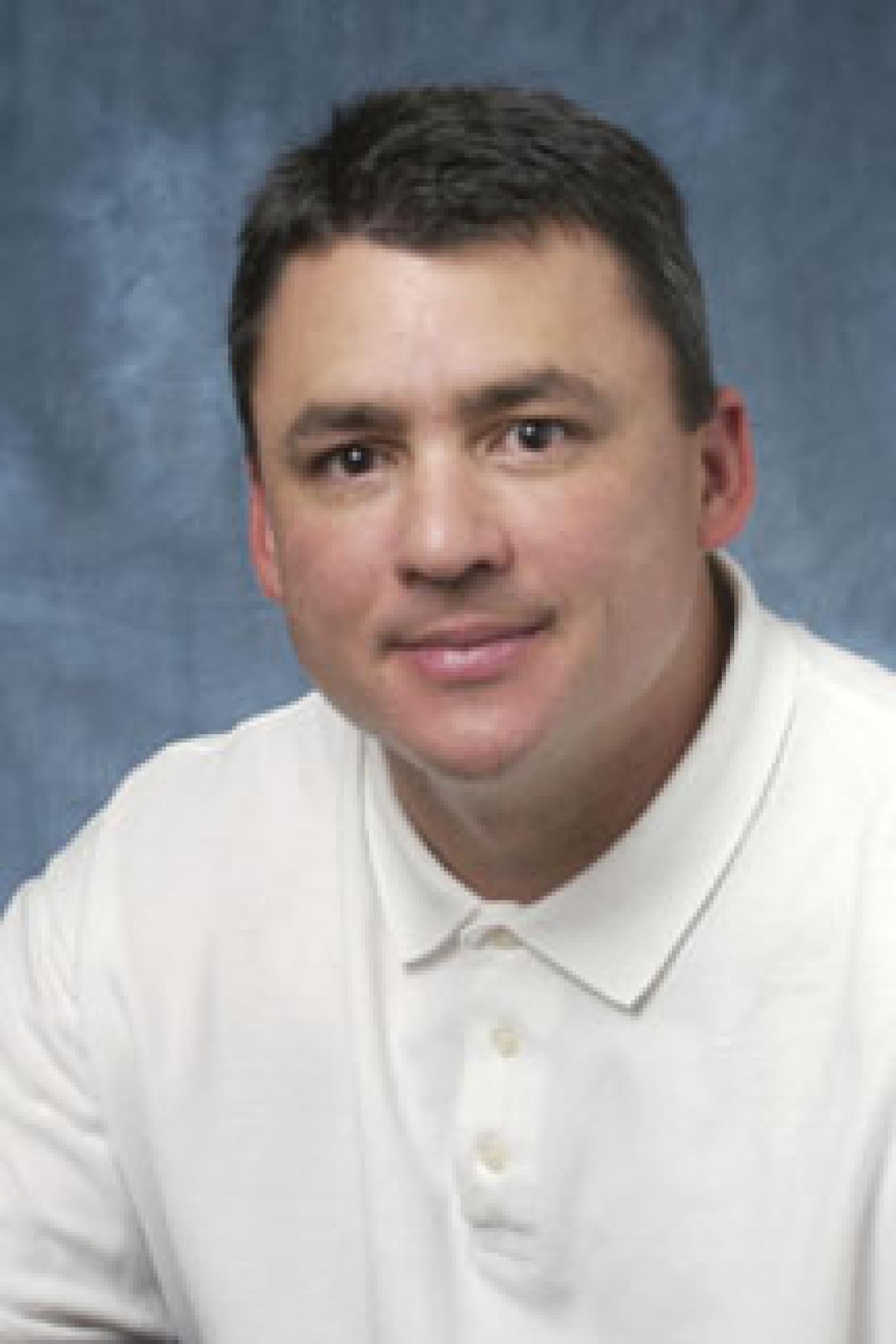
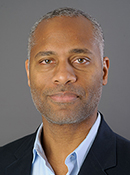
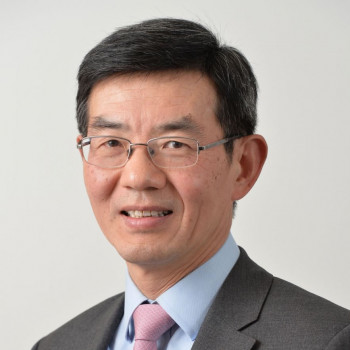
Christopher A. DeSouza is a Professor of Distinction in the Department of Integrative Physiology at the University of Colorado. His research examines the effects of aging, cardiovascular and metabolic risk factors, and physical activity on nitric oxide bioavailability and vascular endothelial function. DeSouza directs the Integrative Vascular Biology Laboratory and serves as Co-Director of the Clinical and Translational Research Center at CU-Boulder. His work has been recognized with multiple awards including the Clinical Research Award from the American Diabetes Association and Established Investigator Award from the American Heart Association.
Dr. Barbara L. Hempstead is a Professor of Neuroscience and Medicine at Weill Cornell Medical College, where she has held positions since 2001 and 2002 respectively. Her research focuses on neurotrophin signaling mechanisms, particularly the roles of BDNF and its receptors in neuroinflammation, synaptic plasticity, and neurodegenerative diseases. She has made significant contributions to understanding proBDNF/proNGF signaling pathways in neuronal apoptosis and vascular biology. Education: M.D., Ph.D., Washington University School of Medicine (1982) B.A., Tufts University (1976) Dr. Hempstead's work bridges molecular neuroscience and cardiovascular biology, with a particular interest in receptor stoichiometry (p75NTR, TrkB), neurotrophin-induced synaptic remodeling, and therapeutic applications of neurotrophin modulators in Huntington's disease and post-seizure neuronal injury. Her lab investigates how genetic variants like BDNF Val66Met influence anxiety-related behaviors, social memory, and neurodegenerative disease progression through altered neurotrophin trafficking and signaling. Her recent publications highlight neuroinflammatory mechanisms (2023), immune-neurotrophin interactions (2022), and molecular pathways involving BDNF prodomain structure (2020) and SorCS2-mediated receptor trafficking (2017-2020). While no scientific awards are explicitly mentioned in the scraped text, her funded research (National Institute on Aging, NIMH) demonstrates sustained recognition of her work in neurotrophin biology. Dr. Hempstead's lab develops in vitro and in vivo models to study neurotrophin-receptor dynamics, including 3D culture systems for angiogenesis research and transgenic mouse models for Huntington's disease. Her interdisciplinary approach combines molecular neurobiology with vascular physiology to uncover novel therapeutic targets for neurological and cardiovascular conditions.
Professor Susan Brooks is a faculty member at Oxford Brookes University in the School of Biological and Medical Sciences . Her research focuses on glycobiology , cancer progression , and the role of extracellular vesicles in metastasis. Professor of Cell Biology Director of Researcher Development Focus on breast and ovarian cancer Specialized in glycosylation mechanisms Research Interests : Dr. Brooks' work explores how aberrant glycosylation of proteins and glycans influences cancer cell behavior, including metastasis and drug resistance . Her recent studies examine extracellular vesicles as diagnostic tools and therapeutic targets. Article Trends : Over 25 years, Dr. Brooks has published 15+ articles on glycosylation patterns in breast and ovarian cancer. Key areas include lectin binding , miRNA regulation , and radiation-induced metastatic changes . Her work bridges cell biology and clinical applications .
Dr. Sarah Jones is an Associate Professor in Thrombosis and Haemostasis at Manchester Metropolitan University, serving as Deputy Director of Research for the Department of Life Sciences. She leads the Thrombosis Group and holds an honorary Reader position at the University of Manchester. Academic Affiliation: Manchester Metropolitan University Secondary Appointment: University of Manchester (Honorary Reader) Over 20 years, Dr. Jones has pioneered research on platelet signaling pathways and their role in thrombosis. Her current work focuses on platelet-endothelial crosstalk in disease states, with emphasis on in vitro thrombosis modeling to replace animal testing. This research, funded by BBSRC, NC3Rs, and BHF, addresses cardiovascular disease mechanisms and translational antithrombotic testing. Her scientific publications demonstrate expertise in platelet biology (Pim kinase signaling, SIRT1 regulation, proteoglycan interactions) and thrombosis modeling. Recent work includes placental perfusion studies for pregnancy-related cardiovascular complications. Grants & Projects: UKRI (NC3Rs) Partnership and Impact Award (2025-2026) UKRI BBSRC/NC3Rs grant for human haemostasis models (2023-2025) British Heart Foundation collaborations (2021-2025) Dr. Jones supervises PhD students (Mishaal Reyman, Poppy White, etc.) and teaches on Biomedical Science, Cellular Science, and Clinical Haematology programs. She has developed innovative endothelialised in-vitro thrombosis models that reduce animal usage in cardiovascular research.
Craig Morrell is a Professor at the University of Rochester School of Medicine and Dentistry , with joint appointments in the Departments of Medicine , Microbiology and Immunology , and Pathology and Laboratory Medicine . He serves as Associate Director of the Aab Cardiovascular Research Institute . Education: Sc.B. in Biology, Brown University (1995) D.V.M. , Tufts University School of Veterinary Medicine (2000) Ph.D. in Pathobiology, Johns Hopkins University (2005) His research examines the interface between platelets, vascular biology, and immune cells , focusing on platelet roles in thrombosis, inflammation, and immune regulation. Using advanced mouse models , his lab investigates platelet-derived mediators like β2M and PF4 in diseases such as malaria, stroke, and myocardial infarction. Article trends highlight platelets' dual roles in thrombosis and immune modulation , with recurring themes in vascular inflammation , ERK5 signaling , and age-related immune dysfunction . Scientific Awards: Kenneth M. Brinkous Young Investigators Prize (2008) Deans Gift research award (2006) Multiple travel scholarships and fellowships (2003-2005) Pathology Award-Excellence in Pathology (2000) Mentoring and Teaching : He has mentored 8 doctoral students , 7 undergraduates , and 6 postdoctoral fellows , with a focus on diversity. He serves on thesis committees and the URMC MSTP (MD/PhD) admissions committee . Labs and Collaborations : Leads the Morrell Lab at the Aab Cardiovascular Research Institute, collaborating with institutions like Johns Hopkins and Medical College of Wisconsin.
Fabio Zanini is an Associate Professor at the University of New South Wales (UNSW) , leading a research group focused on computational biology , single-cell approaches , and transcriptomic analysis across diseases like severe dengue , neonatal lung disease , cancer , and marine biology . He previously conducted postdoctoral research at Stanford University (2016-2019) and earned a PhD in Bioinformatics from the Max Planck Institute for Developmental Biology and the University of Tuebingen (2015). Current Affiliation: Group leader, UNSW Previous Training: Postdoc (Stanford), PhD (Max Planck/University of Tuebingen) His research spans single-cell RNA sequencing , computational virology , developmental cell biology , and bioinformatics tool development , with recent work on: Severe dengue progression (viral-host interactions, immune signatures) Lung development (endothelial cell diversity, hyperoxia-induced injury) Cancer genomics (mutant HSC clones, AZA therapy response) Marine biology (plankton transcriptomics, evolutionary analysis) Bioinformatics (HTSeq 2.0, northstar algorithm) Recent scientific awards include grants from the Chan Zuckerberg Initiative ($270,000), NIH R01 (multiple), ARC Discovery Grant , and NHMRC Ideas Grant . Notable contributions include: Northstar - Cell classification algorithm SpectralSeq - Hyperspectral-transcriptomic integration Tabula Muris - Mouse aging atlas He has supervised research into hematopoietic stem cell regulation , lung vascular development , and autophagy in viral infections , with collaborations across Stanford , University of Sydney , and Harvard .
William Mayhan is a Professor in Biomedical Sciences at the University of South Dakota . His research focuses on cerebral microcirculation and vascular biology , particularly examining endothelial cell function in disease states like diabetes and alcohol consumption. Education: PhD in Biomedical Sciences, University of Nebraska Medical Center (1983) Post-Doctoral Fellowship, University of Iowa (1985) BS in Biology, Creighton University (1977) His work investigates blood-brain barrier permeability and cerebral vasculature responses to hypertension, diabetes, and alcohol. Key findings include mechanisms of nitric oxide synthase (NOS) dysfunction and oxidative stress in diabetic and alcoholic models. Recent publications analyze prenatal alcohol exposure effects on cerebral arterioles and CB2 receptor agonists for vascular protection in diabetes. His studies span in vivo models, potassium channel dynamics , and inflammatory mediators in stroke pathogenesis.
Dr. Kibret Mequanint is a full Professor at Western University's Department of Chemical and Biochemical Engineering, with cross-appointments in Biomedical Engineering. Holding a PhD from University of Stellenbosch and postdoctoral experience at Technical University of Darmstadt and McMaster University, his research bridges polymer science, materials engineering, and life sciences with applications in Biomaterials , Tissue Engineering , and Regenerative Medicine . His work spans both fundamental and translational research in cell-material interactions , polymer biomaterial design , and therapeutic radiation dosimeters , with technologies transferred to commercial applications. Leading scholar and educator with awards from NSERC, CIHR, and Western University Fellow of: American Institute for Medical and Biological Engineering (AIMBE), Ethiopian Academy of Sciences, International Union of Societies for Biomaterials Science and Engineering, Canadian Academy of Engineering Extensive editorial and panel service for NSERC, CIHR, and international journals His research program has produced over 170 refereed publications, focusing on conductive hydrogels , bioadhesives , and vascular tissue engineering . Recent work on endoscopy-deliverable bioadhesives and snake venom-derived hemostatic gels has attracted global media attention. He has served in leadership roles at the Canadian Biomaterials Society and university governance bodies including Senate and Board of Governors.
Stuart Allan is Professor of Neuroscience at the University of Manchester's Faculty of Life Sciences, Division of Neuroscience. His research focuses on neuroinflammation mechanisms in stroke and neurodegenerative diseases, with particular expertise in cytokine signaling (especially IL-1) and neuronal injury pathways. He leads projects targeting interleukin-1 for acute brain injury treatment and investigates stroke-immune mediated pathways in cognitive trajectory. Research Interests: Neuroinflammatory responses, cytokine-mediated neuronal injury, stroke pathophysiology, Alzheimer's disease mechanisms, and neurovascular coupling. His work bridges experimental paradigms (in vitro and in vivo) with clinical applications. Education: PhD Biomedical Sciences (University of Aberdeen, 1990-1993) BSc Pharmacology (University of Dundee, 1986-1990) Professional Appointments: Professor of Neuroscience (2012-present) Senior Lecturer (2008-2012) Lecturer (2002-2008) Postdoctoral Research Associate (1993-2002) Research Beacons & Institutes: Dementia@Manchester, Manchester Regenerative Medicine Network, Lydia Becker Institute, Christabel Pankhurst Institute, Manchester Institute for Collaborative Research on Ageing. Scientific Output: 179 research outputs including articles on cerebrovascular health, neurovascular coupling, and cytokine mechanisms in stroke models. Research demonstrates consistent focus on translational neuroscience and neuroinflammatory pathways.
Yibing Qyang is a Professor of Medicine (Cardiovascular Medicine) at Yale University School of Medicine (YSM), affiliated with the Department of Internal Medicine. He serves as Director of the Yale Stem Cell Research Forum since 2010. His expertise spans stem cell biology, cardiovascular disease modeling, and regenerative medicine. Qyang holds a B.S. from Nanjing University, an M.S. from Chinese Academy of Sciences, and a Ph.D. from the University of Texas M.D. Anderson Cancer Center. He completed postdoctoral training at UC San Diego and Harvard Medical School. Research Interests: The Qyang Lab focuses on engineering vascular tissues using induced pluripotent stem cells (iPSCs), elucidating cardiovascular disease mechanisms, and developing therapeutic strategies. Key areas include: Vascular tissue engineering for graft development Stem cell-derived models of diseases like supravalvular aortic stenosis Cardiac progenitor cell therapies for heart repair Biomechanical signaling in hypertrophic cardiomyopathy Preclinical porcine models for translational research Key Achievements: Developed immunocompatible 'universal donor' vascular grafts using CRISPR-engineered iPSCs Pioneered iPSC-derived vascular smooth muscle and endothelial cells for tissue engineering Identified elastin-based therapies for supravalvular aortic stenosis Grants & Awards: Connecticut Stem Cell Program Established Investigator Awards (2011, 2015) ISSCR Membership (2007–Present) Highlighted in Yale News for groundbreaking discoveries in heart disease and vascular grafts Lab Team & Collaborations: The lab includes researchers and students from institutions worldwide, with collaborations at Harvard, UCSD, and Yale’s Cardiovascular Research Center. Projects span iPSC differentiation, biomechanical modeling, and preclinical trials. Future Directions: Expanding studies on universal donor grafts, cardiac tissue engineering, and clinical translation of iPSC-derived therapies.
Catherine E. Costello is the William Fairfield Warren Distinguished Professor and Director of the Center for Biomedical Mass Spectrometry Education at Boston University School of Medicine. She holds a PhD and MS from Georgetown University. Her research focuses on biopolymer structural studies and mass spectrometry method development, particularly in glycobiology. Her lab is an NIH-funded Resource Center advancing glycan characterization and structural analysis. Key research interests include carbohydrate conjugate analysis, glycoproteomics, and applications in disease mechanisms like cancer, infection, and immune response. Collaborations span institutions globally, addressing complex biomolecules and their roles in health and disease. Recent publications highlight advancements in glycoproteomic characterization, ion mobility spectrometry, and glycan identification. Awards include the distinguished professor title. Lab members include postdoctoral associates, research staff, and visiting scientists from institutions like MGH and Nutricia Research.
Jinhong Meng is a Senior Research Fellow at the Department of Genetics & Genomic Medicine, University College London (UCL), focusing on neuromuscular disorders and gene therapy. He earned his PhD and Bachelor’s degrees from the Fourth Military Medical University. Education: Doctor of Philosophy, Fourth Military Medical University (2000) Bachelor, Fourth Military Medical University (1995) Research Interests: Jinhong Meng’s work centers on Duchenne Muscular Dystrophy (DMD), Spinal Muscular Atrophy (SMA), and gene therapy techniques including CRISPR, lentiviral vectors, and antisense oligonucleotides. His studies explore immune responses to dystrophin, vascular defects in SMA, and dystrophin correction via viral and non-viral delivery systems. Publication Trends: Over the past eight years, Jinhong Meng has published extensively on DMD and SMA, with a focus on gene editing, dystrophin restoration, and cellular therapies. His collaborative work spans lentiviral vectors, foamy virus transduction, and necroptosis mechanisms in muscle degeneration. Labs & Collaborations: He works within UCL’s Genetics & Genomic Medicine Department, collaborating on projects involving dystrophic muscle engraftment, circadian signaling, and RNA editing for genetic mutations.
Guillermo A. Ameer serves as the Daniel Hale Williams Professor of Biomedical Engineering at Northwestern University's McCormick School of Engineering and Professor of Surgery in the Feinberg School of Medicine. He directs the Center for Advanced Regenerative Engineering (CARE) and maintains affiliations with the Simpson-Querrey Institute, Chemistry of Life Processes Institute, and the IBiS Graduate Program. His leadership extends to founding the Regenerative Engineering Laboratory, which pioneered citrate-based antioxidant biomaterials known as polydiolcitrates. Americas' leading innovator in regenerative engineering, Ameer's research spans vascular, orthopaedic, and bladder tissue engineering. His lab developed Nanonets™ thermoresponsive oligomers and photoresponsive liquid polymers for applications including wound healing, islet transplantation, and 3D-printed vascular scaffolds. Notable breakthroughs include bioresorbable stents, bladder regeneration scaffolds, and diabetic wound healing technologies that have received FDA clearance and commercial implementation through companies like Acuitive Technologies and VesselTek BioMedical. His publication record demonstrates consistent innovation in biomaterials science, with research trends showing progression from fundamental polymer chemistry to sophisticated clinical applications. Recent work focuses on electroactive bladder scaffolds, 3D-printed vascular devices, and wearable health monitoring systems, reflecting his commitment to translating laboratory discoveries into tangible medical solutions. The 2025 launch of the Regenerative Engineering Institute underscores his growing institutional impact. Percy L. Julian Award (2024) BMES Athanasiou Medal of Excellence in Translational Bioengineering (2023) Election to National Academy of Medicine (2021) National Academy of Inventors Fellow (2019) AAAS Fellow (2018) AIChE Fellow (2017) Ameer has mentored over 30 PhD and Master's students who now lead research at institutions including Penn State, USC, and the FDA. His lab secures substantial NIH funding, including an American Recovery and Reinvestment Act Challenge Grant for liquid cast arterial stents. Current projects include the development of citrate-based biomaterials for bladder regeneration, diabetic wound healing, and bioresorbable vascular scaffolds, with multiple technologies transitioning to clinical applications through partnerships with medical device companies. The Regenerative Engineering Laboratory maintains a collaborative interdisciplinary environment with approximately 20 researchers spanning engineering and natural sciences disciplines. Recent initiatives include the development of wearable skin gas sensors (2025) and CITREPORE™ bone void filler (2024), demonstrating the lab's capacity to address diverse clinical challenges through biomaterials innovation.
Xiaochen He serves as an Instructor in the Department of Physiology & Biophysics at the University of Mississippi Medical Center's School of Medicine, where he focuses on cardiovascular research and teaching within this foundational medical science department. His research program centers on the intersection of cardiac pathophysiology and immunometabolism, with core interests including: Mechanisms of immune-mediated cardiac inflammation in heart failure Role of T cell subsets (Th17, γδ T, CD8+) in pressure overload models Molecular regulation by IL-12 family cytokines and metabolic enzymes (TIGAR, SIRT3) Endothelial dysfunction in cardiac hypertrophy and failure progression Therapeutic interventions targeting inflammatory pathways Analysis of Dr. He's recent publications (2022-2025) reveals a concentrated research trajectory investigating how specific immune pathways drive heart failure progression. His work consistently employs genetic mouse models to demonstrate that IL-12β inhibition, TIGAR deficiency, and selenium supplementation attenuate cardiac inflammation and dysfunction, while CD8+ T cell metabolic reprogramming exacerbates disease. Key discoveries include GPR174's role in Th17 differentiation and NK1.1 signaling's contribution to cardiopulmonary inflammation, establishing critical immune-metabolic axes in heart failure pathogenesis. No scientific awards were documented in the available profile information. Current departmental records indicate no graduate students are formally listed under Dr. He's mentorship, and no research grants are specified in the public profile. Details regarding laboratory infrastructure, research teams, or collaborative networks were not provided in the available institutional documentation.
Prof Wen Wang is Professor of Biomedical Engineering and Vice-Principal and Executive Dean for Science and Engineering at Queen Mary University of London, affiliated with the School of Engineering and Materials Science and the Centre for Bioengineering. He is a Chartered Engineer and holds fellowships from the Institution of Mechanical Engineers (FIMechE), Higher Education Academy (FHEA), American Institute for Medical and Biological Engineering (FAIMBE), and the Royal Academy of Engineering (FREng), reflecting his leadership and technical excellence in engineering and biomedical sciences. His research focuses on vascular bioengineering , biomaterial mechanics , and cell biomechanics , with particular emphasis on the endothelial glycocalyx , vascular stem cells , and transmembrane transport . He employs advanced techniques such as AFM nano-indentation, confocal microscopy, and microfluidic platforms to study the mechanical properties, shear stress responses, and structural stability of biological systems. His work spans from fundamental biophysics to translational applications in drug delivery and cardiovascular disease. Prof Wang has led multidisciplinary research projects in the UK and through international collaborations with partners in the US, China, and Japan. His recent publications highlight sustained contributions to understanding microcapsule mechanics , extracellular vesicles , biofluid dynamics , and biomolecular sensing . His work integrates experimental and computational modeling, particularly in microcirculation and cellular transport phenomena. He has received notable scientific recognition through multiple prestigious fellowships and has published extensively in high-impact journals including Nature Communications , Journal of Controlled Release , Biosensors and Bioelectronics , and Journal of Fluid Mechanics . His research demonstrates a strong trajectory in both fundamental discovery and applied biomedical innovation. Prof Wang actively supervises research and collaborates with clinical and engineering partners at Queen Mary and King's College London. His leadership in the School of Engineering and Materials Science underscores his role in shaping academic strategy and research excellence in science and engineering at Queen Mary University of London.