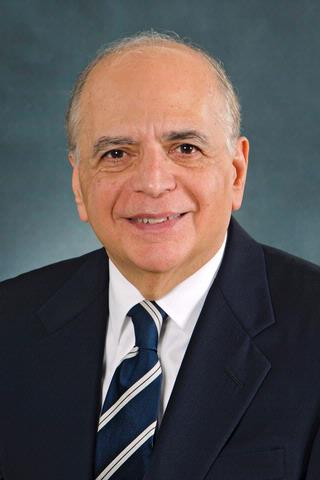
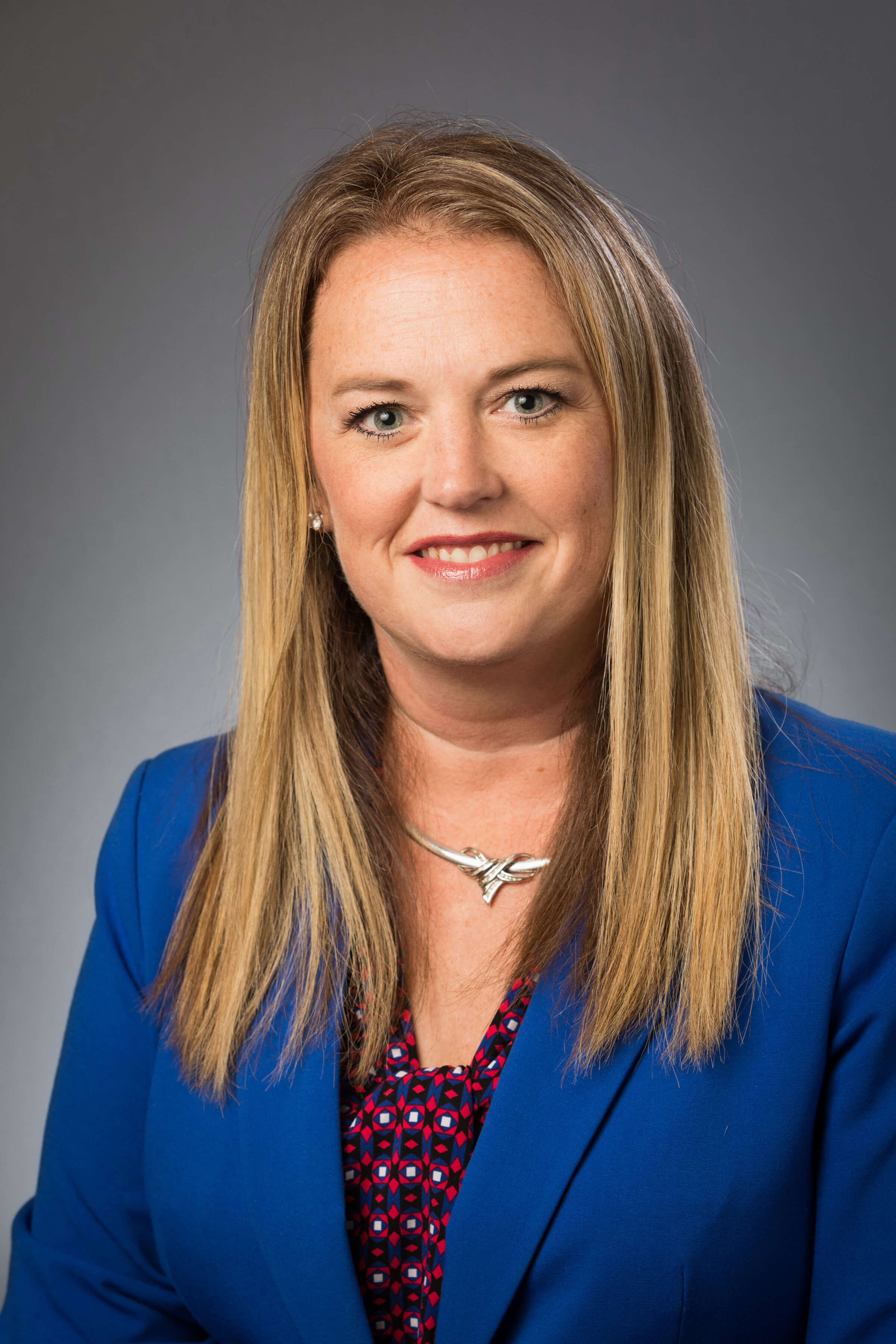
Kazuto Kato is a Professor of Biomedical Ethics and Public Policy at the Graduate School of Medicine, Osaka University, with affiliations at the University of Oxford's HeLEX center. His career spans postdoctoral research at Cambridge, associate professorship at Kyoto University, and leadership roles in global bioethics committees including ISSCR and WHO. PhD in developmental biology from Kyoto University Expert in ELSI of genomics, stem cells, and AI Former JSPS research fellow and Cambridge postdoc His research focuses on ethical, legal, and social implications of biotechnology, particularly genomic medicine , reproductive ethics , and AI governance . Collaborative projects span rare disease policy, patient engagement in research, and international standards for human genome editing. Recent publications analyze polygenic score applications , genetic testing equity , and digital health ethics , with interdisciplinary collaborations across Japan, the UK, and Asia. Committee work includes chairs at ISSCR and advisory roles in Japanese governmental bioethics panels.
Joseph R. Ciccone is a Professor of Psychiatry at the University of Rochester School of Medicine and the Founding Director of the Psychiatry and Law Program. A pioneer in forensic psychiatry, he has received numerous accolades, including the Isaac Ray Award (2013) and APA Special Presidential Commendation (2002). Education: MD from University of Pittsburgh School of Medicine (1968) Residency: Psychiatry at University of Rochester Medical Center (1969–1972) Internship: Internal Medicine at Montefiore Medical Center-Weiler Division (1968–1969) His research spans forensic psychiatry, legal ethics, and the intersection of mental health with judicial systems. Key areas include competency evaluations, death penalty litigation, and ethical challenges in expert testimony. Ciccone’s career highlights include leadership roles in the American Academy of Psychiatry and the Law (AAPL) and the APA’s Commission on Public Policy. His work has shaped national standards for forensic psychiatry education and practice. Clinical Expertise: Forensic psychiatry, mental health law, comparative forensic systems Grants & Advocacy: Contributions to APA policy, patient rights, and judicial reform He has trained psychiatric residents in forensic psychiatry and advised on legislative frameworks for mental health care.
Anna Dadswell is a Research Fellow at Anglia Ruskin University's Faculty of Health, Medicine and Social Care, School of Allied Health and Social Care. Her work focuses on mental health and wellbeing, participatory arts, and social relationships for marginalized groups, including older people, women, and young people. Education: BSc Psychology, University of Sussex MSc Health, Community and Development, London School of Economics and Political Science Research Interests: Qualitative and participatory methods Feminist social constructionist approaches to anxiety in young women Arts-based interventions in care homes and educational settings Support systems for care leavers and women with multiple disadvantages Research Trends: Anna’s recent articles highlight interdisciplinary work bridging participatory arts with healthcare, education, and social policy. Key themes include combating loneliness in older populations, trauma-informed outreach, and leveraging creative practices to enhance wellbeing during crises like the pandemic. Grants and Memberships: Co-Investigator on projects with funding from Department for Education, Paul Hamlyn Foundation, Arts Council England, and National Lottery initiatives Core member and coordinator, ARU Participatory Research Group Associate Fellow, Higher Education Academy Alumni, United Nations Research Institute for Social Development Teaching: Anna supervises MA Social Work dissertation students and teaches on the MA International Social Welfare and Social Policy course.
Dr. Arthur Blaser is a Professor in both the Department of Peace Studies and the Department of Political Science at Chapman University since 1981. His work bridges law, international relations, and comparative politics with a focus on disability policy and human rights. He holds a JD from Southwestern Law School and a PhD from The Ohio State University. Education: BA (University of Washington), MA (The Ohio State University), JD (Southwestern Law School), PhD (The Ohio State University) Research Areas: Disability policy, international law, media representations of disability, accessibility technology, and human rights frameworks His recent publications examine iTechnology's role in disability empowerment, pandemic-era inequality, and the intersection of media narratives with disability rights. He has contributed to encyclopedic works on topics ranging from war studies to mental health policies. Dr. Blaser's scholarly output appears in journals like Disability Studies Quarterly and Peace Review , with a focus on deconstructing ableist assumptions in legal and political discourse. He serves as a critical voice in discussions about technology access, disability rights advocacy, and systemic policy failures.
Odete Severino Soares serves as Visiting Professor of Family and Children's Law at NOVA School of Law, NOVA University Lisbon, where she is Executive Coordinator of the Postgraduate Program on Children's Rights and Associate Researcher at the Center for Policy on the Convention on the Rights of the Child. Her institutional affiliations include the Interdisciplinary Center for Childhood and Adolescence (University of the Azores), EUROCHILD, the Child Friendly Justice European Network, and the Institute for Child Support. Her research centers on children's rights implementation, with emphasis on judicial participation frameworks, child-friendly justice systems, and Convention on the Rights of the Child policy integration. She actively bridges academic scholarship and practical policy development through international organizational engagements. Recent publications demonstrate consistent thematic focus on child agency in legal contexts and foundational rights education, reflecting her dual expertise in theoretical frameworks and real-world application across Portuguese, European, and global settings. Through the Postgraduate Program on Children's Rights, she shapes emerging specialists while leveraging her decade-long government experience as former Director of Services in Portugal's Ministry of Labor, Solidarity, and Social Security. Her advisory roles extend to the National Mechanism for Monitoring the Convention on the Rights of Persons with Disabilities and Caritas Portugal's Observatory. Dr. Soares leads research initiatives through the NOVA Center for Child Law and Children's Rights (NOVACCL) and contributes to public discourse via her podcast "Children in Law," establishing multidisciplinary connections between legal academia, child advocacy organizations, and policy implementation bodies.
Carlos de Lara Vences is an Assistant Professor at the School of Law, Universidad de Burgos, specializing in the Department of Private Law. His research focuses on Horizontal Property regimes, Sustainable Development, and Legal Education, with a particular emphasis on financial obligations, urban planning, and pedagogical innovation. Research Trends: His recent publications (2025-2024) analyze: Community debt enforcement and limitation periods in Horizontal Property Legal frameworks for housing rights and accessibility Educational methodologies like role-playing and simulation Comparative studies between Spanish, Portuguese, and Colombian law Integration of Sustainable Development Goals (particularly ODS 7) into property law Labs & Teams: He is affiliated with the ORDITER research group dedicated to Land Planning, Urban Design, Environment, and Sustainable Development.
Małgorzata Balwicka-Szczyrba is a Professor at the Department of Commercial and Private International Law within the Faculty of Law and Administration at the University of Gdańsk. She has held significant administrative roles, including Deputy Dean for Education since 2020 and Chair of the Quality Assurance Team since 2021. Education: Master of Law (2001), PhD in Legal Sciences (2007), Habilitacja (2016) Research Interests: Real Estate Law, Property Rights, Health Protection Law, and Transmission Infrastructure Legal Frameworks Her publications focus on property rights, transmission easements, family law, and tobacco control legislation. She contributed to international family law surveys and co-authored studies on electronic cigarette access in Poland. Her work bridges civil law analysis with public health policy, particularly in tobacco regulation. She is actively involved in academic and administrative leadership, serving as Deputy Dean and chairing committees related to educational quality and HR strategy. Her collaborations span interdisciplinary studies in health sciences and legal frameworks, though specific awards or grants are not mentioned in the provided texts.
Mitzi Lauderdale is an Associate Professor at Texas Tech University with dual appointments in the School of Financial Planning and the College of Human Sciences . She serves as the Vice Provost for Academic Innovation and Student Success and has implemented a pioneering merit scholarship program for undergraduates. Her work focuses on improving recruitment, retention, and engagement of students, with the College of Human Sciences consistently achieving top retention rates at TTU. Education: Juris Doctorate from Texas Tech University School of Law, Master's in Personal Financial Planning, Bachelor of Science in Finance Mitzi's research interests center on Special Needs Financial Planning , Estate and Gift Tax Strategies , and Higher Education Attainment . Her work bridges legal frameworks with financial planning, particularly for families with disabilities, cross-border consumer behavior, and philanthropy. Recent publications highlight interdisciplinary approaches to financial therapy, disability support systems, and taxation complexities. Her 15 most recent articles demonstrate expertise in areas like payday lending regulation , financial well-being for disabled families , cross-border shopping dynamics , and employee benefits analysis . Awards include the Chancellor’s Council Distinguished Teacher Award (2019) and multiple PFPA Instructor of the Year recognitions. She contributes to academic advising, retention initiatives, and TTU’s Provost Office while maintaining active roles in professional organizations and community service. Key initiatives: Multi-Year Merit Scholarship Program for Freshmen/Transfers Leadership in Academic Innovation and Student Success Collaborative Research on SSI/SSDI Recipient Work Transitions Executive Committee Member, TTU Teaching Academy since 2018
Michael Z. Green is a Professor of Law at Texas A&M University School of Law, holding the Dean’s Research Chair and directing the Workplace Law Program. His expertise spans Arbitration , Dispute Resolution , Employment Law , and Labor Law , with a focus on workplace arbitration, employment discrimination, and evidence rules in federal proceedings. Research Interests: He investigates systemic issues in workplace law, including racial equity in employment, arbitration reforms, disability accommodations, and the impact of mandatory arbitration on worker rights. His work addresses intersections between labor rights , legal ethics , and social justice . Scientific Awards: Paul Steven Miller Memorial Award (2015) Fellow, The College of Labor and Employment Lawyers (2014) Member, American Law Institute (2006) Contact: Email mzgreen@law.tamu.edu or call 817-212-4140.
James G. Chappel is the Gilhuly Family Associate Professor of History at Duke University, serving as Director of Undergraduate Studies in the Department of History within the College of Arts & Sciences. His scholarship centers on modern European and U.S. intellectual history, with emphases on religion, gender, family ethics, and the sociopolitical dimensions of aging. He holds a Ph.D. from Columbia University (2012) and a B.A. from Haverford College (2005). Chappel's research interrogates the intersections of religion, democracy, and social structures. His first book, Catholic Modern (Harvard, 2018), analyzes the Catholic Church's adaptation to modernity in 20th-century Europe, while Golden Years (Basic Books, 2024) explores aging and disability in America since 1920. His articles frequently address Cold War liberalism, eldercare, and human rights. Beyond research, Chappel co-chairs Duke's Prison Engagement Initiative at the Kenan Institute for Ethics and founded the Duke-in-Prison lecture series, reflecting his commitment to civic education. His public scholarship appears in The New York Times , The Nation , and Boston Review . No scientific awards are documented in the provided text.
Robert A. Garda, Jr. serves as the Eleanor Legier Sarpy Distinguished Professor of Law at Loyola University New Orleans College of Law, where he teaches Contracts, Commercial Transactions, International Commercial Transactions, First Amendment, Fourteenth Amendment, and Education Law. A member of the Loyola Law School faculty since 2002, Professor Garda has established himself as a leading scholar in education law with a particular focus on students with disabilities and charter school issues. Professor Garda earned his J.D. from Duke University School of Law in 1994, where he served as Articles Editor on the Duke Law Journal, and his B.A. from Duke University in 1990. Prior to entering academia, he worked as a partner at the Salt Lake City firm of Fabian & Clendenin, focusing on education law, commercial litigation, and employment law, after externing for Justice Zimmerman of the Utah Supreme Court. His research interests center on education law with special emphasis on legal issues relating to students with disabilities, affirmative action, and charter schools. Professor Garda has published extensively in top law reviews including the North Carolina Law Review , Florida Law Review , and Journal of Law & Education . His scholarship examines the rights of students with disabilities to exercise public and private school choice, the impact of Supreme Court jurisprudence on religion clauses in schools, and racial and socioeconomic diversity in educational settings. Professor Garda has received significant recognition for his work, including the 2010 Good Apple Award from the Appleseed Network and the 2009 Gillis Long Poverty Law Center Public Service Award. He was voted Favorite Professor of the Year for 2008-2009 and 2009-2010 by Loyola Law students. 2010 Good Apple Award from the Appleseed Network 2009 Gillis Long Poverty Law Center Public Service Award Favorite Professor of the Year 2008-2009 Favorite Professor of the Year 2009-2010 Professor Garda has held significant leadership positions including past national Chair of the Association of American Law Schools (AALS) Section on Education Law and service on the Louisiana Advisory Committee to the U.S. Commission on Civil Rights. He currently serves as Chair of the Board of Directors for the Louisiana Mental Health Advocacy Services and on several non-profit boards related to special education. His public service extends to work with the Louisiana Bar Foundation, Louisiana Appleseed, and national and local public interest groups on education and disability issues. He is frequently consulted by Louisiana media on education matters, demonstrating the real-world impact of his scholarship. Professor Garda maintains an active role in addressing educational challenges through his board memberships and collaborations with organizations focused on special education, working to bridge the gap between academic scholarship and practical implementation of education law principles.
Hilde Haualand is a Professor at the Institute for International Studies and Interpreter Education, Faculty of Teacher Education and International Studies, Oslo Metropolitan University. Her research focuses on sign language interpreting, Deaf Studies, language ideologies, and disability rights, with a particular emphasis on Nordic socialization spaces and institutional practices. Key Projects: COIL modules in sign language with Gallaudet University; Erasmus Mundus Master in Applied Deaf Studies. Research Themes: Access to sign language socialization, interpreter professionalization, language policy, and systemic barriers in public institutions. Publications: 15+ works spanning sign language education, interpreting ethics, Nordic language ideologies, and disability inclusion policies. Collaborations: Nordisk tegnspråknettverk, NTNU, World Federation of the Deaf, Fafo Institute. Her advocacy includes making Norwegian Sign Language an official language and addressing accessibility in legal, healthcare, and educational systems.
Associate Professor Neera Bhatia is a prominent health law scholar at Deakin University's Faculty of Business and Law, where she serves as Director of the 'Law, Health, and Society' (LHS) research unit. Her work critically evaluates health law, policy, regulation, and ethics to improve societal well-being and health outcomes. She is internationally recognized for her expertise in health law and regularly engages with media as an expert commentator on topical health law issues. Dr. Bhatia earned her LLB (Hons) and Master of Laws from the University of Wolverhampton, UK, and completed her Doctorate in Law at Deakin University. She also holds a Graduate Certificate of Higher Education from Deakin University. Her research spans critical areas of health law including end-of-life decision making for children, emerging health technologies, regulation of human reproduction, assisted reproduction, reproductive tissues (including human breast milk and gametes), organ and tissue donation, and healthcare justice for vulnerable populations. Professor Bhatia takes an intersectional approach to her work, particularly focusing on equity issues for LGBT+ communities and other marginalized groups. Analysis of her recent publications shows a consistent focus on the legal and ethical challenges at the intersection of medicine and society. Her work addresses contemporary issues such as voluntary assisted dying, organ donation protocols, reproductive technologies, and the legal implications of emerging medical practices. She frequently examines how legal frameworks can better serve vulnerable populations and promote healthcare equity. Professor Bhatia actively contributes to academic discourse through her membership and editorial roles with multiple scholarly health and bioethics journals. She serves as Deputy Chair of the Deakin University Human Research Ethics Committee and has previously held leadership roles including Director of Research in the Deakin Law School (2016-2018) and Health Law Stream Leader for the Australasian Association of Bioethics and Health Law (2018-2022). At Deakin, she teaches Health Law in undergraduate and postgraduate programs and has experience teaching Torts, Misleading Conduct, and Economic Torts. She has supervised numerous honours students and commenced two PhD supervisions in 2025. Her research unit, Law, Health and Society, serves as a hub for interdisciplinary scholarship addressing critical health law issues.
Dr. Bryant O. Best serves as an Assistant Professor in the Department of Advanced Studies, Leadership and Policy at Morgan State University, where his work centers on dismantling systemic inequities in education through interdisciplinary research and community engagement. He also contributes to urban violence prevention initiatives as an Affiliate Faculty member of the Center on Urban Violence and Crime Reduction at the School of Social Work. His educational credentials include: Ph.D. in Justice & Diversity in Education from Vanderbilt University M.A. in Sociology (Race, Class, & Gender Specialization) from the University of Maryland, College Park B.A. in African-American Studies and Psychology from the University of North Carolina at Chapel Hill Dr. Best's research agenda spans three critical domains: (1) disrupting the school-to-prison pipeline through community asset mapping in Black communities; (2) leveraging video game culture to reimagine STEM engagement for Black students; and (3) developing campus violence prevention frameworks for urban universities. His scholarship consistently centers racial justice through critical race theory and community-driven methodologies. His recent publications (2021-2023) demonstrate a cohesive trajectory examining racial dynamics in educational spaces, from focus group analyses of the Racial Contract to reconceptualizing special education as a justice-oriented practice and developing opportunity-centered ELA pedagogy. These works appear in high-impact journals spanning educational equity, behavioral disorders, and literacy studies. No specific information regarding student advising or research grants was provided in available materials. As an Affiliate Faculty member of Morgan State's Center on Urban Violence and Crime Reduction, Dr. Best collaborates on evidence-based strategies to prevent campus gun violence and address urban crime patterns through community-university partnerships.
Andrew Flescher is a Professor of English and Family, Population and Preventive Medicine at Stony Brook University’s Renaissance School of Medicine, specializing in Medical Humanities, Bioethics, and Comparative Religious Ethics . He chairs the OPTN/UNOS Ethics Committee and serves as the bioethicist on the New York State Transplant Council . Education: Ph.D. in Religious Studies (Brown, 2000), B.A. in Medieval/Renaissance Studies and History (Duke, 1991) His research explores the intersection of ethics and literature , organ transplantation policy , and public health ethics , with a focus on compassion, altruism, and healthcare justice. Recent work includes analyses of normothermic regional perfusion and religious exemptions in vaccination mandates . Notable awards include the Choice Award for *The Altruistic Species* (2007) and the Prose Award for *Moral Evil* (2013). He mentors graduate students in living donor advocacy programs and contributes to national debates on organ donation ethics.