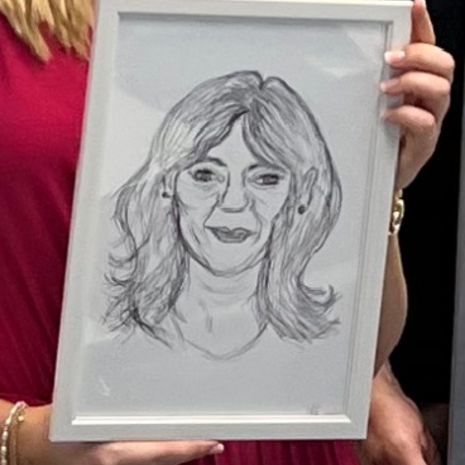
Nada Mimouni is a Researcher at Conservatoire National des Arts et Métiers, affiliated with the Cédric Laboratory's Secure Systems and Data Mining teams. She has authored 15+ peer-reviewed publications across 2012–2025, focusing on knowledge graphs, legal informatics, and cybersecurity. Her Contextual cybersecurity Semantic knowledge representation Legal information systems Ontology engineering Medical system protection Policy analysis research spans interdisciplinary applications including EU regulatory frameworks and healthcare infrastructure security. Recent publications demonstrate expertise in contextual knowledge graphs, analogical reasoning, and cyber-physical incident management. Notable recognition includes the Most Inspiring Managerial Implications Award (2019).
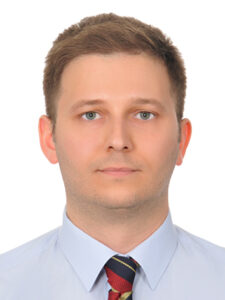
Dariusz Król is a Professor at the Department of Applied Computer Science, Faculty of Computer Science and Telecommunications at Wrocław University of Science and Technology. He serves as Vice-dean for general matters and Head of the Knowledge Engineering Lab. With a strong background in technical and engineering sciences, his academic career spans over two decades of teaching and research in computer science and telecommunications. Professor Król's educational background, though not explicitly detailed in the provided texts, is evidenced by his habilitation (dr hab. inż.) and professorship at one of Poland's leading technical universities. His extensive experience is reflected in his long-standing teaching career and research leadership. Professor Król's research interests focus on knowledge engineering, multi-agent systems, data quality, and intelligent production. His scholarly output shows a progression from foundational work in multi-agent systems to contemporary applications of deep learning in industrial contexts. Recent publications demonstrate increasing emphasis on practical applications of data quality assessment in production environments, with strong connections to Industry 4.0 and intelligent manufacturing concepts. His work consistently bridges theoretical foundations with real-world industrial applications where data quality and intelligent systems play crucial roles. His scholarly impact is evidenced by his edited books ranking among Springer's top downloaded publications, with two titles placing in the top 25% most downloaded books in 2018. His editorial leadership extends to serving as editor for Computational Intelligence (Wiley-Blackwell) since 2008 and International Journal of Distributed Systems and Technologies since 2010. Book 'Advanced Topics in Intelligent Information and Database Systems' among top 25% most downloaded Springer books in 2018 (31,481 downloads) Book 'Recent Developments in Intelligent Information and Database Systems' among top 25% most downloaded Springer books in 2018 (24,896 downloads) Book 'Propagation Phenomena in Real World Networks' among top 50% most downloaded Springer books in 2015-2016 Professor Król has supervised over 50 Master's and Engineering theses across diverse topics in computer science. He teaches courses ranging from foundational programming to advanced topics in knowledge engineering, maintaining an active teaching schedule for over 18 academic years. He leads the KNJavaTech scientific circle, which has provided research opportunities for students since 2005. His international collaborations include invited seminars at prestigious institutions worldwide, demonstrating global recognition of his expertise in knowledge engineering and intelligent systems.
Jason Donati is a Teaching Professor in the College of Art + Design at Northeastern University, where he teaches animation and digital cinematography. An internationally recognized animator, his award-winning films have screened at SIGGRAPH, Ani Mundi, Seoul Film Festival, and ASIFA East events globally. Education: M.F.A. from Rochester Institute of Technology B.F.A. from the University of Massachusetts Amherst His research integrates artistic expression with technological innovation across 3D Animation, Digital Cinematography, and Visualization. Professor Donati explores how digital tools transform cinematic storytelling and visual communication, with particular focus on emerging applications in virtual reality and interactive media. His work bridges traditional animation techniques with cutting-edge production technologies. Publications reveal an evolving trajectory from foundational digital cinematography principles to contemporary VR applications, demonstrating consistent innovation in media production pedagogy and practice. Recent work addresses industrial training solutions through immersive technologies. Scientific Awards: Multiple first-place awards at Rhode Island International Film Festival and MIMC Awards Four-time winner at New York State Student Film Festivals (1999-2000) Three competitive scholarships from industry leaders including Rhythm & Hues Studios Eleven festival selections and honorable mentions at SIGGRAPH, ASIFA-East, and international animation festivals Features in Fortune Magazine, Animation Magazine, and Storybench for industry commentary Professor Donati maintains active industry partnerships with organizations including Tufts Medical Center, Beth Israel Deaconess Medical Center, and Bose Corporation, translating academic research into applied media solutions. His courses span animation fundamentals to advanced game animation, shaping next-generation digital storytellers. Current initiatives focus on public VR research applications for advanced manufacturing training, extending his expertise in digital visualization to industrial contexts while maintaining strong connections to animation pedagogy.
Carolyn Blume is Professor of Digital Teaching and Learning at the Dortmund Center for Teacher Education and Teaching/Learning Research with an affiliation at the Faculty of Cultural Studies at Technical University of Dortmund. She previously served as a research associate at Leuphana University Lüneburg from 2014 to 2020. Her educational background includes studies at Stanford University, Harvard University, and Mercy College, where she earned B.A., M.Ed., and C.A.S. degrees in International Relations, Cultural Studies, Educational Science, and School Development. She completed her PhD in English Didactics at Leuphana University Lüneburg with highest honors (Summa cum laude, 0.4). Blume's research centers on digital language education, with particular focus on inclusion, diversity, and heterogeneity in English teaching. Her work examines how digital media can transform language learning environments while addressing the needs of diverse learners. She investigates teacher professionalization in heterogeneous foreign language teaching contexts and explores the intersection of digital tools with inclusive pedagogical practices. Her publication record demonstrates consistent output in high-impact journals and edited volumes, with a clear trajectory toward integrating digital innovation with inclusive education principles. Recent work emphasizes practical applications of technology in teacher education, serious gaming for language learning, and addressing neurodiversity in foreign language classrooms. Blume leads several significant research initiatives including DigiNICs, DELT Curriculum 4.0, and ReaLiTea: Research Literacy for Teachers. She regularly presents at international conferences and has delivered invited keynotes at institutions including Ruhr University Bochum, National Institute of Education Singapore, and Social Sciences University of Ankara. She supervises a research team comprising Dr. Christina Ringel, Stewart E. Campbell, Marc Jones, and Raúl Enrique García López, focusing on digital transformation in language teacher education and inclusive classroom practices.
Prof. Dr. Ulrike Starker is a Professor of Psychology at Harz University of Applied Sciences since October 2014, specializing in emotional adaptivity , complex problem-solving , and simulation games in education . She previously held visiting professorships at Johannes Gutenberg University Mainz and Otto-Friedrich University Bamberg. Habilitation (2012): "The Role of Emotions in Solving Complex Problems" Doctorate (1998): "Thinking and Uncertainty Regulation" Key research areas: Emotional regulation, organizational atmosphere, sustainability competence, and cognitive processes Her research explores how physical and social environments impact cognitive performance, with recent work on forest bathing and virtual workspace design . She develops innovative teaching methods like the School Life Simulation Game , integrating emotional and cognitive learning through: Project-based courses Business simulations Outdoor training Location-based mobile learning Team dynamics analysis Emotional intelligence development Scientific contributions focus on: Emotion regulation in educational groups Social atmosphere in work environments Cultural diversity management Simulation game effectiveness Sustainable thinking development Complex task handling in remote teams Email: ustarker@hs-harz.de | Phone: +49 3943 659 212 | Room: 2.301, House 2, Wernigerode
Dr. Ioannis Katsanakis serves as an Assistant Professor at the Department of Tourism Studies within the School of Economics, Business and International Studies at the University of Piraeus. His academic expertise focuses on Information Systems Management in Businesses and Organizations with particular emphasis on Business Process Management in tourism contexts. With a strong foundation in business organization and management, he has developed a specialized research profile at the intersection of information technology and tourism management. Dr. Katsanakis' research interests span Information Systems, Business Process Management, Strategic Management, E-Business, and increasingly focus on Tourism Technology and Digital Transformation within the tourism sector. His scholarly work demonstrates a clear trajectory from general business information systems toward specialized applications in tourism contexts, reflecting the evolving digital landscape of the tourism industry. The analysis of his recent publications reveals a significant shift toward tourism-specific applications of information systems theory. His work now prominently features systemic approaches to digital transformation in tourism ecosystems, knowledge management frameworks for tourism destinations, and the integration of sustainable development principles with digital technologies in hospitality. This evolution demonstrates his ability to adapt theoretical frameworks to address contemporary challenges in the tourism sector. His teaching portfolio includes foundational courses such as Introduction to Computer Science and specialized offerings like Information Systems and Decision Support for Tourism Businesses, e-Tourism and m-Tourism in the International Environment, and Business Simulations – Games. This curriculum reflects his commitment to preparing tourism professionals with the digital competencies required in today's technology-driven industry. Dr. Katsanakis has established a productive research trajectory with consistent publication output across international conferences and journals. His work bridges theoretical information systems frameworks with practical tourism applications, contributing valuable insights to both academic discourse and industry practice in the rapidly evolving digital tourism landscape.
Dr. Jens Palkowitsch-Kühl serves as a Lecturer at the Chair of Protestant Theology II with a focus on Religious Education and Didactics of Religious Education within the Institute for Protestant Theology and Religious Education at Julius-Maximilians-University Würzburg. He maintains concurrent academic appointments including Acting Professor of Ethics and Education at the Evangelical University of Applied Sciences Darmstadt (2023-2024), and teaching positions at Ludwigsburg University of Education and Protestant University of Darmstadt. His professional roles extend to digital leadership positions within the Evangelical Lutheran Church in Bavaria as E-Learning Coordinator and former Digital Education Officer. Bachelor of Arts in Social Work with community education/diaconal work qualification (Evangelical University of Applied Sciences Darmstadt, 2008-2012) Master of Arts in Religious Education - Protestant Religious Education (Evangelical University of Applied Sciences Darmstadt, 2012-2013) PhD in Religious Education with dissertation on 'Religious education teachers in digitalization processes' (2015-2020) Dr. Palkowitsch-Kühl's research focuses on the intersection of digital media and religious education, with particular emphasis on religious socialization in mediatized spaces, digital media education, and ICT applications in religious contexts. His work bridges theological inquiry with practical educational applications, examining how emerging technologies reshape religious learning environments and experiences. He investigates how youth navigate religious identity formation within digital landscapes and develops pedagogical approaches for integrating new media into religious instruction. His recent publications reveal a clear trajectory toward increasingly sophisticated digital applications in religious education, with growing attention to artificial intelligence, virtual reality, and game-based learning. The research demonstrates a methodological shift from analyzing existing digital media integration toward developing and testing innovative pedagogical frameworks like the reliGlobal approach and VR-based learning environments. His work consistently addresses both theoretical foundations and practical implementation challenges in religious education contexts. Dr. Palkowitsch-Kühl actively contributes to the RELab digital research initiative and the Center for Anti-Semitism Education, collaborating with colleagues like Prof. Dr. Ilona Nord on projects examining religious education in mediatized worlds. His interdisciplinary approach connects religious studies with media theory, educational psychology, and digital humanities to address contemporary challenges in religious education. His teaching portfolio spans multiple institutions and covers topics including 'Media & Methods in Religious Education,' 'Digital Games in Religious Education,' and 'Religious Education Excursions' focused on VR, gamification, and digital socialization. He has developed specialized courses on serious moral games, AI applications, and digital media competencies for religious educators, reflecting his commitment to preparing future religious educators for digital contexts.
Leman Figen Gül is a Professor at the Department of Architecture , Istanbul Technical University 's Faculty of Architecture. She also serves as Head of the Game and Interaction Technologies Program and Coordinator of the Graduate Informatics in Architectural Design Program. Her academic career spans institutions like Newcastle University, University of Sydney, International University of Sarajevo, TOBB University of Economics and Technology, and MacQuarie University. PhD (2007) - University of Sydney, thesis: "Understanding Collaborative Design in Different Environments: Comparing Face-to-Face Sketching to Remote Sketching and 3D Virtual Worlds" Master's (2003) - University of Sydney, Digital Media Program Master's (1996) - Mimar Sinan University, Urban Conservation Program Licence (1993) - Mimar Sinan Fine Arts University, Department of Architecture Her research explores intersections between architecture, technology, and cognition, focusing on collaborative design , virtual/augmented reality , and AI integration in architectural education . Current projects investigate AI-driven co-design interfaces, gamification of cultural heritage, and material innovation in design pedagogy. Recent publications highlight trends in design technology and empathy in architecture . Her work combines theoretical inquiry with practical implementations in digital fabrication and immersive environments. Scientific Awards Academic Performance Award (ITU, 2024) Academic Performance Award (ITU, 2022) QHT Prize 3rd & People's Prize 2nd (University of Westminster, 2017) As principal investigator, she directs projects funded by TÜBİTAK and BAP , including AI collaboration systems and mixed reality heritage interpretation. She leads the Kumio Lab and participates in EU Horizon Project evaluations.
Dr. Mairead Hourigan is an Associate Professor in Mathematics Education at Mary Immaculate College (MIC), University of Limerick, specializing in STEM Education. She is actively engaged in research on educational transitions, teacher education models, Lesson Study, problem posing, and STE(A)M education, with her work contributing to UN Sustainable Development Goals related to quality education. Her educational background includes a PhD, M.Sc, and B.Sc (Physical Education & Mathematics) from the University of Limerick, establishing a strong foundation for her interdisciplinary approach to mathematics education. Hourigan's research focuses on improving mathematics education through innovative approaches like Lesson Study and integrated STEM education. Her work emphasizes the development of primary teachers' capabilities, problem-posing practices, and the implementation of effective educational transitions. She explores how teachers can better support students' statistical reasoning and mathematical thinking through practical, real-world applications, as evidenced by projects like the BUDS (Engaging with Beekeepers Using Data Science) initiative. Her research consistently addresses the challenges and opportunities in rural educational settings while promoting inclusive practices for diverse learners including emerging bilingual students. Her research outputs reveal a strong emphasis on teacher professional development through Lesson Study models and the integration of STEM concepts in primary education settings. Recent work examines rural implementation challenges, bilingual learners' statistical reasoning, and the impact of extended professional development on teacher efficacy, with numerous publications in high-impact journals across mathematics education, STEM education, and professional development fields. C. Oswald George Award (2021) C. Oswald George Prize (2015) Peter Holmes Prize (2020) Teachers' Research Exchange (T-REX) Module Innovation Framework Award (2020) Hourigan actively supervises postgraduate students and has secured significant research funding, including a €2.8 million study on teachers' professional journeys. She collaborates extensively with colleagues on projects like Studio LAB Encounters and STEM Café, focusing on becoming STEAM educators. Her work with the National Centre of Excellence in Mathematics and Science Teaching and Learning (NCE-MSTL) has directly informed national curriculum development, including consultation reports on the Draft Primary Mathematics Curriculum. She serves as a key academic advisor to the Department of Education on STEM and Arts education policy. She leads and participates in numerous community engagement initiatives, including Science & Maths Week activities, and has maintained a multi-year partnership with RTE's Home School Hub. Her research consistently bridges theory and practice, with strong connections to teacher education programs and classroom implementation across Ireland.
Grace MyHyun Kim is an Assistant Professor at The University of Texas at Austin's College of Liberal Arts, holding a Ph.D. from the University of California, Berkeley. Her work bridges Literacy, Language, Multicultural Education, New Media, and Globalization , focusing on identity formation and equity in educational contexts. Research Interests : Kim investigates transcultural digital literacies, multilingual identities, and equity issues in education. She examines how new media and globalization influence literacy practices, particularly among marginalized communities like Asian Americans and Pacific Islanders. Article Trends : Her recent publications (2021-2023) emphasize racial equity, refugee inclusion, game-based learning, and critical pedagogies. Themes include the intersection of race, gender, and technology in education, alongside challenges faced by Asian American educators and students.
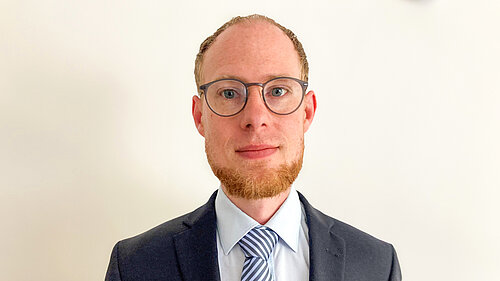
Allen Clarence Jones is an Associate Professor in the Department of Cultural Studies and Languages at the University of Stavanger (UiS), Faculty of Arts and Education. His academic work focuses on the intersection of creative writing, literary games, and innovative pedagogy. He is actively involved in both research and artistic production, contributing to international conferences and publishing widely on experimental writing and game-based learning. His research interests include: Creative Writing and Experimental Pedagogy Game-Based Learning and Recombinatory Writing Surrealist and Dialogic Composition Digital Composition and Interactive Literature Modernist and Contemporary Literary Analysis Creative Awareness and Divergent Thinking in Education The most recent articles show a strong thematic focus on using games as tools for literary engagement and creativity training. His publications span peer-reviewed conference proceedings, creative fiction, poetry, and pedagogical guides, reflecting a hybrid scholarly-artistic approach. He frequently presents at international venues such as the Ubud Writers Festival, Hemingway Society, and Nordic Association for English Studies, indicating broad academic engagement. Notable scientific awards or honors are not mentioned in the provided text. Allen Clarence Jones has contributed to curriculum development, particularly in the UiS English Lektor Program, and has led creative writing retreats and workshops. While no formal list of advisees is provided, his educational materials suggest mentorship roles in training creative thinking. He is involved in projects like the DEMCI colloquium and Erasmus READY, indicating participation in international educational initiatives. He leads or contributes to creative projects such as the Poetry Planet prototype and the Dylan Thomas Game , which explore digital and interactive forms of literary expression. These initiatives suggest leadership in experimental and technology-mediated literary practices.
Horst Pohlmann is a Lecturer for Cultural Media Education and Head of the Media Department at the Academy for Cultural Education of the Federal Government and the State of North Rhine-Westphalia. He also contributes to the MA in Game & Media Education program at Ernst-Abbe-Hochschule Jena as part of their teaching staff. Mr. Pohlmann holds qualifications as a qualified social worker and media play educator (M.A.). His educational background has prepared him for specialized roles in media education and youth protection services. His professional interests focus on the intersection of media, education, and play-based learning approaches. Specifically, he explores how digital and traditional media can be integrated into educational settings through game pedagogy. His work emphasizes cultural media education, youth media protection, and the application of media in social work contexts, with particular attention to creating safe and enriching media environments for young people. Mr. Pohlmann's approach combines theoretical understanding with practical implementation in educational contexts. Throughout his career, Mr. Pohlmann has demonstrated leadership in media education initiatives. From 2007 to 2015, he co-directed 'Spielraum' at the Institute for Media Research and Media Education at the Cologne University of Technology, where he likely supervised students and junior staff in media education projects. His current role as head of the media department indicates ongoing administrative responsibilities alongside his teaching duties.
Jane Hunter is an Associate Professor in the School of International Studies and Education at the University of Technology Sydney (UTS), Faculty of Design and Society. She has a robust academic and professional background spanning K–12 education, teacher education, and educational leadership. Her research is centered on pedagogy, curriculum development, and technology-enhanced learning, with a strong focus on integrated STEM and STEAM education. University: University of Technology Sydney School: Faculty of Design and Society Department: School of International Studies and Education Academic Rank: Associate Professor Email: Jane.Hunter@uts.edu.au Education: PhD in Education, Western Sydney University (2010–2013) M.Ed (Hons 1), University of Sydney Graduate Diploma in Education, University of Canberra B.A., Australian National University Research Interests: Jane Hunter’s research focuses on teacher professional learning, pedagogical innovation, and the integration of technology in education. She developed the 'High Possibility Classrooms' framework, which emphasizes teacher agency, creativity, and integrated STEM/STEAM learning. Her work explores how teachers can use technology meaningfully to enhance student engagement and learning outcomes, particularly in disadvantaged and linguistically diverse communities. Recent Research Trends: Her 15 most recent publications reveal a consistent focus on integrated STEM/STEAM education, school-university partnerships, teacher professional development, and the ethical use of data and AI in education. She frequently investigates how pedagogical frameworks can support teacher autonomy and how digital tools can be used authentically in classrooms. Her work also extends to social justice themes, including Indigenous education and anti-racism through sport. Scientific Awards: Vice Chancellor's Award for Teaching & Learning (UTS) Australian Teacher Education Association Early Career Researcher Award Beth Southwell Research Award for Outstanding PhD Thesis SITE and Microsoft Award for Technology Enriched Instruction Office of Learning and Teaching Citation for Outstanding Contributions to Student Learning University of Western Sydney Citation for Outstanding Contributions to Student Learning University of Sydney Teaching Excellence Award Supervision and Grants: Jane is a Cat 1 HDR supervisor and mentors early-career academics. She has led multiple funded research projects, including 'High Possibility STEM Classrooms', 'Building Culture, Capacity and Community in STEAM', and studies on AI in education. She has supervised PhD, M.Ed, and Honours theses, and supports colleagues in publishing scholarly work. Labs and Research Groups: Jane is the Convener of the Life-wide Learning and Education (LLE) Research Group at UTS and a past member of the Centre for Research on Education in a Digital Society (CREDS). She also contributes to the UTS Library Creative-in-Residence Board and the Informal Learning Spaces Committee, reflecting her commitment to innovative and inclusive learning environments.
Louis-Martin Guay is an Associate Professor at the School of Design within the Faculty of Planning at Université de Montréal. He has been teaching game design at the university since 2007, following 8 years of professional experience at Ubisoft. His office is located in room 1037 of the Faculty of Planning building, and he can be reached at 514 343-6111 ext. 2803. Guay's research interests focus on applied game design, game design methodology, games and education, the history and culture of video games, scenic interactions, second-person game design, spontaneous theater, and improvisation. His work spans across multiple disciplines including Game Design, Video Game Studies, Creativity, and Media Arts. He has developed expertise in both theoretical and practical aspects of game design, with particular attention to how games can be used for education and social purposes. His recent publications show a consistent focus on innovative applications of game design principles across various contexts. His work examines how games can facilitate language learning for preschoolers, develop empathy through game mechanics, and create socially responsible entertainment. He also explores the transformation of traditional tabletop role-playing games into virtual environments and the philosophical foundations of player experience. Guay has supervised numerous graduate students working on diverse aspects of game design, from casual games to persuasive role-playing mechanics. His research has been supported by funding from FRQSC, including the project 'T'es-tu GAME?' (2021-2024) which developed a video game to optimize social skills in youth, and 'MR ROBOTO' (2013-2017), a project on interactive ludic fiction. As an educator, Guay teaches courses including Introduction to Video Game Design, Fundamental Concepts of Games, Games, Experiences and Interactions, Games and Learning Design, Ludic Objects, and Final Year Projects. He is involved with multiple academic programs including Industrial Design, Video Game Major, and various Master's programs in Planning, Cinema, and Media Arts.
Michael Neff is a Professor at the University of California, Davis, affiliated with the Department of Computer Science and Department of Cinema and Digital Media. He directs the Motion Lab, an interdisciplinary research group exploring the intersection of computation and human movement. Education: PhD in Computer Science from the University of Toronto (2005), Certified Laban/Bartenieff Movement Analyst (CLMA, 2009) Research Interests: Focus on character animation tools, gesture and nonverbal communication modeling, physics-based animation, and applying performing arts concepts to virtual character movement. His work bridges art and science through collaborations with robotics, psychology, and dance departments. Recent Research Trends: Over the past five years, his publications demonstrate a focus on speech-driven gesture synthesis, physics-based character control in VR environments, and multimodal analysis of movement perception. Key themes include tension modeling, motion style transfer, and avatar trust dynamics. Awards & Recognition: NSF CAREER Award (2009-14) Isadora Duncan Award for Visual Design (2009) Best Paper Awards at Intelligent Virtual Agents (2007), Motion in Games (2015, 2016) Alain Fournier Memorial Award (2005) IBM PhD Fellowship for advisee Simbarashe Nyatsanga Advising & Collaborations: Has mentored 18 graduate students (PhD/Masters) and numerous undergraduates. Collaborates across disciplines with computer scientists, dancers, and psychologists. Currently chairs the Department of Cinema and Digital Media. Laboratory Facilities: Established a motion capture lab in 2007 featuring a 12-camera optical system in a 750 sq ft studio, supporting interdisciplinary research in movement analysis.