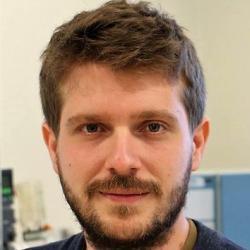
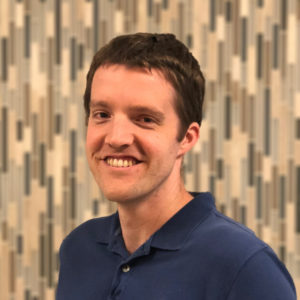
Jetmir Haxhibeqiri is a Postdoctoral Researcher at Ghent University 's Faculty of Engineering and Architecture , Department of Information Technology. His work focuses on Time-Sensitive Networking (TSN) over wireless systems, WiFi optimization, and Industrial IoT solutions. Key projects: IMEC Postdoctoral Fellowship Collaborations: Jeroen Hoebeke (UGent), Ingrid Moerman (UGent), Xianjun Jiao (UGent) Research Interests : Wireless network coordination, SDN integration for heterogeneous networks, low-latency communication, and machine learning applications in network optimization. Specialized in WiFi-LPWAN coexistence , In-Band Network Telemetry , and Cross-Technology Synchronization . Recent Publications : 2025 work on Wi-Fi-UWB synchronization, 2024 studies on coordinated spatial reuse in WiFi 7, and 2022 research on hardware-efficient PTP clock synchronization. Contributions span from theoretical models to practical implementations in industrial environments. Technical Expertise : Network densification strategies, interference management, and performance evaluation of large-scale wireless deployments. Developed simulation frameworks for LoRaWAN and WiFi TSN, with a focus on ns-3 validation. Education : PhD in Industrial Wireless Communication (2019, Ghent University).
Calle Preger is a postdoctoral researcher at MAX IV Laboratory (Lund University) and affiliated with the Division of Ergonomics and Aerosol Technology. He is actively involved in NanoLund: Centre for Nanoscience, LTH Profile Area: Aerosols, and LU Profile Area: Light and Materials. His research focuses on in-flight characterization of aerosols and nanoparticles using synchrotron-based X-ray techniques, particularly X-ray Photoelectron Spectroscopy (XPS). Key projects include developing advanced sample delivery systems for synchrotron experiments and studying surface oxidation , alloy properties , and magnetic nanostructures . Recent publications highlight applications in gas sensing, catalysis, and functional nanostructure design. Collaborations span departments at Lund University and international networks in nanoscience and aerosol technology.
Li Yiju is an Assistant Professor and doctoral supervisor in the Department of Mechanical and Energy Engineering at the Southern University of Science and Technology (SUSTech) . He earned his Ph.D. in Materials Science and Engineering from Harbin Engineering University in 2018 and was a joint Ph.D. student at the University of Maryland, College Park from 2015 to 2017. He conducted postdoctoral research at Peking University (2018-2021) and Hong Kong University of Science and Technology (2021-2022). Education: Ph.D. in Materials Science and Engineering, Harbin Engineering University (2013-2018) Joint Ph.D. student, University of Maryland, College Park (2015-2017) B.S. in Applied Chemistry (Energy Electrochemistry), Harbin Engineering University (2009-2013) Research Interests: Dr. Li's research lies at the intersection of energy storage , materials science , and micro/nano-manufacturing . His work focuses on high-energy-density lithium metal batteries , solid-state batteries , and advanced electrolyte design . He also pioneers interfacial photothermal steam conversion and leverages cutting-edge techniques like 3D printing , electrospinning , and Joule heat pulse for energy applications. Scientific Impact: With over 100 publications in journals like Nature Energy , Joule , Advanced Materials , and PNAS , his work has garnered 17,000+ citations and an H-index of 60 . His research has been highlighted by Nature and international media like ScienceDaily and VOA News . Awards & Recognition: Clarivate Global Highly Cited Researcher (2020-2022) Stanford University’s Top 2% Scientists (2022) National Postdoctoral Program for Innovative Talent (2018) Peking University Boya Postdoctoral Fellowship (2018) Editorial & Leadership Roles: He serves as an editorial board member for journals like Journal of Energy Chemistry and The Innovation and as a reviewer for Nature Communications , Advanced Materials , and others. Grants & Projects: National Natural Science Foundation of China China Postdoctoral Innovative Talent Support Program Beijing Natural Science Foundation Analog Devices Project
Dr Miguel Anaya is a Research Fellow and Senior Research Associate in the Department of Chemical Engineering and Biotechnology at the University of Cambridge, leading the Optoelectronic Materials and Device Spectroscopy Group. His work involves interdisciplinary collaborations with the Cavendish Laboratory, Royce Institute at the Maxwell Centre, School of Clinical Medicine, and Diamond Light Source synchrotron facility. His research centers on halide perovskites and novel materials for solar cells/light-emitting devices, clinical detector development, nanoscale semiconductor characterization, photonic structures, and multifunctional porous materials. This spans energy applications, medical diagnostics, and nanoscale photonics, integrating materials science, semiconductor physics, and biomedical engineering. Scientific Awards: Royal Academy of Engineering Research Fellowship Dr Anaya supervises PhD students and secures research funding for interdisciplinary projects, with strong industry-academia partnerships supporting device translation. His team maintains dedicated laboratory facilities for materials synthesis, device fabrication, and advanced spectroscopy. The Optoelectronic Materials and Device Spectroscopy Group operates cutting-edge nanofabrication and characterization labs, enabling real-time analysis of emerging semiconductors for next-generation energy and medical technologies.
Dante Fratta is a Professor in the Department of Civil & Environmental Engineering at the University of Wisconsin-Madison, where he has been actively involved in research and teaching since 2000. His work focuses on geotechnical engineering, environmental monitoring, and fiber optic sensing technologies. Education: PhD (1999) – Georgia Institute of Technology M.A.Sc. (1995) – University of Waterloo Diploma (1993) – Universidad Nacional de Córdoba Research Interests: Geomaterial process evaluation using elastic and electromagnetic waves, fundamental physical behavior of soils and rocks, geophysical assessment of near-surface environments, and distributed fiber optic sensing methods. Recent Publication Trends: He has pioneered applications of Distributed Acoustic Sensing (DAS) and fiber optic technologies for geotechnical, environmental, and energy infrastructure monitoring, including wind turbines, geothermal systems, and mining operations. Scientific Awards: Benjamin Smith Reynolds Award for Excellence in Teaching (2012) Chi Epsilon Excellence in Teaching Award (2008) Best Paper Award, GeoCongress Sensing Methods and Devices Track (2006) Distinguished Alum, Universidad Nacional de Córdoba (2013) Multiple keynote and invited speaking engagements Teaching: Fratta teaches graduate and undergraduate courses in geotechnical engineering, including Foundations, Applied Geophysics, and Pre-Dissertator Research, with active involvement in Spring 2025 classes.
Corinne Dejous is a Professor at the University of Bordeaux, affiliated with IMS Bordeaux (Institut des Matériaux et Systèmes Microélectroniques de Bordeaux) within the College of Engineering. She leads research in the WAVES group, specifically in the DEVICES, MATERIALS, ZEROPOWER team, focusing on advanced sensor technologies. Her work bridges microelectronics, nanotechnology, and environmental monitoring applications. Her primary research interests include acoustic wave sensors, particularly Love wave devices, microwave sensors, biosensors, microfluidics, and energy harvesting for wireless sensor networks. Dr. Dejous has pioneered developments in multiparameter sensing for complex liquids, heavy metal detection, humidity monitoring, and flexible sensor platforms. Her research demonstrates a strong emphasis on practical applications for environmental monitoring, healthcare, and Internet of Things (IoT) technologies. Analysis of her recent publications reveals a consistent focus on advancing sensor sensitivity and reliability through novel materials (including nanomaterials and polymers), innovative modeling approaches (FEM and equivalent circuit models), and hybrid sensing platforms that combine acoustic, optical, and electrical measurement techniques. Her work increasingly addresses sustainability concerns, with research on green laboratory practices and reduced environmental impact of sensor technologies. Dr. Dejous maintains active collaborations with researchers across multiple institutions and has contributed significantly to both fundamental sensor science and practical implementations. Her work spans from theoretical modeling to device fabrication and real-world testing, including field deployments such as in the Amazon River for water quality monitoring.
Pasquale Scarlino is a Tenure Track Assistant Professor in the Institute of Physics at École Polytechnique Fédérale de Lausanne (EPFL), where he founded and leads the Hybrid Quantum Circuits (HQC) Laboratory. He holds a dual appointment with the School of Basic Sciences (SB) and the Physics Section (SB-SPH), conducting research at the intersection of semiconductor and superconducting quantum technologies. His laboratory develops hybrid quantum hardware for advanced quantum information processing. His educational background includes a Master's degree in Physics from the University of Salento (Italy, 2011), where he was a student of Scuola Superiore ISUFI, followed by a Ph.D. from TU Delft (2016) in the Spin Qubits group of Prof. L.M.K. Vandersypen at the Kavli Institute of Nanoscience-Qutech. His doctoral work focused on Si/SiGe spin qubits in collaboration with the M. Eriksson Group at Wisconsin University. Scarlino's research centers on experimental quantum physics using hybrid superconductor/semiconductor devices with electrostatically defined quantum dots coupled to high-impedance microwave resonators. He investigates light-matter interactions in unconventional regimes, quantum transport in low-dimensional systems, and spin/charge qubit implementations. His work aims to merge semiconductor and superconducting platforms to expand quantum information capabilities, with applications in quantum computing, quantum optics, and analog quantum simulation. Early career achievements include establishing the first coherent interface between superconducting and semiconducting quantum systems using high-impedance resonators. His publication record shows strong focus on microwave photon-mediated interactions between quantum systems, with recent work exploring quantum acoustics, topological band engineering, and criticality-enhanced sensing. The articles demonstrate increasing specialization in hybrid quantum hardware, with a shift toward germanium-based systems and advanced resonator designs in the latest publications. Scarlino has advised eleven Ph.D. students at EPFL and teaches courses including General Physics (Electromagnetism), Solid State Systems for Quantum Information, and Introduction to Quantum Science and Technology. His teaching emphasizes experimental quantum hardware approaches and critical assessment of quantum computing platforms. The Hybrid Quantum Circuits Laboratory operates within EPFL's Institute of Physics, utilizing state-of-the-art nanofabrication facilities and cryogenic measurement setups. The team collaborates extensively with leading quantum research groups worldwide, maintaining strong ties with previous institutions including ETH Zurich, TU Delft, and Microsoft Station Q Copenhagen.
Matteo Dal Peraro is an Associate Professor at École polytechnique fédérale de Lausanne (EPFL) in the School of Life Sciences, where he leads the Laboratory for Biomolecular Modeling (LBM) within the Interfaculty Institute of Bioengineering (IBI). He also holds significant administrative roles as Head of IBI-SV Administration and Co-Director of IBI-STI Administration, demonstrating his leadership across both the School of Life Sciences and School of Engineering. His research bridges computational approaches with experimental validation to understand complex biological systems at multiple scales. His educational background includes a B.S. and M.S. in Physics from the University of Padua (2000), followed by a Ph.D. in Biophysics from the International School for Advanced Studies (SISSA) in Trieste (2004). He then completed postdoctoral training at the University of Pennsylvania under Professor M. L. Klein before joining EPFL as a Tenure Track Assistant Professor in late 2007. Dal Peraro's research focuses on computational biophysics and multiscale modeling of biological systems, with particular emphasis on membrane-protein interactions, nanopore sensing technologies, and structural biology. His work spans fundamental molecular mechanisms to applied educational technologies, demonstrating a commitment to both scientific discovery and knowledge dissemination. He has made significant contributions to understanding protein-membrane interactions, antibiotic resistance mechanisms, mitochondrial disorders, and viral pathogenesis through advanced computational approaches. His publication record shows a strong trend toward integrating augmented and virtual reality technologies with molecular modeling, exemplified by his development of the moleculARweb platform for chemistry and structural biology education. His research spans computational methods development, structural characterization of biomolecules, membrane biophysics, and applications to medically relevant problems including antibiotic resistance and neurodegenerative disorders. This interdisciplinary approach connects fundamental biophysical principles with practical applications in medicine and education. Dal Peraro has mentored numerous doctoral students through EPFL's PhD programs, particularly in Computational and Quantitative Biology. His leadership extends to serving on PhD program committees and directing research groups focused on computational molecular biology. He has established collaborations across multiple disciplines, facilitating integrative approaches to complex biological problems. He leads the Laboratory for Biomolecular Modeling (LBM), which develops and applies computational methods to study biological systems at multiple scales. The lab bridges molecular simulations with experimental validation, creating a synergistic approach to understanding complex biological phenomena. Dal Peraro's team has made significant contributions to membrane biophysics, protein folding, and the development of educational technologies that make structural biology accessible through augmented reality platforms.
Aleksandra Radenovic is a Full Professor at École Polytechnique Fédérale de Lausanne (EPFL) holding multiple positions across the institution. She is a Full Professor at the Laboratory of Nanoscale Biology (LBEN) within the School of Engineering (STI), a Full Professor in Teaching at the School of Life Sciences (SV), and a Full Professor in Teaching at the School of Engineering (STI). Additionally, she serves as Co-Director of both the IBI-STI and IBI-SV administrative units, and is a Member of both the STI School direction and SV School direction. Dr. Radenovic received her PhD from the University of Lausanne in 2003, where she worked with Prof. Dietler in the Laboratory of Physics of Living Matter. Prior to that, she studied physics at the University of Zagreb from 1994-1999, and completed her baccalaureate at a Classical gymnasium in 1994. She conducted postdoctoral research at the University of California, Berkeley from 2004-2007 in the group of Prof. Liphardt. Her research focuses on single molecule biophysics, with particular emphasis on developing techniques and methodologies based on optical imaging, biosensing, and single molecule manipulation. Her laboratory works on three major research directions: (i) developing and using nanopores as platforms for molecular sensing and manipulation, particularly solid-state nanopores in glass nanocapillaries and 2D-material membranes; (ii) studying biomolecular function, especially protein and nucleic acid interactions, using force-based manipulation techniques like optical tweezers and Anti-Brownian Electrokinetic traps; and (iii) developing super-resolution optical microscopy based on single molecule localizations for quantitative cellular imaging. Her work bridges physics, engineering, and biology to create innovative tools for understanding molecular processes at the nanoscale. Analysis of her recent publications reveals a strong focus on nanofluidics, 2D materials (particularly MoS 2 and hBN), nanopore sensing, super-resolution microscopy, and the development of novel instrumentation for biophysical applications. Her research demonstrates increasing interdisciplinary collaboration, integrating materials science, nanotechnology, and biological applications to address fundamental questions in molecular biophysics. Dr. Radenovic has received numerous prestigious awards and grants, including: 2021: ERC Advanced Grant 2021: Optica Fellow 2016: CCMX Materials challenge award 2015: SNSF-ERC Consolidator Grant 2010: ERC Starting Grant 2003: SNSF Fellowship She has successfully advised numerous PhD students whose research spans single molecule biophysics, nanofluidics, and optical techniques. Her laboratory, the Laboratory of Nanoscale Biology (LBEN), is well-equipped for advanced biophysical research, with capabilities in nanopore fabrication, optical trapping, super-resolution microscopy, and 2D materials characterization. Dr. Radenovic has secured significant research funding through competitive grants, including multiple ERC grants, which have supported her innovative research program at the intersection of physics, engineering, and biology.
Malay Kumar Das is a Professor in the Department of Mechanical Engineering at the Indian Institute of Technology Kanpur, specializing in Fluid and Thermal Science. His academic journey includes a PhD from Pennsylvania State University (2008), M.Tech from IIT Kanpur (2003), and B.E. from Bengal Engineering College, Shibpur (1989). Previously, he worked at the West Bengal Power Development Corporation from 1990 to 2001 before transitioning to academia. His research focuses on Energy Conversion and Storage, Hydrodynamic Instability, and Thermal Science. Dr. Das's work bridges fundamental fluid dynamics with practical applications in energy systems and biomedical engineering. His expertise spans computational fluid dynamics, heat transfer phenomena, and energy conversion technologies. Analysis of Dr. Das's recent publications reveals a strong trend toward interdisciplinary research, particularly at the intersection of fluid mechanics with biomedical applications (such as blood flow modeling in cerebral aneurysms) and sustainable energy technologies (including fuel cells, methane production, and nanofluid applications). His work demonstrates both theoretical depth and practical relevance to contemporary engineering challenges. Dr. Das actively supervises research students, currently guiding 9 PhD candidates and having successfully completed 22 MTech theses with 3 more in progress. His professional activities reflect a commitment to advancing knowledge in thermal and fluid sciences while training the next generation of engineers. Outside academic pursuits, he engages in adventure sports, photography, and aerobics.
Dr. Francesco Fornetti is an Associate Professor of Radio Frequency Engineering at the School of Electrical, Electronic and Mechanical Engineering, University of Bristol. His research focuses on wide bandgap semiconductor devices, particularly Gallium Nitride (GaN) High Electron Mobility Transistors (HEMTs), and their applications in pulsed power amplifiers for radar systems. He has developed novel test methodologies for GaN amplifiers at microwave frequencies and authored influential publications in RF engineering education. MEng and PhD in Engineering from the University of Bristol His work spans RF semiconductor device characterization, microwave measurement rigs, and pedagogical innovation. His ORCID highlights 8 research outputs, including books and articles that emphasize simulation-based learning tools and authentic assessment in engineering education. His recent 2023 IEEE Microwave Magazine article explores online exam design for RF engineering. Key trends in his publications include interdisciplinary applications of GaN technology, educational software integration, and practical training frameworks. His research has been recognized through multiple teaching awards. Inspiring and Innovative Teaching Award (Engineering) (2022) Most Innovative Teaching of the Year 2022 - Highly Commended (2022) National Teaching Fellowship (NTF) (2023)
Dr. Jorge Barreto is an Associate Professor in Quantum Technologies at the University of Bristol, affiliated with both the School of Physics and the School of Electrical, Electronic and Mechanical Engineering. As Director of the Centre for Doctoral Training in Quantum Engineering, he leads research at the intersection of applied physics and semiconductor technologies. Senior Lecturer, Quantum Engineering Technology Labs (QET Labs) EPSRC Quantum Engineering Centre for Doctoral Training member Bristol Quantum Information Institute participant His research focuses on integrating photonic circuits with single photon detectors, modulators, and sources to develop optical quantum information processors. Key areas include cryogenic photonic calibration , quantum-referenced tomography , and silicon photonics applications. Recent projects explore photonic integrated circuits operating at low temperatures and scalable quantum communication systems. Notable contributions include 2023 work on spontaneous emission tomography and 2022 research on zero-power calibration . He has authored publications in Nature Materials , ACS Photonics , and Quantum Science and Technology , with over 140 citations. Dr. Barreto collaborates internationally and has participated in workshops like the NSF Workshop (2015). He supervises 8 research works and leads datasets on photon pair sources and quantum tomography. Current projects address cryogenic light-matter interaction and hybrid quantum platforms like silicon-BTO integration.
Arthur B Prindle is an Associate Professor in Biochemistry and Molecular Genetics and Microbiology-Immunology at Northwestern University's Feinberg School of Medicine, with a secondary appointment in McCormick School of Engineering. His research integrates synthetic biology and quantitative approaches to study collective behaviors in microbial communities. Education: PhD: University of California, San Diego (2014) Postdoctoral Fellow: University of California, San Diego, Molecular Biology (2016) Prindle's lab investigates molecular mechanisms of cell communication in biofilms using synthetic biology, microfluidics, and quantitative microscopy. Research focuses on engineering microbial communities for biomedical applications including inflammatory bowel disease detection, respiratory health improvement, and cancer biomarker discovery. The group develops "smart" biofilms capable of environmental detoxification and disease sensing through electrochemical signaling pathways. Recent publications (2021-2025) demonstrate interdisciplinary work spanning microbiome engineering, bacterial pathogenesis, and diagnostic tool development. Key themes include microbiome manipulation for therapeutic applications, multi-omics approaches to disease biomarkers, and fundamental studies of bacterial communication systems. Scientific Awards: NSF CAREER Award U.S. Army Research Office Early Career Award Pew Biomedical Scholar (2019) Packard Fellowship (2018, $875,000) Prindle leads an active research group supported by NSF, Army Research Office, and Packard Foundation grants. His lab recruits postdoctoral scholars, graduate students, and undergraduates for projects combining computational modeling with experimental synthetic biology. Current initiatives include developing engineered probiotics for human disease surveillance and exploring bacterial electrochemical signaling networks. The Prindle Lab operates within Northwestern's Simpson Querrey Institute for Epigenetics and collaborates with the Chemistry of Life Processes Institute and Robert H. Lurie Comprehensive Cancer Center. Located in the Simpson Querrey Research Building, the team utilizes custom microfluidic devices and advanced imaging to characterize metabolic and electrochemical dynamics in microbial communities.
Professor Meng Tao is a full Professor in the School of Electrical, Computer and Energy Engineering at Arizona State University (ASU), Tempe campus. He also holds the concurrent appointment of Senior Global Futures Scientist within ASU’s Global Futures Scientists and Scholars initiative. Since joining ASU in 2011, he has led the Laboratory for Terawatt Photovoltaics and played a pivotal role in founding the U.S. Photovoltaic Manufacturing Consortium under SEMATECH. Education: Ph.D. Materials Science and Engineering, University of Illinois at Urbana-Champaign, 1998 M.S. Semiconductor Materials, Zhejiang University, China, 1986 B.S. Ferrous Metallurgy, Jiangxi Institute of Metallurgy, China, 1982 Research Focus: Professor Tao’s research is broadly centered on the science and engineering challenges of scaling photovoltaics to the terawatt level while ensuring sustainability and cost-effectiveness. His group investigates earth-abundant chalcogenide semiconductors and transparent conducting oxides for thin-film devices, substitutes silver with low-cost aluminum in Si solar cell metallization, develops energy-efficient electro-refining routes to upgrade metallurgical-grade silicon to solar-grade purity, pioneers value-added recycling technologies for end-of-life Si modules, and explores solar-powered electrolysis using metal/metal-oxide loops for long-term electricity storage. Grant Portfolio & Trends: Recent funding from NSF and DOE has supported projects on high-efficiency Schottky-barrier silicon cells, theoretical/experimental studies of iron oxysulfide absorbers, doping of cuprous oxide in electrolytes, and CVD-based valence-mending passivation for crystalline silicon. These grants underscore a consistent emphasis on materials innovation, process intensification, and circular-economy solutions for PV. Teaching & Mentoring: Professor Tao teaches and mentors across the EEE, MSE and CHE programs, offering courses ranging from introductory circuits to advanced photovoltaic energy conversion and doctoral dissertation supervision. While specific advisee names are not disclosed, the extensive thesis and research course listings indicate a large, active graduate group. Laboratory & Collaborative Networks: The Laboratory for Terawatt Photovoltaics under his direction serves as the central hub for experimental work on solar cell fabrication, electroplating, electrochemical recycling, and materials characterization. The lab collaborates closely with national consortia such as SEMATECH and leverages ASU’s advanced clean-room and analytical facilities.
Yury Illarionov is an Associate Professor in the Department of Materials Science and Engineering at Southern University of Science and Technology (SUSTech), Shenzhen, China. He was previously a postdoc researcher at TU Wien's Institute for Microelectronics (2016-2022) and a PhD student at TU Wien and Ioffe Institute (2011-2015). His research focuses on 2D materials for nanoelectronics, optoelectronics, and sensors, with an emphasis on gate insulator development and device reliability. Education: B.Sc. & M.Sc., Technical Physics, Peter the Great St-Petersburg Polytechnic University (2009, 2011) Double M.Sc., Advanced Material Science, Erasmus Mundus FAME Program (2012) Ph.D., Semiconductor Physics, Ioffe Institute (2015) Ph.D., Technical Sciences, TU Wien (2015) His research interests center on: Fabrication of 2D FETs, photodetectors, and sensors with novel insulators (fluorides, native oxides) Advanced device characterization across temperature ranges TCAD modeling for performance and reliability Scalable fabrication techniques compatible with industrial thermal budgets Publications highlight trends in 2D nanoelectronics, oxide trap analysis, and reliability engineering for next-generation devices, spanning journals like Nature Electronics, Nature Communications, ACS Nano, and IEEE Transactions on Electron Devices. Scientific Recognition : IEEE Senior Member (2020) Co-supervisor of multiple PhD awards (2015-2023) Best poster award (ICP2DC4, 2019) Erasmus Mundus scholarship (2010) High school gold medal (2005) Advising includes direct supervision of PhD students like T. Knobloch, with collaborative efforts across international teams. His lab, Laboratory of 2D Optoelectronics and Nanoelectronics (L2DON) , combines academic rigor with industrial partnerships to advance scalable 2D device technologies.