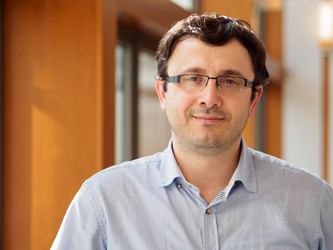
Dr. Eugenio Sanchez-Moran is a Reader and Research Fellow in the School of Biosciences at the University of Birmingham. His research focuses on the molecular mechanisms of chromosome condensation and DNA organization during plant meiosis. He holds a Ph.D. from Universidad Complutense de Madrid (2001) and has been supported by prestigious fellowships, including a Marie-Curie Individual Fellowship (2002-2003) and BBSRC Postdoc Research Fellowships (2004-2008). His work integrates cytogenetic, proteomic, and systems biology approaches to understand how chromatin dynamics influence critical biological processes such as cell division, fertility, and genome stability. Research Interests: Chromosome structure and behavior in meiosis, DNA compaction, plant genetics, and the role of chromatin components in genome organization. His studies utilize Arabidopsis thaliana as a model system to investigate the evolutionary conservation of chromatin machinery. Awards: Marie-Curie Fellowship, BBSRC Postdoc Research Fellowship, and David Phillips Fellowship. His research is funded by the Biotechnology and Biological Sciences Research Council (BBSRC). Labs and Facilities: Collaborates with the Birmingham Advanced Light Microscopy (BALM) facility for high-resolution cytogenetic analyses. His work contributes to understanding the molecular basis of meiotic processes and their implications for agriculture and genetics.
Duncan J Clarke is a Professor in the Department of Genetics, Cell Biology and Development at the University of Minnesota Medical School. His research focuses on the molecular mechanisms of chromosome segregation during cell division, with particular emphasis on the role of DNA topoisomerases and related proteins. Dr. Clarke's research interests include: Mechanisms of chromosome segregation during mitosis Function of DNA topoisomerase II in centromere and kinetochore regulation Role of SUMOylation in chromosome dynamics Spindle assembly checkpoint mechanisms Interactions between histone modifications and chromosome segregation machinery Connections between DNA topology and cell division His recent publications reveal a strong focus on the molecular details of chromosome segregation, particularly examining how DNA topoisomerases, histone modifications, and microtubule dynamics coordinate to ensure accurate chromosome distribution during cell division. His work bridges basic molecular mechanisms with potential clinical applications in cancer therapy, as evidenced by his research on topoisomerase inhibitors. Dr. Clarke has received significant research funding from NIH, including: Control of Chromosome Segregation by DNA Topoisomerase II (2024-2028) A high-throughput screen for inhibitors of Plk1-interacting checkpoint helicase (PICH) (2022-2025) Multiple previous NIH-funded projects dating back to 2003 His laboratory utilizes both yeast and mammalian model systems to investigate fundamental mechanisms of chromosome segregation that are conserved across species, with potential implications for understanding cancer development and improving cancer therapies.
Chenshu Liu is an Assistant Professor in the Department of Biological Sciences at Lehigh University, where he launched his independent laboratory in fall 2024. His research focuses on meiotic quality control mechanisms, specifically investigating nuclear envelope dynamics during oocyte development using Caenorhabditis elegans as a model organism. Dr. Liu's educational background includes: BS in Biological Sciences from the University of Science and Technology of China PhD in Cell Biology from Columbia University Postdoctoral training as a Life Sciences Research Foundation Fellow at UC Berkeley His research integrates Cell Biology , Genetics , and Mechanotransduction to address fundamental questions in Meiosis and Gamete Development . The lab employs high-resolution live imaging, synthetic biology, and genetic approaches to study how nuclear envelope mechanics detect chromosomal errors and eliminate defective gametes—a process critical for preventing infertility and congenital disorders like Down syndrome. Publication trends reveal a clear evolution from early work on centromere dynamics (2015-2018) to current breakthroughs in nuclear envelope mechanobiology (2023-2024). Recent Science and Science Advances papers establish Piezo channels as central to meiotic quality control, highlighting conserved mechanisms between nematodes and mammals. Key recognition includes: Life Sciences Research Foundation Postdoctoral Fellowship Dr. Liu actively recruits graduate students for his Lehigh-based lab, emphasizing rigorous science within a supportive environment. He serves on the Graduate Recruitment and Fellowship Committee and teaches advanced courses including BIOS397/431 (Meiosis4Eva) and BIOS421 (Molecular Cell Biology I). The lab's NIH-relevant work bridges basic cell biology with clinical reproductive health challenges. The Liu Lab (theliulab.org), housed in Iacocca Hall, operates as a collaborative hub within Lehigh's #Meiosis4Eva community, utilizing C. elegans to pioneer discoveries in gamete quality control with implications for human fertility.
Jaspreet Kaur is an Assistant Professor in the Biology department at the University of Wisconsin-La Crosse . Her research focuses on plant-microbial interactions and population genetics in rare plant species, particularly orchids. She holds a Ph.D. (2018) in Plant and Soil Science from Texas Tech University and a B.S. (2014) in Plant Breeding and Genetics from Punjab Agricultural University, India, where she was honored Summa Cum Laude. Education: Ph.D., Plant and Soil Science, Texas Tech University, Lubbock, TX (2018) B.S. (Honors), Plant Breeding and Genetics, Punjab Agricultural University, Punjab, India (2014) Research Interests: Dr. Kaur’s work investigates plant ecology, plant-microbial symbiosis, conservation strategies for rare species, and population genetics. She uses orchids as model organisms to study tripartite associations between plants, fungi, and bacteria, emphasizing molecular mechanisms and ecological adaptation. Her research bridges theoretical and applied aspects, aiming to inform species recovery and management through microbial and genetic insights. Publications: Recent studies explore orchid diversification drivers (habitat instability, founder events), fungal specificity in Vanilla species, and bacterial communities linked to host phenology. Her work consistently highlights symbiotic relationships, spatial heterogeneity effects, and microbial contributions to plant survival and evolution. Awards and Honors: No scientific awards or fellowships are listed in the provided information. Advising and Grants: Dr. Kaur advises students in her courses BIO 203 and BIO 307. While specific grants are not detailed, her research program indicates active engagement in funding initiatives. Her studies on rare plant species recovery likely involve collaborative grants and conservation partnerships. Labs and Teams: No specific laboratory or team affiliations are mentioned in the provided text.
Kevin T. Vaughan is an Associate Professor in the Department of Biological Sciences at the University of Notre Dame, with a research focus on the cell biology of cancer and neurodegenerative diseases. He is a member of the Harper Cancer Research Institute and conducts mechanistic studies on mitosis, organelle transport, and cholesterol trafficking. Research Interests: Cell Biology of human diseases Mitosis and cell cycle regulation Neurodegeneration, particularly Niemann-Pick Type C disease Cancer therapeutics and combinatorial drug treatments Cholesterol transport mechanisms Cytoplasmic dynein function in cellular dynamics His research employs mass spectrometry and animal models to investigate novel regulatory pathways in mitosis and to develop new therapies for pancreatic and breast cancer. The lab has discovered a new cholesterol transport pathway disrupted in NPC disease and is exploring potential corrective strategies. Recent Research Trends: Dr. Vaughan's recent publications emphasize the role of cytoplasmic dynein in mitotic processes, kinetochore dynamics, and organelle transport. His work bridges fundamental cell biology with translational applications in cancer and rare genetic disorders. Key themes include motor protein regulation, mitotic spindle assembly, and intracellular trafficking defects in disease. Scientific Affiliations: Member, Harper Cancer Research Institute Faculty, College of Science, University of Notre Dame Advising and Research Support: As a principal investigator, Dr. Vaughan leads a research laboratory focused on cellular mechanisms of disease. He collaborates on interdisciplinary projects related to cancer therapeutics and neurodegeneration. His lab receives institutional support through the University of Notre Dame and the Harper Cancer Research Institute, enabling studies in both basic and applied biomedical research. Laboratory and Team: The Vaughan Laboratory is based in the Galvin Life Science Center and conducts research on mitotic regulation and cholesterol transport. The team utilizes biochemical, cellular, and imaging approaches to study disease mechanisms and test novel therapeutic strategies in model systems.
Jennifer A Benanti is a Professor at UMass Chan Medical School in the Department of Molecular, Cell and Cancer Biology within the T.H. Chan School of Medicine. She holds multiple appointments across the institution including in the Department of Biochemistry and Molecular Biotechnology, Program in Molecular Medicine, Systems Biology, and several graduate programs including Cancer Biology, Interdisciplinary Graduate Program, MD/PhD Program, Millennium MD/PhD Program, Postbaccalaureate Research Education Program, and Systems Computational and Quantitative Biology. B.S. in Biochemistry & Cell Biology from University of California, San Diego (1996) Ph.D. in Molecular & Cellular Biology from University of Washington and Fred Hutchinson Cancer Research Center (2003) Postdoctoral work at University of California, San Francisco (2004-2010) Dr. Benanti's research focuses on understanding how transcription, protein degradation, and phosphorylation integrate to form a robust cell cycle control network. Her lab primarily uses budding yeast as a model system to study how cyclin-dependent kinases (CDKs) phosphorylate proteins to coordinate cellular processes with division, how stress response pathways interface with the cell cycle regulatory network, and how the ubiquitin-proteasome system controls cell growth and division. Her work has significant implications for understanding cancer biology, as misregulation of the cell cycle is a hallmark of all cancer cells. Analysis of Dr. Benanti's 15 most recent publications reveals a consistent focus on cell cycle regulation through multiple mechanisms. Her work spans from molecular-level studies of phosphorylation codes and transcription factor activation to systems-level understanding of how stress responses rewire the cell cycle. A significant portion of her recent work examines calcineurin signaling in stress response and how it interfaces with CDK regulation, demonstrating her lab's integrative approach to understanding cell cycle control. 2011 Smith Family Award for Excellence in Biomedical Research Dr. Benanti has mentored numerous graduate students through the Morningside Graduate School of Biomedical Sciences, including Mackenzie Flynn (2018-2024), Michelle Conti (2017-2023), Claudine Mapa (2013-2018), and Tyler Doughty (2011-2016). Her lab has received support from prestigious fellowships including a Damon Runyon Cancer Research Foundation Fellowship and a Pathway to Independence Award from the NIH during her postdoctoral training, suggesting continued NIH funding for her independent research program. She actively recruits rotation students, postdocs, and undergraduate researchers. The Benanti Lab, located at UMass Chan Medical School, consists of postdoctoral associates, research associates, and graduate students working collaboratively on cell cycle regulation projects. Recent lab members include Sujiraporn Pakchuen (Postdoctoral Associate), Linnea Budge (Research Associate), and Aurelia Reynolds (Research Associate). The lab maintains active collaborations with researchers at UMass Chan and beyond, as evidenced by co-author networks including Zhu, Lee, and Fazzio.
Cengiz İkten is an Associate Professor at Akdeniz University , Faculty of Agriculture, Department of Plant Protection. He holds a PhD in Entomology from the University of Nebraska-Lincoln (2002) and has been with Akdeniz University since 2003, rising from Research Assistant to Associate Professor in 2020. Education : PhD: University of Nebraska-Lincoln (Entomology) MSc: University of Nebraska-Lincoln (Ianr) BSc: Ankara University (Plant Protection) Research Focus spans entomology, molecular genetics, plant protection, and agricultural biotechnology. His work addresses insecticide resistance in pests like whiteflies and thrips, develops molecular markers for crop resistance (chickpea, sesame), and explores genetic relationships in legume species. Recent Publications highlight his expertise in molecular diagnostics (AFLP, SSR, qPCR), phytoplasma resistance in sesame, and pest management strategies for chickpea and sorghum. He collaborates on genetic linkage mapping and transgressive segregation studies. Projects include TUBITAK-funded research on cowpea seed bug resistance (2009-2012) and EU-grant studies on genetic markers for Fusarium resistance. He serves as Deputy Head of Department and Erasmus Coordinator.
Barbara Mellone is a Professor in the Department of Molecular and Cell Biology / Genetics and Genomics at the University of Connecticut. She leads the Mellone Lab, which focuses on understanding how genetic information is accurately passed from one cell generation to the next through the study of centromeres. Her research interests include: Centromere biology and function Chromosome segregation mechanisms Genetic and epigenetic regulation of centromeres Evolution of centromeres across species Using Drosophila melanogaster as a model system for chromosome studies Connections between chromosome segregation errors and human diseases like cancer Professor Mellone's recent publications demonstrate a strong focus on centromere structure and function, particularly examining CENP-A chromatin, centromere assembly factors like CAL1, and the evolutionary aspects of centromere biology. Her work combines genetic, molecular, and evolutionary approaches to unravel the fundamental mechanisms of chromosome inheritance. Her laboratory has made significant contributions to understanding how centromeres are built, maintained, and evolve, with implications for human diseases associated with chromosome segregation errors.
John Rouse is a Professor and Scientific Programme Leader (MRC) of Chromosome Biology at the MRC PPU. His research focuses on DNA repair mechanisms, chromatin structure, and genome maintenance. He leads projects funded by the Medical Research Council (MRC) and other institutions, including collaborative efforts on chromatin remodelling and DNA interstrand crosslink repair. Key roles: MRC QQR Programme Leader (2018–2024), Investigator on multiple collaborative grants. Research interests: Chromosome biology, DNA damage response, histone chaperones, and kinase signaling pathways. His work contributes to understanding genome integrity and has implications for cancer therapy and neurodegenerative diseases. Notable projects include the study of NEK1 kinase in ALS and the development of targeted cancer therapies using PROTAC technology. John has been involved in public engagement activities, such as the Discovery Days 2012 event, promoting science outreach.
Maja Adamska is an Associate Professor and ARC Future Fellow at the Australian National University (ANU) in the Research School of Biology. She serves as Associate Director of Education and Head of the Biology Teaching and Learning Centre. Her primary research affiliation is with the Division of Biomedical Science and Biochemistry, where she leads the Adamska Group focused on the genomic and evolutionary basis of animal development. She is based in Room 2.022, Level 2, Linnaeus Building at ANU. Dr. Adamska studied biology with a focus on embryology and evolutionary biology at Jagiellonian University in Krakow, Poland. She completed her PhD in Germany working with Eva Bober and Thomas Braun on homeobox genes in inner ear development using vertebrate models from medaka fish to mice. Her postdoctoral work included research at the University of Michigan in Miriam Meisler's laboratory studying mouse mutants for limb patterning, followed by work at the University of Queensland with Bernie Degnan analyzing developmental signaling pathways in the sponge Amphimedon queenslandica. She was a group leader at the Sars International Centre for Marine Molecular Biology in Bergen, Norway from 2007-2015 before joining ANU in 2015. Her research addresses fundamental biological questions about how complex animals develop from single cells and how the first multicellular animals evolved from single-cell ancestors. She uses calcareous sponges to investigate the evolutionary origins of key developmental processes including germ layer segregation and axial patterning. Her work spans multiple areas including evolutionary developmental biology, comparative genomics, and the study of major transitions in animal evolution such as the emergence of multicellularity and morphological complexity. Her research has revealed surprising similarities between sponge and higher animal embryonic development, challenging traditional views of animal evolution. Analysis of Dr. Adamska's recent publications shows a strong focus on sponge and coral biology, with increasing attention to conservation and sustainability issues related to marine ecosystems. Her work combines molecular, genomic, and evolutionary approaches to understand fundamental biological processes, with particular emphasis on gene regulatory networks, developmental signaling pathways, and the genomic basis of morphological complexity in early-branching animals. ARC Future Fellow (since 2017) h-index of 32 with 3,990 citations according to Scopus Multiple research grants including ARC Centre of Excellence for Integrated Coral Reef Studies (2014-2021) Dr. Adamska supervises research on multiple projects including coral regeneration, molecular mechanisms of developmental signaling pathways in sponges, identification of target genes for developmental transcription factors, skeleton formation in corals and sponges, and sponge and coral microbiomes. She also serves as Convenor for BIOL2174 and has developed innovative educational approaches including the Digital Marine platform for blended learning in marine biology. Her research group, the Adamska Group, focuses on the genomic and evolutionary basis of animal development, using calcareous sponges as model organisms to gain insights into the evolutionary origins of complex developmental processes. The group collaborates with international researchers across multiple institutions to advance understanding of early animal evolution and development.
Rachel O'Neill serves as a Board of Trustees Distinguished Professor in the Department of Molecular and Cell Biology at the University of Connecticut's College of Liberal Arts and Sciences. Her research bridges molecular genetics, cytogenetics, and computational genomics to investigate fundamental mechanisms of genome stability and evolution across diverse eukaryotic species. Her primary research interests focus on retroelement transcription, centromere function, chromosome evolution, and species-specific genomic adaptations. O'Neill's lab pioneers telomere-to-telomere (T2T) genome assembly methodologies using next-generation sequencing technologies, establishing non-traditional model organisms including marsupials, monotremes, birds, marine species, plants, and insects for comparative genome biology studies. Human Telomere-to-Telomere Consortium Primate T2T Consortium Gibbon T2T Consortium Earth Biogenomes Project Ruminant T2T Consortium Fly T2T Consortium Deep Ocean Genomes Project Antarctic Genomes Consortium Colossal Foundation UConn’s Biodiversity and Conservation Genomics program O'Neill's recent publications (2021-2025) demonstrate leadership in large-scale genomics initiatives, with significant contributions to understanding centromere biology, sex chromosome evolution, and conservation genomics. Her work spans marsupial mole genomics, ruminant chromosome evolution, and epigenetic regulation of X-chromosome inactivation, reflecting her lab's broad impact across evolutionary biology, conservation, and fundamental genome science. Her laboratory actively trains students through cohort-based programs including the RaMP Cohort and Biodiversity and Conservation Genomics Program, securing substantial collaborative funding through multi-institutional consortia. The lab maintains strong infrastructure for advanced genome assembly and epigenomic analysis, with particular expertise in challenging repetitive regions and non-model organism genomics.
John Diffley is a distinguished molecular biologist specializing in DNA replication and cell cycle control. He serves as Director of Clare Hall Laboratories and Deputy Director of the London Research Institute since 2006. Additionally, he holds the position of Honorary Full Professor in the Department of Biology at University College London since 1999. His research has significantly advanced our understanding of the mechanisms controlling DNA replication in eukaryotic cells. Professor Diffley's research focuses on three primary areas: DNA replication, cell cycle control, and genome stability. His work has elucidated key mechanisms in replication initiation, origin licensing, and the coordination between DNA replication and cell cycle progression. His laboratory has made seminal contributions to understanding how replication proteins assemble at origins of replication and how this process is regulated throughout the cell cycle. Analysis of Professor Diffley's recent publications reveals a strong focus on the molecular mechanisms of DNA replication initiation and control. His work spans from structural studies of replication complexes to systems-level analyses of replication timing and its relationship to gene expression. A recurring theme is the investigation of how DNA damage checkpoints regulate replication processes to maintain genome stability. His research employs diverse model systems including budding yeast and human cells, demonstrating the evolutionary conservation of core replication mechanisms. Elected member of European Molecular Biology Organisation (EMBO) (1998) Paul Marks Prize for Cancer Research (2003) Elected Fellow of the Royal Society (2005) Member of Academia Europaea (2009) Member of the European Academy of Cancer Sciences (2011) Fellow of the Academy of Medical Sciences (2011) Throughout his career, Professor Diffley has led the Chromosome Replication Laboratory, first at ICRF Clare Hall Laboratories (1990-1999) and subsequently at the London Research Institute. His laboratory has received substantial funding from Cancer Research UK and other major research organizations to investigate the fundamental mechanisms of DNA replication. Professor Diffley has mentored numerous graduate students and postdoctoral researchers who have gone on to establish independent research careers in molecular biology and related fields. Professor Diffley's research group, the Chromosome Replication Laboratory, operates at the forefront of DNA replication research. The laboratory combines biochemical, genetic, and cell biological approaches to dissect the complex machinery that ensures accurate DNA replication. Their work has important implications for understanding cancer development, as defects in DNA replication control are a hallmark of cancer cells.
Greg Harrington is a Professor in the Civil & Environmental Engineering Department at the University of Wisconsin–Madison, College of Engineering. His work focuses on drinking water treatment and distribution systems, including pathogen removal, disinfectant decay modeling, and energy efficiency improvements. He has contributed to regulatory frameworks and industry partnerships, notably aiding Madison Water Utility in operational enhancements. PhD, University of North Carolina at Chapel Hill (1997) MS, University of North Carolina at Chapel Hill (1987) BS, Chemical Engineering, Stanford University (1984) Research interests span waterborne pathogen removal , disinfectant decay modeling , energy use reduction , and water loss mitigation . Recent publications emphasize mathematical modeling of disinfection processes, microbial community analysis , and pedagogical innovations in environmental engineering education. 2021 AWWA Water Science Best Paper Award 2020 Harvey Spangler Award for Innovative Teaching 1999 NSF CAREER Award Multiple AWWA and university-level teaching and research recognitions Harrington has integrated professional engineers and community partners into curricula, influencing national capstone design standards. His service includes leadership roles at Madison Water Utility and the Pieper Family Foundation Endowment for Servant Leadership.
Univ.-Prof. Christos N. Likos is a world-leading researcher at the University of Vienna , holding the chair in Multiscale Computational Physics since 2010. Affiliated with the Faculty of Physics and directing the Computational and Soft Matter Physics group, he bridges scales from microscopic to macroscopic in soft matter systems. Education: Dipl.-Ing. in Electrical Engineering (NTUA Athens), M.Sc. & Ph.D. in Physics (Cornell University) Honors: Fellow of the Royal Society of Chemistry (2013), University of Vienna Teaching Award (2025), Outstanding Referee Award (2009) His research in Soft Condensed Matter focuses on polymers, colloids, and biomolecular systems through coarse-graining , density functional theory , and Monte Carlo simulations . Key collaborations include institutions in Rome, Heraklion, San Sebastian, and Princeton. His work reveals principles of self-organization, non-equilibrium phenomena, and responsive material design with applications in cosmetics, nanotechnology, and biophysics. Recent publications highlight active matter , topological polymers , and electric field-responsive microgels . The group trains 18 current students (Ph.D., M.Sc., B.Sc.) and maintains partnerships with experimental teams across Europe. As Associate Editor of Soft Matter and member of Journal of Colloid and Interface Science Open editorial board, he shapes scientific discourse in his field. Teaching excellence is a hallmark, with courses on Advanced Statistical Physics and Soft Matter Principles . His group website details ongoing projects, while lab facilities in Vienna's Kolingasse campus enable interdisciplinary research.
Ahmet Yildiz serves as Professor of Biochemistry, Biophysics and Structural Biology and of Physics at the University of California, Berkeley, leading an active research laboratory in Stanley Hall focused on the biophysical mechanisms of intracellular transport. Research interests center on motor protein dynamics, particularly dynein and kinesin function along cytoskeletal tracks. The Yildiz Laboratory employs integrated approaches including single-molecule fluorescence imaging, optical trapping, and cryo-electron microscopy to investigate how motors achieve processive movement, generate force in crowded cytoplasmic environments, and are regulated by adaptor proteins and microtubule-associated proteins (MAPs). Key projects examine dynein activation by Lis1/NudE, bidirectional transport reconstitution for mitochondrial cargo, and the "MAP code" hypothesis governing motor recruitment. Recent publications (2023-2025) demonstrate consistent focus on structural-mechanistic insights into dynein-dynactin complexes and regulatory mechanisms, with emerging connections to neurodegenerative disease pathways through neuronal transport studies. The work bridges quantitative biophysics with cellular physiology through advanced in vitro reconstitution techniques. The laboratory operates within UC Berkeley's collaborative research ecosystem, utilizing specialized facilities for high-resolution structural biology and single-molecule analysis to advance fundamental understanding of cellular organization principles.