Mayo Clinic College of Medicine and ScienceUnited States
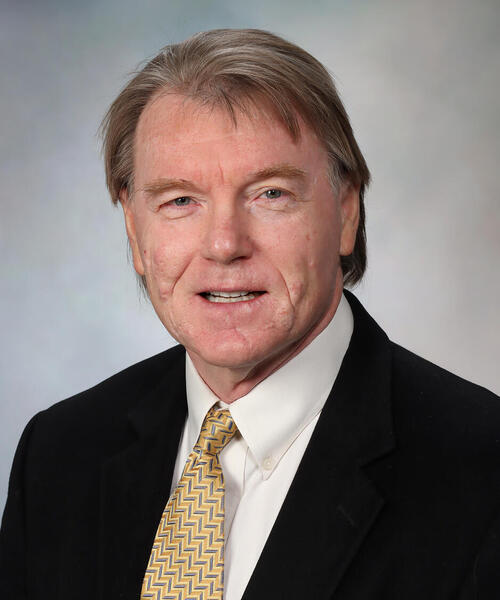
Dr. John A. Copland III is a Professor of Cancer Biology and Biochemistry & Molecular Biology at Mayo Clinic in Jacksonville, Florida. He leads the Cancer Biology and Translational Research Laboratory, focusing on molecular mechanisms of carcinogenesis, tumor progression, and development of targeted cancer therapies. Education: PhD in Physiology & Endocrinology (Medical College of Georgia), MS in Endocrinology (Medical College of Georgia), BS in Chemistry (Columbus College), with postdoctoral training at University of Texas Medical Branch. Research interests center on: Identifying tumor suppressor genes (e.g., RhoB, TBR3, GATA3) and oncogenes (e.g., FOXO3a, SCD1, NPTX2). Developing patient-derived xenografts and live cell models for personalized medicine. Designing SCD1 inhibitors via in silico modeling for clinical trials. Recent publications highlight his work on SCD1 inhibition in leukemia and thyroid cancer ImmunoPET imaging of thyroid tumors CRISPR-identified drug synergies in cholangiocarcinoma Patient-specific combination therapies using xenograft models
Dr. Monica P. Colaiacovo is a Professor of Genetics at Harvard Medical School, where she leads research in the Department of Genetics within the Blavatnik Institute. Her laboratory is located in the New Research Building in Boston, Massachusetts. Dr. Colaiacovo's research focuses on the molecular mechanisms of meiosis, chromosome dynamics, and DNA repair in the Caenorhabditis elegans model system. Her work examines how environmental toxicants impact germline function and reproductive health, with particular emphasis on chromosome segregation, recombination, and the synaptonemal complex. Her publications reveal a consistent research trajectory examining critical aspects of meiotic chromosome behavior, including double-strand break formation and repair, crossover designation, and chromosome movement during prophase I. Her laboratory has made significant contributions to understanding how environmental exposures like bisphenol A and phthalates disrupt normal meiotic progression and lead to germline dysfunction. Dr. Colaiacovo's work demonstrates strong interdisciplinary connections between basic chromosome biology, environmental health sciences, and reproductive medicine. Her research group employs advanced genetic, molecular, and imaging techniques to dissect the complex mechanisms ensuring accurate chromosome segregation during gamete formation. Her laboratory actively collaborates with researchers studying aging, DNA repair pathways, and environmental toxicology, as evidenced by publications spanning multiple high-impact journals including Nature, PLoS Genetics, and Genetics.
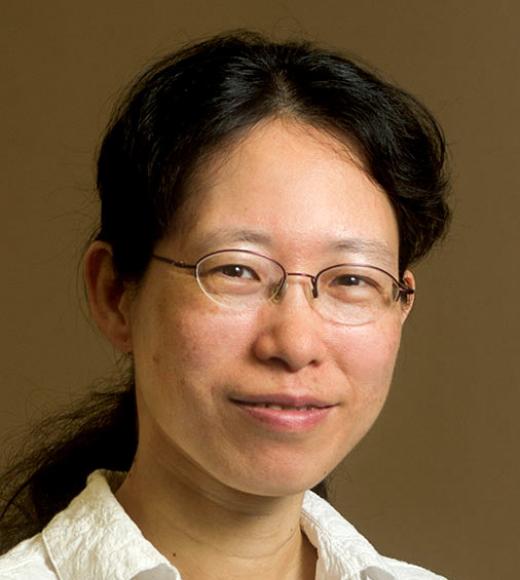
Dr. Xi Chen is a Professor in the Department of Chemistry at the University of California, Davis, where he has been a faculty member since 2003. His research spans carbohydrate chemistry, glycobiology, and cancer biology, with notable contributions to chemoenzymatic methods for glycoconjugate synthesis. Dr. Chen's work focuses on developing hybrid chemical-enzymatic approaches to synthesize complex carbohydrates and glycoconjugates, characterizing glycosyltransferase mechanisms, and designing enzyme mutants for improved catalysis. He also investigates carbohydrate-based diagnostics and therapeutics, particularly in cancer and inflammatory diseases. His recent publications highlight interdisciplinary studies linking carbohydrate metabolism to p53 tumor suppression pathways and RNA-binding protein regulation in cancer. Awards include AAAS Fellow (2015), ACS Isbell Award (2012), and NSF CAREER Award (2006). He earned his Ph.D. at Wayne State University (2000) and B.S. at Xiamen University (1994). Scientific Awards American Association for the Advancement of Science Fellow (2015) Dean's Team Award for Excellence (2013) Carbohydrate Research Award for Creativity (2013) ACS CARB Horace S. Isbell Award (2012)
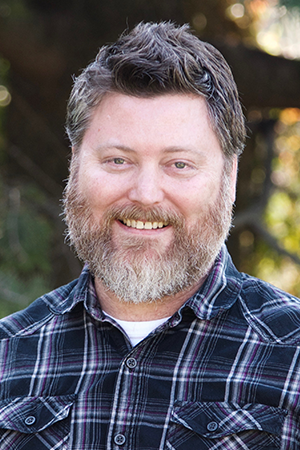
Joshua J. Coon is a Professor at the University of Wisconsin-Madison with appointments in the Department of Biomolecular Chemistry and the Department of Chemistry. He leads the Coon Group, focusing on advancing mass spectrometry technologies for proteomics, metabolomics, and lipidomics. His research addresses fundamental questions in cell biology, including stem cell differentiation, epigenetic regulation, and cancer biomarker discovery. Affiliations : Director of the NIGMS National Center for Quantitative Biology of Complex Systems. Research Emphasis : Instrumentation development, data analysis software, ion chemistry, and biological applications of proteomics. Laboratory : Located in the Genome Center of Wisconsin with a dozen hybrid mass spectrometers, including Orbitrap systems. Collaborations : Long-term partnership with Thermo Fisher Scientific and the Wisconsin Alumni Research Foundation (WARF) for technology commercialization. Training : Mentored 27 Ph.D. students since 2009, emphasizing interdisciplinary research and professional development.
Seth Herzon is the Milton Harris '29 Ph.D. Professor of Chemistry at Yale University, with joint appointments in the Departments of Pharmacology and Therapeutic Radiology at the Yale School of Medicine. He is also a Member of the Yale Cancer Center and co-founder of Modifi Biosciences, which was acquired by Merck in Fall 2024. Herzon joined Yale in 2008 after completing his PhD at Harvard University and an NIH postdoctoral fellowship at the University of Illinois, Urbana-Champaign. Her research focuses on organic synthesis with an emphasis on the molecular mechanisms of action of DNA-damaging compounds, particularly anticancer and microbiome-derived natural products. His laboratory has made significant contributions to understanding colibactin, a gut microbiome metabolite that induces colorectal cancer, and has developed novel chemotherapies targeting DNA repair defects in tumors. His work spans synthetic chemistry, chemical biology, and translational medicine, with projects ranging from total synthesis of complex natural products to developing antibacterial agents. His recent publications reveal a strong trend toward microbiome-cancer interactions, particularly focusing on colibactin's role in carcinogenesis, alongside continued innovation in synthetic methodology and therapeutic development for drug-resistant cancers. His work bridges fundamental chemistry with clinical applications, particularly in cancer therapeutics. Among his numerous accolades are the NSF CAREER Award, Searle Scholar Award, Packard Fellowship, Sloan Fellowship, Arthur C. Cope Scholar Award, and the 2024 Yale Cancer Center Class of '61 Cancer Research Award. He served as Associate Editor for The Journal of Organic Chemistry from 2018-2023 and was a member of the United States Defense Science Study Group from 2018-2019. Herzon has mentored numerous PhD students and postdoctoral researchers who have gone on to successful careers in academia and industry. His laboratory at Yale continues to be at the forefront of chemical research with significant translational impact, particularly in cancer drug discovery. The lab maintains active collaborations with researchers across Yale, including in pharmacology, radiobiology, and cancer biology.
Peter Chien is an Adjunct Professor in the Department of Biochemistry and Molecular Biology at the University of Massachusetts Amherst. His research focuses on regulated protein degradation and quality control in bacteria, with a particular emphasis on mechanisms governing proteolysis during the bacterial cell cycle. PhD, University of California, San Francisco Postdoctoral Training, Massachusetts Institute of Technology The Chien Lab employs interdisciplinary approaches including biochemistry, structural biology, and cell biology to study proteolytic mechanisms in Caulobacter crescentus. Their work explores how AAA+ proteases like ClpXP and Lon recognize substrates with precision and how this impacts cellular regulatory networks. Recent research trends from the lab include investigations into Lon protease modulation , DNA damage responses , protein homeostasis under stress , and genetic regulators of proteostasis . Studies often integrate structural analysis with functional assays to uncover molecular principles of protease specificity. The lab is affiliated with multiple graduate programs, including the Molecular and Cellular Biology (MCB) program, Chemistry-Biology Interface Program, Biotechnology Training Program, and the Institute for Applied Life Sciences at UMass Amherst.
Dr. Richard Y. Zhao is a tenured Professor in the Department of Pathology and Microbiology-Immunology at the University of Maryland School of Medicine. His research combines molecular biology, fission yeast genetics, mammalian biology, and virology to study virus-host interactions, particularly for HIV and Zika virus. He previously held academic positions at Northwestern University and Columbia University and has contributed to over 120 peer-reviewed articles. B.S., China Oceanography University (1981) M.S., Oregon State University (1995) Ph.D., Oregon State University (1991) Postdoctoral Training, Columbia University (1991-1992) Dr. Zhao's research focuses on: Virus-host interactions and pathogenicity High-throughput drug screening for antivirals Role of viral proteins in neuroinflammation and cancer Translational genomics in precision medicine His recent publications highlight SARS-CoV-2 ORF3a, Zika envelope proteins, and HIV protease inhibitors, emphasizing host-pathogen mechanisms across species. He has served on NIH panels and editorial boards for journals like Cell Research and Retrovirology . Scientific awards include: Fellow, American Academy of Microbiology (2019) Bernard L Mirkin Endowed Chair (2001-2004) Honorary Director, Shandong Gallo Institute (2009) Distinguished Service from SCBA (2015) Outstanding Service from CBA-USA (2016) Dr. Zhao also contributes to clinical diagnostics and personalized medicine through molecular testing and pharmacogenetics programs.
Travis Robbins is an Assistant Professor of Biology at the University of Nebraska Omaha's College of Arts and Sciences. His research focuses on ecological and evolutionary adaptations in reptiles, particularly lizards, emphasizing thermal biology, epigenetics, and responses to environmental stressors such as invasive species. He holds a Ph.D. in Biology and has published extensively on topics including latitudinal clines in lizard physiology, predator-prey dynamics, and the effects of temperature on developmental and metabolic processes. Key research interests include understanding how lizards adapt to thermal environments, the role of epigenetic mechanisms in phenotypic plasticity, and the impacts of invasive species on native populations. His work integrates field observations with controlled laboratory studies to explore questions at the interface of ecology, physiology, and evolution. Recent studies investigate the physiological stress responses in lizards exposed to novel predators and the transgenerational effects of environmental challenges. Dr. Robbins' publications highlight trends in thermal adaptation, behavioral plasticity, and the ecological consequences of anthropogenic changes. His work on Sceloporus lizards has been particularly influential in elucidating mechanisms underlying latitudinal variation in body size, growth rates, and reproductive strategies. He has also examined how invasive species like fire ants affect predator-prey interactions and immune function in reptiles. No scientific awards are explicitly mentioned in the text, but his contributions include significant grants likely tied to fieldwork and laboratory research. He advises students in experimental ecology and conservation biology, though specific advisee names are not listed here. His research extends to habitat restoration and citizen science initiatives, emphasizing community engagement in ecological monitoring and conservation efforts. Dr. Robbins is affiliated with UNO's Biology Department and collaborates with institutions like the University of South Florida on projects involving epigenetic markers in herpetofauna. His lab focuses on translating ecological epigenetics into actionable insights for species conservation under climate change scenarios.
Feyruz V. Rassool is a Professor at the University of Maryland School of Medicine, with primary appointment in Radiation Oncology. She serves as Co-director of the Experimental Therapeutics Program at the University of Maryland Greenebaum Comprehensive Cancer Center (UMGCCC) and holds an adjunct Associate Professor position at VARI’s Center for Epigenetics. Her research focuses on DNA damage/repair pathways in cancer, particularly their therapeutic exploitation through PARP and DNMT inhibitors. Education: B.Sc. in Human Genetics (1983, University College London), Ph.D. in Biological Sciences (1990, Royal Postgraduate Medical School) Postdoctoral Training: University of Chicago (1990-1994) Her work explores the intersection of DNA repair , epigenetics , and mitochondrial dysfunction to develop novel therapies for breast, ovarian, lung, and leukemias. Key projects include STING-dependent interferon signaling , pathogen mimicry in cancer cells, and metastasis suppression through PARPi/epigenetic combinations. Dr. Rassool is part of the SU2C Epigenetics Dream Team and has secured multiple grants from NCI, NIH, and the Adelson Medical Research Foundation. Her recent preclinical studies with PARP/DNMT inhibitors are being translated into Phase I/II trials for AML and TNBC. Scientific Awards Ziskin Award (2012) NCI-SPORE Grant Co-Leader NIH/NCI P30 CA134274 Support Grant She has mentored 13 PhD/postgraduate researchers and collaborates on clinical trials with Pfizer, VARI-SU2C, and ASTRO. Her lab employs techniques like DNA repair assays , RNAseq , and mouse xenograft models to investigate mechanisms of action for epigenetic drugs.
George Henderson is a Professor at the Texas Tech University Health Sciences Center in the Department of Pharmacology & Neuroscience . His research focuses on the neurotoxic effects of ethanol and environmental toxins during development, particularly mechanisms of apoptosis and oxidative stress in the brain and placenta. Primary Affiliation: Texas Tech University Health Sciences Center Research Areas: Developmental neuroscience, neurotoxicity, oxidative stress, fetal alcohol spectrum disorder, nanoparticle drug delivery Research Trends: His publications from 1972–2023 show sustained expertise in ethanol-induced developmental damage, placental drug transport mechanisms, and antioxidant therapeutic strategies. Recent work (2023) explores chlorogenic acid as a neuroprotective agent via NFATc4/CSE pathways. Key Collaborations: Institute for One Health Innovation and translational neuroscience teams at TTUHSC.
Simbarashe Mazambani is an Assistant Professor of Instruction in the Department of Biological Sciences at the University of Texas at Dallas (UTD), affiliated with the School of Natural Sciences and Mathematics. His academic preparation includes a Ph.D. in Molecular and Cell Biology from UTD (2023), an M.S. in Biological Sciences from Texas A&M University-Commerce (2017), and a B.S. in Biological Sciences from the same institution (2014). Dr. Mazambani's research focuses on cancer metabolism, biochemistry, and functional genomics, with a particular emphasis on metabolic vulnerabilities in squamous cell carcinomas and the role of glucose-insulin signaling pathways in tumor growth. His work integrates oxidative stress mechanisms, epigenetic regulation, and xenobiotic detoxification pathways to elucidate cancer progression and therapeutic strategies. Notable publications include groundbreaking studies on targeting the glucose-insulin axis in head and neck squamous cell carcinoma, the role of Hedgehog signaling in lung adenocarcinoma suppression, and epigenetic control of breast cancer via xenobiotic pathways in agouti mouse models. His research spans disciplines such as oncology, cell signaling, and metabolic reprogramming, with implications for precision medicine and cancer therapy. Dr. Mazambani currently does not accept undergraduate or graduate students, focusing instead on instructional and research activities. His work is supported by experimental models and collaborative studies, though specific grants or lab affiliations are not detailed in the provided materials.
Mayo Clinic College of Medicine and ScienceUnited States
Eduardo N. Chini, M.D., Ph.D., is a Professor at Mayo Clinic with primary and joint appointments in the Department of Anesthesiology and Perioperative Medicine and the Department of Cancer Biology. He is based in Rochester, Minnesota, and leads a research program focused on NAD metabolism, aging, and their roles in diseases such as cancer, obesity, and kidney disease. Education: BS in Biology, Centro Educacional de Niteroi-RJ MD, Universidade do Rio de Janeiro PhD in Biological Chemistry, Universidade do Rio de Janeiro Fellow, Department of Physiology and Biophysics, Mayo Clinic Resident in Anesthesiology, Mayo Clinic College of Medicine Research Interests: Eduardo N. Chini's research investigates the central role of nicotinamide adenine dinucleotide (NAD) in cellular metabolism, aging, and disease. His lab has made foundational discoveries in NAD catabolism, identifying CD38 as the primary enzyme regulating NAD levels in mammals. His work explores SIRT1 regulation via CD38 and DBC1, NAD metabolism in cancer, and its implications in polycystic kidney disease. He is particularly interested in how NAD signaling influences aging, metabolic syndrome, and organ dysfunction. Recent Research Trends: His recent publications (2023–2025) reveal a strong focus on the role of CD38 in aging, immune function, and tissue metabolism. Key themes include NAD+ depletion triggering inflammatory responses, CD38 inhibition as a therapeutic strategy for cardiotoxicity and metabolic aging, and the interplay between senescence, stem cell function, and mitochondrial health. His work increasingly integrates translational models with molecular mechanisms in aging and cancer. Scientific Awards: Florida Investigator of the Year, Mayo Clinic (2024) Glenn/AFAR Breakthroughs in Gerontology Award (2007) Edward C. Kendall Award, Mayo Clinic Alumni Association (2002) Directors Award for Aging Research, Kogod Center on Aging (2018) Distinguished Scientist Seminar Series, Georgetown Medical School (2022) Grants and Leadership: Dr. Chini is a co-Principal Investigator on multiple NIH-funded grants, including projects on CD38 in scleroderma, CLL, and male reproductive aging. He is Co-Director of the Mayo Clinic Mitochondrial Care Center and Associate Director of the Robert and Arlene Kogod Center on Aging. He has served on numerous national review panels and advisory councils, including the NIH Hepatobiliary Pathophysiology Study Section and AFAR's National Scientific Advisory Council. Labs and Teams: Dr. Chini leads a research laboratory at Mayo Clinic focused on NAD metabolism and aging. His team collaborates extensively with experts in cancer biology, mitochondrial medicine, and aging research. He is affiliated with the Mayo Clinic Comprehensive Cancer Center, the Kogod Center on Aging, and the Robert M. and Billie Kelley Pirnie Translational PKD Center.
Massachusetts Institute of TechnologyUnited States
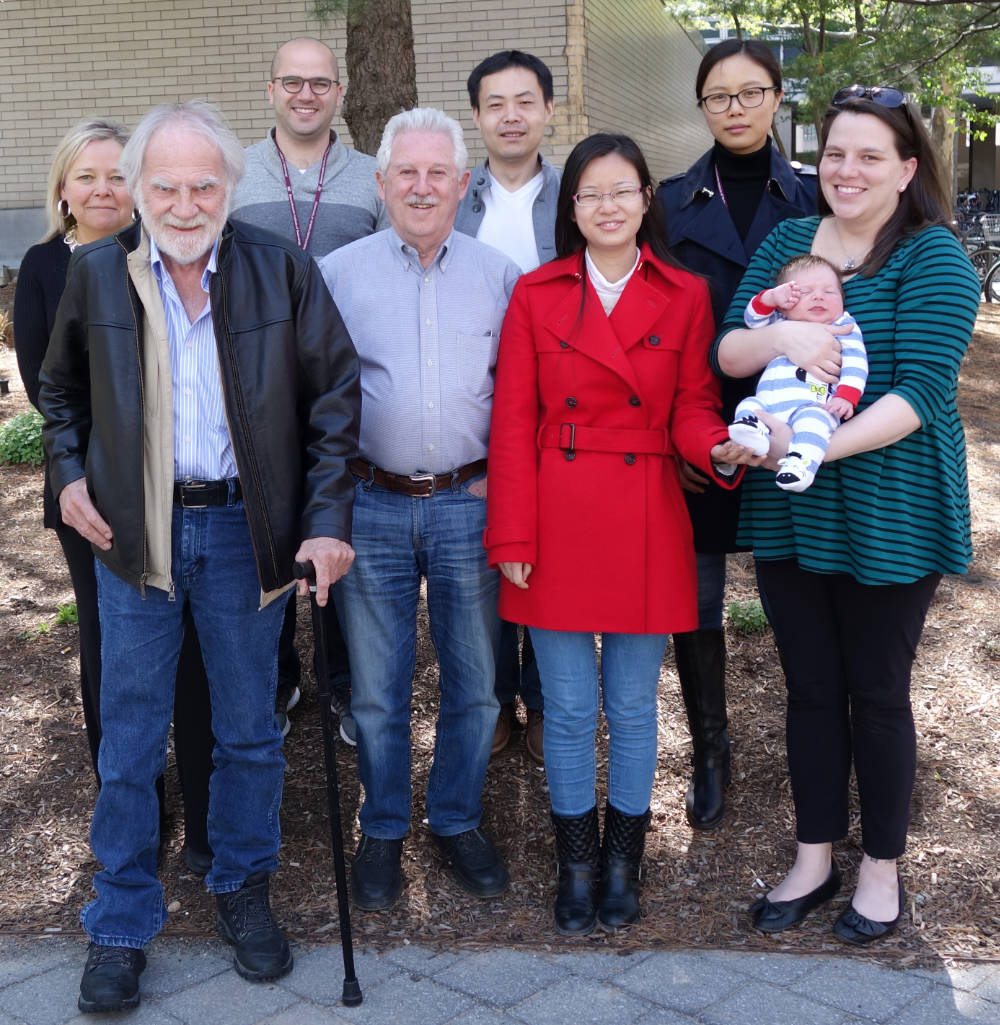
Steven R. Tannenbaum Steven R. Tannenbaum holds the Underwood-Prescott Professorship in Biological Engineering, Chemistry, and Toxicology at MIT. His primary affiliation is with the Department of Biological Engineering. The Tannenbaum Lab focuses on nitrosation chemistry, oxidative stress mechanisms, and advanced drug metabolism analysis using cutting-edge technologies. Research Focus Key areas include: Endogenous nitrogen oxide synthesis and biological impacts DNA damage pathways from nitrosative stress Organized tissue-based in vitro toxicity sensors High-sensitivity mass spectrometry for ADME studies Technical Innovations Developed micro-tissue chips combined with mass spectrometry/optical sensors for rapid drug/toxin screening. Pioneered 'nanotracing' using accelerator mass spectrometry for molecular tracking at sub-femtomole levels. Lab Members Current lab includes researchers like Haitham Amal, Guanyu Gong, Xin Wang, and Pete Wishnok (seen in 2017 group photo). Administrative support provided by Darlene Ray. Alumni information available through lab archives, though specific former student names are not listed in current materials.
Katie Hailer is a Professor and Department Head in the Department of Chemistry and Geochemistry at Montana Technological University, part of the Lance College of Mines & Engineering. She earned her B.A. in Chemistry from West Virginia University (2001), Ph.D. in Bioinorganic Chemistry from the University of Montana (2006), and completed a postdoctoral fellowship in oncology at the Mayo Clinic (2007). She previously served on the faculty at Winona State University (2007–2010) before joining Montana Tech in 2010. Her research focuses on bioinorganic chemistry and environmental toxicology , particularly metal interactions in biological systems. Leveraging Butte, MT’s status as a major Superfund site, her work investigates human metal accumulation due to mining and environmental contamination. Her lab employs biochemical and analytical methods to study oxidative DNA damage, metal carcinogenesis, and the development of nanomaterials for biomedical applications. The most recent publications reflect a strong trend in environmental health and nanomedicine , including biomonitoring of metal exposure in newborns, nanoparticle-assisted phage therapy, and electrospun delivery systems. These studies integrate toxicology, materials science, and public health, often involving undergraduate researchers and interdisciplinary collaborations. Dr. Hailer’s research has been supported by the National Institutes of Health INBRE grant, and she holds multiple U.S. patents in antibacterial and antiviral nanomaterials. Her advising includes numerous undergraduate researchers who have co-authored publications, demonstrating her commitment to student engagement in research. She is actively involved in research innovation at Montana Tech, contributing to initiatives in environmental remediation and advanced materials processing. Her team explores both fundamental mechanisms of metal toxicity and applied solutions for environmental and biomedical challenges.
Kyu Young Han is an Associate Professor in Optics & Photonics at CREOL, The College of Optics and Photonics, University of Central Florida. His research focuses on developing advanced optical tools for biological and neuroscience applications, including super-resolution imaging (STED/GSD microscopy), label-free single-molecule imaging, and novel microscopy techniques. He holds a patent commercialized by Leica Microsystems and has received the 2020 NIH Maximizing Investigators’ Research Award (MIRA). Education: BS and PhD in Chemistry from Seoul National University (2004 and 2010). Postdoctoral work at the University of Illinois (2011–2016) and Max Planck Institute for Biophysical Chemistry (Germany), specializing in optical microscopy innovation. Research interests emphasize nanoscopy, biophotonics, and interdisciplinary applications in cell biology. His group explores nuclear structure in mammalian cells, DNA-protein interactions, and RNA imaging in live cells. Recent work includes optimizing imaging techniques like TIRF microscopy and integrating deep learning for faster, less damaging STED imaging. Publications span cutting-edge advancements in microscopy resolution, photobleaching reduction, and single-molecule analysis. He advises multiple PhD students and collaborates across disciplines, contributing to Parkinson’s disease research through imaging-driven molecular studies.