
Christina Antonie Reh is a Lecturer at the Lucerne School of Business (HSLU), affiliated with the Institute of Communication and Marketing (IKM MM). Her roles include academic teaching and research in digital marketing and sustainability. She holds a PhD from WHU - Otto Beisheim School of Management and has professional experience in data science and marketing at companies like LOréal and SevenVentures. Education: PhD (tbc 2024), WHU; M.Sc. (2016), LMU Munich; B.Sc. (2013), LMU Munich Her research focuses on digital marketing effectiveness , sustainability in advertising , and consumer behavior . Notable projects include studies on long-term brand equity and sustainable product messaging. Recent work explores the impact of climate pledges on consumer trust. Publications highlight her contributions to media measurement modeling and online coupon strategies. Key awards include the Amazon Research Awards (ARA 2023) and MassChallenge recognition (2024). Advising: No formal students listed; however, co-founded baybies GmbH and Aiko Pet Foods GmbH. Grants: $28,000+ from Amazon Research Awards. Labs/Teams: Co-founder of startups baybies and Aiko Pet Foods, focusing on sustainable consumer products and pet food innovation.
Find Academic Supervisors
Find and connect with academic supervisors, professors, and scholars for your research journey.
Showing 1-15 of 160 supervisors
Profile data may be stale. It is sourced from public faculty pages.
Dimitrios SkalkosView profile
Professor
Dimitrios Skalkos serves as a Professor at the Department of Chemistry, University of Ioannina, holding the specific title of Professor of Innovation Management in Food Businesses. His office is located in building X2, room X2-206c on the Ioannina Campus (45110 Ioannina), and he leads the Food Chemistry Laboratory. He earned his Basic Degree in Chemistry from the University of Ioannina (1980-1985) followed by a Doctoral Degree from the University of Toledo, USA (1986-1989) with dissertation research on "Di- and Tetrahydroporphyrins: Syntheses and Antitumor Activities". Skalkos's research spans Food Business Management, Food Innovation, and Innovation Management, with specialized focus on Innovation & Entrepreneurship, Aromatic Plants, Innovative Foods, and Strategic Marketing. His work bridges academic research with industry applications in food systems, emphasizing Greek agricultural products and pandemic-era consumer behavior. His 36 publications (2020-2024) reveal strong trends in post-pandemic food innovation, consumer perception of traditional Greek foods, functional food development (particularly olive oil, cheese, and grape by-products), and sustainable agri-food supply chains. Key thematic clusters include traceability systems, bioactive properties of novel foods, and economic impacts on food choices. He has actively supervised Master's and PhD students through departmental presentations, directed 23 research programs, and organized 15 seminars and conferences. His laboratory website ( https://foods.chem.uoi.gr ) showcases ongoing food chemistry innovations.
Michael SiegristView profile
Professor
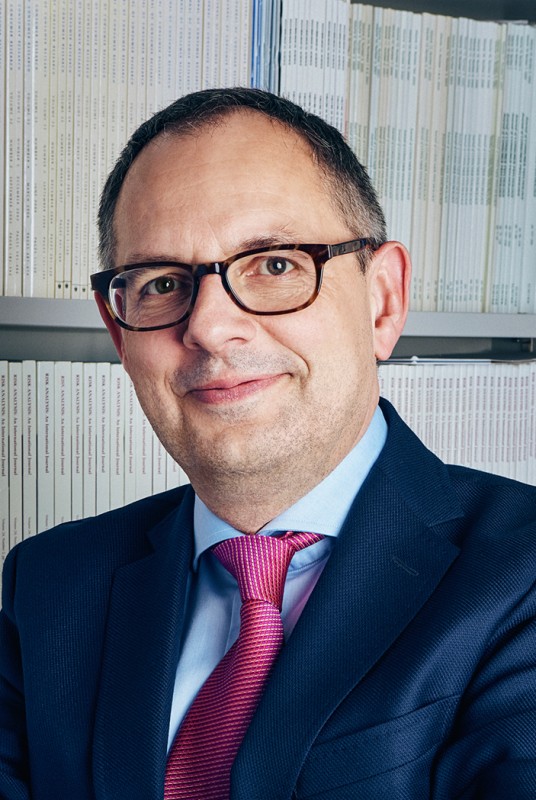
Michael Siegrist is a Full Professor of Consumer Behavior at ETH Zurich's Department of Health Sciences and Technology. His research focuses on risk perception, risk communication, acceptance of new technologies, and decision making under uncertainty, with particular emphasis on food and consumer behavior. He has established himself as a leading researcher in understanding how people perceive risks related to food, chemicals, and emerging technologies. Dr. Siegrist earned his education at the University of Zurich, where he studied psychology, economics, and mass communication. He completed his dissertation in 1994 and his Habilitation in 2001 at the Faculty of Arts. Between 1998-2000, he was a visiting researcher at Western Washington University, funded by the Swiss National Science Foundation. He began teaching and research activities at ETH Zurich in 2004 and became a Full Professor there in 2007. His research interests span risk perception and communication, with particular focus on food safety, disgust sensitivity, naturalness perception, and sustainability. His work examines how consumers evaluate risks related to food technologies, chemicals, and environmental issues. He has published extensively on topics including cultured meat acceptance, food labeling, household chemical safety, and the psychological factors influencing consumer decisions under uncertainty. His research often employs cross-cultural approaches, comparing consumer perceptions across different countries and demographic groups. Dr. Siegrist's publications reveal a strong trend toward understanding the psychological mechanisms behind consumer acceptance of novel food technologies, particularly alternative proteins. His recent work increasingly focuses on sustainability issues in food consumption, examining how consumers perceive environmental impacts of food choices and respond to policy measures aimed at promoting sustainable eating habits. He has made significant contributions to understanding how naturalness claims, disgust sensitivity, and cultural factors shape food preferences and risk perceptions. As an active researcher, Dr. Siegrist collaborates with numerous colleagues across disciplines, including veterinary science, nutrition, and agricultural technology. His work spans both theoretical contributions to risk perception frameworks and practical applications for food industry and policy development.
Sajid AlaviView profile
Professor
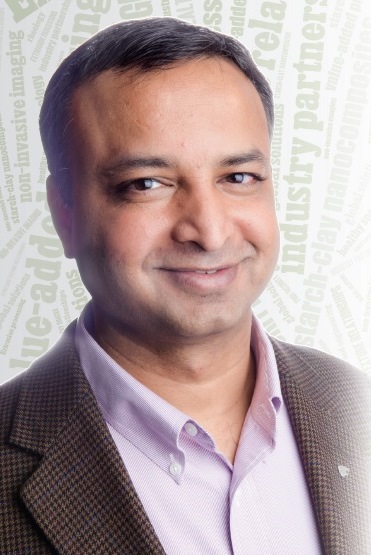
Dr. Sajid Alavi is a Professor in the Department of Grain Science and Industry at Kansas State University. He joined the faculty in 2002 after earning his Ph.D. in Food Science/Food Engineering from Cornell University (2002), M.S. in Agricultural and Biological Engineering from Penn State (1997), and B.S. in Agricultural Engineering from IIT (1995). His research focuses on extrusion processing in food, pet food, and feed applications, with expertise in rheology, food microstructure imaging, and process sustainability. He leads global projects in Africa, Brazil, India, and beyond, emphasizing sustainable food technologies and AI-driven processing innovations. Dr. Alavi is a recipient of the 2010 Young Research Scientist Award from the Cereals & Grains Association. He teaches GRSC 620 (Intro to Extrusion Processing) and GRSC 820 (Advanced Extrusion Processing), and has trained over 1,000 industry leaders through his renowned 'Extrusion Processing: Technology and Commercialization' short course. His work bridges food science and engineering, addressing challenges in plant-based meat analogs, nutrient bioavailability, and food aid product development. Key facilities associated with his work include the BIVAP Feed Quality Assurance Lab and Hal Ross Flour Mill. His research spans sensory analysis of meat alternatives, fiber utilization in pet food, and sustainability assessments of novel crops like intermediate wheatgrass. Recent studies explore insect protein in pet food, AI-driven extrusion optimization, and iron bioavailability in fortified foods. Dr. Alavi’s contributions span academic, industrial, and global food security domains, reflecting a commitment to innovative, scalable food solutions.
Ingrid UndelandView profile
Professor
Professor Ingrid Undeland leads the Marine research group at the Division of Food and Nutrition Science, Department of Life Sciences at Chalmers University of Technology. She is a distinguished researcher with expertise spanning marine food science, lipid chemistry, and blue biorefining, having established herself as a leading figure in sustainable seafood research and marine biotechnology. Her educational background includes food science studies from Linnaeus University and a PhD in bioscience from Chalmers University of Technology and SIK (now RISE). Between 1999-2002, she was a post-doctoral fellow at University of Massachusetts Marine Station, which significantly shaped her research trajectory in marine food science. Professor Undeland's research focuses on pioneering next-generation seafood through innovative value chains from seaweed, small pelagic fish, fish side streams, mussels, and microalgae. Her specialized expertise lies in marine lipids and proteins, particularly their stabilization, isolation from complex sources, and nutritional properties including digestibility. She has extensive experience with antioxidant strategies using plant-derived side streams or extracts and fundamental studies of fish hemoglobins as pro-oxidants. Her work also encompasses innovative technologies for biomass fractionation and nutrient recycling to build blue biorefineries, along with in vitro digestion models and general seafood analytics. Beyond marine research, she explores filamentous fungi as sustainable alternative food protein sources. The trends in her recent publications reveal a strong emphasis on valorizing marine resources through advanced processing techniques. Her work increasingly focuses on sustainable extraction methods for seaweed proteins, particularly Ulva fenestrata, and developing antioxidant strategies using berry side streams to stabilize fish proteins. There's a growing interest in understanding the nutritional properties and digestibility of alternative marine proteins, along with environmental assessments of processing technologies. Her research consistently bridges fundamental science with practical applications for creating sustainable seafood value chains. Swedish representative in Nordic Lipidforum, WEFTA, and EuCheMS Editorial board member of Journal of the Aquatic Food Product Technology Member of the National Committee for Nutrition and Food Science at the Royal Swedish Academy of Sciences Co-founder of the startup company AquaFood H-index of 47 according to Google Scholar Professor Undeland has an extensive record of academic mentorship, having supervised or currently supervising 23 PhD students, 14 postdoctoral researchers, and examining over 25 MSc students. Her research is supported by numerous grants, including the WaSeaBi Project which focuses on valorizing seafood side-streams through holistic value chain design. She collaborates with various industry partners and academic institutions across Europe. Her laboratory includes technicians Dr. Karin Larsson and Dr. Rikard Fristedt, and she leads a dynamic research team working on multiple projects related to marine biorefining and sustainable seafood development. Her research group operates within well-equipped facilities at Chalmers University, with specialized laboratories for marine food analysis, protein extraction, lipid oxidation studies, and in vitro digestion modeling. The team also maintains cultivation systems for seaweed and filamentous fungi, enabling integrated research from raw material production to final product development.

Julie M. GoddardView profile
Professor
Julie M. Goddard is a Professor of Food Science at Cornell University , affiliated with the College of Agriculture and Life Sciences and the Department of Food Science . Her research focuses on Biomaterials and Biointerfaces , with emphasis on food quality, safety, and sustainability. She leads the Goddard Research Group, which develops innovative polymeric materials and coatings for food packaging, bioprocessing, and equipment. Key projects include antimicrobial/nonfouling coatings, biocatalytic materials, and active packaging to reduce synthetic additives and food waste. Dr. Goddard holds a Bachelor of Science (1999) and Ph.D. (2008) in Food Science from Cornell University. Her work is supported by grants from USDA NIFA, NIH, NSF, and FFAR. Notable awards include the National Excellence in Multistate Research Award (2019) , APLU Junior Moulton Medal (2015) , and Institute of Food Technologists Young Scientist Award (2013) . Her research spans nonmigratory active packaging (e.g., antioxidant, antimicrobial films), biofilm inhibition , and enzyme immobilization . Recent articles highlight advancements in PETase engineering for microplastic degradation and optimization of curcumin-grafted biodegradable materials. She collaborates across disciplines, including materials science, chemical engineering, and microbiology. Labs/Teams: The Goddard Group operates in Stocking Hall, Cornell. Projects include biocatalytic packaging , hydrogen sulfide formation in canned beverages , and consumer acceptance of novel food technologies . Key grants fund exploration of bio-based materials and food safety innovations.
Martin ScanlonView profile
Professor
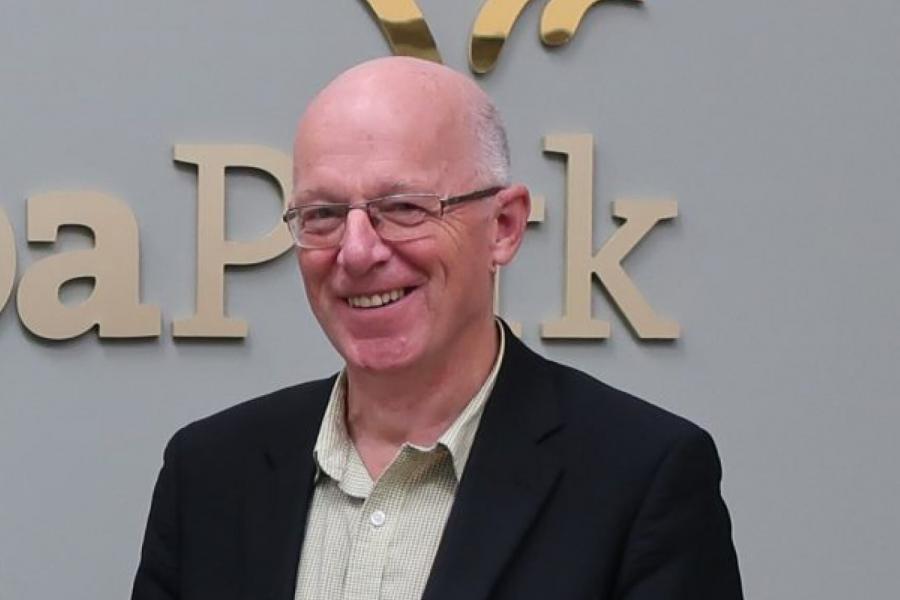
Dr. Martin Scanlon is a Professor and Dean of the Faculty of Agricultural and Food Sciences at the University of Manitoba. His work focuses on physical and structural changes in plant materials during food processing, particularly in oilseed-based systems and cereal products. Education: Operative Miller Certificate (with Distinction), City & Guilds (London), England PhD (Food Science), University of Leeds, England BSc Hons (Food Science), University of Leeds, England His research spans modeling process-ingredient interactions, aerated food materials, ultrasonic analysis, and grain-legume science. Recent projects include novel canola oil extraction methods and mitigating acrylamide precursors in wheat. Analysis of his publications reveals expertise in sustainable processing (supercritical CO₂, microemulsions), dough rheology, antioxidant recovery, and bubble dynamics in cereal systems. No scientific awards are explicitly mentioned. Dr. Scanlon is not currently accepting graduate students and has not disclosed specific grant funding or lab affiliations in the provided texts.

Junzhao MaView profile
Senior Lecturer
Junzhao Ma is a Senior Lecturer in the Department of Marketing at Monash University. He holds a BA in Economics from Yale University and a PhD in Marketing from the Kellogg School of Management, Northwestern University. Previously, he worked as a marketing analyst at Capital One Financial Corporation and JP Morgan and Co. Education: BA Economics (Yale University), PhD Marketing (Kellogg School, Northwestern University) His research focuses on technology adoption, e-commerce, real estate, and media's social impact, employing novel methodologies and data sources. He has contributed to journals like Journal of Retailing , International Journal of Research in Marketing , and Journal of Business Ethics . His work aligns with UN Sustainable Development Goals related to reduced inequalities and responsible consumption. Recent research highlights include studies on service robot anthropomorphism (2023), sex robots acceptance (2022), and media-driven consumption trends (2020). He has received Dean's Letters for Teaching Excellence in 2020 and 2021. Scientific Awards: Dean's Letter for Teaching Excellence (2020, 2021) Junzhao actively engages in academic service, including peer reviews for Asia Pacific Journal of Marketing and Logistics and presentations at the INFORMS Marketing Science Conference and Australian & New Zealand Marketing Academy Conference. He has served as Chief Investigator in projects like "Bridging the Intention-Behaviour Gap in the Australian Tourism Industry" (2022-2024) and "eBabies: Forecast and Implications for Society" (2020-2021).
Karin WendinView profile
Professor
Karin Wendin is a Professor in Food and Meal Science at the Department of Food and Meal Science, Faculty of Natural Science, Kristianstad University. She also maintains an Associate Professor position at the University of Copenhagen since 2012. Her research is centered within the Food and Meals in Everyday Life (MEAL) research group and she plays a key role in the Centre for Food, Health and Retail at Kristianstad University (FOHRK). Dr. Wendin earned her PhD in 'Sensory Dynamics in Emulsion Products Differing in Fat Content' from Chalmers University of Technology in 2001. Her academic career spans over two decades with significant contributions to sensory science and food research. She has collaborated extensively with research institutes including RISE and has held visiting researcher positions at the University of Copenhagen. Wendin's primary research focus is sensory science, defined as 'the discipline that evoke, measure, analyze and interpret reactions to characteristics of food and other materials perceived by the human senses.' Her work investigates how chemical and physical food properties influence human sensory perception through sight, smell, taste, touch and hearing. A substantial portion of her research addresses health, wellbeing, and sustainability challenges, particularly in developing food products with reduced fat, salt, and sugar while maintaining sensory appeal, and exploring alternative protein sources including insect-based foods. She has specialized in adapting food products for specific demographic groups including the elderly, children, teenagers, and individuals with weight concerns. Her research methodology incorporates both objective and subjective sensory assessments using various statistical approaches from classic to multivariate methodologies. Analysis of her recent publications reveals a strong emphasis on sustainable food systems, novel food sources, historical grains in modern contexts, and sensory evaluation methods for high-value products. Her work consistently bridges scientific analysis with practical food industry applications, with many projects involving direct collaboration between academia and industry partners. The research demonstrates increasing focus on UN Sustainable Development Goals related to sustainable consumption, health, and responsible production. Professor Wendin has extensive supervisory experience across multiple institutions including University of Copenhagen, University of Borås, Linköping University, Chalmers University of Technology, Örebro University, and Lund University of Technology. She has served on examination committees for PhD defenses at institutions across Scandinavia and internationally. Her research has been funded by major organizations including Formas, Vinnova, and the Family Kamprad Foundation, as well as through contract research with industry partners where results often remain confidential. She currently leads multiple significant projects including 'Food and Drinks for Seniors' (2024-2026), 'Ending food waste from plant to plate' (2023-2026), 'Nutritious, tasty and health-promoting novel wheat products' (2022-2025), and research on prediction methods for sensory properties of high-value sustainable products. These projects reflect her commitment to addressing contemporary food challenges through interdisciplinary research that combines sensory science with sustainability and health considerations.

Julien DelarueView profile
Associate Professor
Julien Delarue is an Associate Professor in Sensory & Consumer Science at the University of California, Davis. Formerly a Professor at AgroParisTech (Université Paris-Saclay), he specializes in sensory perception, consumer preferences, and contextual influences on food evaluation. His work integrates immersive environments and digital tools to study how context shapes hedonic measures and drives healthy/sustainable food choices. Research Focus: Delarue's studies address sensory determinants of food preferences, leveraging methods like rapid profiling and contextual testing. He explores category labels' impact on consumer expectations, sensory complexity in desserts, and the role of non-verbal evaluation (e.g., facial expressions) in assessing novel products. Leadership: He served as Chair of the French Society for Sensory Analysis (SFAS) and the European Sensory Science Society (E3S), advocating for rigorous methodologies in sensory evaluation. His interdisciplinary approach bridges food science, consumer behavior, and data science. Key Themes: Publications emphasize ecological validity in testing, sensory-led reformulation (e.g., cookies, pizzas), and the interplay between product context and perception. Recent work investigates non-dairy milk labeling, sports nutrition products, and child food preferences.
Emma LynchView profile
Lecturer
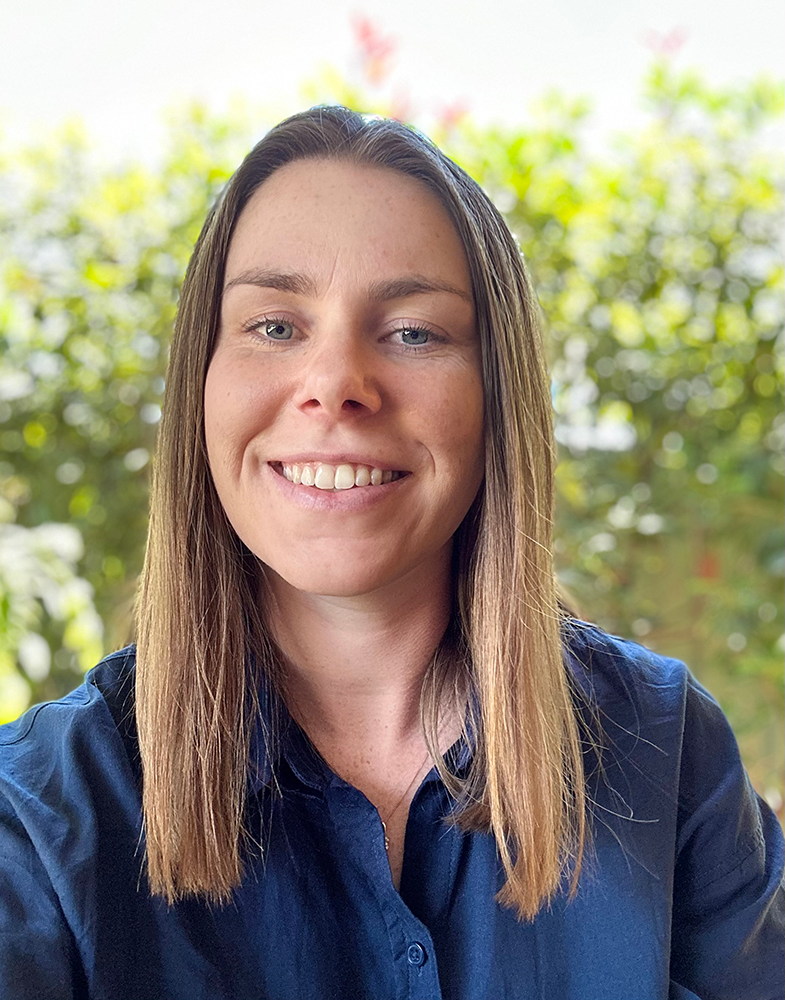
Dr. Emma Lynch is a Lecturer in Ruminant Production at the School of Environmental and Rural Science , University of New England. Her research focuses on evaluating novel feedstuffs and their impacts on ruminant production, meat quality, and sensory attributes. Education PhD in Ruminant Nutrition, Charles Sturt University Bachelor of Animal Science (Hons), Charles Sturt University Research Interests encompass meat science , ruminant nutrition , protein supplementation , and alternative feed sources . Her work investigates how feed composition affects animal performance, nutrient digestibility, and meat quality, with a notable emphasis on canola meal and hemp biomass in ruminant diets. Recent publications highlight trends in feedstuff evaluation , rumen physiology , and meat quality assessment . She employs comparative methodologies (in vivo, in sacco, in vitro) to study digestibility and uses sensory panels to evaluate consumer preferences. Scientific Memberships NSW Branch Secretary, Australian Association of Animal Sciences (AAAS) Australian Intercollegiate Meat Judging Association Contact : elynch20@une.edu.au

Ya-Jane WangView profile
Professor
Jane Wang is a Professor in the Department of Food Science at the University of Arkansas , where she has served since 1999, progressing from Assistant to Full Professor. She also holds the title of Director of the Experiment Station in the Department of Food Science. Her research focuses on starch structure-functionality relationships , rice quality , and biomaterial utilization , with over 120 refereed publications and 5 patents. Education: B.S. in Agricultural Chemistry (1986) from National Taiwan University , M.S. in Food Science (1989) from the University of Minnesota , and Ph.D. in Food Science (1992) from Iowa State University . Postdoctoral research in starch chemistry at Iowa State University (1993-1994). Research Interests: Jane Wang's work explores starch chemistry, rice processing optimization, and value-added applications of agricultural byproducts. She investigates how starch modifications affect food and pharmaceutical properties, with a particular focus on parboiling, germination, and enzymatic treatments. Her research also examines the impact of environmental factors on rice starch development and quality. Scientific Awards: Outstanding Departmental Research Award (2008) Outstanding Volunteer, IFT Carbohydrate Division (2007) Outstanding Mentor, University of Arkansas (2005) Grants & Professional Service: She has secured over $3M in research funding, including USDA-NIFA grants and industry contracts with more than 50 food companies. Jane has served on numerous academic committees (Patent, Promotion & Tenure, Curriculum) and held leadership roles in professional organizations like IFT and AACC. She has also acted as associate editor for Cereal Chemistry and Carbohydrate Polymers , and reviewed for multiple journals and agencies. Labs & Teams: Dr. Wang leads the Carbohydrate Research Program at the University of Arkansas, focusing on starch structure-functionality, rice fortification, and biomaterial development. Her lab collaborates with industry partners and academic institutions to advance food science applications.
Peter BreunigView profile
Professor
Peter Breunig is a Professor at the University of Applied Sciences Weihenstephan-Triesdorf (HSWT), working within the Department of Agriculture, Food, and Nutrition. His academic focus centers on agricultural marketing, market theory, and sustainable food systems. As Coordinator specializing in "Marketing and Management in Agribusiness" and Public Relations lead for the Agriculture department, he plays a significant role in shaping the institution's engagement with industry and the public. His educational expertise is reflected in his comprehensive teaching portfolio covering: Agricultural markets Fundamentals of Agricultural Marketing Marketing and Management of Regional Value Chains (Master) Market theory and market policy Regional marketing Strategies of International Agricultural Marketing (Master) Processes and economics of crop/animal production Professor Breunig's research bridges theoretical market concepts with practical applications in agriculture, with particular emphasis on sustainability transitions. His work demonstrates strong interdisciplinary collaboration across agricultural economics, food science, environmental studies, and technology fields. Recent publications reveal a clear trend toward addressing sustainability challenges in food systems, particularly regarding consumer acceptance of alternative proteins, climate impacts of agricultural practices, and digital transformation in agriculture. Among his notable scientific contributions are studies on: Media portrayal of new genetic technologies in agriculture Consumer acceptance of animal-free dairy products Climate change mitigation potentials in agricultural systems Digital transformation frameworks for agricultural ecosystems Professor Breunig has supervised numerous master's theses across diverse topics in agricultural marketing and management, and currently mentors doctoral candidates including Tanja Strobel-Unbehaun and Hanno Koßmann. His research projects include "Mastering opportunities yourself - scouting, career guidance and key qualifications in Agriculture" where he serves as project lead, demonstrating his commitment to developing future agricultural professionals.
Karina GallardoView profile
Professor
Dr. Karina Gallardo is a Professor and Extension Economist at Washington State University (WSU), affiliated with the College of Agricultural, Human, and Natural Resource Sciences (CAHNRS). Her research focuses on enhancing value-added opportunities for specialty crops, particularly in tree fruit economics, consumer demand analysis, and the economics of technological adoption in agriculture. Dr. Gallardo holds a Ph.D. in Agricultural Economics from Oklahoma State University (2007), an M.Sc. in Agricultural Economics from Mississippi State University (2004), and degrees in Food Science and Technology Engineering and B.Sc. from Universidad Nacional Agraria La Molina in Peru (2000 and 1997). Research Interests: She investigates consumer preferences for fresh fruit quality, technology adoption by growers (e.g., robotic harvesters, pest management systems), and economic viability of new agricultural technologies. Her work addresses labor economics, environmental impacts, and market dynamics. Grants & Collaborations: Dr. Gallardo leads or participates in USDA-NIFA-SCRI projects totaling over $4.3 million, including robotic harvest systems, disease management, and breeding program efficiency. She collaborates with institutions like Cornell University and USDA-ARS on projects involving fruit storage, mechanization, and pest management. Labs/Teams: While specific labs are not highlighted, her work is aligned with WSU’s extension programs, bridging research and practical applications for growers.

Jinsoo HwangView profile
Professor
Jinsoo Hwang is a Professor in the Department of Foodservice Management at Sejong University's College of Hospitality & Tourism Management, where he has served since 2016 with progressive promotion to full Professor in 2022. He concurrently holds leadership roles including Head of the Graduate Program of Foodservice Management (2024) and previously led Sejong University's Graduate School of Tourism (2019-2022). Education: Ph.D. in Hospitality Management, Kansas State University (2011) M.S. in Hospitality Management, Florida International University (2007) M.B.A. in Hospitality and Tourism Management, Sejong University (2005) B.L. in Law, Cheongju University (2003) His research centers on service marketing dynamics and technology adoption in hospitality contexts, with particular expertise in consumer innovativeness, brand loyalty, and rapport building. Recent work examines emerging technologies including robot food delivery, facial recognition payments, and smart farm restaurant systems through cross-cultural lenses. His studies frequently apply theoretical frameworks like UTAUT, TAM, and social penetration theory to analyze consumer behavior in airline, restaurant, and golf resort settings. Publication trends reveal consistent high-impact output with 192 SSCI-indexed papers through 2025, averaging 20+ annual publications since 2019. His work predominantly appears in Q1 hospitality journals like International Journal of Hospitality Management (IF=11.7), focusing on technology-service intersections and cross-national consumer behavior comparisons. Key awards: 2024 Highly Cited Researcher (Web of Science) Sejong University Distinguished Professor (2023-2025) Research.com Top 4 Business Scientist in Korea (2024) SciVal Top 3 Author in Korean Business Research (2018-2023) Albert Nelson Marquis Lifetime Achievement Award (2018) Hwang directs the Gwang603 Laboratory and serves as Head of Sejong University's Smart FM Track under the LINC+ industry-university cooperation program. His leadership extends to editorial roles in major hospitality journals where he frequently reviews submissions on technology adoption and consumer behavior. Current research initiatives focus on human-robot service interactions and sustainable foodservice innovations.