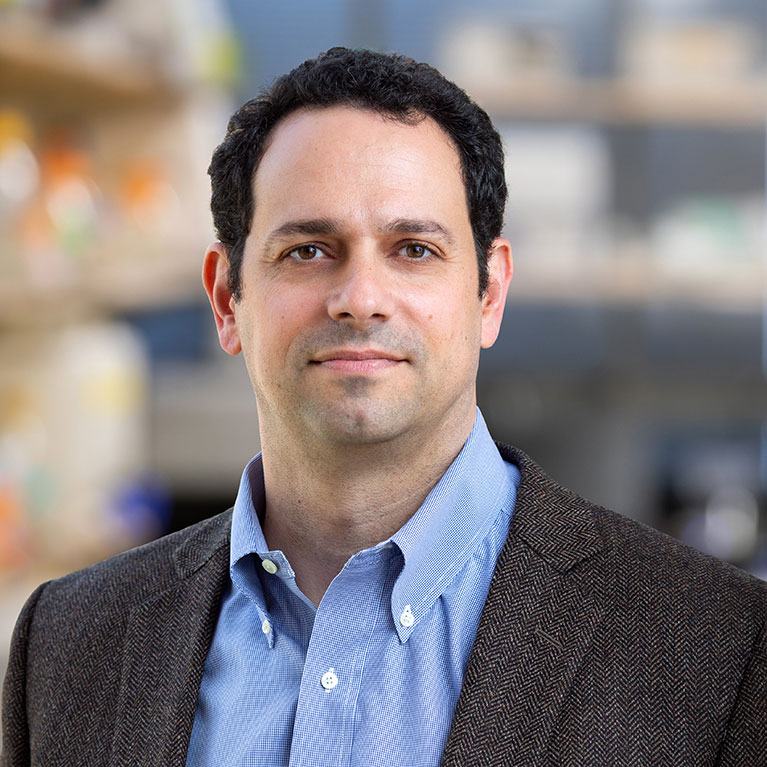
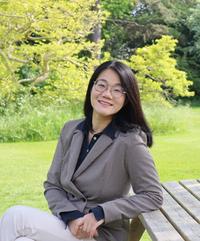
Scott Bulfin is an Associate Professor at the School of Curriculum Teaching & Inclusive Education , Monash University. His work bridges digital media, literacy education, and teacher professional learning, with a focus on the intersection of technology, curriculum, and sociocultural practices. Research interests include digital literacies, English teaching theory, curriculum reform, and the sociology of technology in education. He has collaborated extensively on projects like Making a Digital Difference? (ARC-funded) and MOOC Research Pool, emphasizing teacher agency and critical engagement with technology. His publications span journals such as Pedagogy, Culture and Society and Idiom , addressing teacher wellbeing, digital pedagogy, and postcolonial curriculum possibilities. He received the Monash Student Association Inclusive Teaching Award (2014) and serves on editorial boards for Educational Studies in Language and Literature and English in Australia .
Johannes Pflegerl is a Professor at the University of Applied Sciences St. Pölten, serving as Director of the Ilse Arlt Institute for Social Inclusion Research and Deputy Head of the Department of Social Affairs. He holds a doctorate in sociology from the University of Vienna and has dedicated his career to social work with older adults, interdisciplinary collaboration, and digital inclusion in aging populations. His roles span lecturing since 2007, leading the Master’s program in Social Work (2012–2022), and pioneering research in family caregiving, dementia care, and Ambient Assisted Living. Doctorate in Sociology (University of Vienna) Research Associate at Austrian Institute for Family Research (1995–2005) Lecturer and Researcher at Department of Social Affairs (2005–2007) His research focuses on Social Work with Older Adults , Family Caregiving , and Digital Solutions for Aging Populations . He explores interdisciplinary approaches in palliative care, community nursing, and social prescribing, integrating technology like mixed reality and multiscreen platforms to combat loneliness. Projects include Smart Companion , UmBrello , and XR2Resilience , emphasizing resource-oriented interventions and inclusion of refugees. The 15 most recent articles highlight trends in family group conferencing , data-driven caregiving tools , and digital communication for elderly . These works bridge social work methodologies with technological innovation, addressing challenges in dementia care, interprofessional healthcare, and community-based aging support.
Thomas Roulet is Professor of Organisational Sociology and Leadership at Cambridge Judge Business School, University of Cambridge, and Fellow and Director of Studies in Psychology & Behavioural Science at King’s College, Cambridge. He is an active researcher, educator, and consultant focusing on how individuals and organisations can lead social change and adapt to evolving workplaces with an emphasis on wellbeing. Education MSc – Audencia Business School MPhil – Sciences Po Paris MA – University of Cambridge PhD – HEC Paris Research Interests Roulet’s work centres on three interconnected themes: Organisational Stigma & Social Evaluation: Examining how organisations and individuals cope with negative social evaluations such as stigma, scandals, and disapproval. Institutional & Social Change: Investigating the micro-dynamics of institutional transformation, including activism, grand challenges, and the role of discourse. Wellbeing & Mental Health at Work: Developing evidence-based strategies to foster employee wellbeing, prevent burnout, and embed mental-health considerations into leadership practice. Methodologically, he draws on qualitative, quantitative, and mixed-method designs, often integrating insights from sociology, psychology, and management. Research Output Trends Over 2022-2025, Roulet has produced a prolific stream of publications addressing grand societal challenges—from climate communication and caste-based inequities to hybrid working and AI’s impact on governance. His recent work increasingly emphasises practical implications for managers and policy makers, reflecting a commitment to actionable scholarship. Scientific Awards & Honours Fellow, Academy of Social Sciences (2024) Mid-Career Fellow, British Academy (2023) Pilkington Prize for Teaching Excellence, University of Cambridge (2023) Cambridge Judge Teaching Award, MBA Leadership (2021) Runner-up, George Terry Book Award, Academy of Management (2021) Young Global Leader, World Economic Forum (2024) Named among Poets & Quants ‘40 under 40’ best business school professors (2020) King’s College London University-wide Teaching Award (2018) Advising, Grants & Service Roulet regularly consults for public and private organisations on workplace dynamics, M&A culture integration, and wellbeing strategy. He served as trustee of the Society for the Advancement of Management Studies (SAMS) since 2020 and sits on editorial boards including Academy of Management Review , Organization Science , and Journal of Management Studies . He is Senior Editor at Organization Studies and co-editor of essays at Journal of Management Studies . From 2017-2019 he was co-editor-in-chief of the open-access journal M@n@gement . Labs & Initiatives In 2021 he co-founded the King’s Entrepreneurship Lab with Kamiar Mohaddes to broaden entrepreneurial education across Cambridge colleges beyond the Business School.
Isabella Chiari is an Associate Professor in the Department of Modern Literature and Culture at the University of Rome La Sapienza. She teaches General Linguistics and Computational Linguistics for both undergraduate and graduate students, including courses in Linguistics for SLLT (School of Languages, Literatures, and Translation) and EAAS (English and Anglo-American Studies). She is also associated with the Institute of Cognitive Sciences and Technologies (ISTC-CNR). Her research interests span the intersection of linguistics and philosophy of language, with a focus on quantitative linguistics, corpus linguistics, and linguistic redundancy in speech performance. She has made significant contributions to computational and statistical linguistics for textual analysis, particularly in multiword expression analysis, neologism measurement, and sign language representation. Her work also addresses language learning, migration terminology, and the linguistic identity of immigrant communities. Dr. Chiari's publications reflect her expertise across multiple domains of linguistics, with recent work focusing on language and identity of second-generation Arabic speakers in Italy, migration terminology, and computer-mediated communication. Her research shows a consistent trajectory from theoretical linguistic foundations toward practical applications in language teaching, digital communication, and migration studies. She serves as treasurer of the Executive Committee of SLI (Association of Italian Linguistics), is a member of the directive committee of Senso Comune (a knowledge base of Italian language), and sits on the board of the PhD programme in Filologia, linguistica e letteratura della Sapienza. She is also a member of the editorial board of Bollettino di Italianistica and the scientific committee of Arena Romanistica. Dr. Chiari has coordinated the Sapienza project on 'Sense negotiation in computer mediated communication' and participated in the multidisciplinary research project 'A multidisciplinary approach to the representation of migration in Italy' (2013-2020). She has authored numerous publications including the books 'Ridondanza e linguaggio' (2002), 'Informatica e lingue naturali' (2004), and 'Introduzione alla linguistica computazionale' (2007), as well as co-editing several significant works in the field.
Larissa D'Angelo is an Associate Professor of English Language and Translation at the University of Bergamo , affiliated with the Department of Foreign Languages, Literatures and Cultures . She leads the Eye Tracking Lab within the Research Group on Digital Humanities (ReDH) and is a member of the Research Center on Languages for Specific Purposes (CERLIS) . Her academic background includes an MA in English Language from Youngstown State University (USA), a TESOL Certificate , a Certificate in Children's and Young Adult Literature , and a PhD in Applied Linguistics from the University of Reading (UK). Her research focuses on English for Specific Purposes , multimodal analysis , and eye-tracking studies , particularly in audiovisual translation , game localization , and academic communication . She has supervised theses on topics like AVT and cultural prosumer dynamics , multimodal text design , and AI in translation , though she emphasizes that AI usage is strictly prohibited in thesis work. Her publications explore the intersection of digital communication , metadiscourse , and translation theory , with a focus on visual and textual academic genres and pedagogical applications . She actively collaborates on projects like Erasmus+ initiatives for climate-resilient education.
Łukasz Tomczyk is a Professor at the Institute of Pedagogy, Faculty of Philosophy, Jagiellonian University in Poland. He holds a PhD in Social Sciences with a focus on pedagogy (media education, social pedagogy) from the Pedagogical University of Krakow, a Doctor of Philosophy (PhDr) from Charles University in Prague, and is also a computer science engineer. He has established himself as a leading academic in digital literacy and media education, ranking among the top 2% of the world's most influential scientists in 2022 according to Stanford University and Elsevier. His research interests center on media and information education, the information society, and lifelong learning, with particular emphasis on digital literacy, cybersecurity education, and media pedagogy. Professor Tomczyk has authored 7 monographs and over 220 scientific articles, and has edited 15 collective monographs, establishing himself as a prolific scholar in his field. His research spans multiple domains including digital competence development, problematic internet use, educational technology integration, and intergenerational digital literacy. Analysis of his recent publications reveals a strong focus on digital competencies for teachers and students, with particular attention to cybersecurity education, digital safety, and the challenges of digital transformation in education. His work demonstrates a global perspective, with research conducted across multiple countries and addressing both theoretical frameworks and practical applications in educational settings. The publications show consistent methodological rigor and interdisciplinary approaches that bridge pedagogy, psychology, and information technology. Top 2% of the most influential scientists in the world in 2022 (Stanford University and Elsevier) 3rd degree Award of the Rector of the Jagiellonian University for 2022 List of 100 – contributing to strengthening the digital competences of Poles in 2022 Strategic Program Excellence Initiative at the Jagiellonian University Rector's distinction for outstanding scientific achievements (2019, 2018) Scholarship for outstanding young scientists (2018-2020) Professor Tomczyk has successfully managed numerous international research projects funded by various organizations including NCBiR, NCN, Erasmus+, NAWA, Visegrad Fund, and Mundus Penta. His international collaborations span over 15 countries across Europe, Latin America, and Asia. He serves as Deputy Editor-in-Chief of the journal 'Education and Information Technologies' (IF=4.8, Springer) and sits on the editorial boards of numerous international journals. As a highly sought-after academic, he has lectured in numerous countries worldwide and serves as a reviewer for multiple international research agencies, including the European Commission. His work extends to policy impact through his role as a textbook reviewer for the Ministry of Education and his contributions to national digital competence initiatives in Poland. He is actively involved in the EU KIDS Online research network and COST Action networks, demonstrating his commitment to addressing contemporary educational challenges through collaborative international research.
Marc Chevrette serves as an Assistant Professor and Discovery Fellow in the Department of Plant Pathology at the University of Wisconsin–Madison's College of Agricultural and Life Sciences, with laboratory operations based in the Discovery Building. His interdisciplinary research bridges genomics, bioinformatics, and microbiology to investigate microbial secondary metabolism and interspecies interactions within complex communities. Education: PhD in Genetics, University of Wisconsin–Madison Dr. Chevrette's research program centers on evolutionary-guided natural product discovery, specializing in genome mining for novel antibiotics and biosynthetic pathway characterization. His lab develops computational tools like GATOR-GC to map biosynthetic diversity across bacterial lineages, with particular emphasis on lasso peptides, nonribosomal synthetases, and microbial community dynamics. This work integrates phylogenetics with experimental validation to uncover chemical ecology principles driving secondary metabolism. Analysis of his 2023-2025 publications reveals consistent innovation in bioinformatics infrastructure (antiSMASH, MIBiG) and machine learning applications for substrate specificity prediction. His research demonstrates strong translational potential for antimicrobial discovery, with recurring themes of evolutionary adaptation in biosynthetic gene clusters and community-mediated metabolite regulation. Scientific Awards: Discovery Fellow (Wisconsin Institute for Discovery) Dr. Chevrette directs an active research group supported by federal grants focused on antibiotic discovery and microbial ecology. His mentorship includes training graduate students in interdisciplinary methodologies spanning computational biology, microbial genetics, and natural product chemistry, with emphasis on translating genomic insights into experimental validation. The Chevrette Lab operates within the Wisconsin Institute for Discovery, leveraging its collaborative environment to integrate genomic data with ecological modeling. Current projects investigate how nutrient availability and interspecies competition shape biosynthetic potential in soil and marine microbial communities, with implications for drug discovery pipelines.
Abdel Rahman Abdel Fattah is a Principal Investigator at CeMM Research Center for Molecular Medicine of the Austrian Academy of Sciences in Vienna, Austria. He previously held a postdoctoral position at CeMM (2022–2024) and KU Leuven (Belgium) (2018–2022). Education: BSc and PhD in Mechanical Engineering from McMaster University (Canada) Current Role: Lab Head at CeMM since 2024 Research Interests focus on multiscale mechanobiology, specifically how cells use mechanical forces and extracellular matrix (ECM) dynamics to coordinate tissue organization. His group combines bioengineered mechanical stimulation tools with advanced imaging and computational models to study: Dynamic Cellular and ECM Interactions in health and disease Mechano-Transcriptomic Mapping using spatial transcriptomics and atomic force microscopy (AFM) Computational Modeling of tissue organization via reaction-diffusion systems and positional information theory Disease Applications: Traumatic brain/spinal cord injuries and liver fibrosis Publications highlight interdisciplinary work across mechanobiology, bioengineering, and vascular pathology, with a focus on magnetic actuation, organoid modeling, and ECM dynamics. Articles appear in Nature Communications , Cell Reports , and Lab on a Chip . Recent studies (2024–2025) explore force-mediated vascular lesion growth and transcriptional hallmarks of aging using single-cell analysis. Technological Innovations include: Magnetic Microactuators for local organoid stimulation 3D Soft Microfluidic Systems for perfused tissues Diamagnetophoresis-Based Bioprinting Single-Cell Transcriptomic Atlases for mechanical stress responders
Tobias Hallmen is a Researcher at the University of Augsburg 's Chair of Human-Centered Artificial Intelligence within the Faculty of Applied Computer Science . His work focuses on multimodal conversation analysis using machine learning and artificial intelligence in psychotherapy and medical/educational training contexts. Research interests include: Automated evaluation of conversational quality through multimodal data (audio, video, text) AI-based assessment systems for therapy sessions and parent-teacher interviews Development of real-time feedback mechanisms for skill improvement Integration of behavioral signal processing and empathy modeling Recent publications demonstrate expertise in vocal burst analysis , emotional mimicry prediction , and multimodal foundation models for behavioral annotation. Key technical domains: deep learning architectures , cross-modal data correlation , and computer vision applications . The Chair team under Prof. Dr. Elisabeth André currently includes 23 members with 10 projects active, including TherapAI (psychotherapy analysis) and KodiLL (medical training systems). Tobias Hallmen's work particularly addresses speaker classification , reception signal analysis , and remote physiological measurement techniques like video-based heart rate detection .
Arni Már Einarsson is a Tenure Track Assistant Professor in the Department of Communication at the University of Copenhagen's Faculty of Humanities. His research focuses on the intersection of digital technologies, society, and institutions, with particular expertise in news recommender systems, online tracking, and critical data studies. Dr. Einarsson's research interests include: Critical data studies News media and journalism News recommender systems Online tracking and privacy Computational methods Mixed methods research His current research centers on two major projects: "Platform Intelligence in News," an interdisciplinary study of natural language processing and recommender systems in news domains, and "Privacy Lost," which examines the historical development of third-party trackers across geographical domains using internet excavation methods. His work employs qualitative, quantitative, and computational approaches to understand how digital technologies mediate relationships between people and institutions. Dr. Einarsson's publication record demonstrates a strong focus on the societal implications of news recommender systems, with recent work examining agenda-setting effects, user experiences, and evaluation frameworks. His research shows an interdisciplinary approach spanning communication studies, computer science, and sociology, with particular attention to the democratic implications of algorithmic curation in news environments. As an active academic, Dr. Einarsson has presented his research at numerous conferences and workshops internationally, engaging with both academic and industry audiences on topics related to news automation, machine learning evaluation, and user experiences with recommendation systems.
Mariantonietta Morga serves as Senior Lecturer in the School of Engineering and the Built Environment within Anglia Ruskin University's Faculty of Science and Engineering. Since joining ARU in 2017 as a Research Fellow and advancing to Senior Lecturer in 2018, she has established herself as a specialist in structural dynamics and seismic engineering with extensive contributions to critical infrastructure resilience against natural disasters. Her academic credentials include: PhD in Sciences of Civil and Environmental Engineering – Structures from Technical University of Bari Master’s degree in Environmental Engineering (equivalent to MEng(Hons)) from Technical University of Bari PG Cert in Learning and Teaching (Higher Education) from Anglia Ruskin University Dr. Morga's research centers on enhancing structural resilience through advanced methodologies including computational modeling (AI-based algorithms and stochastic analyses), finite element analysis, and dynamic field testing. Her work specifically addresses seismic vulnerability of historical structures, liquefaction mitigation, vibration control systems, and corrosion mechanisms in reinforced concrete. This research directly informs practical applications in disaster management and infrastructure protection. Her publication record reveals a consistent trajectory toward integrated disaster resilience solutions, with recent works emphasizing multi-hazard risk frameworks, liquefaction countermeasures, and optimization of structural control systems. The research demonstrates strong interdisciplinary connections between geotechnical engineering, structural dynamics, and emergency management. Professional recognition includes: Fellow of the Higher Education Academy Dr. Morga has secured substantial research funding through European programs: MEDiate (2022-ongoing) : €5M HE project as Co-I focusing on multi-hazard risk management systems TURNkey (2019-2022) : €7.99M H2020 project as Co-I with €504,875 ARU grant for earthquake resilience LIQUEFACT (2017-2019) : €4.94M H2020 project as Co-I with €647,347.50 ARU grant for liquefaction mitigation NERA (2012-2014) : €12.01M FP7 project where she served as PI for AIT Austrian Institute She actively supervises research students and serves as reviewer for seven international journals and H2020/Newton funding bodies. Her collaborative work extends through European consortia and Austrian transport sector consultancy, focusing on translating research into practical disaster risk management frameworks and infrastructure protection strategies.
Alan Saghatelian is a Professor and holds the Dr. Frederik Paulsen Chair at the Salk Institute for Biological Studies, where he leads the Clayton Foundation Laboratory for Peptide Biology. His research focuses on the discovery and characterization of natural small molecules, particularly metabolites and peptides, using advanced mass spectrometry techniques. Dr. Saghatelian received his Bachelor of Science in Chemistry from the University of California, Los Angeles, and his Ph.D. in Chemistry from The Scripps Research Institute. He completed his postdoctoral training as a Merck Fellow with the Life Sciences Research Foundation. His research program distinguishes itself through its focus on biology related to metabolites and peptides, which he refers to as natural small molecules. These molecules have vital roles in human physiology and disease but have been historically understudied due to technical challenges in their detection. Saghatelian's lab has made significant discoveries, including the identification of FAHFAs (fatty acid esters of hydroxy fatty acids), a novel class of lipids with anti-inflammatory properties that can reverse diabetes symptoms in mice. His team has also discovered thousands of human genes encoding microproteins that could advance our understanding of molecular pathways controlling diseases such as cancer and autoimmunity. Dr. Saghatelian's work spans multiple disease areas, with significant contributions to diabetes research, cancer biology, neurodegenerative diseases, and immunological disorders. His laboratory collaborates extensively with other researchers at Salk to understand the role of peptides and metabolites across various biological contexts. Mark Foundation for Cancer Research Endeavor Award (2022) American Association for the Advancement of Science Fellow (2020) Sloan Foundation Fellow (2011) Searle Scholars Program Award (2008) New Innovator Award, National Institutes of Health (2007) Burroughs Wellcome Fund Career Award in Biomedical Sciences (2005) Dr. Saghatelian's laboratory has been highly productive, with numerous publications in top-tier journals. His recent work has focused on microprotein discovery, lipid signaling molecules like FAHFAs, and the application of advanced proteomics and metabolomics techniques to understand disease mechanisms. His research program demonstrates a strong trajectory of innovation, moving from fundamental discoveries of new biological molecules to potential therapeutic applications. The Saghatelian Lab develops and applies novel mass spectrometry strategies to measure changes in small molecules that are often overlooked by traditional biological methods focusing on DNA, RNA, and proteins. The lab's work has revealed previously unknown aspects of human biology, including novel signaling pathways and regulatory mechanisms mediated by small molecules.
Jennifer Camille Dempsey serves as Associate Professor of Education and Director of the Center for Artificial Intelligence and Emerging Technologies at Pennsylvania Western University (PennWest), where she also coordinates the M.Ed. Specialty Program in Educational Technology and Online Teaching. Her academic credentials include degrees from Duquesne University, Columbia University Teachers College, University of Pennsylvania, and the Pennsylvania Academy of The Fine Arts. Dr. Dempsey's research pioneers the Theory of Virtuality Culture, examining how contemporary technologies restructure human consciousness and mediate presence. Her current work investigates generative AI's impact on educational paradigms and virtuality culture, spanning media theory, digital communication, and human-AI interaction frameworks. This scholarship bridges cultural studies with practical AI integration in learning environments. Her publications analyze technology-mediated human presence and virtuality culture, revealing critical intersections between digital environments and societal consciousness. Dr. Dempsey has earned these major distinctions: Faculty Research Fellow in Artificial Intelligence (ISTE) EDSAFE AI Alliance Catalyst Fellow ISTE '20 to Watch' Award in Educational Technology PAECT Educational Technology Impact Award PAECT Ero W. Davidson State Award She consults for the U.S. Department of Education and Pennsylvania Department of Education, facilitates federal grant panels, and delivers global professional development—including recent AI integration training for Moroccan professors addressing ethical frameworks. Her leadership extends to advising the Student PAECT Chapter and serving on the Northwest Pennsylvania STEM Ecosystem steering committee. As Director of PennWest's Center for Artificial Intelligence and Emerging Technologies, she spearheads institutional AI strategy and cross-disciplinary technology initiatives.
Gillian Lord is a Professor of Hispanic Linguistics at the University of Florida's Department of Spanish and Portuguese Studies, affiliated with the College of Liberal Arts and Sciences. She holds administrative roles as Associate Dean for Undergraduate Affairs and Director of the Academic Advising Center. With a Ph.D. in Hispanic Linguistics from Penn State University (2001), she specializes in second language acquisition, particularly Spanish phonetics/phonology and technology-enhanced language pedagogy. Her research explores effective teaching methods, study abroad outcomes, and digital innovations in language learning. She has directed UF's lower-division Spanish program and served as Department Chair (2010-2021). Education: Ph.D. in Hispanic Linguistics, Penn State University, 2001 M.A. in Spanish Literature, University of Virginia, 1997 B.S. in Spanish and English, Vanderbilt University, 1993 Research Interests: Gillian's work focuses on optimizing language learning through technology, including her digital textbook Contraseña . She investigates L2 phonology acquisition, the role of phonological memory, and compassionate pedagogical approaches to language placement. Her publications span journals like Second Language Research and Practice , Foreign Language Annals , and CALICO Journal , emphasizing real-world applications of digital tools and intercultural competence development. Recent Trends in Articles: Recent work addresses pandemic-driven educational shifts, textbook modernization, and the integration of maker culture into language learning. She critiques traditional language requirements while advocating for adaptive digital curricula and inclusive assessment strategies. Grants & Advising: Gillian has advised numerous graduate instructors and led initiatives to improve language program articulation. She collaborates on projects funded through interdisciplinary grants exploring technology's role in fluency development and intercultural awareness. Labs/Teams: Her work involves collaboration with the University of Florida's Academic Advising Center and digital language resource development teams. She actively contributes to professional networks like CALICO and ADFL.
Ning Zhang is a researcher in the Faculty of Asian and Middle Eastern Studies (AMES) at the University of Oxford, currently holding the position of Research Associate. Previously, they were a Newton International Fellow at AMES (2022-2024) and a College Advisor at St Antony’s College. They received their PhD in Modern Chinese History from Fudan University in 2022. Their research focuses on social and political history with an emphasis on the Maoist era, including the Cultural Revolution, Sent-Down Youth Movement, and agricultural collectivization. They also explore transnational communist movements, particularly Chinese involvement in Burma’s communist activities during the Cold War. Education: PhD in Modern China, Fudan University (2022) Research interests span the history of everyday life, peasant perspectives, and marginalized groups’ experiences during revolutionary periods. Their work integrates emotional history, case studies, and interdisciplinary methodologies to analyze historical traumas and social dynamics. Recent projects include a postdoctoral study on Chinese sent-down youth who joined Burma’s communist army (1968–1989). Teaching and Supervision: Since 2023, they have taught tutorials and lectures in Modern and Contemporary China Studies at Oxford, supervising undergraduate and Master’s dissertations in the field. They emphasize critical analysis of primary sources and historiographical debates in their teaching. Publications include book monographs on Yen Hsi-shan’s political maneuvering during the Northern Expedition and peer-reviewed articles on topics ranging from the Sent-Down Youth’s rural integration to Red Guards’ transnational activities. Their work bridges local case studies with broader themes in 20th-century Chinese history. Methodological strengths include archival research, oral history, and interdisciplinary approaches combining political, social, and emotional history. Their research often challenges traditional narratives by centering marginalized voices and exploring understudied aspects of China’s revolutionary past.