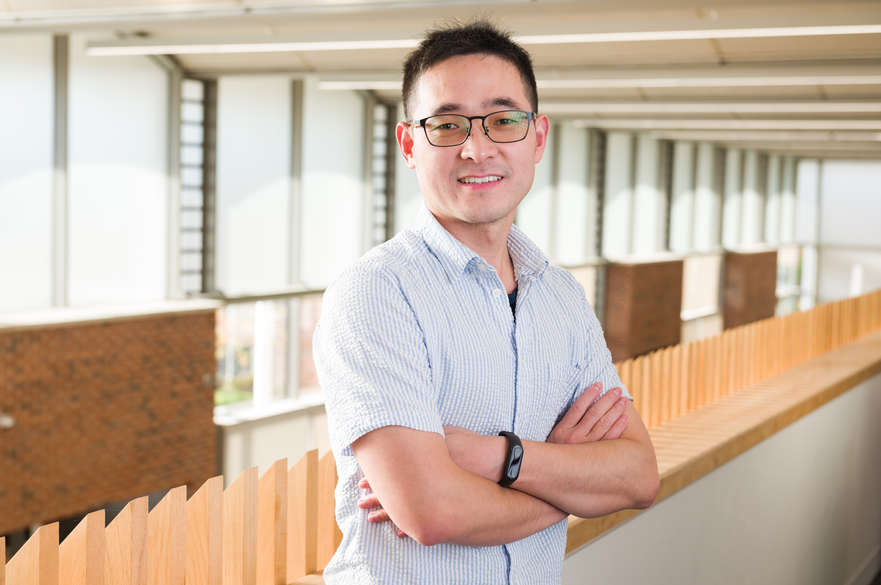
Malcolm KadodwalaView profile
Professor
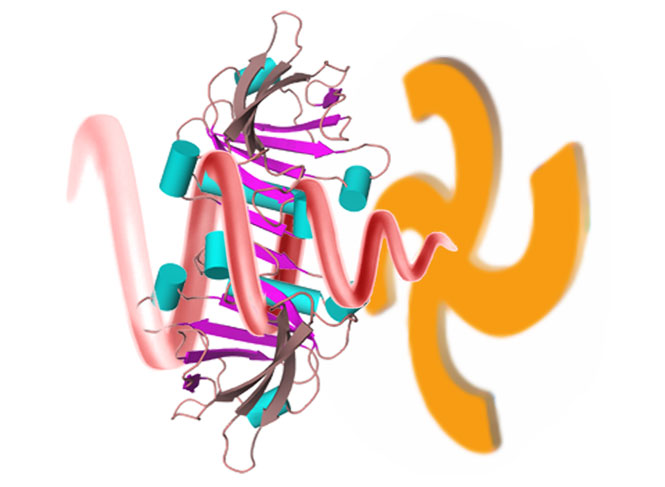
Professor Malcolm Kadodwala holds the Gardiner Chair within the School of Chemistry at the University of Glasgow. His research spans chiral nanophotonics, surface science, and spectroscopy with applications in biomolecular detection and nanomaterials. He maintains an active laboratory producing high-impact publications in top journals including Nature Nanotechnology, ACS Nano, and JACS. PhD from University of Nottingham Gardiner Chair in School of Chemistry Active research group with extensive international collaborations His research interests focus on three interconnected themes: (1) spectroscopic investigations of electronic properties in nanostructured materials; (2) development of electron-based chirally sensitive spectroscopic techniques; and (3) creation of novel chiroptical spectroscopic probes. Current work emphasizes superchiral fields for ultrasensitive biomolecular detection, chiral plasmonics, and nanoscale light-matter interactions. His group has pioneered techniques for detecting protein conformations and viral structures at unprecedented sensitivity levels. Publication trends show consistent high-impact output with 15+ recent articles (2021-2025) in nanophotonics and chiral sensing. His work bridges physics, chemistry, and biology, with strong emphasis on practical biosensing applications. Key journals include Nano Letters, ACS Nano, and Nature Nanotechnology. PhD from University of Nottingham Professor Kadodwala advises multiple PhD students including Calum Jack, Affar Karimullah, and Ryan Tullius. His research has attracted significant funding including an MRC discipline-hopping grant (Ref. G0902256). He maintains active collaborations with institutions worldwide including EPFL, University of Jena, and Heriot-Watt University. His laboratory specializes in chiral plasmonic nanostructures and superchiral field generation, with applications in disposable biosensors and viral detection platforms. Current projects involve nanoscale control of electronic properties using structured light and development of chiral metasurfaces for advanced optical applications.