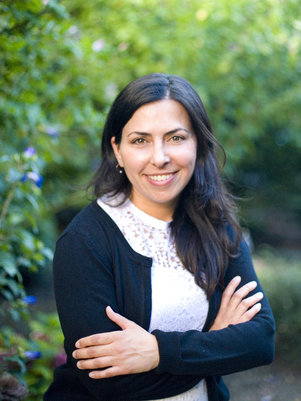
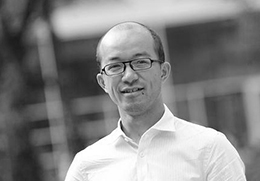
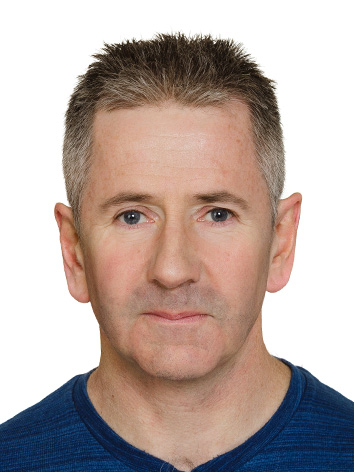
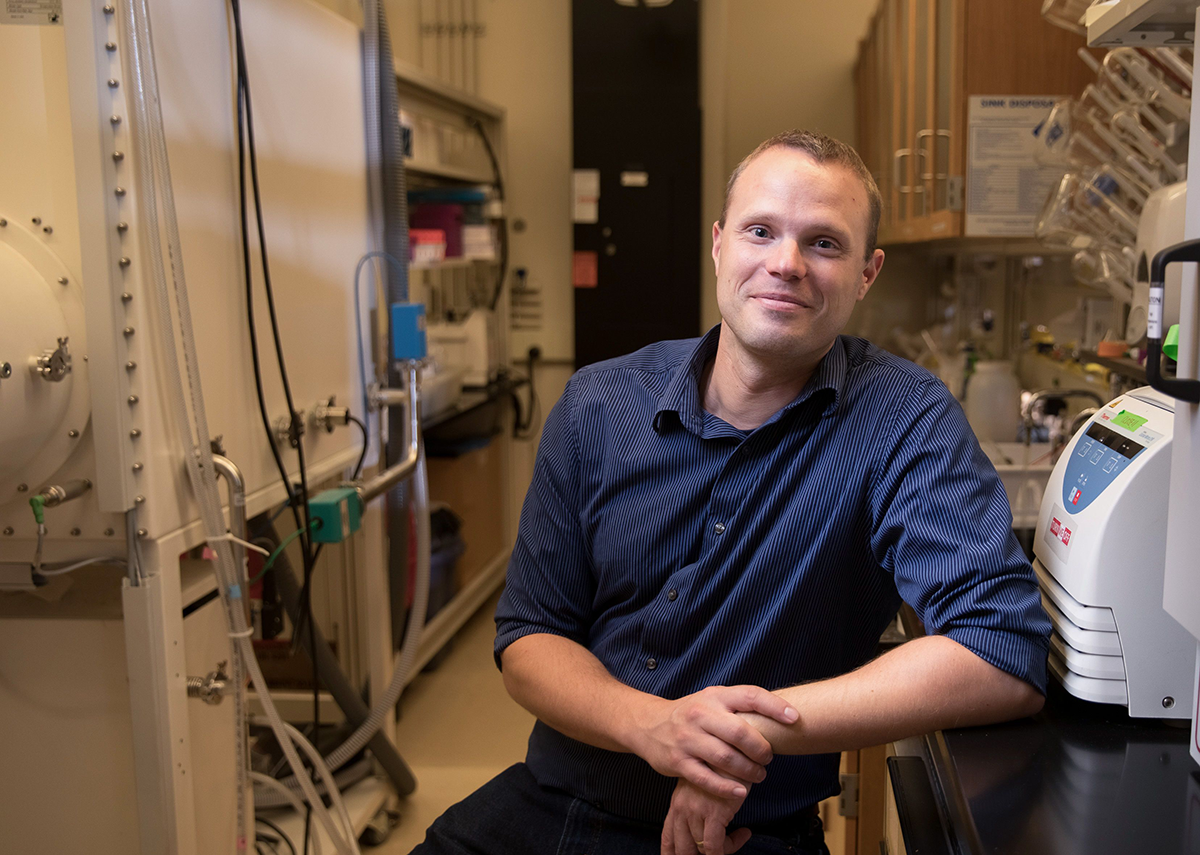
Professor Mohammad FARD is a faculty member at RMIT University's School of Engineering, specializing in Mechanical Engineering and Intelligent Systems. He leads research in autonomous vehicles, crash safety, and driver monitoring using AI. His industry experience includes six years at Nissan Technical Centre, focusing on vehicle body design. He holds a PhD from Tohoku University and has collaborated across Engineering, Health, and Science disciplines, achieving international media coverage for work on driver drowsiness and road safety. Research Interests: Autonomous Vehicles Advanced Crash Safety Driver State Monitoring AI in Noise/Vibration Human Factors/Ergonomics Teaching & Projects: Teaches Advanced CAE, Vehicle NVH, and research supervision in areas like crash simulation and vibration control. Current projects include Formula One safety barriers and driver education for autonomous vehicles. Awards & Labs: No awards listed. Active in cross-disciplinary teams and labs addressing automotive innovation and safety.
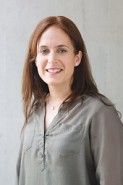
Dr. Haneen Farah is an Associate Professor in the Department of Transport & Planning at Delft University of Technology and co-director of the Traffic and Transportation Safety Lab. She also serves as head of the Traffic Systems Engineering section. Her research focuses on road infrastructure design, road user behavior, and traffic safety, integrating transportation engineering, human factors, and econometrics. Prior to TU Delft, she was a postdoc at KTH Royal Institute of Technology and earned her M.Sc. and Ph.D. in Transportation Engineering from the Technion-Israel Institute of Technology. Her work includes national/international projects like SAMEN (mixed automated/human traffic implications), AfroSAFE (road safety in Africa), and XCARCITY (sustainable city mobility). She teaches undergraduate and graduate courses on road design and traffic safety, including online programs for low/middle-income countries. Farah supervises multiple PhD and Master students in her research areas, contributing to over 50 peer-reviewed publications. Key research themes include infrastructure design for automated vehicles, driver behavior modeling, cyclist safety, and policy implementation of the Safe System approach. Her interdisciplinary approach bridges engineering and psychology to enhance traffic safety and efficiency through advanced analytics and simulation models.
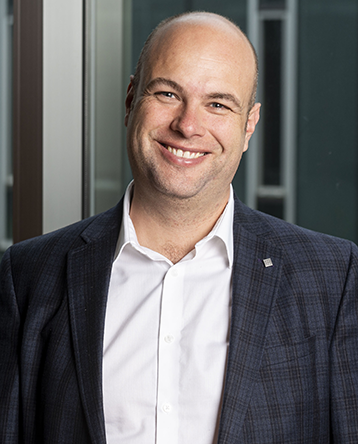
Keir A. Lieber is a Professor at Georgetown University, holding dual appointments in the Edmund A. Walsh School of Foreign Service and the Department of Government. His research focuses on nuclear strategy, deterrence, technology’s role in warfare, and U.S. national security policy. He co-authored The Myth of the Nuclear Revolution and authored War and the Engineers , exploring how political decisions outweigh technological determinism. Lieber’s work appears in International Security , Foreign Affairs , and other leading journals. He has received major fellowships from institutions like the Brookings Institution and the Council on Foreign Relations. Education: Ph.D. and M.A. in Political Science from the University of Chicago; B.A. in Political Science and International Relations from the University of Wisconsin-Madison. A proud alumnus of D.C. public schools, Lieber emphasizes interdisciplinary approaches to security studies. His research interests span nuclear deterrence theory, the impact of emerging technologies on conflict, and the evolution of U.S. defense strategies. Recent work addresses nuclear tripolarity and the challenges of escalation control in modern conflicts. Awards include recognition for his contributions to international relations scholarship and policy analysis. Lieber’s academic contributions include co-editing volumes on realism and advising on national security policy. Grants and fellowships have supported his exploration of topics like cyber warfare and nuclear non-proliferation.
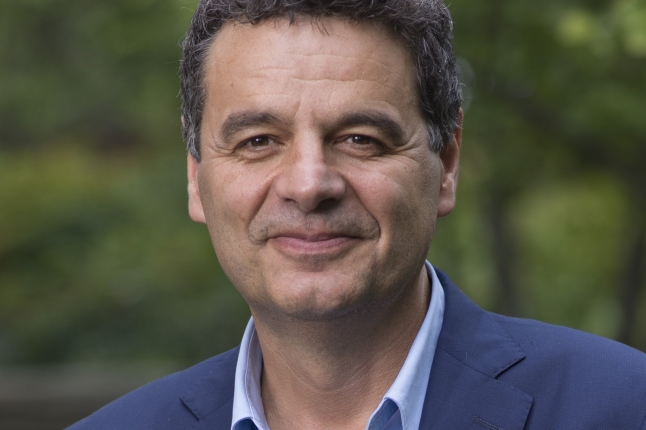
Prof. Gabriela Hug is a Full Professor at ETH Zurich's Department of Information Technology and Electrical Engineering, serving as Deputy Head of the Department and Deputy Head of the Power Systems and High Voltage Lab. She leads the Energy Science Center (ESC) and holds adjunct roles at Carnegie Mellon University. Her research focuses on modeling, control, and optimization of electric power systems for sustainable energy transitions. Education: PhD in Information Technology and Electrical Engineering, ETH Zurich (2004–2008) MSc in Information Technology and Electrical Engineering, ETH Zurich (1999–2004) Research Interests: Her work addresses challenges in smart grid integration, renewable energy systems, and advanced control strategies. Key areas include vehicle-to-grid technologies, distribution network optimization, and energy storage system planning. She emphasizes data-driven approaches and collaborative frameworks for grid resilience and flexibility. Key Achievements: Recipient of the 2019 ALEA Award (ETH Zurich) NSF Career Award (2013) IEEE Outstanding Young Engineer Award (2013) Leadership & Roles: Co-Director, NCCR Automation (Swiss National Centre of Competence in Research) Board Chair, Energy Science Center (ESC) Adjunct Faculty, Carnegie Mellon University Labs & Teams: Power Systems Laboratory (ETH Zurich) Energy Science Center (multi-disciplinary research hub)
Jonathan Winawer is an Associate Professor of Psychology and Neural Science at New York University (NYU). He leads the Winawer Laboratory for Human Visual Perception and Neuroscience, which is affiliated with the NYU Psychology Department, NYU Center for Neural Science, NYU Neuroscience Institute, and collaborates with the NYU Comprehensive Epilepsy Center and Stanford University's Human Intracranial Cognitive Program. Ph.D., Massachusetts Institute of Technology (2007) M.S., City College of the City University of New York (2005) A.B., Columbia University (1995) His research focuses on the biological basis of visual perception, including computational models of the visual pathways using fMRI, EEG, ECoG, and psychophysics. Key areas include: Encoding of visual stimuli in neural pathways Perceptual memory's influence on cognition Neural circuit properties underlying imaging signals Individual differences in visual perception Publications highlight interdisciplinary approaches spanning computational neuroscience, neuroimaging, and psychophysics, with recent work on population receptive fields, spatial frequency tuning, and memory-related cortical dynamics. He has mentored numerous students and postdocs, many of whom have advanced to academic and research roles at institutions like Stanford, Columbia, and the University of Amsterdam. Department of Psychology, NYU Center for Neural Science, NYU Neuroscience Institute, NYU Comprehensive Epilepsy Center, NYU Stanford University collaborations
Sebastian Scherer is an Associate Research Professor at the Robotics Institute (RI), Carnegie Mellon University (CMU), where he leads cutting-edge research in autonomous aerial systems and robotics. His work focuses on enabling unmanned rotorcraft to operate safely and efficiently in cluttered, low-altitude, and extreme environments. Education: Ph.D. in Robotics, Carnegie Mellon University (2010) MS in Robotics, Carnegie Mellon University (2007) BS in Computer Science (Minor in Robotics), Carnegie Mellon University (2004) His research interests span robotics, artificial intelligence, autonomous navigation, obstacle avoidance, SLAM, visual-inertial odometry, energy infrastructure, and public policy . He has made seminal contributions to UAV autonomy, including the first obstacle avoidance for micro aerial vehicles in natural environments (2008) and the first automatic landing zone detection and landing on a full-size helicopter (2010). His recent publications (2023–2025) demonstrate a strong focus on resilient autonomy, multi-robot exploration, foundation models for robotics, and large-scale dataset development. His team has released key datasets like TartanGround , BETTY , and SubT-MRS , and simulation tools like Pegasus Simulator , indicating a systems-level approach to advancing real-world autonomy. The research trends emphasize self-supervised learning, robust perception, risk-aware planning, and multi-modal fusion for off-road and urban environments. Scientific Awards: Popular Science Best of What's New 2010 Award AIAA@Infotech Best Paper Runner-up Award (2010) Siebel Scholar Dr. Scherer has advised numerous students and leads a vibrant research group focused on high-impact robotics applications. He has secured significant grants related to UAV autonomy, energy infrastructure, and urban air mobility. His lab develops experimental infrastructure such as AIrTonomy for testing next-generation autonomous aerial vehicles. He is actively involved in advancing SLAM and localization in extreme environments, notably through participation in the DARPA Subterranean Challenge. His team develops large-scale datasets and benchmarking frameworks to push the boundaries of robustness and generalization in mobile robotics.
Brett Welch is an Assistant Professor and Biostatistician at the University of Houston with dual appointments in the Department of Communication Sciences and Disorders and the Department of Psychological, Health, and Learning Sciences within the College of Liberal Arts and Social Sciences. Dr. Welch's educational background includes: Ph.D. in Communication Science and Disorders from the University of Pittsburgh M.S. in Communication Sciences and Disorders from the University of Texas Rio Grande Valley B.S. in Linguistics from the University of Texas at Austin B.A. in Communication Sciences and Disorders – Speech-Language Pathology from the University of Texas at Austin Dr. Welch's research sits at the intersection of psychology and communication. He seeks to understand how psychological processes like personality and psychopathology influence communication behaviors, and conversely, how communication behaviors impact psycho-social well-being. His work leverages quantitative methods, cross-sectional studies, and intensive longitudinal designs to interrogate the dynamic interplay between psychological processes and voice and communication behaviors. This research aims to advance understanding of functional voice disorders, improve assessment of psychopathology, and promote well-being for people with and without communication disorders. Dr. Welch has received several notable awards: Honors Council of Academic Programs in Communication Sciences and Disorders PhD Scholarship (2024) New Century Scholars Doctoral Scholarship from the American Speech-Language-Hearing Foundation (2023) New Investigator Forum from The Voice Foundation (2021) As an academic, Dr. Welch serves as an ad hoc peer reviewer for various scientific journals in speech-language pathology and psychology. He is also a mentor in the Students to Empowered Professional Mentoring Program and a member of the American Speech-Language-Hearing Association. His teaching includes Special Problems: Introduction to Quantitative Modeling (COMD 8398). Dr. Welch maintains an active research program focused on the intersection of psychology and communication, with particular emphasis on voice disorders and their psychological correlates. His work combines biostatistical approaches with clinical insights to advance understanding in this specialized field.
Allison Ross Eckard, MD is Professor in the Departments of Pediatrics and Medicine at the Medical University of South Carolina (MUSC) College of Medicine, serving as Division Chief for Pediatric Infectious Diseases and Director of MUSC's Ryan White Pediatric HIV Clinic and HIV Transition Clinic. She maintains an adjunct faculty position at Emory University and holds board certification in Pediatrics and Pediatric Infectious Diseases. Her primary research focuses on metabolic, cardiovascular, and nutritional complications of chronic HIV and antiretroviral therapy across age groups, with emphasis on inflammation's role in comorbidities like cardiovascular disease and bone disorders. Current investigations include NIH R01-funded research on interventions for weight gain and abdominal fat in HIV, vitamin D supplementation, and statin therapy. She has published nearly 60 peer-reviewed papers on HIV pathogenesis and treatment optimization. Dr. Eckard co-chairs the DHHS panel for Guidelines for the Prevention and Treatment of Opportunistic Infections in HIV-Exposed and HIV-Infected Children and serves on the DHHS panel for Guidelines for the Use of Antiretroviral Agents in Adults and Adolescents with HIV . Her clinical work specializes in comprehensive HIV care for children through young adults, with particular focus on adolescent/young adult transition issues and global health initiatives through Lespwa Timoun in Haiti. Recent efforts include developing COVID-19 treatment guidelines for children and school safety protocols. HIV Specialist certification (American Academy of HIV Medicine) Fellow, Infectious Diseases Society of America Fellow, Pediatric Infectious Diseases Society Fellow, HIV Medical Association Member, HIV Medical Association's 'Ending the HIV Epidemic' working group She leads MUSC's HIV education initiatives and serves as inpatient consultant for pediatric infectious diseases, with advanced training in tropical medicine. Her NIH-funded research examines targeted interventions to minimize comorbidity development in HIV, while her clinical leadership spans the Ryan White HIV program, transition clinics, and global health partnerships.
Petros Koumoutsakos is the Herbert S. Winokur, Jr. Professor of Computing in Science and Engineering at Harvard University's School of Engineering and Applied Sciences (SEAS), where he also serves as Area Chair for Applied Mathematics. His research integrates machine learning with computational science to advance understanding of complex systems, including fluid dynamics, turbulence modeling, and biomedical applications. He leads the CSE Lab, focusing on high-performance computing and interdisciplinary collaborations such as a recent study with Citadel Securities and Google Cloud to simulate heart disease in cloud environments. Key research interests include reinforcement learning for turbulence closures, generative models for PDE solutions, and physics-informed AI for biomedical imaging and wildfire prediction. He was awarded the PRACE HPC Excellence Award (2023) for contributions to high-performance computing. His work bridges computational methods with real-world applications, emphasizing interpretability and scalability in multiscale systems. Grants & Collaborations: Leadership in multi-institutional projects, including turbulence modeling via reinforcement learning and cloud-based HPC studies. Labs/Teams: Director of the CSE Lab, advancing AI, computational fluid dynamics, and biomedical simulations.
Dr. Praneet Prakash is a Researcher in the Department of Applied Mathematics and Theoretical Physics at the University of Cambridge, working under Prof. Raymond Goldstein. His research focuses on interdisciplinary approaches combining microfluidics, microscopy, and theoretical physics to study biological systems. Key areas include microbial motility, active matter dynamics, and the interplay between physics and living systems. He utilizes experimental techniques such as microfluidics and advanced microscopy to investigate phenomena like bacterial swimming, nutrient exchange in microbial communities, and growth oscillations in filamentous fungi. His work bridges Soft Matter Physics, Statistical Mechanics, and Biophysics, with applications ranging from understanding microorganism behavior to developing biosensor technologies. Recent studies explore phototactic algae behavior, ciliary surface interactions in animalcules, and adaptive motility in marine microorganisms. Publications highlight contributions to microbial ecology, active matter systems, and biophysical modeling. While no formal awards are listed, his research has been published in high-impact journals like Journal of the Royal Society Interface and Physical Review Fluids . He is affiliated with the Biological Physics and Mechanics research group and maintains an active presence on academic platforms like Twitter and LinkedIn.
Ting Lu is an Associate Professor at the University of Illinois at Urbana-Champaign in the School of Biomedical and Translational Sciences, focusing on microbial synthetic biology and systems biology. Their research bridges biology, engineering, and physics to reprogram cellular functionalities through gene regulatory networks. Ph.D. in Biophysics, University of California at San Diego (2007) B.S. in Physics, Zhejiang University (2002) Ting Lu's work explores microbial ecosystems, synthetic gene circuits, and their applications in biotechnology and medicine. By combining experimental approaches with mathematical modeling, they investigate bacterial communication networks, metabolic pathways, and spatial dynamics in microbial communities. Selected research trends include microbial consortia engineering for bioremediation and bioproduction, complexity reduction in microbiomes, and predictive modeling of synthetic gene networks. Their publications span high-impact journals such as Nature Communications , Nature Chemical Biology , and eLife . Fellow, American Institute for Medical and Biological Engineering (2022) Future Insight Prize (2021) Donald Biggar Willett Faculty Scholar (UIUC) (2020) NIH Maximizing Investigators' Research Award (2019) NSF CAREER Award (2015) AHA National Scientist Development Grant (2012) Ting Lu's lab has received grants from NIH, NSF, ONR, and industry partners. They offer undergraduate research opportunities in synthetic and systems biology, and teach advanced courses such as BIOE 430 - Intro Synthetic Biology and BIOE 432 - Systems Biology .
Changxi Zheng is an Associate Professor in the Department of Computer Science at Columbia University's School of Engineering and Applied Science (SEAS). He directs Columbia's Computer Graphics Group (C2G2) within the Columbia Vision and Graphics Center (CVGC). After receiving his PhD from Cornell University, he joined the faculty of Computer Science Department at Columbia, where he has established himself as a leading researcher in computer graphics and scientific computing. Dr. Zheng's research spans multiple areas of applied computer science with a particular focus on computer graphics and scientific computing. His work centers around developing numerical models for simulating physical phenomena involving complex motions such as fluids, bubbles, and thin rods, along with their resulting acoustic waves. Leveraging computational insights from these models, he devises methods for improving tangible object creation, enabling novel human-computer interactions, and developing software tools for acoustic and photonic devices. His research has attracted significant public interest and media coverage, including projects like FontCode, AirCode, and Computational Metallophone Design. His recent publications reveal a strong interdisciplinary approach, bridging computer graphics, physics simulation, machine learning, and hardware design. His work demonstrates consistent innovation in computational methods for simulating physical phenomena and applying these techniques to practical problems in 3D printing, acoustic modeling, and interactive systems. The breadth of his research spans from fundamental physics-based simulations to practical applications in industry. Columbia SEAS Dean's Fellow (for advised students) NSF Graduate Research Fellow (for Ruilin Xu) Snap Research Fellow (for Rundi Wu) CKGSB Fellow (for Yun Fei) Adobe Research Fellow (for Gabriel Cirio) Marie Sklodowska-Curie Individual Fellow (for Rundi Wu) Best Paper Award at ACM International Conference on Multimedia (ACMMM), 2019 Dr. Zheng actively mentors a diverse group of students, including current PhD candidates and postdoctoral researchers. His research group has received support from various sources that enable their innovative work in computational graphics and physics-based simulation. He has supervised numerous successful students who have gone on to positions at leading technology companies including Adobe, Tencent, Facebook, and academic institutions. As director of Columbia's Computer Graphics Group (C2G2) within the Columbia Vision and Graphics Center (CVGC), Dr. Zheng leads a vibrant research team focused on advancing the state of the art in computer graphics, physics-based simulation, and their applications. The group maintains strong collaborations with industry partners and academic institutions worldwide, fostering an environment of innovation and practical application of theoretical concepts.
Michael O'Boyle is a Professor at the University of Edinburgh's School of Informatics, where he serves as Director of the ARM Research Centre of Excellence and the EPSRC Centre for Doctoral Training in Pervasive Parallelism. Holding an EPSRC Established Career Research Fellowship, he leads pioneering work in compiler technology for heterogeneous architectures, bridging theoretical advances with practical high-performance computing applications. Professor O'Boyle's research spans multiple cutting-edge areas including heterogeneous code discovery and optimization, neural machine translation for program synthesis, deep neural network system stack optimization, software-defined hardware, and compiler/architecture co-design. His approach integrates constraint analysis, program synthesis, and machine learning to address complex challenges in high-performance computing across diverse hardware platforms. His recent publications reveal a strong trend toward integrating machine learning with traditional compiler techniques, particularly in neural program synthesis, tensor optimization, and architecture-aware compilation. This work represents a paradigm shift in compiler design, moving from rule-based systems to learning-based approaches that can automatically adapt to diverse hardware targets. IEEE/ACM CGO 2025 Distinguished Paper Award for 'Tensorize: Fast Synthesis of Tensor Programs from Legacy Code' IEEE/ACM CGO 2024 Test of Time Award ACM GPCE 2023 Best Paper Award for 'C2TACO: Lifting Tensor Code to TACOM' ACM ASPLOS 2021 Distinguished Paper Award IEEE HPCA 2021 Best Paper Award for 'Prodigy: Improving the Memory Latency of Data-Indirect Irregular Workloads' Professor O'Boyle has successfully mentored numerous PhD students who have secured prominent positions in academia (including at Cambridge, Edinburgh, Leeds, and McGill) and industry (including Meta, NVIDIA, Qualcomm, Huawei, and Microsoft). His research is supported by significant funding from EPSRC, ARM, and European projects including Bonseyes and Transmuter, demonstrating strong international recognition and industry impact. He leads the influential Compiler and Architecture Design (CArD) Group at the University of Edinburgh and is a founder of the HiPEAC Network of Excellence, which has grown into a major European initiative connecting researchers and practitioners in high-performance and embedded computing.
Dr. Yi-Feng Chen is a Research Assistant Professor and Master's Supervisor in the Department of Biomedical Engineering at the Southern University of Science and Technology (SUSTech) in Shenzhen, China. He joined SUSTech as a postdoctoral fellow in November 2020 and was promoted to Research Assistant Professor in February 2023. His academic journey includes interdisciplinary training across engineering, neuroscience, and biomedical applications. Dr. Chen's educational background includes: Ph.D. in Engineering from Wuhan University of Technology (2014-2017), supervised by Professor Quan Liu M.Sc. from Wuhan University of Technology (2011-2014), supervised by Professor Zhou Zude B.Sc. from Wuhan University of Technology (2007-2011) He also participated in exchange programs at Yuan Ze University in Taiwan (2012) and the University of Auckland in New Zealand (2015). Dr. Chen's research spans the intersection of biomedical engineering, neuroscience, and artificial intelligence, with particular focus on brain-computer interfaces and rehabilitation technologies. His work combines advanced signal processing techniques with clinical applications, especially in decoding neural signals for movement intention and monitoring brain states during anesthesia. His research has significant implications for neurorehabilitation, assistive technologies, and intraoperative neurophysiological monitoring. His recent publications demonstrate a clear trajectory toward increasingly sophisticated neural decoding techniques, with a focus on coordinated limb movements and practical rehabilitation applications. The work shows progression from basic EEG signal processing to complex bimanual movement decoding and robot-assisted rehabilitation systems, reflecting a translational research approach from basic science to clinical applications. Dr. Chen has secured significant research funding as principal investigator and core contributor on multiple projects: National Natural Science Foundation of China Youth Science Fund Project (2024-2026) Guangdong Natural Science Foundation General Project (2024-2026) Ministry of Science and Technology National Key R&D Program Project (2023-2026) Shenzhen Science and Technology Innovation Commission Key Project (2022-2025) As a Master's Supervisor, Dr. Chen mentors graduate students in biomedical engineering with focus on neural engineering and rehabilitation robotics. His laboratory collaborates closely with clinical partners to ensure research relevance to real-world medical challenges, particularly in neurorehabilitation and intraoperative monitoring.
Bradley D. Olsen is a full professor in the Department of Chemical Engineering at the Massachusetts Institute of Technology (MIT), where he leads research at the intersection of polymer science, soft matter physics, and bioengineering. His work focuses on designing materials for critical applications in biotechnology, hemostasis, and sustainable polymer development while advancing fundamental understanding of polymer network mechanics and self-assembly. Education: Ph.D. in Chemical Engineering, University of California Berkeley (2007) S.B. in Chemical Engineering, Massachusetts Institute of Technology (2003) Olsen's research spans protein-based materials, block copolymer phase behavior, and mechanochemical hydrogels. He has pioneered methods for quantifying polymer network topology, developing hemostatic nanoparticles, and creating bio-inspired materials for selective biomolecular transport and medical applications. His recent publications emphasize data-driven approaches to polymer characterization and educational outreach in materials science. Scientific Awards: American Physical Society (APS) Fellow (2023) Fulbright Amazonia Scholar (2023) Alexander and I. Michael Kasser Chair in Chemical Engineering (2021) ACS Macro Letters Young Investigator Award (2021) MIT Committed to Caring Honor (2019) AIChE Owens Corning Early Career Award (2019) APS Dillon Medal (2018) Kavli Emerging Leader in Chemistry (2017) ACS Polymer Division Fellow (2016) Camille Dreyfus-Teacher Scholar (2015) Alfred P. Sloan Research Fellow (2014) NSF Career Grant (2013) NIH Postdoctoral Fellowship (2008-2009) Hertz Fellow (2003-2007) Barry M. Goldwater Scholarship (2002) Olsen has received significant grant support including NSF Career (2013) and AFOSR (2012) awards. His teaching activities include innovative international outreach like the 2025 soccer-themed science camp in Brazil. The Olsen Group at MIT explores advanced materials with applications ranging from trauma care to sustainable polymers.