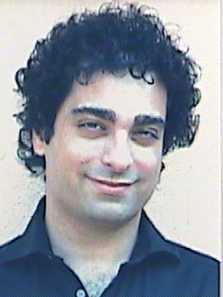
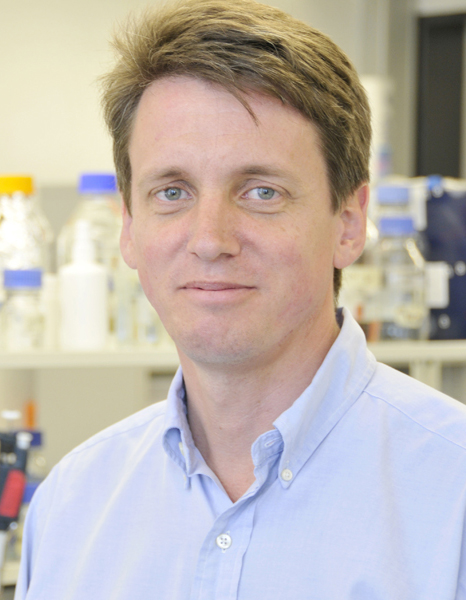
About
Dr. Anand Sharma is a Researcher at ETH Zürich, affiliated with the Professorship for Translational Nutrition Biology. He holds a PhD from CSIR-CCMB India, where he studied biochemical properties of calcium sensor proteins, particularly focusing on Secretagogin (SCGN) and its role in insulin stability and signaling. Since joining the Translational Nutrition Biology (TNB) group in May 2019, his research has centered on exploring the biological utility of futile cycles, with current emphasis on the 'Futile Lipid Cycle' and its physiological role in regulating core body temperature via non-shivering thermogenesis. His work bridges fundamental biochemistry with translational applications in metabolic health.
Education: Anand completed his PhD at the Centre for Cellular and Molecular Biology (CSIR-CCMB), India. His doctoral research explored calcium sensor proteins, including SCGN's biochemical properties and interactions. Prior to his PhD, his academic background likely included advanced degrees in biochemistry or molecular biology, though specific details are not explicitly provided.
Research Interests: His areas of focus include calcium sensor proteins, insulin signaling pathways, futile cycles (both lipid and creatine), adipocyte biology, mitochondrial fatty acid utilization, and the physiological mechanisms of thermogenesis. He investigates how these processes contribute to metabolic regulation and their implications for conditions like obesity and diabetes.
Advising & Grants: No formal advisees or grant details are listed, though his research contributions align with funding priorities in metabolic biology and translational medicine. He actively collaborates with the TNB group and other interdisciplinary teams at ETH Zürich.
Labs/Teams: He is part of the Translational Nutrition Biology research group at ETH Zürich, contributing to studies on metabolic pathways and their therapeutic applications. His work leverages cutting-edge techniques like single-nucleus transcriptomics and functional cell line development to dissect adipocyte heterogeneity and futile cycle dynamics.