About
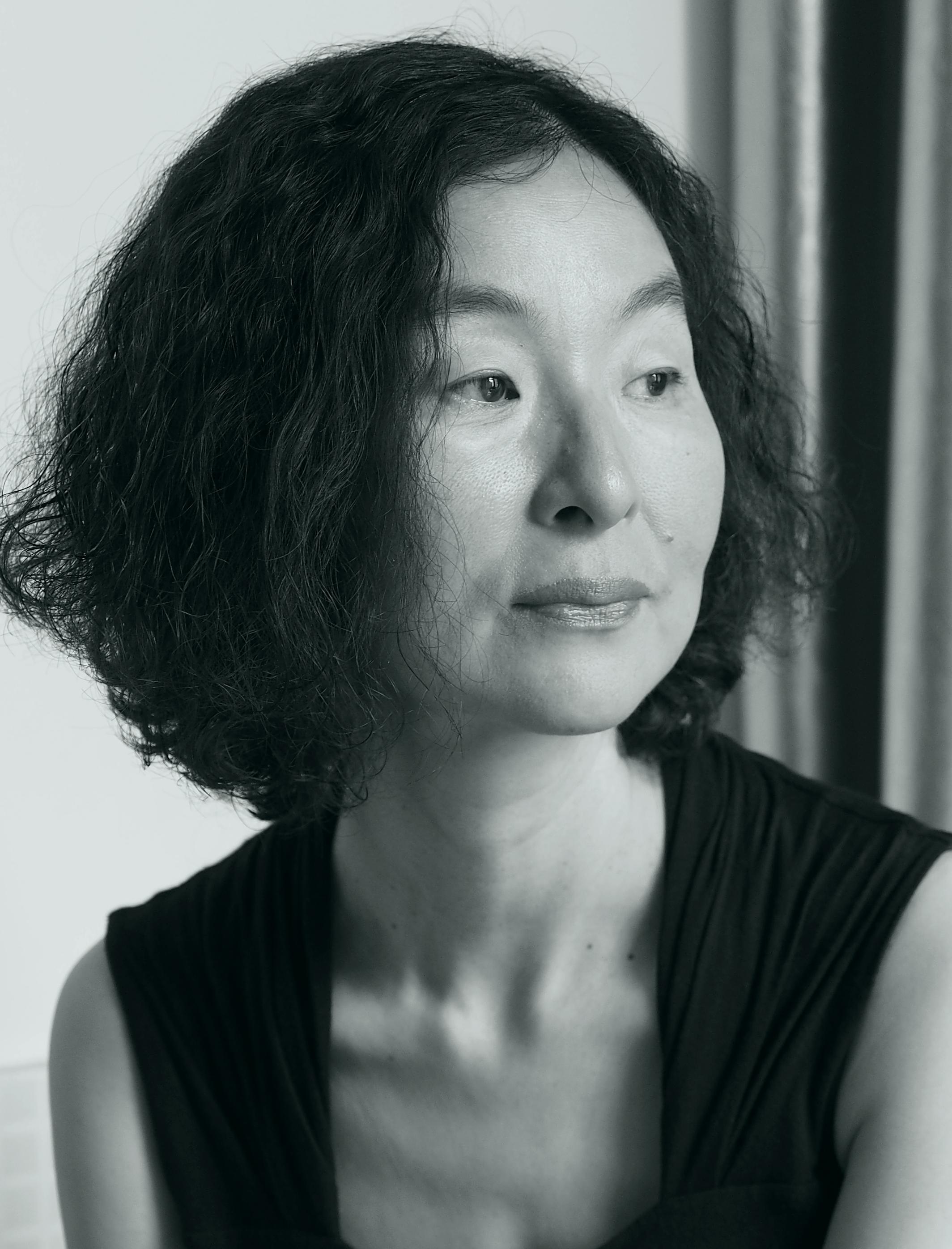
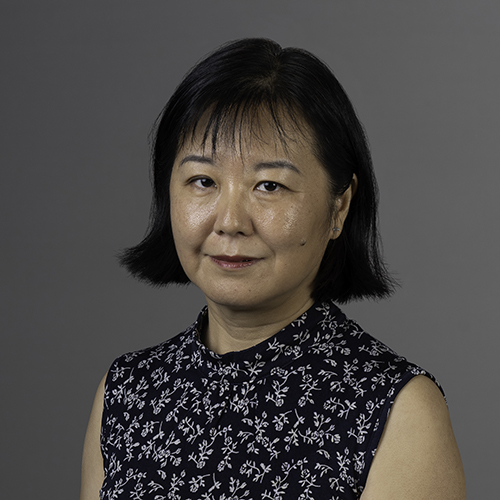
Aihua Zhang is an Assistant Professor of History in the Department of History within the School of Social Sciences at Gardner-Webb University. She previously served as a Visiting Assistant Professor at Stockton University, New Jersey, before joining her current institution.
Her research focuses on Modern China, women and gender, East Asian history, social activism, and transnationalism. She has published extensively on gendered modernity and women's cultural practices in 20th-century China. Her work explores how Chinese women negotiated tradition and modernity, particularly through leisure and social organizations such as the YWCA. Her interdisciplinary approach bridges history, gender studies, and cultural analysis.
The published articles reflect a consistent focus on women’s agency in shaping modern Chinese society, particularly in urban contexts. Themes include cultural modernity, gender identity, leisure practices, and transnational influences. Her scholarship often combines archival research with cultural theory to analyze how women contributed to social transformation in China during the Republican and contemporary periods.
Her scholarly recognition includes a monograph titled The Beijing Young Women’s Christian Association, 1927-1937: Materializing a Gendered Modernity (Lexington Books, 2021), which is the first book-length study on the YWCA in a Chinese city. She also contributed a chapter to the edited volume Christianity and the Modern Woman in East Asia (Brill). While no formal awards are listed, her publications in peer-reviewed journals such as Women’s History Review and World Leisure Journal indicate strong academic standing.
Dr. Zhang advises students in historical research and gender studies, though no specific advisees are listed. She has not mentioned external grants in the provided text, but her publication record suggests active research engagement. She teaches courses including Pre-modern Chinese History, Modern China, Chinese Culture, Revolution/Democracy in East Asia, East Asian Traditions and Culture, World Civilizations, and Histories of Feminism, reflecting a broad yet focused curriculum in East Asian and global history.
There is no mention of a research lab or formal team, but her work appears to be part of broader scholarly networks in gender and East Asian studies. She may collaborate informally with scholars in transnational feminist history and modern Chinese studies.