معرفی
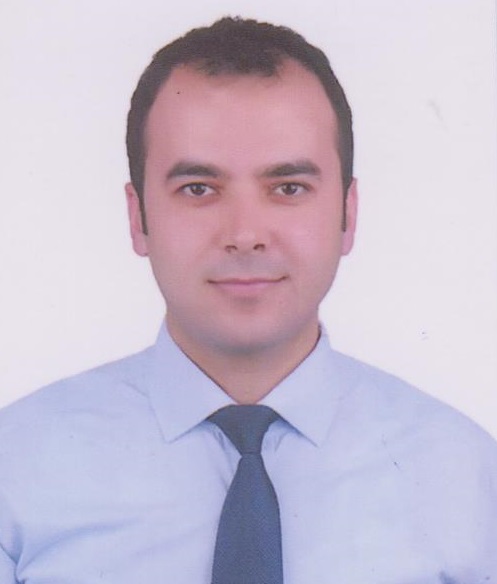
Ömer Bayrak is a Professor of Urology at Gaziantep University Faculty of Medicine, Turkey. He has been serving in the Department of Surgical Medicine, specifically in Urology, since 2011, progressing from Assistant Professor to Associate Professor in 2016, and finally to Professor in 2021. His academic career is centered on urological research and clinical practice with a specialization in neurourology and urinary incontinence.
Education:
- Medical Specialization (2004-2010): Gaziantep University Faculty of Medicine
- Medical License (1998-2004): Gazi University Faculty of Medicine
Dr. Bayrak's primary research focuses on neurourology, urinary incontinence, neurogenic bladder, and urodynamics. His work extensively covers the diagnosis and treatment of urinary incontinence, particularly post-prostatectomy incontinence. He has contributed significantly to understanding neurogenic bladder dysfunction and developing treatment protocols for various urological conditions. His expertise also extends to laparoscopic urology, prostate cancer, and renal cancer research. With over 100 publications and 32 book chapters, he has established himself as a leading authority in Turkish urology, particularly in the fields of urinary incontinence and neurourology.
His recent publications demonstrate a strong focus on clinical urology research, particularly in urinary incontinence, neurogenic bladder, and prostate conditions. There's a noticeable trend toward evaluating new diagnostic methods, treatment efficacy, and the application of technology in urology, including AI applications for patient information and educational content. His work bridges clinical practice with academic research, often addressing practical challenges faced by urologists in Turkey and globally.
Dr. Bayrak has served as a co-author on numerous collaborative studies, working extensively with colleagues at Gaziantep University and other national institutions. His research spans multiple urological subspecialties with a particular emphasis on practical clinical applications. While specific grant information isn't detailed in the available data, his extensive publication record suggests substantial research activity and collaboration within the Turkish urological community.