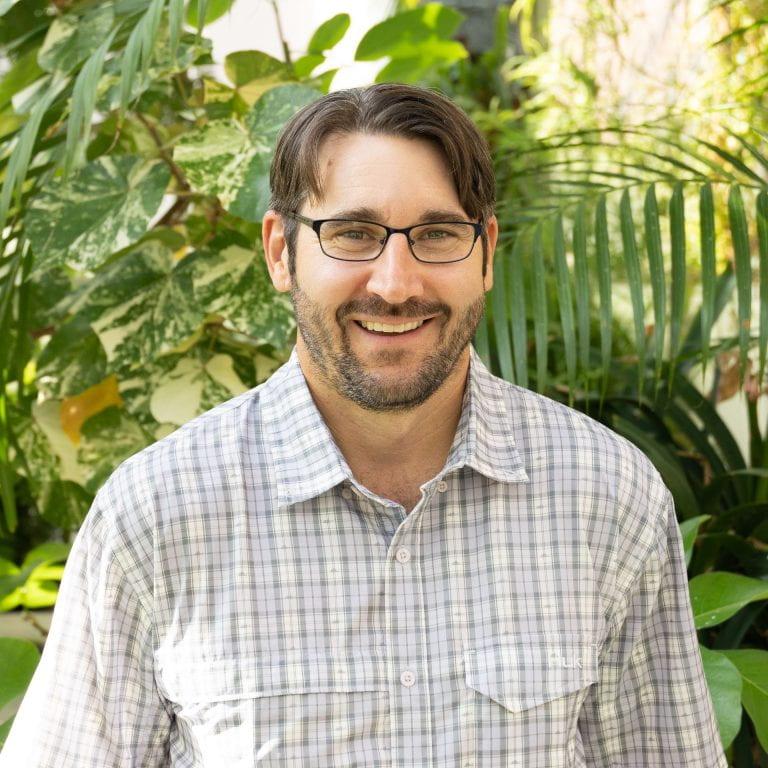
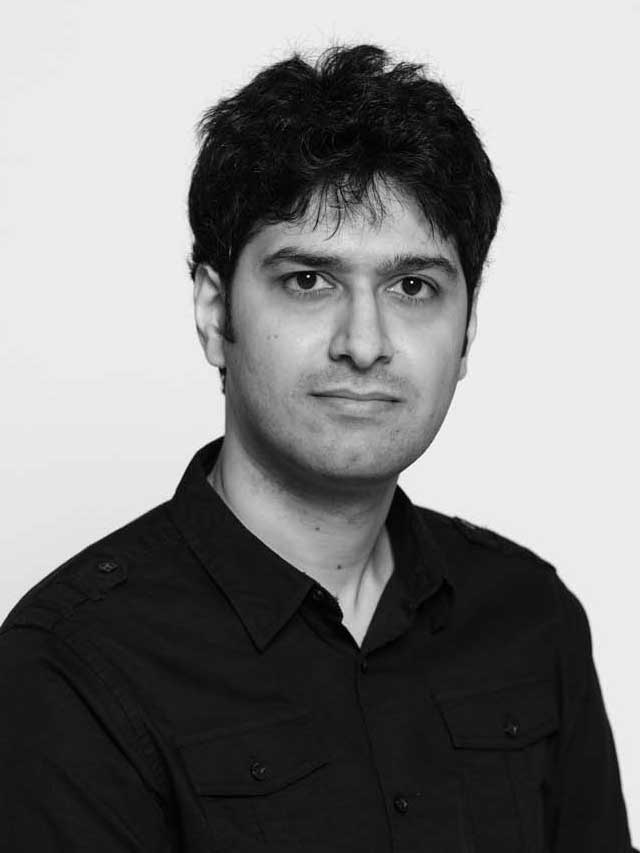
Chi Ting is an Assistant Professor of Chemistry at Brandeis University , focusing on organic synthesis and biosynthesis of natural products. Their work bridges chemical synthesis and biosynthetic pathway exploration to advance therapeutic discovery. Education : Ph.D. from University of California, Berkeley; B.S. from University of Illinois at Urbana-Champaign. Research Interests include: Concise total syntheses of complex natural products Development of novel organic reactions (e.g., chemoselective peptide functionalization) Investigation of biosynthetic mechanisms via genome mining Exploration of SAM-dependent enzymes and domain-of-unknown-function (DUF692) pathways Article Trends emphasize total synthesis (e.g., podophyllotoxin, hyperforin, RiPPs) and biosynthetic studies, with keywords spanning organic methodology, enzymatic transformations, and medicinal chemistry. Scientific Awards : Brandeis Career Hero 2022 NSF CAREER (2024-2029) Thieme Chemistry Award 2024 Grants include the NSF CAREER award for synthetic and biosynthetic research. Their lab (Edison-Lecks Science Building, Room 322) investigates chemical and enzymatic strategies for accessing therapeutic natural products.
Brian D. Gregory is a Professor of Biology at the University of Pennsylvania's School of Arts & Sciences. His research focuses on RNA modifications, computational biology, and plant genetics, particularly studying how RNA modifications regulate gene expression in plants and animals. He holds a Ph.D. from Harvard University (2005) and a B.S.A. from the University of Arizona (2000). Research Interests: RNA epitranscriptomics (e.g., m6A, NAD+ caps) RNA secondary structure and protein interactions Genomic approaches to study plant stress responses Development of high-throughput sequencing tools like PIP-seq Recent Work Highlights: Recent studies include analyzing pathogen-induced RNA modifications' role in plant immunity (Plant Cell 2023), global RNA structure/protein interaction mapping, and epitranscriptomic dynamics in drought tolerance. His lab's work bridges computational methods with molecular genetics to uncover post-transcriptional regulatory mechanisms. Lab & Collaborations: The Gregory Lab uses Arabidopsis thaliana as a primary model organism but also explores animal systems. They collaborate with institutions like Cornell University and have developed protocols published in Current Protocols in Molecular Biology. Teaching: BIOL 4231: Genome Sciences and Genomic Medicine BIOL 6010: Communication for Biologists
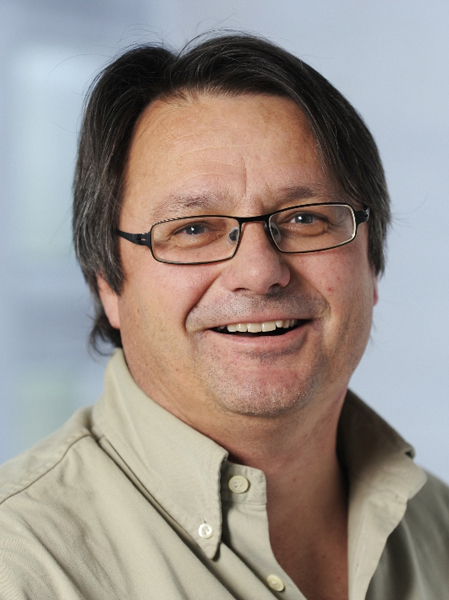
Susanne Bornelöv is a Professor in the Department of Biochemistry at the University of Cambridge. Her research focuses on computational genomics and gene regulation, particularly exploring posttranscriptional mechanisms such as codon optimality-mediated mRNA decay and transposon silencing. She uses computational methods, ribosome profiling, and Drosophila models to study how codon usage, tRNA availability, and RNA modifications influence gene regulation and genome evolution. Her work integrates artificial intelligence (AI) and comparative genomics to model gene regulatory processes and design novel regulatory elements. Key research areas include piRNA clusters' roles in suppressing retroviruses, codon usage bias in pluripotent stem cells, and the interplay between mRNA methylation and protein synthesis. The Bornelöv Group collaborates widely, including with institutions like Cold Spring Harbor Laboratory, to advance understanding of fundamental gene expression principles. Publications highlight contributions to topics like deep learning in genomics, evolutionary conserved piRNA mechanisms, and transcriptional regulation. She leads a group open to interns, students, and researchers, fostering interdisciplinary approaches to address complex biological questions.
Derek S. Tan is a Professor in the Department of Biochemistry and Biophysics at Weill Cornell Medical College, holding a Tri-Institutional Professor position effective from 2025. His research integrates chemical synthesis with biological applications, focusing on drug discovery, enzyme mechanisms, and therapeutic engineering. He maintains an active research program with continuous NIH funding. Education: Ph.D., Harvard University (2000) B.S., Stanford University (1995) Research Focus: Professor Tan's work spans chemical biology, medicinal chemistry, and microbiology. He designs bioactive molecules targeting bacterial permeability, enzyme inhibition, and cellular therapeutics. Key areas include ubiquitin pathway biochemistry, antibiotic development against Mycobacterium tuberculosis and Plasmodium falciparum , and engineered T-cell therapies for cancer. His interdisciplinary approach bridges synthetic chemistry with translational applications. Publication Trends: Recent articles (2021-2024) demonstrate three primary themes: 1) Development of mechanistic probes for enzyme systems (ubiquitin pathway, aminoacyl-tRNA synthetases), 2) Antibacterial/antiparasitic agent design leveraging bacterial permeability studies, and 3) Cellular engineering strategies including CAR-T micropharmacies for targeted drug activation. The work consistently combines synthetic chemistry innovation with biological validation. Grants: As Principal Investigator of the Tri-institutional PhD Program in Chemical Biology (NIH/NIGMS funded), he leads initiatives spanning 2020-2025 and 2025-2030. This underscores sustained commitment to interdisciplinary training at the chemistry-biology interface.
John Prensner is an Assistant Professor in the Department of Pediatrics - Hematology Oncology at the University of Michigan. He is a physician-scientist and pediatric hematologist/oncologist specializing in childhood brain tumors, particularly medulloblastoma and diffuse intrinsic pontine glioma. Education: Tufts University (BS 2005), University of Michigan (MD/PhD 2014) Clinical training: Boston Combined Residency, Boston Children's Hospital/Dana-Farber Cancer Institute fellowship Postdoctoral research: Broad Institute of MIT and Harvard His research focuses on: Molecular mechanisms of childhood brain cancers Synthetic lethality in cancer genomics Metabolic dependencies in Group-3 medulloblastoma Non-canonical RNA translation and microproteins in oncogenesis CRISPR screening for therapeutic targets Recent work highlights PELO as a synthetic lethal target in 5% of adult cancers and metabolic vulnerabilities in medulloblastoma, including cuproptosis mechanisms. Collaborations include: @LyssiotisLab (metabolism) @vennetilab @CancerDepMap Carl Koschmann Paul Northcott Deepak Nagrath
Wenshe Liu is the Harry E. Bovay, Jr. Endowed Chair in Chemistry and Professor at Texas A&M University, affiliated with the Department of Biochemistry & Biophysics and the Institute of Biosciences & Technology. His research integrates chemical biology, organic chemistry, and molecular biology to develop novel therapeutics targeting cancer and viral pathogens like SARS-CoV-2. Key techniques include genetic code expansion (via pyrrolysyl-tRNA synthetase systems), phage display with noncanonical peptides, and epigenetic histone modification studies. Education: B.S. (Peking University, 2000), Ph.D. (UC Davis, 2005), Postdoc (Scripps Research Institute, 2007). Awards include the Presidential Impact Fellow, Gradipore Chair in Chemistry, and ACS Chemical Biology Most Prolific Author (2017). Research focuses on: (1) SARS-CoV-2 drug discovery targeting Spike protein, 3CLpro, and PLpro; (2) genetic code expansion for ncAA incorporation (over 80 ncAAs developed); (3) epigenetic histone modification studies using site-specific acylation/methylation; (4) phage-displayed cyclic peptide libraries for drug discovery. Current projects include PROTAC development for epigenetic regulators and chemo-genetic switches for CAR T-cell therapy safety. Publications highlight high-impact work in Nature , Journal of the American Chemical Society , and Nature Communications , with over 150 articles. The lab operates across Texas A&M campuses in College Station and Houston, emphasizing translational research in immunotherapy and antiviral strategies.
Matthias Peter is a Professor of Biochemistry at ETH Zurich, leading research into mechanisms governing cell growth and division. His laboratory focuses on ubiquitin-dependent regulation of DNA replication and mitosis, and autophagy's role in cellular quality control. He chairs the Department of Biology (2011-2015) and holds leadership roles in Switzerland's research infrastructure, including Vice Chair of ScopeM's microscopy platform. His academic career includes roles at ISREC (1996-2002) and postdoctoral training at UCSF (1991-1996). Education: PhD in Biochemistry from ISREC (1991), ETH Zurich diploma in Gene Technology (1987). Research interests span molecular mechanisms of cell division, ubiquitin systems, and autophagy. Awards include ERC Advanced Grant (2011) and UBS Excellence in Research (2002). Leadership: Member of Swiss National Research Council, SNF selection committee, and SWTR council. Over 20 years of committee service in national research programs. His lab's work is published in top journals like Science, Nature, and Molecular Cell.
Zhipeng Lu is currently an Associate Professor of Pharmacology and Pharmaceutical Sciences at the University of Southern California (USC) School of Pharmacy. His research focuses on understanding RNA molecules and their structural complexity as a second layer of genetic instructions beyond protein encoding. He directs the Lu Lab at USC, which develops and applies novel technologies to investigate RNA structures, interactions, chemical modifications, and functions in cellular processes and animal development. Dr. Lu's research interests center on "RNA machines" in living cells, with particular emphasis on how RNA molecules fold into structures and form intermolecular interactions to execute genetic instructions. His work spans multiple dimensions of RNA biology, including RNA structure-function relationships, RNA-protein interactions, RNA modifications, and the role of RNA in human diseases such as genetic disorders and viral infections. The lab combines computational, chemical, and biological approaches to elucidate fundamental mechanisms of RNA machines, with the ultimate goal of developing new understanding and therapies targeting human diseases. Analysis of Dr. Lu's publication history reveals a strong trajectory in RNA structure and interaction mapping technologies. His work has evolved from foundational studies on RNA processing and modification to developing innovative high-throughput methods like PARIS and RISE for analyzing RNA interactomes. Recent publications focus on specific RNA systems like XIST and snoRNAs, demonstrating how his lab has moved from method development to applying these tools to solve longstanding biological questions in epigenetics and RNA therapeutics. Dr. Lu has received numerous prestigious awards recognizing his contributions to RNA research: NHGRI K99/R00 NIH Pathway to Independence Award (2017-2022) RNA Society Scaringe Award (2017) Stanford University Jump Start Award for Excellence in Research (2016-2017) Damon Runyon-Sohn Fellowship (2015-2017) His research is supported by multiple funding sources from organizations including the National Institutes of Health and other foundations. The Lu Lab is actively recruiting PhD students and postdoctoral researchers to work on several cutting-edge directions including RNA structures, interaction networks, RNA modification mechanisms, and their roles in development and disease. The lab integrates biological, chemical, and computational approaches to advance RNA biology and push forward RNA medicine. The Lu Lab at USC is a dynamic research environment focused on "RNA machines" with recent highlights including solving aspects of the orphan snoRNA problem and discovering snoRNAs that control eMet tRNA activity. The lab's vision emphasizes creative exploration of RNA biology, with researchers encouraged to pursue innovative ideas much like "wild animals running in the African savannah." Current research directions include analysis of RNA structures, interaction networks, RNA modification mechanisms, and their roles in development and disease, with applications to genetic disorders, cancers, and viral infections.
Nediljko Budisa is a Professor and Tier 1 Canada Research Chair in Chemical Synthetic Biology and Xenobiology at the University of Manitoba's Faculty of Science, Department of Chemistry. His research program focuses on expanding the fundamental biochemical capabilities of living systems through genetic code engineering and synthetic biology approaches. Dr. Budisa's research spans multiple cutting-edge areas in synthetic biology, with particular emphasis on genetic code expansion , non-canonical amino acid incorporation , and protein engineering . His laboratory employs both classical biochemical techniques and advanced computational methods to develop orthogonal translation systems, engineer novel enzymes, and create synthetic cells with expanded biochemical repertoires. His work bridges chemistry, biology, and engineering to address fundamental questions about life processes while developing practical applications in biotechnology and medicine. Analysis of Dr. Budisa's publication record reveals a consistent trajectory of innovation in genetic code engineering, with recent work increasingly integrating machine learning approaches for protein design. His research spans from fundamental studies of protein structure-function relationships to applied research in metabolic engineering and antiviral strategies, demonstrating the versatility of synthetic biology approaches. Tier 1 Canada Research Chair in Chemical Synthetic Biology and Xenobiology Dr. Budisa leads an active research program supported by his Canada Research Chair position, with extensive collaborations across Canada and internationally. His work has resulted in numerous patents and commercial applications in biotechnology. He actively participates in the synthetic biology community through initiatives like Prairie iGEM BioExM and has delivered public lectures on methodological challenges in expanded genetic code research. His research is conducted through the Chemical Synthetic Biology and Xenobiology laboratory at the University of Manitoba, where his team explores the social, cultural, educational, ethical and philosophical aspects of synthetic biology alongside technical innovations, reflecting a comprehensive approach to advancing this transformative field.
Dr. Tracey Gloster is a researcher in the School of Biology at the University of St Andrews, focusing on the structure and function of carbohydrate processing enzymes and CRISPR-Cas systems. Her work contributes to understanding biological roles of carbohydrates in cellular processes and their malfunction in diseases like cancer and neurodegenerative disorders. She leads projects such as 'Expanding the structural biology toolkit' funded by The Royal Society and has been a PI on Wellcome Trust grants. Research Interests: Carbohydrate processing enzymes (e.g., heparan sulfate degradation) CRISPR-Cas systems and anti-CRISPR proteins Cyclic nucleotide signaling and protein activation mechanisms Structural biology and enzymology Recent Publications Trends: Her articles emphasize CRISPR defense mechanisms, cyclic nucleotide regulation of nucleases, and bioinformatic tools for CAZyme analysis. Key topics include anti-CRISPR proteins, enzyme inhibition strategies, and structural insights into CRISPR effectors. Awards: 2012 Biochemical Society Early Career Research Award 2016 Election to Young Academy of Scotland 2013 L'Oreal-UNESCO For Women In Science Fellowship Grants & Activities: She has secured funding for structural biology projects and collaborates on advanced mass spectrometry tools. Active in organizing workshops (e.g., Scottish Structural Biology) and hosting academic visitors. Served as an external PhD examiner at the University of York. Labs/Teams: Engaged in interdisciplinary research within the Institute of Engineering Biomedical Sciences Research Complex, focusing on structural biology and enzymology applications.
Lukas Edward Dow is a Professor of Biochemistry and Biophysics at Weill Cornell Medical College (2025-present) and holds a secondary appointment in Medicine. His research spans genetic and non-genetic resistance mechanisms in KRAS-driven cancers, WNT signaling, and CRISPR-based cancer modeling. Ph.D. and B.Sc. from University of Melbourne Focus on CRC, pancreatic, breast, and prostate cancers Research interests include genetic resistance mechanisms , CRISPR applications , WNT pathway dependencies , and tumor microenvironment dynamics . Key publications reveal trends in mutant-specific therapies , epithelial plasticity , and precision genome editing . Current research projects funded by National Cancer Institute and Department of Defense investigate KRAS allelic imbalance, R-Spondin sensitization, and WNT pathway alterations. External collaborations include scientific advisory roles at Mirimus, Inc. and consulting at Revolution Medicines, Inc. His lab develops genetically engineered mouse models and organoid systems for studying cancer progression, with emphasis on metastasis , drug resistance , and epigenetic adaptations . The work has significant implications for improving cancer therapies through context-dependent targeting .
Joshua Benoit is a Professor of Biological Sciences at the University of Cincinnati, specializing in insect physiology and stress biology. His research focuses on mechanisms of insect stress tolerance, hormonal regulation of metabolism, and reproductive physiology, with applications to vector biology and pest control. He holds a B.S. in Biochemistry from Wittenberg University (2005) and a Ph.D. in Entomology and Physiology from Ohio State University (2009). His work integrates molecular, organismal, and population-based approaches to study medically important insects such as mosquitoes, tsetse flies, and ticks. Key research areas include insect lactation, dehydration tolerance, and the role of insulin in nutrient regulation. He leads the Benoit Lab , which emphasizes training biologists in diverse techniques (bioinformatics, field research, lab methods). Dr. Benoit has secured over $4.5M in federal grants, including NIH and USDA funding for projects on mosquito hydration, tick biology, and parasite resistance. Recent studies explore how environmental stress impacts vector-borne disease transmission and insect reproductive bottlenecks. His work bridges fundamental biology and applied pest management strategies.
Dr. Patrick O'Donoghue is an Associate Professor and Canada Research Chair in Chemical Biology at Western University's Department of Biochemistry, Faculty of Science. His research focuses on proteome diversity mechanisms through protein modifications and mistranslation, with implications for cancer and neurodegenerative diseases. Education: Ph.D. from University of Illinois, Postdoctoral training at Yale University Research highlights include pioneering genetic code expansion techniques for programmed protein modifications in human cells and developing fluorescent reporters to visualize translation errors. His work connects protein synthesis fidelity to disease pathways through tRNA mutant studies. Scientific Contributions: 2024 Mechanisms and Delivery of tRNA Therapeutics review in Chemical Reviews 2023 HARS Disease Therapeutics in Genes (Basel) 2022 Expanding Codon Size in eLife 2021 Fluorescent Mistranslation Reporters in Cells Contact: Office in Medical Sciences Building Room 388, Phone: 519.850.2373, Email: patrick.odonoghue@uwo.ca
Lydia Herzel is an Assistant Professor in the Department of Biochemistry at the Freie Universität Berlin, affiliated with the Department of Biology, Chemistry, Pharmacy. Her research focuses on RNA dynamics, particularly mRNA regulation in fungi and bacteria, combining biochemistry, bioinformatics, and molecular biology. She leads the Herzel Group, which explores co-transcriptional RNA regulation and its impact on gene expression outcomes. The group employs advanced RNA sequencing and biochemical techniques to study transcriptome diversity and regulatory mechanisms. Her work spans topics such as RNA splicing, mRNA decay, and the interplay between transcription and post-transcriptional processes. Key areas include understanding how regulatory mechanisms influence fungal pathogenesis (e.g., Candida albicans) and bacterial gene expression. She collaborates on projects involving synthetic biology, codon usage, and functional genomics. Recent studies highlight her group’s contributions to understanding spliceosome function in morphogenesis and the development of novel clathrin inhibitors. She actively mentors students, including Javier Callís Creus, a former bachelor’s thesis student. The lab seeks motivated researchers interested in integrating biochemistry, microbiology, and bioinformatics. Her research has been published in high-impact journals such as Nature Reviews Molecular Cell Biology , Nucleic Acids Research , and mBio . Her work bridges fundamental biology with biomedical applications, aiming to translate regulatory insights into therapeutic strategies.
Miten Jain is an Assistant Professor in the Department of Bioengineering at Northeastern University, with a joint appointment in the Department of Physics. His research focuses on nanopore technology, single-cell analysis, and computational biology, aiming to advance genomic and transcriptomic sequencing methodologies. He holds a PhD in Bioinformatics and Biomolecular Engineering from the University of California-Santa Cruz (2017). Dr. Jain leads research projects including 'Characterization of paired tumor and normal cell lines using long read sequencing' (NIST, 2021) and 'Multi-platform, high-coverage, long read sequencing of reference human genomes' (NIST, 2020). His work bridges engineering, physics, and biology, with applications in clinical diagnostics and space microbiology. He was recognized as a top 2% most-cited scientist globally in 2024 by Stanford University. His research outputs span epigenetic profiling, nanopore sequencing innovations, and space-based microbiome analysis. Recent studies include CRISPR-based therapeutic screening for glioma and real-time microbial profiling aboard the International Space Station. Collaborations with institutions like NIST and NASA highlight his interdisciplinary impact. Grants and awards include funding from NIST and recognition for ultra-rapid genome sequencing in critical care settings. His lab focuses on developing scalable, high-resolution genomic tools with applications in precision medicine and fundamental biology.