Pınar ÖZ is an Associate Professor at Uskudar University, Department of Molecular Biology and Genetics, since 2015. Her research spans neurobiology, computational neuroscience, and neurodevelopmental disorders, with a focus on membrane properties, adult neurogenesis, and orexin system dynamics. Boğaziçi University, Institute of Biomedical Engineering (2012–2014) Max Planck Institute for Dynamics and Self-organization (2011–2012) Research Interests: Computational modeling of neuronal excitability Neurodevelopmental disorders, including autism models Role of orexin in sleep deprivation and sensorimotor gating Neuroprotective agents (e.g., zeatin) in ischemic models Evolutionary bioinformatics of neurochemical pathways Applications of agent-based modeling in neurogenesis Recent Trends: Publications from 2015–2025 emphasize interdisciplinary approaches combining in vitro and in vivo models with computational tools to study hippocampal plasticity, neurodegeneration, and pharmacological interventions. Scientific Awards: Georg Christoph Lichtenberg Scholarship (Lower Saxony Ministry of Science and Culture, Germany, 2008–2009) Projects: Investigates personalized drug monitoring, neuroprotective effects of zeatin, orexin system's role in psychosis models, and computational frameworks for neurogenesis. She also supervises graduate theses on topics like neurodevelopmental inhibition networks and age-dependent simulations.
Professor Dr. Peter Murray is a leading immunologist and permanent group leader of the "Immune Regulation" research group at the Max Planck Institute of Biochemistry in Martinsried, Germany. Since 2018, he has also served as an Honorary Professor at the Technical University of Munich (TUM). His research delves into the intricate mechanisms governing immune system decision-making, with a particular focus on macrophage biology, amino acid metabolism, and immunometabolism in health and disease. Education and Career: Ph.D., The Walter and Eliza Hall Institute of Medical Research, University of Melbourne (1988–1991) B.Sc. (Hons), Monash University, Melbourne (1984–1987) Post-Doctoral Fellow, Whitehead Institute & MIT (1991–1998) Assistant to Associate Member, St. Jude Children's Research Hospital (1998–2014) Group Leader (Permanent), Max Planck Institute of Biochemistry (2017–present) Honorary Professor, Technical University of Munich (2018–present) Research Interests: Professor Murray's work is centered on understanding how the immune system makes critical decisions, particularly how metabolic cues influence immune responses. His group investigates macrophage and T-cell interactions, amino acid metabolism in immune regulation, and the role of immunometabolism in diseases like cancer, autoimmunity, and chronic infections. The team employs innovative approaches, including spatial proteomics and iPSC-derived macrophage models, to uncover new biological principles and therapeutic targets. Scientific Awards and Honors: Elected to the American Academy of Microbiology (2015) St. Jude Children's Research Hospital Faculty Mentoring Award (2013) Elected Chair, American Society of Microbiology Division E (Immunology) (2012) The Hartwell Foundation Individual Biomedical Award (2010) C. J. Martin Fellow, NH&MRC Australia (1991–1994) Labs and Teams: Professor Murray leads the "Immune Regulation" research group at the Max Planck Institute of Biochemistry, a multidisciplinary team exploring the intersection of immunology and metabolism. The group collaborates extensively with international partners, including St. Jude Children's Research Hospital and various European research centers.
Prof. Ben Maoz is a Professor at the Department of Bio-Medical Engineering , The Iby and Aladar Fleischman Faculty of Engineering , Tel Aviv University . He directs the MaozLab, which pioneers interdisciplinary research in neuroengineering, microphysiological systems, and nanoscale therapeutic delivery. His lab integrates engineering principles with neuroscience to model human diseases and develop translational technologies. Research Focus Prof. Maoz's research spans: Organ-on-Chip Platforms : Developing modular microfluidic systems (e.g., neurovascular units, PNS-CNS models) for disease modeling and drug screening. Nanoneuroengineering : Designing brain-targeted nanocarriers (liposomes, dendriplexes) for siRNA and antibody delivery in neurodegenerative disorders like Parkinson's. Medical Devices : Creating implantable sensors, nanogenerators for sensory restoration, and tools for traumatic brain injury analysis. Cellular Mechanobiology : Investigating biomechanical forces in tissues using magnetoresponsive hydrogels and 3D cultures. Publication Trends His recent work (2023-2025) emphasizes: Advanced drug delivery systems for neurological applications (e.g., siRNA to neurons, alpha-synuclein-targeting antibodies). Innovative organ-on-chip platforms for studying cancer metastasis, viral entry, and neuro-immune interactions. Biomaterials and nanotechnologies addressing sensory restoration, cellular contractility, and super-resolution imaging. Laboratory & Collaborations The MaozLab employs microfabrication, molecular biology, and in vitro modeling to tackle challenges in brain health, with collaborations spanning oncology, virology, and gastroenterology.
Maria M. Aleman, PhD is an Assistant Professor in the Department of Pharmacology at the University of North Carolina at Chapel Hill School of Medicine. Her research focuses on understanding fundamental mechanisms of erythropoiesis, blood and vascular biology, and the intersection of RNA regulation with iron metabolism in non-malignant hematology. Dr. Aleman's primary research interests center on erythropoiesis (red blood cell differentiation and maturation), investigating how hematopoietic stem cells differentiate through multiple stages until committing to the erythroid lineage. Her work particularly examines the family of dual functional proteins known as poly C binding proteins, which both regulate RNA processing and chaperone iron within cells. Using biochemical, cellular, and in vivo models, her laboratory explores the cross talk between iron trafficking and RNA regulation mediated by these proteins and how these activities are modulated by disease. Analysis of Dr. Aleman's publication record reveals a strong focus on hemostasis, thrombosis, and coagulation disorders, with significant contributions to understanding venous thrombosis mechanisms, factor VIII therapies for hemophilia A, and the role of various proteins in blood clotting processes. Her work bridges basic science with clinical applications, particularly in non-malignant blood disorders. Dr. Aleman maintains an active research laboratory (the Aleman Lab) at UNC Chapel Hill, where she investigates the basic mechanisms regulating erythropoiesis. Her work combines expertise in pharmacology, hematology, and molecular biology to address fundamental questions about blood cell formation and function. While specific grant information isn't detailed in the available materials, her consistent publication record across multiple high-impact journals suggests sustained research funding in her areas of expertise.
Christina Møller Andreasen is an Associate Professor at the Research Unit of Pathology at the University of Southern Denmark. Her research focuses on bone biology, particularly in areas such as osteoporosis, bone remodeling, and translational pathology. She has published over 80 works and actively participates in academic activities including teaching, supervision, and international collaborations.
Phil H Jones is a Senior Group Leader at the Wellcome Sanger Institute and Programme Leader at the MRC Cancer Unit, University of Cambridge. He leads the Jones Group which focuses on understanding how cancer-associated DNA changes in normal stem cells alter their behavior, allowing them to spread through normal tissues—the critical first step toward cancer development. Institution: MRC Cancer Unit, University of Cambridge Research Program: Cancer, Ageing and Somatic Mutation Programme Professional Recognition: Fellow of the Royal Society, Fellow of the Academy of Medical Sciences Dr. Jones's research centers on how mutations that alter the competitive fitness of normal stem cells give mutant stem cells the ability to spread through normal tissues. His current work employs deep sequencing, advanced imaging, gene editing, and single-cell analysis to define how oncogenic mutations alter stem cell behavior during aging and the earliest stages of cancer development in skin and esophagus. His lab-based studies complement his clinical work at Addenbrooke's Hospital, where he treats patients with non-melanoma skin cancer. Analysis of his recent publications reveals a consistent focus on somatic mutations in normal epithelial tissues, particularly examining how specific mutations (such as those in p53, Notch1, and PIK3CA) confer competitive advantages to cells, enabling clonal expansion. His work demonstrates that normal tissues become extensively colonized by mutant cells with age, with some mutations increasing cancer risk while others may actually decrease it. A key finding across multiple publications is that mutant clones can outcompete and eliminate early-stage tumors, suggesting novel approaches to cancer prevention. Fellow of the Royal Society Fellow of the Academy of Medical Sciences Multiple high-impact publications in Nature, Science, and Cell journals Dr. Jones collaborates extensively with Cancer Research UK, the Department of Oncology at the University of Cambridge, and the Wellcome Trust-Medical Research Council Cambridge Stem Cell Institute. His research is highly translational, aiming to apply fundamental discoveries about somatic evolution in normal tissues to develop rational interventions that reduce cancer risk in high-risk patients. The Jones Group employs a multidisciplinary approach combining experimental biology with computational modeling to understand the evolutionary dynamics of mutant clones in aging tissues. The Jones Group operates within the Cancer, Ageing and Somatic Mutation Programme at the Wellcome Sanger Institute, utilizing advanced 3D culture methods, gene editing, live imaging, and single-cell analysis capabilities. Their research infrastructure supports studies of both skin epidermis and esophageal epithelium, with particular focus on how lifestyle factors (sun exposure, alcohol consumption) and aging influence the somatic mutation landscape of normal tissues.
Anders Kristian Munk is a Professor at DTU Management, Technical University of Denmark, based in the Department of Technology, Management and Economics within the Division for Technology and Business Studies. His research focuses on the critical intersection of technology and society through Science and Technology Studies (STS) and advanced digital methodologies. His primary research domains include: Generative AI integration in social research Digital methods development (notably data sprints) Controversy mapping of sociotechnical issues Computational ethnography and network analysis Critical examination of data imaginaries Urban studies through computational visual methods Recent publications (2023-2025) demonstrate a strategic pivot toward generative AI applications, with significant contributions in developing AI-native research frameworks like synthetic interlocutors and irreductionist mapping. His work uniquely bridges STS theory with practical tool development, exemplified by Gephisto for critical network analysis. Key application areas span public health (e.g., inflammatory bowel disease trend analysis in Africa), cultural industries (film audience analytics), and urban studies (pandemic place attachments). Prof. Munk co-developed the data sprint methodology for collaborative controversy mapping and has contributed to major projects including Climaps and EMAPS. His interdisciplinary approach combines social science rigor with computational innovation through partnerships across computer science, design, and domain-specific fields. Current work emphasizes ethical AI integration and methodological adaptation for complex sociotechnical challenges.
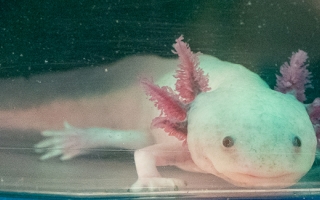
Karen Echeverri is a Researcher at the Marine Biological Laboratory (MBL), affiliated with the University of Chicago . Her work focuses on regeneration biology , particularly in spinal cord repair and scar-free wound healing using axolotls and Nematostella vectensis as model organisms. Education : Ph.D. in Zoology, Trinity College Dublin & Max Planck Institute (2003) B.Sc. Hons. in Biochemistry, National University of Ireland Galway (1998) Her research explores: Molecular mechanisms of spinal cord regeneration in salamanders Role of neural progenitor cells and glial cells in scarless healing Evolutionary conservation of regenerative pathways between invertebrates (sea anemones) and vertebrates (axolotls) Transcriptional profiling and in vivo imaging to track cellular responses to injury Publications highlight her contributions to understanding miR-200a regulation , AP-1 transcription factors , and SALL4 in tissue repair. Her team investigates how these mechanisms could inform human regenerative medicine .
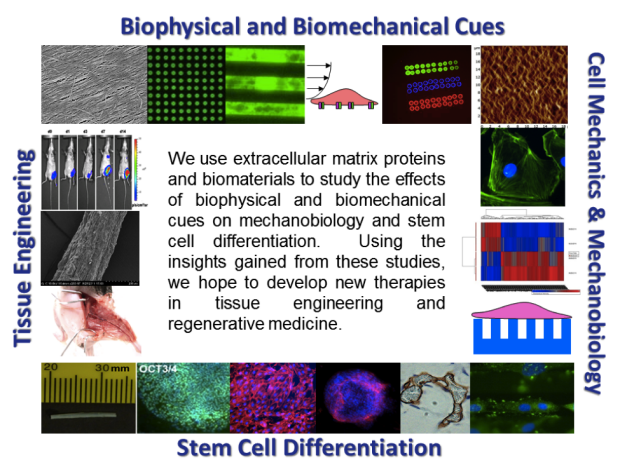
Ngan F. Huang, PhD is an Associate Professor of Cardiothoracic Surgery at Stanford University and a Courtesy Associate Professor of Chemical Engineering . She serves as a Research Career Scientist at the Department of Veterans Affairs and leads the Huang Research Lab at the Center for Tissue Regeneration, Repair and Restoration (VA Palo Alto Health Care System). Key roles: Principal Investigator, Stanford Cardiovascular Institute Research focus: Tissue Engineering , Cardiovascular Regeneration , Stem Cell Therapy , and Biomaterials Her work leverages extracellular matrix (ECM) cues, nanofibrillar scaffolds , and organ-on-a-chip platforms to address conditions like peripheral artery disease , muscle injury , and cardiovascular dysfunction . Recent publications emphasize combinatorial ECM designs , microgravity muscle modeling , and aligned fibrillar structures for cell orientation. Notable awards include the Peripheral Vascular Disease Travel Award (2014) and Robert W Hobson II Early Career Investigator Award (2012). Her lab actively recruits postdoctoral fellows and animal technicians for studies involving vascular disease models and tissue regeneration .
Liam Palmer is a Research Professor of Chemistry at Northwestern University and serves as the Director of Research at the Center for Regenerative Nanomedicine. His academic journey began with a PhD in Chemistry from The Scripps Research Institute in 2005. Research Interests : Controlling materials through molecular design Directional intermolecular interactions (peptide hydrogen bonds, π-π stacking) Nano-to-macroscopic scale material engineering Biological and bio-inspired applications Self-assembly of soft materials Organic and hybrid material systems Scientific Contributions : Leading work in supramolecular polymerization pathways Innovations in light-driven actuation systems Developing bioactive nanofiber matrices Exploring ferroelectric properties in hybrid materials Advancing single-cell encapsulation technologies Investigating molecular dynamics in self-assembling systems
Dr. Ayşegül Doğan is an Associate Professor in the Department of Genetics and Bioengineering at Yeditepe University's Faculty of Engineering, with promotion to full Professor scheduled for 2025. Her academic journey began with dual undergraduate degrees in Biology and Molecular Biology and Genetics at Istanbul University, followed by Master's and PhD studies in Biotechnology at Yeditepe University. Her educational background includes: PhD in Biotechnology (2011-2015), Yeditepe University - Thesis: "A novel chemotherapeutic drug combination for prostate cancer" Master's in Biotechnology (2009-2011), Yeditepe University - Thesis: "Effect of P85, F68 and F127 pluronic block copolymers on osteogenic, chondrogenic and adipogenic differentiation of human tooth germ stem cells (HTGSCs)" Undergraduate degrees in Biology and Molecular Biology and Genetics (2005-2009), Istanbul University Dr. Doğan's research spans multiple frontiers of stem cell biology and regenerative medicine. Her work particularly focuses on: Stem cell differentiation mechanisms and signaling pathways Organoid development for regenerative medicine applications Boron compounds in wound healing and tissue regeneration Cancer treatment using novel drug combinations Stem cell applications in reproductive medicine and endocrinology Analysis of her recent publications reveals an increasing emphasis on stem cell-derived organoids, with particular expertise in parathyroid function, adipose tissue engineering, and neural differentiation. Her research demonstrates sophisticated approaches to creating functional tissue models from pluripotent stem cells, with strong translational potential. Her scientific recognition includes: Multiple patents related to stem cell technology and wound healing formulations Patent Bronze Medal from ISIF and Turkish Patent Institute TÜBA-GEBİP award from the Turkish Academy of Sciences Department and Faculty First Prizes from Istanbul University Dr. Doğan actively mentors graduate students, with seven Master's and PhD theses completed under her supervision in recent years. She serves as principal investigator for multiple research projects funded by TÜBİTAK and other institutions, with current work focusing on stem cell applications in regenerative medicine. Her laboratory develops novel stem cell-based therapies and tissue engineering approaches, with particular emphasis on neuromesodermal progenitors and their therapeutic applications. She maintains active membership in professional organizations including the London Stem Cell Network, AACR, and the International Society for Stem Cell Research (ISSCR).
Rebecca J. Whelan is an Associate Professor in the Department of Chemistry at the University of Kansas, specializing in bioanalytical chemistry. With appointments in both the Chemistry and Bioengineering programs, her research focuses on ovarian cancer biomarker analysis through proteomics, microscale separations, and affinity reagent development. B.A. Chemistry and English, Lawrence University (1996) Ph.D. Chemistry, Stanford University (2003) Postdoctoral Research Fellow, Bioanalytical Chemistry, University of Michigan (2003-2004) Research Interests: The Whelan Lab develops innovative analytical methods for cancer biomarker characterization, including: Structural analysis of CA125 (MUC16) using long-read sequencing and mass spectrometry Development of DNA aptamers as artificial antibodies for biomarker detection Microscale separation techniques (capillary electrophoresis) for clinical proteomics Biosensor development for point-of-care diagnostics Integration of bioinformatics with experimental validation Sample preparation methods for glycoprotein analysis Scientific Awards: Vice Chair-Elect, Gordon Research Conference on Bioanalytical Sensors (2022) Henry Dreyfus Teacher-Scholar Award (2011) W.M. Keck Foundation Fellowship (2008) Research Corporation, Cottrell College Science Award (2006) Walter J. Gores Award for Teaching Excellence (1999) Teaching and Funding: Whelan has received multiple teaching honors including the Professor Props Award finalist. Her lab receives funding from the National Cancer Institute, National Science Foundation, and Dreyfus Foundation. She co-directed the T32 Chemical Biology training program and received the Newmark Award for biochemical research excellence.
Martin H. Distel is a researcher affiliated with the Department of Pediatrics and the Hematology/Oncology Division . His work spans cancer biology, developmental genetics, and advanced imaging techniques in zebrafish models. PhD in Developmental Genetics, Technical University of Munich Postdoctoral Fellow, University of California, San Diego MSc and BSc, Technical University of Munich His research focuses on leveraging zebrafish models to study cancer mechanisms, including Ewing sarcoma and melanoma, and developing targeted therapies. He also investigates optical imaging technologies and their applications in oncology and neuroscience. Recent publications highlight work on drug screening in zebrafish xenografts, ROS-induced cancer cell targeting, and epigenetic regulation in tumors. His studies frequently employ high-content imaging and molecular biology approaches. Martin Distel contributes to preclinical testing of immunotherapies like CAR T-cells and has explored Notch signaling in hematopoietic stem cell differentiation. His interdisciplinary research bridges genetics, pharmacology, and biomedical engineering.
Christina Holmes, Ph.D., serves as an Assistant Professor in the Department of Chemical & Biomedical Engineering within the College of Engineering at Florida A&M University and Florida State University. Her research integrates chemical engineering principles with biomedical applications to develop advanced biomaterials for regenerative medicine and orthopedic solutions. Her educational journey includes: Postdoctoral Fellowship, Department of Neurosurgery, Johns Hopkins University School of Medicine Ph.D., Biomedical Engineering, McGill University, 2013 M.A.Sc., Biomedical Engineering, University of Toronto, 2006 B.A.Sc., Engineering Science, University of Toronto, 2003 Dr. Holmes' research program pioneers biomaterials innovation for spinal fusion and bone regeneration , with emphasis on nanocarrier systems for targeted drug/gene delivery. Her laboratory employs optical coherence phase microscopy for label-free, real-time monitoring of tissue growth in 3D scaffolds—eliminating destructive sampling while enabling precise viability assessment. Current work explores extracellular vesicle therapeutics derived from mesenchymal stem cells and biomimetic growth factor delivery platforms to enhance bone healing. Analysis of her 2019-2024 publications reveals a strategic pivot toward extracellular vesicle optimization and translational orthopedics . Key trends include: (1) systematic comparison of adipose vs. bone marrow stem cell sources for vesicle production, (2) development of radiation-resistant biomaterials for spinal applications, and (3) investigation of pharmacological agents (e.g., ARBs/ACEIs) on fusion outcomes. Her work consistently bridges in vitro models with rat/rabbit spinal fusion studies, demonstrating strong clinical relevance.
Rachel Allavena is a Professor and Deputy Head of School at the School of Veterinary Science, The University of Queensland . She specializes in veterinary pathology and comparative medicine , developing cancer immunotherapies using pet dogs with natural cancer as models for human oncology. Her work bridges veterinary and human medicine, focusing on translational research . She also leads forensic pathology investigations for Racing Queensland , Queensland Police , and RSPCA Queensland , advocating for animal cruelty prevention . PhD in Comparative Medicine (Cornell University) Postgraduate Diploma in Veterinary Anatomic Pathology (University of Guelph) Bachelor of Veterinary Biology and Honours (University of Queensland) Her research spans comparative oncology (including canine brain cancer, lymphoma, melanoma, osteosarcoma ), koala conservation (co-developer of KoalaBASE database), and envenomation studies . She has trained ACVP board-certified pathologists and developed drug safety testing protocols in the UK pharmaceutical sector. Her immunotherapy trials have achieved 20% cure rates in terminal canine cancer patients. 2015 - Faculty of Science Teaching Excellence Award 2021 - UQ Citation for Outstanding Contributions to Student Learning As a media expert , she has featured in international outlets and delivered a TEDx talk on canine cancer therapy. She actively supervises PhD/MPhil students in projects like Canine Osteosarcoma Immunotherapy and Feline GI Lymphomas . Her team explores biometallic implants and forensic pathology applications.