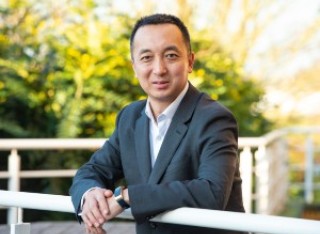
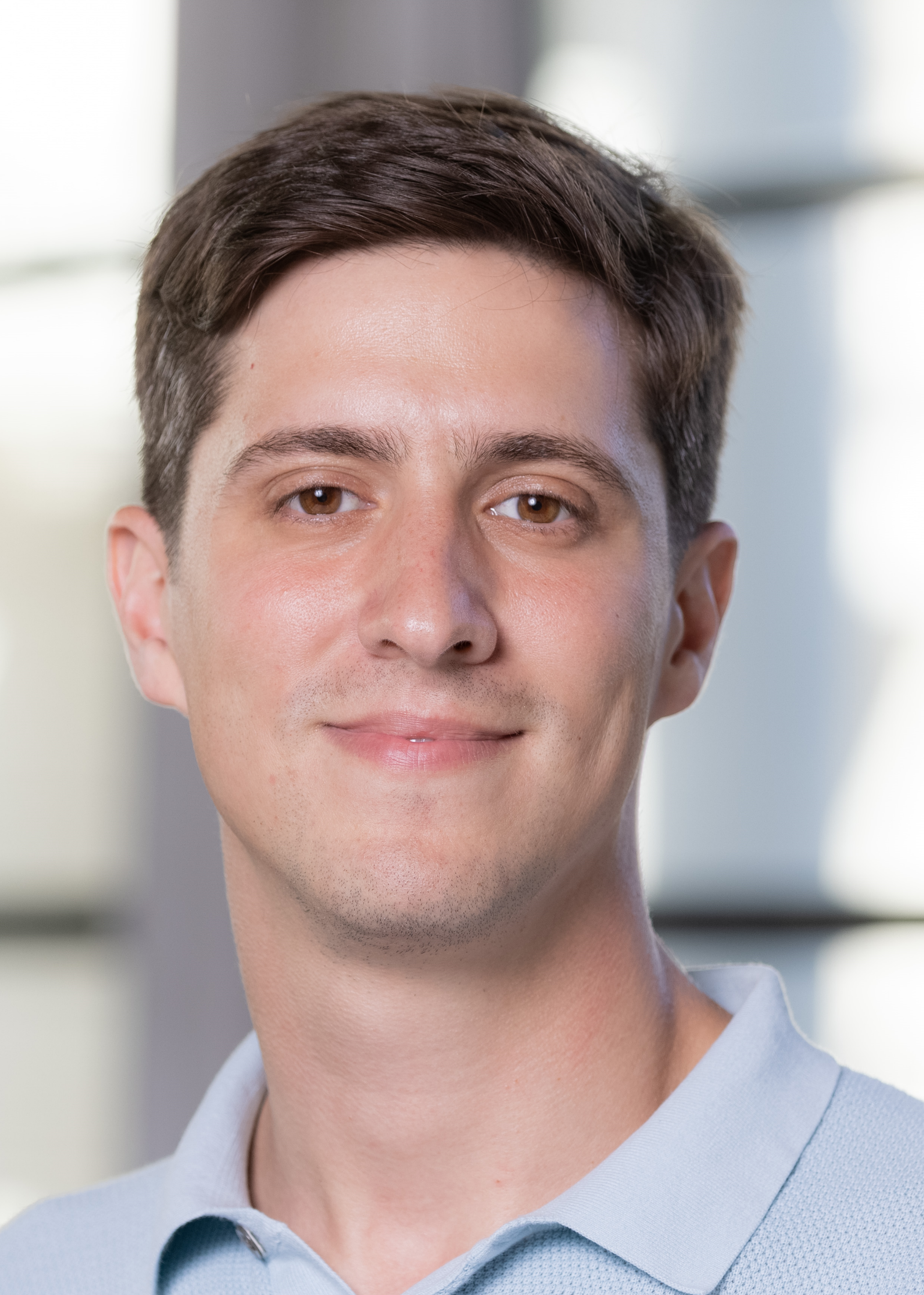
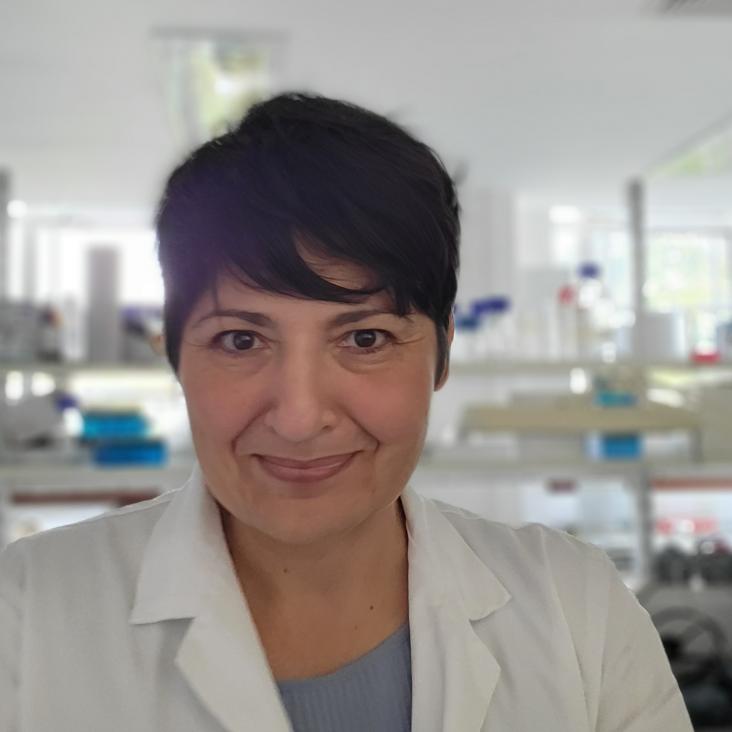
Prof. Ingmar Posner is a leading figure in applied artificial intelligence at the University of Oxford, where he serves as Principal Investigator for the Applied Artificial Intelligence Lab (A2I) and founding Director of the Oxford Robotics Institute. His work focuses on enabling robots to operate effectively in complex real-world environments through experience-driven learning. Key research areas: robot learning, scene interpretation, data-efficient learning, and transfer learning Applications in manipulation, autonomous driving, logistics, and space exploration His team has produced groundbreaking work in world models, sim-to-real transfer, and constraint-based manipulation systems (e.g., COMBO-Grasp). Notable contributions include the TWIST distillation framework and foundational research in tactile data generation (TactGen). He has received multiple best paper awards at top robotics venues. Publications reveal evolving research themes: 2025 work emphasizes language-conditioned learning (Lumos) and multi-agent decision-making, while 2024 focused on diffusion models for locomotion and differentiable simulators. Earlier work spans from urban scene analysis to physically plausible scene synthesis (RELATE).
Perla Maiolino serves as an Associate Professor in Engineering Science at the University of Oxford and Principal Investigator of the Soft Robotics Lab (SRL) within the Oxford Robotics Institute. Her academic foundation includes BEng, MEng, and PhD degrees in Robotics and Automation from the University of Genoa, where she pioneered CySkin technology for distributed tactile sensing in robots—later exhibited at the Science Museum in London. She expanded her expertise during a 2017-2018 postdoctoral fellowship at Cambridge University's Biologically Inspired Robotics Lab, focusing on soft robotics and tactile perception. Dr. Maiolino's research centers on developing artificial skin systems, soft robotic actuators, and distributed sensing architectures. Her work bridges biological inspiration with engineering innovation to create robots capable of safe human interaction and dexterous manipulation in unstructured environments. Key contributions include compliant beaded-string jamming mechanisms for anthropomorphic fingers, monolithic 3D-printed soft pneumatic arms (JAMMit!), and distributed time-of-flight sensor networks for robotic self-awareness. Recent publications (2024-2025) reveal a strong convergence of tactile sensing with machine learning, featuring optical flow for gesture recognition, diffusion models for artificial skin simulation, and zero-shot sim-to-real transfer techniques. Her team has made significant advances in multi-modal sensing integration, variable stiffness actuation, and scene flow estimation for robots operating in dynamic surroundings. Scientific Awards No specific awards were documented in the provided institutional materials. Advising and Grants While her leadership of the Soft Robotics Lab implies active student supervision and grant management, detailed information about advisees or funded projects was not included in the source documentation. Labs and Teams As Principal Investigator of the Soft Robotics Lab at Oxford Robotics Institute, Dr. Maiolino directs research on tactile perception systems, soft actuation mechanisms, and sensor-integrated robotic structures. The lab's work focuses on applications requiring safe physical interaction, including healthcare robotics and human-robot collaboration scenarios, with emphasis on multi-material 3D printing and embedded sensing technologies.
Dr. Fumiya Iida is a researcher affiliated with the University of Cambridge , contributing to interdisciplinary research through Cambridge Reproduction and the Department of Engineering . His work spans bio-inspired robotics , soft robotics , and embodied intelligence , with a focus on biomechanics and human-robot interaction. His research integrates evolutionary robotics , reservoir computing , and tactile sensing , aiming to bridge engineering, physiology, and synthetic biology. Recent publications highlight innovations in Soft robotic actuation Robust control systems Multimodal sensor integration Human-robot collaborative tasks Dr. Iida's 15 most recent 2025 articles emphasize reservoir computing , soft sensor design , and adaptive motor coordination , reflecting his commitment to advancing embodied intelligence in robotics. No formal awards or student advisement details were found in the provided texts.
Charl FJ Faul is a Professor of Materials Chemistry and Associate Pro Vice Chancellor (Global Engagement) at the University of Bristol’s Faculty of Science. He leads the Faul Research Group, focusing on functional materials for sustainable energy and soft robotics, including conjugated microporous polymers (CMPs) for CO2 conversion, electroactive materials, and 3D-printed soft actuators. His roles include academic leadership, global engagement initiatives, and research collaboration across institutions like Kyoto University and Tsinghua University. Education: B.Sc., M.Sc., Ph.D.(Stellenbosch). Research emphasizes scalable CMP synthesis, bio-adhesives, and materials for mobility assistance. Collaborates on projects like the £14M EPSRC-funded VIVO Hub for Enhanced Independent Living. Advises over 15 students, including recent PhD graduates Dr Helal Alharbi and Dr Yubing Wang. Research outputs span 2025-2023, highlighting advancements in hydrogen storage, CO2 capture, and soft robotic actuators. The group actively publishes in journals like Small and Journal of Materials Chemistry A . Grants include EPSRC funding for VIVO Hub and Innovate UK support for conductive composites.
Professor Dario Farina is Chair in Neurorehabilitation Engineering at the Department of Bioengineering, Faculty of Engineering, Imperial College London. He has previously served as Full Professor at Aalborg University, Denmark, and at the University Medical Center Göttingen, Germany, where he founded and directed the Institute of Neurorehabilitation Systems. His research spans biomedical signal processing, neural control of movement, and neurorehabilitation technology, with extensive contributions to electromyography, motor unit analysis, and neural interfaces. Chair in Neurorehabilitation Engineering, Imperial College London Former Full Professor, Aalborg University and University Medical Center Göttingen Founder and Director, Institute of Neurorehabilitation Systems Key Affiliations: Centre for Neurotechnology, Artificial Intelligence Network, Robotics Forum, Neuromechanics and Rehabilitation Technology His research focuses on biomedical signal processing , neural control of movement , and neurorehabilitation technology . He investigates how neural signals control muscles, develops methods to decode motor unit activity from EMG, and designs neural interfaces for prosthetics and rehabilitation. His work integrates computational modeling, signal processing, and clinical applications to improve bionic systems and neurorehabilitation outcomes. The recent publications (2024–2025) show a strong emphasis on high-density EMG , real-time motor unit decomposition , peripheral and cortical neural interfacing , closed-loop control systems , and AI-driven biosignal analysis . Key themes include decoding spinal and cortical signals, improving prosthetic control, understanding tremor mechanisms, and developing open-source tools for motor unit analysis. The work bridges neuroscience, engineering, and clinical practice. Scientific awards and honors include: Royal Society Wolfson Research Merit Award (2016) IEEE EMBS Early Career Achievement Award (2010) Nightingale Prize for best paper in MBEC (2007) Elected Fellow of EAMBES (2016) Elected Fellow of AIMBE (2012) Professor Farina has advised numerous researchers and students in neuroengineering and rehabilitation technology. He has led major research grants in neural interfaces and neurorehabilitation. He is Editor-in-Chief of the Journal of Electromyography and Kinesiology , an editor for IEEE Transactions on Biomedical Engineering and The Journal of Physiology , and has held editorial roles in multiple journals. He was President of ISEK (2012–2014) and is a Senior Member of IEEE. He leads a research group focused on neuromechanics, neural decoding, and bionic systems. The team develops tools like I-Spin live and MUedit for real-time motor unit identification and contributes to open-source platforms such as NeuroMotion . The lab collaborates internationally on projects involving spinal cord stimulation, prosthetic control, and wearable robotics, aiming to translate neural engineering advances into clinical rehabilitation.
Professor Kaspar Althoefer is a Professor of Robotics Engineering at the School of Engineering and Materials Science , Queen Mary University of London. He leads the Centre for Advanced Robotics @ Queen Mary (ARQ) and serves as Programme Director for BEng/MEng Robotics Engineering. His research focuses on robot autonomy, soft robotics , and tactile sensing with applications in healthcare, nuclear engineering, and manufacturing. Research Highlights: Soft Robotics, Tactile Sensing, Haptic Perception, Minimally Invasive Surgery, Human-Robot Interaction Key Collaborations: St Thomas Hospital London, EU Horizon Europe, EPSRC, Innovate UK Accomplishments: £10M+ as Principal Investigator, 500+ peer-reviewed papers, 7 patent applications His work spans robot autonomy , soft robotics , and machine learning , particularly in modeling tool-environment interactions and developing tactile sensors for surgical and nuclear applications. Recent projects include intelligent endoscopic microsurgery robots and eversion robots for radiation mapping . Scientific Awards: Senior Member, IEEE He supervises a team of 6 PhD students and postdoctoral researchers, with completed projects in soft robotic gloves , pneumatic actuators , and eversion robot navigation .
Petar Kormushev is a Senior Lecturer (Associate Professor) in Robotics at the Dyson School of Design Engineering, Imperial College London, and the founder/director of the Robot Intelligence Lab. He holds a PhD in Computational Intelligence from Tokyo Institute of Technology. His research focuses on robotics and machine learning, particularly reinforcement learning for autonomous robots. Key projects include the WALK-MAN humanoid robot for disaster response and contributions to the PANDORA and STIFF-FLOP EU projects. He has received the 2013 John Atanasoff Award for scientific excellence in ICT. His lab develops machine learning algorithms applied to humanoid robots like COMAN and iCub, with interests in robot learning, compliant control, and autonomous systems. He has supervised numerous PhD students and led research teams at IIT and Imperial College.
Professor Emanuele (Manuel) Trucco is the NRP Chair of Computational Vision in the Department of Computing, School of Science and Engineering, at the University of Dundee. He holds additional roles as an Honorary Clinical Researcher at NHS Tayside and formerly served as an Adjunct Professor at the Chinese Academy of Sciences from 2018 to 2021. He earned his MSc and PhD in Electronic Engineering from the University of Genoa, Italy, in 1984 and 1990, respectively. His research focuses on medical image and data analysis, particularly in retinal imaging, using machine and deep learning techniques. He is co-director of VAMPIRE, a major international initiative in retinal image analysis, which supports biomarker studies in cardiovascular disease, diabetes, dementia, and neurodegenerative disorders. His recent work includes AI-driven tools for predicting dementia from brain scans and cardiovascular risk from retinal images. The latest publications reflect strong trends in applying deep learning to retinal and brain imaging for early disease detection, with themes centered on AI in healthcare, precision medicine, and non-invasive diagnostics. FRSA (Fellow of the Royal Society of Arts) FIAPR (Fellow of the International Association for Pattern Recognition) Professor Trucco has led and co-led significant research projects funded by EPSRC, NIHR, and EU programs. He has supervised PhD students through industry-sponsored studentships (e.g., OPTOS, NIDEK, Toshiba) and collaborated with institutions such as the Universities of Edinburgh and Liverpool. His research is supported by extensive industrial partnerships including Canon Medical, Epipole plc, and NIDEK. He is a key member of the UK Biobank Eye and Vision Consortium and co-director of the VAMPIRE initiative, a collaborative effort between the Universities of Dundee and Edinburgh focused on retinal image analysis. His work also involves participation in major research networks such as the Academic Health Science Partnership in Tayside.
Sina Sareh is a robotics researcher at the Royal College of Art (RCA), where he leads the RCA Robotics Laboratory within the School of Design. He has established himself as an expert in soft robotics and multimodal sensing, developing innovative solutions for human safety and access problems in industrial operations. Dr. Sareh's educational background includes: PhD in Robotics from the University of Bristol, where he worked on monolithic design of flexible actuators for operation in confined liquid environments MSc in Control Systems from the University of Sheffield BSc in Electrical Engineering from Amirkabir University of Technology, Tehran Dr. Sareh's research focuses on soft robotics, multi-modal mobility, manipulation and attachment, and multimodal sensing. His work bridges the gap between robotics engineering and practical applications, particularly in medical and industrial settings. He has developed novel approaches to robotic attachment inspired by octopus biology, created haptic interfaces that mimic the feeling of touching human internal organs, and designed soft robotic technologies to help articulate pain symptoms. His research consistently demonstrates innovation in creating adaptable robotic systems that can operate effectively in complex, unstructured environments where traditional rigid robots face limitations. His publication record demonstrates a strong trajectory in robotics research, with emphasis on soft robotics, medical applications, and novel sensing techniques. The research shows progression from fundamental soft actuator design to practical applications in surgery, industrial operations, and human-robot interaction, with a consistent focus on solving real-world problems through biologically inspired approaches. Dr. Sareh has successfully secured multiple research grants, including EPSRC funding for 'Getting a Grip' and 'Multi-vendor Interoperability in Robotics,' as well as InnoHK funding for 'Intelligent Medicine Warehousing.' He has also served as an impact assessor for the Research Excellence Framework (REF) 2021 in Engineering and is a member of the editorial board at IET Cyber-physical Systems and Robotics Journal. Currently, Dr. Sareh advises research students including Filippo Sanzeni, and maintains active collaborations with industry and academic partners through the RCA Robotics Laboratory, which serves as a hub for interdisciplinary robotics research at the intersection of design, engineering, and human-centered applications. His work on projects like 'Topographies of Pain' and 'Reminisys' demonstrates a commitment to applying robotics technology to improve healthcare outcomes and quality of life.
Yue Gao is a Professor of Wireless Communications at the Institute for Communication Systems, University of Surrey. He holds a PhD from Queen Mary University of London (2007) and previously served as a lecturer, senior lecturer, and reader at QMUL. His research focuses on smart antennas, signal processing, spectrum sharing, millimeter-wave systems, and IoT in mobile/satellite communications. He has authored over 180 papers, two patents, a book, and five book chapters. Current roles include EPSRC Fellow (2018–2023) and editorial roles for IEEE Transactions on Cognitive Communications and Networking, Vehicular Technology, and Internet of Things Journal. Notable awards include the EU Horizon Prize (2016). His work spans interdisciplinary projects like GBSense (GHz Bandwidth Sensing) and contributes to 6G research. Collaborations include leadership roles at IEEE conferences and global spectrum sensing challenges. Research interests emphasize antenna design (e.g., 3D printed, Ka-band), sub-Nyquist sampling, and machine learning for spectrum reconstruction. Affiliated with Surrey’s antenna measurement facilities (NPL) for advanced testing (400 MHz to 110 GHz, THz spectroscopy). Active in mentoring PhD students in antennas/wireless communications and oversees projects like the GBSense Challenge, advancing sensor-driven spectrum management.
Dr. Omar Rifaie Graham is a Lecturer (Assistant Professor) in Chemistry at Queen Mary University of London's School of Physical and Chemical Sciences, joining in September 2023. He leads a research group focused on polymer-based artificial cells to study physicochemical parameters underlying biological phenomena and develop technologies at the Living/Non-Living Interface. Previously, he held postdoctoral positions at Imperial College London and the University of Fribourg, Switzerland. Education: Licenciado in Pharmacy (BSc+MSc), Universidad Complutense de Madrid, Spain (2008–2014) PhD in Chemistry, Adolphe Merkle Institute – University of Fribourg, Switzerland (2014–2018) Research Interests: Development of artificial cells using polymer nanocontainers, stimuli-responsive materials (light, hydromechanical stress), and applications in biotechnology, therapy, and diagnostics. His work includes creating polymersomes with novel functionalities for drug delivery, diagnostics, and synthetic biology. Key Achievements: ACS PMSE Future Faculty Award (2023) Swiss Nanoscience Institute 'Best paper in nanoscience' (2021) Best PhD thesis in Experimental Sciences, University of Fribourg (2019) Co-founded a diagnostics company spun from his PhD research (1M+ USD funding) Grants & Collaborations: Royal Society Grant: £29,907 (2025–2026) National Institute for Health Research Grant: £315,942 (2020–2025) RSC Grant for 'Mimicking colour perception with artificial cells' (2024) Lab/Team: Directs a research group at Queen Mary's Department of Chemistry, collaborating with institutions like Imperial College London and the University of Fribourg. Active in synthetic biology, nanomedicine, and biomimetic materials.
Sonia Antoranz Contera is a Full Professor of Biological Physics at the University of Oxford and Associate Head of the Physics Department. Her research bridges physics, nanotechnology, and biology, focusing on the interplay of mechanics, chemistry, and electricity in biological systems. She leads projects on neural interfaces, sustainable architecture inspired by biological principles, and nanomedicine. Notable collaborations include work with Amanda Levete Architects on bioinspired materials and the EU-funded ZEBAI initiative for carbon-neutral buildings. Her book Nano Comes to Life (Princeton University Press) explores nanotechnology's impact on biology and medicine. She also engages in public discourse through columns in El Pais and academic lectures on the history of physics and ethics in science. Education: PhD in Physics (Osaka University), with postdoctoral work across global institutions. Research Interests: Biomechanics of growth, AFM of biological systems, neuromorphic computing, and sustainable materials. Funding: John Fell Fund, Moore Foundation, EU Horizon Programme (ZEBAI), UKRI (BuildAir). Her lab's recent work includes AI-driven cement microstructure synthesis, PDMS mechanical aging studies, and anaesthesia mechanisms linked to neuronal viscoelasticity. She advises on policy and innovation, advocating for ethical, equitable scientific progress.
Professor Sohini Kar-Narayan is a British-Indian materials scientist at the University of Cambridge, specializing in polymer-based materials for energy harvesting and biomedical applications. She serves as editor-in-chief of the journal APL Electronic Devices and leads innovative research on nanogenerators, microfluidic sensors, and bioelectronic interfaces. Education: Presidency University, Kolkata (undergraduate); Indian Institute of Science (PhD) Her research focuses on piezoelectric and triboelectric nanomaterials, with applications in self-powered wearable devices , orthopedic surgery sensors , and 4D-printed responsive systems . She develops scalable fabrication techniques like aerosol jet printing to bridge academic research and industrial innovation. The most recent publications highlight advancements in biopolymer-based energy harvesting , smart textiles , and microfluidic diagnostic tools , emphasizing interdisciplinary collaboration between materials science, biomedical engineering, and manufacturing technologies. Scientific Awards: Royal Society of Chemistry Peter Day Prize (2023), European Research Council Consolidator Grant (2023), Royal Academy of Engineering Fellowship (2024), Innovator of the Year (2024) Her work includes the development of the ArtioSense sensor for orthopedic surgery and collaborations with medical professionals to create workflow-compatible devices. She has received major funding from the European Research Council and leads a research group exploring sustainable energy solutions and bio-integrated electronics.
Morgan Barnes is a Lecturer in Soft Manufacturing at the Department of Mechanical Engineering , University College London (UCL), and a member of the Manufacturing Futures Laboratory . She holds a PhD in Materials Science and NanoEngineering from Rice University (2021), an MS in Mechanical Engineering and Materials Science from Duke University (2015), and a BS in Mechanical Engineering from Baylor University (2013). Education PhD in Materials Science and NanoEngineering, Rice University (2021) MS in Mechanical Engineering and Materials Science, Duke University (2015) BS in Mechanical Engineering, Baylor University (2013) Her research focuses on Polymer Chemistry , Polymer Mechanics , Advanced Manufacturing , and Smart Materials , particularly in developing responsive materials for soft robotics, biomedical devices, and sustainable manufacturing. Recent work includes optically responsive liquid crystal elastomers for programmable actuation, covalent organic framework (COF) aerogels for energy storage, and high-strength 2D polymers from nanocomposites. Key trends in her publications (15 most recent) emphasize 4D printing , shape-memory polymers , and COF-based functional materials . Her work intersects chemistry, mechanics, and manufacturing, with applications aligned to Sustainable Development Goals 3 (Good Health) and 12 (Responsible Consumption). Scientific Awards Journeyman Fellow, Army Research Laboratory (2020) Teaching Activities include leading the MECH0097 Materials Design for Manufacturing module and laboratory challenges in the MECH0099 Group Manufacturing Challenges course at UCL East's Future Manufacturing and Nanoscale Engineering MSc program.
Sophia Bano is an Assistant Professor in Robotics and Artificial Intelligence at the Department of Computer Science, University College London (UCL), since November 2022. She is affiliated with the Wellcome/EPSRC Centre for Interventional and Surgical Sciences (WEISS), Surgical Robot Vision group, UCL Robotics Institute, and the Centre for Artificial Intelligence. Previously, she was a Senior Research Fellow at WEISS, contributing to the GIFT-Surg project. Her research focuses on AI-driven techniques for context awareness, navigation, and surgical robotics in minimally invasive procedures, including endoscopic workflow analysis, 3D reconstruction, and surgical vision systems. Education: BEng in Mechatronics Engineering (NUST, Pakistan), MSc in Electrical Engineering (NUST), MSc in Computer Vision and Robotics (Erasmus Mundus VIBOT), PhD from Queen Mary University of London and Technical University of Catalonia (Erasmus Mundus Fellowship). Post-doctoral work at University of Dundee (EPSRC ACE-LP project) and Imperial College London (ERC STING project). Research interests include computer vision for surgery, medical imaging, surgical robotics, and AI in healthcare. She leads the UKRI EPSRC-funded 'AI-enabled Decision Support in Pituitary Surgery' project and contributed to the GIFT-Surg and CARES projects. Publications span 3D reconstruction in fetoscopy, surgical workflow recognition, and AI models for medical imaging. Awards include the IJCARS-MICCAI Best Paper Award (2020) and the Best Innovation Award at the 2022 Surgical Robot Challenge. She organizes conferences like EndoVis and serves as a reviewer for journals like IEEE Transactions on Medical Imaging and MICCAI.



/prod01/channel_3/media/migration/research-groups/Petar-Kormushev--tojpeg_1463870974521_x4.jpg)