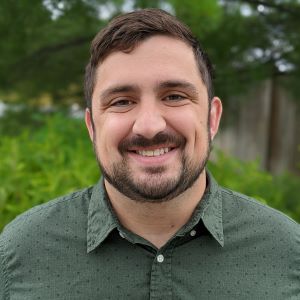
Laura Hammond is a Senior Lecturer in Forensic and Investigative Psychology and Director of the Crime and Society Research Centre at Birmingham City University. Her work emphasizes real-world impact through collaboration with police forces, victim support charities, and national organizations like the Home Office and Ministry of Justice. She focuses on investigative processes, victim experiences, and evidence-based policy.
Kayla Burd, Ph.D., serves as an Assistant Professor in the Department of Psychology at the University of Wyoming with a specialized focus on Psychology and Law. Her work bridges cognitive science and legal systems, examining decision-making processes among key legal actors through rigorous experimental methodologies. Ph.D. in Psychology, Cornell University (2018) M.A. in Psychology, Cornell University (2016) M.S. in Psychology, Arizona State University (2013) B.A. in Psychology, Hofstra University (2010) Dr. Burd's research centers on social cognitive mechanisms in legal contexts, specifically analyzing how extra-legal biases distort perception, memory, and reasoning among eyewitnesses, police officers, and jurors. Her work identifies cognitive vulnerabilities in legal decision-making while developing evidence-based interventions to mitigate bias. She directs the Social Cognition and Law Lab , which employs controlled experiments and field studies to translate theoretical insights into practical legal applications. Current projects examine interventions like purpose in life cultivation and self-affirmation techniques to improve decision accuracy. Analysis of her 15 most recent publications reveals three dominant research trajectories: (1) juror cognition in sexual abuse and adolescent culpability cases, (2) forensic evidence interpretation including ballistic analysis validity, and (3) emerging bias phenomena like pandemic-related discrimination. Her work increasingly integrates developmental psychology with legal scholarship. Dr. Burd mentors three graduate students—Amanda Anzovino, Olivia Grella, and Jaylan Aliev—guiding research on eyewitness reliability and courtroom accommodations. Her teaching portfolio spans Cognitive Psychology, Psychology and Law, and Judgment and Decision-making courses. The Social Cognition and Law Lab maintains active collaborations with law enforcement agencies and legal professionals, ensuring research addresses real-world challenges in the justice system through community-engaged science.
Dr. Rebecca Smith is a Senior Lecturer in Psychology at the School of Human Sciences, University of Greenwich. Her academic career spans over 15 years, with a focus on social psychology. She specializes in teaching and research related to ostracism, rape myth acceptance, and homeless stigmatization, while also contributing to gender equality studies. Her work bridges theoretical and applied research in human behavior. PhD (Psychology), University of Dundee MA (Psychology), University of Dundee Research Interests: Dr. Smith’s work explores the psychological impacts of social exclusion, the cultural and cognitive underpinnings of rape myth acceptance, and societal biases toward marginalized populations like the homeless. She integrates these themes with broader social psychology frameworks. Article Trends: Her recent publications span social psychology (e.g., ostracism, homeless stigma) and interdisciplinary topics like IVF outcomes, galaxy dynamics, and West Nile virus surveillance. This reflects a diverse collaboration network across medical, astrophysical, and public health domains. Advising: Dr. Smith supervises PhD and EdD students in social psychology and gender equality, fostering research in human behavior and societal structures. She previously served as Deputy Head of Department (2015-16) and TMC Link Tutor (2009-13).
Teresa Treat is a Professor in the Department of Psychological and Brain Sciences at the University of Iowa. Her research integrates clinical psychology with cognitive science, focusing on sexual aggression prevention, social perception, disordered eating, and psychometrics. Education: PhD from Indiana University (2000) Her work examines cognitive mechanisms underlying sexual aggression risk, including attentional biases, memory deficits, and social norm misperceptions. She has developed computerized prevention programs combining cognitive training with motivational interviewing to address sexual aggression, risky sex, and heavy drinking among college men. Recent publications analyze sexual perception accuracy, cognitive processing of affective cues, and health behavior misjudgments. Her lab employs signal detection theory, eye-tracking, and computational modeling to study these processes. Projects include NIAAA-funded studies on alcohol’s impact on visual attention and NIH-funded development of protective behavioral strategies. Collaborators include Drs. Corbin (ASU), Viken (IU), and McFall (IU).
Prof. Dr. Gerd Bohner is a distinguished faculty member at Bielefeld University, holding a professorship in the Faculty of Psychology and Sport Science, Department of Psychology, specifically within Unit 05 - Social Psychology and Experimental Psychological Gender Research. His academic work focuses on critical issues at the intersection of social psychology and gender studies, with particular expertise in sexual aggression myths, attitude formation and change, and gender-based violence. Dr. Bohner's primary research interests revolve around understanding the psychological mechanisms underlying sexual aggression myths and victim blaming. He is particularly known for his work on the Acceptance of Modern Myths About Sexual Aggression (AMMSA) scale, which has been validated across multiple languages and cultural contexts. His research explores how cultural, legal, and individual factors influence attitudes toward sexual violence, prostitution, and gender roles. He investigates the cognitive processes involved in attitude formation and change, with a special focus on lateral attitude change phenomena and how persuasion operates in different contexts. His recent publication trends demonstrate a strong international collaborative approach, with research conducted across numerous countries including Germany, Norway, Spain, Colombia, and Chile. A significant portion of his work involves cross-cultural validation of psychological instruments, particularly the AMMSA scale, which has now been adapted into multiple languages including French, Spanish, Polish, and German. His research increasingly examines the relationship between music preferences, sexist attitudes, and sexual harassment behaviors, as well as the role of moral foundations in shaping perceptions of sexual violence across different cultural contexts. As an educator, Dr. Bohner is responsible for teaching Social Psychology (27-GF-Soz), Structured Addition courses (27-EG-Str), and supervising Master's theses (27-MM). His expertise in sexism research is formally recognized by the university, listing him as an expert in this field. His methodological approach combines experimental, survey, and cross-cultural research designs to address complex questions about gender-based attitudes and behaviors.
Emma Lathan-Powell is an Assistant Professor in the Department of Psychological Sciences at Auburn University's College of Liberal Arts, where she leads trauma-focused research on gender-based violence and systemic responses. As a Licensed Psychologist, she directs the Lotus Lab, which implements community-based interventions to improve outcomes for survivors of sexual assault and intimate partner violence. Her educational background includes: BA in Psychology (Minor: Human Development & Family Studies) from Auburn University MS in Applied Psychology from the University of South Alabama PhD in Clinical and Counseling Psychology from the University of South Alabama She completed a pre-doctoral internship at The University of Texas Health Science Center at Houston and a postdoctoral fellowship at Emory University's Grady Trauma Project. Dr. Lathan-Powell's research examines how trauma exposure intersects with healthcare and criminal justice systems, with particular emphasis on Black women's experiences , sexual/gender minority victimization , and institutional betrayal . Her work employs mixed methods to develop trauma-informed protocols that reduce retraumatization and enhance system engagement. The Lotus Lab (named for resilience symbolism) focuses on sustainable, community-driven change through projects like pet-friendly domestic violence shelters and trauma-informed police training. Recent publications (2023-2025) reveal three dominant trends: (1) Healthcare system failures in trauma response, particularly regarding Black maternal health and institutional betrayal; (2) Racial and gender disparities in trauma outcomes; (3) Implementation science for trauma-informed care across medical and legal settings. Over 60% of her recent work involves community partnerships addressing real-world intervention gaps. She teaches PSYC 3970: Psychological Trauma and Resilience and collaborates with researchers at Emory University, Georgia State University, and the University of South Alabama on projects spanning healthcare betrayal, trauma disclosure, and law enforcement responses. Current initiatives include the Pet-Friendly Domestic Violence Shelter Studies with Auburn's College of Veterinary Medicine and the Health Care Betrayal Study with Candice Selwyn.
Professor John McAlaney is a Chartered Psychologist and Chartered Scientist at Bournemouth University's Department of Psychology. He leads the Cyberpsychology research group and is Programme Leader for the BSc Cyberpsychology degree. His research focuses on social psychology and behavior change, particularly in areas like digital addiction, problematic gambling, and socio-technical systems. He holds a PhD from the University of West of Scotland (2007) and has held academic roles at the University of Bradford and London School of Hygiene and Tropical Medicine. He collaborates with the Department of Computing to study human factors in cybersecurity and online social dynamics. Education: Bachelor's degree: University of Stirling MSc: University of Strathclyde PhD: University of the West of Scotland (2007) Research Interests: Social norms approach to behavior change Cyberpsychology applications in digital addiction and gambling Role of human factors in cybersecurity/hacktivism Socio-technical systems and fake news Advising & Grants: Leads the Cyberpsychology research group, oversees the BSc Cyberpsychology program, and collaborates with industry/charities (e.g., Gordon Moody Association for problem gambling). Labs/Teams: Cyberpsychology Research Group, BSc Cyberpsychology Program.
Dr. Tristan Patterson is an Assistant Professor at the School of Psychology at Xavier University. He holds a Ph.D. in Counseling Psychology from The University of Kansas and completed a Predoctoral Internship at the University of Utah Counseling Center. His work bridges positive psychology and masculinity studies , focusing on how constructs like self-compassion and gratitude can foster adaptive masculinity and reduce stigma in help-seeking for male survivors of interpersonal trauma. Education: Ph.D. in Counseling Psychology, The University of Kansas Predoctoral Internship, University of Utah Counseling Center Dr. Patterson’s research examines interpersonal trauma , sexual violence , and help-seeking behavior through lenses of well-being , hope , and self-compassion . His publications highlight intersections between masculine ideologies , rape myth acceptance , and trauma recovery , with a focus on marginalized male populations. He teaches courses such as Psychological Disorders and Assessment III: Cognitive Domains . Recent trends in his work address burnout in clinicians , religious trauma in psychotherapy , and positive fatherhood roles . He serves as a co-author on studies exploring gender socialization and men's health . Contact: pattersont5@xavier.edu | Office: 308 Elet Hall, Xavier University
Dr. Afroditi Pina is a Reader in Forensic Psychology and Director of Graduate Studies (Research) at the University of Kent's School of Psychology. Her research focuses on forensic and social psychology with emphasis on sexual violence, gender equality, and victimisation. Research Focus Her expertise spans: Online/offline harassment dynamics and image-based abuse Rape myth acceptance and sexual aggression predictors Technology-facilitated intimate partner violence Sexual objectification effects on victim perception Pornography exposure impacts on youth Teaching & Supervision She convenes courses in Psychology of Criminal Conduct, Law & Justice, and Forensic Cognition. Currently supervising Ben Saunders, Rachel Tisi, and Jenna Harewell. Previously supervised doctoral candidates including Kayleigh Parratt (police rape perceptions) and Tom Page (sexual harassment mechanisms). Research Funding £324,417 from Ministry of Justice for Mandatory Polygraph Pilot evaluation (2010-12) £24,995 from Children's Commissioner for pornography exposure assessment (2013) Multiple University of Kent grants for cyber-harassment scales and workshop development Professional Leadership Editor-in-Chief, Journal of Sexual Aggression (2017-2021) Editorial Board: Sex Roles, Women's Studies International Forum Steering Committee: Sexual Violence Against Students initiative Image-Based Abuse Research Network member
Dr. Amie Newins is Associate Professor and Associate Director of Clinical Training at University of Central Florida. She holds a PhD in Clinical Psychology from Virginia Tech and completed her clinical internship at Durham VA Medical Center. Her research examines trauma-related disorders, sexual assault risk factors and outcomes, and anxiety-substance use relationships. She develops interventions for trauma survivors and prevention strategies addressing sexual assault. Current projects investigate posttraumatic cognitions in collegiate sexual assault survivors and rape myth acceptance patterns. She previously served as Staff Psychologist in Substance Use Disorders Clinics at Durham VA Medical Center, bringing clinical expertise to her research on comorbid trauma and substance use conditions.
Frank Siebler is an Associate Professor in the Department of Psychology at UiT The Arctic University of Norway , with research expertise in social and work psychology . His work explores implicit and explicit attitudes , intergroup relations , and prejudice reduction , often utilizing psychometric instruments like the Implicit Association Test . Key Research Areas: Implicit cognition, attitude change, intergroup bias, health psychology, social norms, and occupational safety. Teaching: Course leader for PSY-3005 Attitudes (Master’s program) and supervisor for bachelor’s, master’s, and PhD theses. Publications: Recent work examines attitudes toward prostitution (2024), obesity bias in nursing (2018, 2019), rape myth acceptance (2009, 2010), and implicit-explicit attitude discrepancies across diverse contexts.
Bridget Diamond-Welch serves as an Associate Professor in the School of Public Health and Health Sciences at the University of South Dakota. Her work bridges academic research with practical interventions addressing gender-based violence in rural and Indigenous communities across the Northern Great Plains. Her educational background includes a Ph.D. in Sociology from Iowa State University (2010) and an M.A. in Sociology from the University of Iowa (2005). Ph.D., Sociology, Iowa State University, 2010 M.A., Sociology, University of Iowa, 2005 Diamond-Welch's research centers on sexual assault, sex trafficking, and domestic violence with specialized focus on trauma responses among Indigenous populations. Her work integrates cultural humility into trauma-informed care frameworks, emphasizing community-led solutions for Native American survivors. Current projects examine LGBTQ2S+ resilience among Lakota youth and telehealth innovations for rural sexual assault forensic exams. Analysis of her 15 most recent publications reveals consistent focus on victim-blaming dynamics, structural barriers in rural healthcare, and culturally specific manifestations of violence. Her scholarship increasingly incorporates Indigenous research methodologies and examines intersections of historical trauma with contemporary violence exposure. Her scientific recognition includes: Center for Teaching and Learning Grant (2017) Arts & Science Travel Grant (2016) Course Design Fellowship (2016) As Principal Investigator on $15M+ in federal grants, Diamond-Welch directs major projects including the NIH-funded "Wahwala Iyohlogya (Peaceful Means) Center" and DOJ's "eSANE Model" for telehealth sexual assault response. Her collaborative approach engages tribal nations as equal research partners, with strict adherence to data sovereignty protocols. Current work includes implementation science for trauma-informed juvenile justice centers serving Native American youth. She co-leads the Takini Survivor Project, a community-academic partnership developing healing-centered interventions for rural Indigenous domestic violence survivors. This initiative operates through the Grand Challenges Center, emphasizing decolonized research practices and tribal advisory oversight.
Dr. Chelsea Kilimnik is an Assistant Professor in the Department of Psychology and Neuroscience at the University of Colorado, affiliated with the Renée Crown Wellness Institute and the Lyda Hill Institute for Human Resilience. Her research focuses on fostering sexual and psychological well-being for individuals affected by or at risk of sexualized and gender-based violence. She directs the Growth, Identity, and Sexual Trauma (GIST) Lab, which collaborates with community organizations to develop inclusive prevention/intervention programs targeting disparities in violence. Her work emphasizes intersections of identity, social processes, and factors like alcohol use or belonging in risk/healing contexts. Dr. Kilimnik holds a PhD in Clinical Psychology from the University of Texas at Austin, an MS from Trent University, and a BA from the University of Winnipeg. She plans to admit a doctoral student for Fall 2024. Her research spans topics like nonconsensual experiences' impact on sexual functioning, the role of consent definitions in the #MeToo era, and expressive writing interventions for trauma recovery. Her methodologies include mixed methods and randomized trials, with recent studies addressing duty-based sex, incarcerated men's histories, and trauma-focused therapies. She advocates for culturally responsive interventions and rigorous sexual science measurement practices.
Dayna Henry is a faculty member in the Department of Health Sciences at James Madison University (JMU) , specializing in sexual health, relationship health, and sexual assault prevention. Her work focuses on sexuality education, rape myth acceptance, and fostering healthy relationships among undergraduate students. She is actively involved in JMU's Green Dot violence prevention strategy , aiming to shift campus culture around sexual violence. Henry earned her bachelor's degree in psychology and master's degree in couple and family therapy from the University of Guelph in Ontario, Canada. She completed her doctorate in health behavior at Indiana University . Her research interests span sexual health education , sexual assault prevention , and undergraduate education . She explores how educational interventions can reduce rape myth acceptance and improve health literacy among college students. Her work also delves into the intersection of COVID-19 impacts on student mental health and vaccination behaviors. Henry's recent publications reflect a commitment to advancing evidence-based health education and violence prevention strategies . Her studies cover topics from HPV vaccination behavior to disordered eating during the pandemic , and she employs both quantitative and qualitative methods to address pressing public health challenges in university settings. While specific awards and student advisorships are not detailed in the provided text, her extensive publication record underscores her significant contributions to health sciences education and research.
Joseph E. Gonzales serves as Chair and Associate Professor in the Department of Psychology at the University of Massachusetts Lowell, College of Fine Arts, Humanities and Social Sciences. He holds dual affiliations as an Associate of the Center for Women and Work (CWW) and Faculty Member of the Center for Health Statistics. Education: Ph.D. in Quantitative Psychology, University of California, Davis M.A. in Experimental Psychology, California State University, Stanislaus B.A. in Experimental Psychology, California State University, Stanislaus His methodological research spans latent variable modeling, longitudinal data analysis, and intensive multivariate dynamics, with specific focus on time series analysis of daily diary data, measurement model validity, unobserved subgroup identification, and innovative research design frameworks. He pioneers choose-your-own-adventure paradigms to study complex behavioral phenomena while advancing statistical methodologies for ergodicity and measurement invariance. Publication trends reveal strong integration of computational paradigms with psychological theory, particularly in developing novel methods for sensitive topics like sexual assault behavior and criminal decision-making, alongside foundational contributions to structural equation modeling and affective dynamics modeling. Honors include: University of Massachusetts Lowell Faculty Mentoring Graduate Students Award (2021) University of Massachusetts Lowell Teaching Excellence Award (2020) Summer Internship Program in Research for Graduate Students (2015) ETS-NAEP Testing, Evaluation, Assessment, & Measurement Fellow (2014) Society of Measurement and Experimental Psychology Graduate Student Poster Travel Award (2014) American Psychological Association Student Travel Award (2014) Western Psychological Foundation Student Scholarship Award (2012) Dean’s Medal of Excellence (2010) Graduate Student of the year (2009) As Co-PI on a $2.5M AHRQ R01 grant (2022-2027), he models moral distress impacts on nurses' health and safety culture. He previously led an American Psychology-Law Society grant (2021-2022) analyzing attention dynamics in virtual court hearings. His graduate student mentoring earned university recognition in 2021. Through the Center for Women and Work and Center for Health Statistics, he drives interdisciplinary collaboration on gender, work psychology, and health measurement systems.