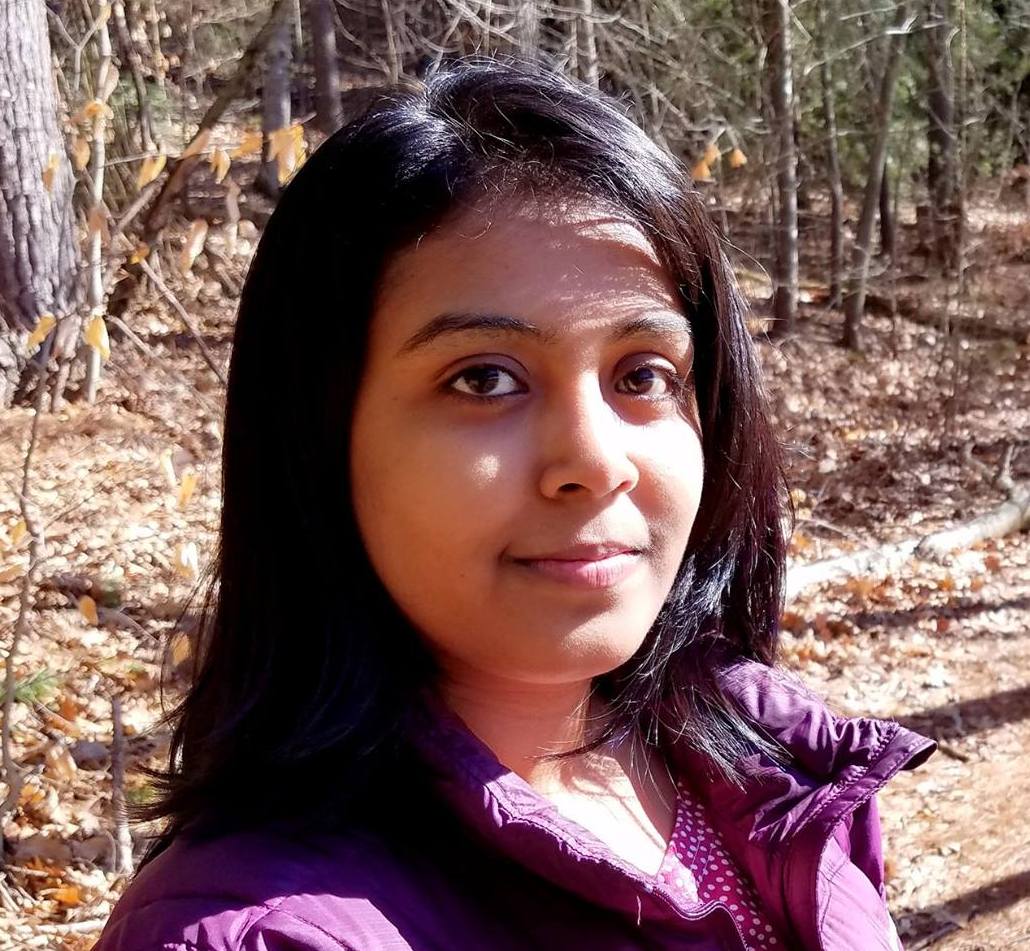
Anna Fariha is an Assistant Professor in the Kahlert School of Computing at the University of Utah. She co-leads the Data Management Research Center for Human-centered, Efficient, and Scalable Systems. Her research focuses on enhancing data system usability, explainability, and trustworthiness through algorithmic innovations and practical implementations. She holds a Ph.D. from the Manning College of Information and Computer Sciences at the University of Massachusetts, Amherst, under Prof. Alexandra Meliou. Education: Ph.D. in Computer Science, University of Massachusetts Amherst (2021) Master's in Computer Science, University of Massachusetts Amherst (2020) Undergraduate work in Computer Science, unspecified institution Her research interests include data wrangling tools, constraint discovery, conversational AI for data science, and human-centered database systems. Recent work emphasizes automated data summary recommendations, constraint violation detection, and educational tools for data science programming. Grants & Awards: NSF CIRC: ENS/Grand: POWDER-ENS Award (2024) Stena Center Seed Grant for Fintech Data Analysis (2025) Microsoft Research Dissertation Grant (2020) SIGMOD 2022 Comprehensive Reproducibility Award Teaching: Recently taught Advanced Database Systems , Human-Centric Data Management , and Deep Learning courses at the University of Utah.
Charles Conover is an Associate Professor of Art and Director of the Digital Arts and Design Program at Long Island University, School of Visual Arts, Communications and Digital Technologies. He brings extensive professional experience in publication design and art direction, having worked for 12 years in the field, including a decade as Art Director for PC Magazine at Ziff-Davis Publishers. Educational Background: B.F.A., New York Institute of Technology M.A., New York University His research and creative work focus on editorial design, typography, and page layout , with a strong emphasis on print media and technical illustration. His graduate studies explored American history and silkscreening techniques, particularly the social effects of industrialization. He continues to create and exhibit prints and paintings, blending historical themes with visual design. Conover is the author of Designing For Print , a textbook published by John Wiley & Sons, which serves as a comprehensive guide for young professionals and students in imaging techniques, technical illustration, and layout design. Scientific and Professional Awards: AIGA Award for Technical Illustration and Layout Design Print Magazine Award for Technical Illustration and Layout Design He has exhibited widely across the tri-state area, with solo and group exhibitions at institutions such as the Hutchins Gallery, Wisser Memorial Library, and Lincoln Center. As an active educator and program director, he mentors students in digital arts and design, integrating industry standards and historical perspectives into the curriculum. His work bridges academic instruction with professional practice. Labs and Creative Spaces: While not explicitly named, his role as Director suggests leadership in studio and digital labs supporting print, painting, and digital design within the School of Visual Arts.
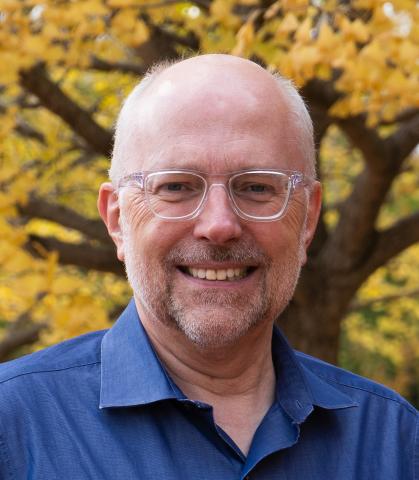
Andrew Melnyk is a Professor in the Department of Philosophy at the University of Missouri . His research focuses on philosophy of mind , philosophy of science , and metaphysics , particularly defending physicalism (or materialism) through the lens of realization theory. He is a member of the Heterodox Academy and the Academic Freedom Alliance . Education : B.A. in Literae Humaniores, Oxford University (1985) B.Phil. in Philosophy, Oxford University (1987) D.Phil. in Philosophy, Oxford University (1991) Research Interests : Defending physicalism via realization theory Philosophical methodology and naturalism Mind-body problem and phenomenal consciousness Reductionism vs. non-reductive physicalism Empirical evidence for materialism in neuroscience His publications, including the 2025 book Phenomenal Properties and the Intuition of Distinctness , critically engage with two-dimensionalism, supervenience, and the scientific plausibility of physicalism. His teaching includes Philosophy of Mind and Philosophy of Science courses at both undergraduate and graduate levels.
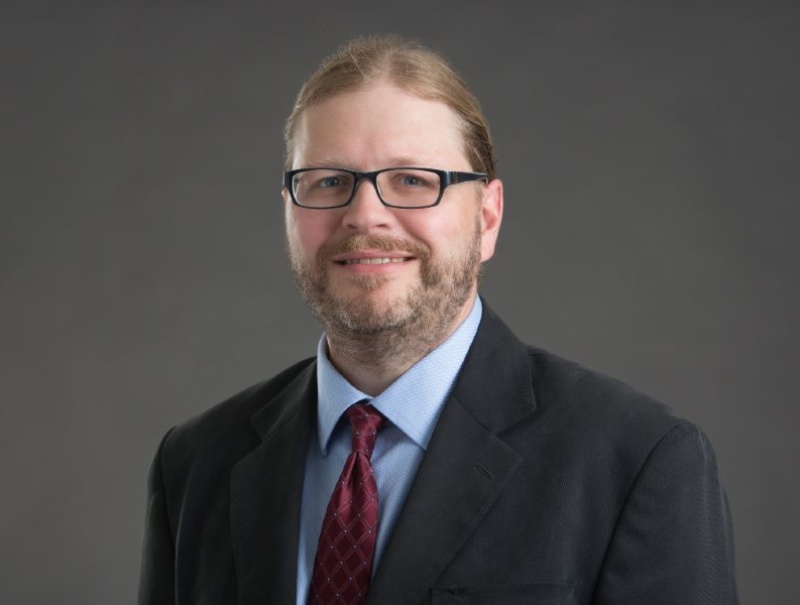
Scott G. Hasler, MD serves as an Associate Professor in the Department of Internal Medicine at Rush Medical College, Rush University. He concurrently holds critical administrative roles as Vice Chairperson and Director of the Internal Medicine Residency Program, shaping physician training standards across the institution. His professional focus centers on Internal Medicine and Medical Education , with specialized expertise in residency curriculum development and clinical training systems. As Residency Program Director, he oversees comprehensive physician development from intern selection through board certification, emphasizing evidence-based clinical practice and professional identity formation. In his dual leadership capacity, Dr. Hasler drives program accreditation compliance, faculty mentorship initiatives, and resident wellness frameworks. His operational scope includes managing 150+ resident positions, coordinating 30+ clinical training sites, and implementing innovative assessment methodologies for graduate medical education.
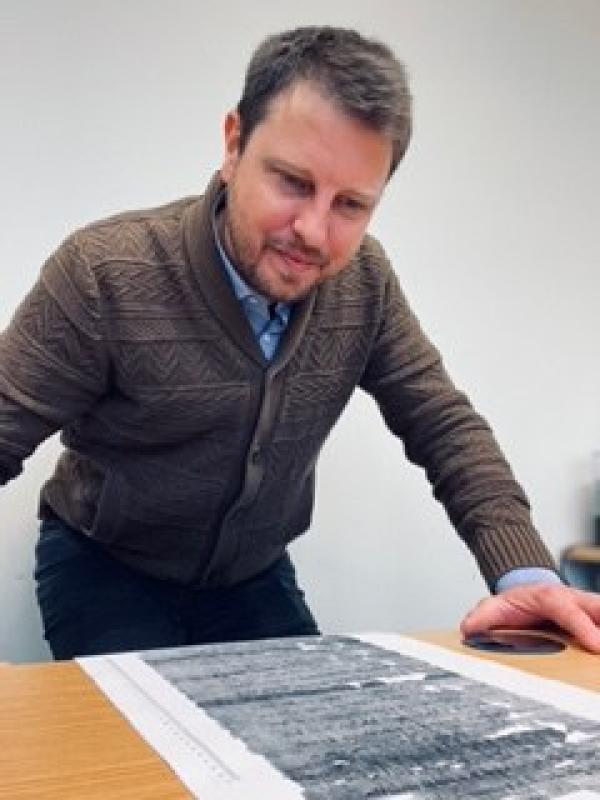
Christian Keitel is an Honorary Professor for Archival Science and Digital Archiving at the University of Applied Sciences Potsdam. He works at the Landesarchiv Baden-Württemberg, where he has served since 2000, currently as Deputy Head of Department 2 (Specialized Programs and Educational Work). His research focuses on conceptual principles of conventional and digital archiving, DIMAG systems, certification of digital archives, authenticity of digital records, and cooperative learning processes in digital archiving. University of Applied Sciences Potsdam – Honorary Professor (2015–) Landesarchiv Baden-Württemberg – Deputy Head of Department (2011–), Senior Archivist (2000–) Keitel’s scholarly work emphasizes digital preservation, metadata standards, and long-term archive certification. His publications address challenges in trustworthiness of digital repositories, significant properties of electronic records, and collaborative digital archiving frameworks. He co-authored DIN standards 31644 and 31645 for trustworthy digital archives. Recent articles highlight his contributions to digital ingest workflows, metadata extraction, and municipal archive solutions. His work explores intersections between traditional archival principles and modern digital challenges, including authenticity verification, system development, and cross-institutional cooperation.
James D. Moore serves as Assistant Professor in the Department of Near Eastern and South Asian Languages and Cultures at The Ohio State University, with additional affiliation in the History department. He held a position as Chargé de Conférence at the École Pratique des Hautes Études (2023-2024) and collaborates on the ERC project SLaVEgents (2023-2028). He co-directs the OSU Digital Lab for Ancient Textual Objects (DLATO) and manages the Online Corpus of the Inscriptions of Ancient North Arabia (OCIANA). His academic training includes: Ph.D. in Near Eastern and Judaic Studies, Brandeis University, specializing in the Bible and Ancient Near East. Moore's research centers on Northwest Semitic epigraphy, the Hebrew Bible, and Ancient Near Eastern scribal culture, with a focus on religious economies within imperial frameworks, especially the Achaemenid Empire. He also investigates Achaemenid Mediterranean social history, Dead Sea Scrolls, Syriac, Archaeology, and Comparative Semitics, integrating philological analysis with social-historical context to explore administrative and economic structures. His recent publications reveal a concentration on Hebrew and Aramaic epigraphic evidence to study administrative reforms, religious practices, and scribal techniques during the Persian period. He is a proponent of digital humanities, developing resources for digital editions and databases of ancient texts. Moore is actively involved in major grant-funded projects, notably the ERC's SLaVEgents. He advises graduate students in philological and social-historical research, serving on the NESA Graduate Student Committee and co-advising the CANE graduate program. He emphasizes training students in digital research methods (SQL). He co-directs the DLATO, which creates digital tools for ancient textual scholarship, and manages OCIANA, a comprehensive corpus of Ancient North Arabian inscriptions, reflecting his commitment to digital innovation in the field.
Qi Si serves as an Assistant Professor in the School of Teacher Education & Leadership at Utah State University's Emma Eccles Jones College of Education and Human Services. Based in EDUC 376 on the Logan, Utah campus, Dr. Si's work bridges teacher preparation with innovative literacy and technology integration practices for K-12 classrooms. Research focuses prominently on multimodal literacies and technology-enhanced instruction across elementary subject areas. Current investigations examine self-regulated multimodal composition frameworks, scaffolding coding through literacy development, and teachers' use of language as epistemic tools in science education. The research program consistently addresses practical classroom applications while emphasizing emergent bilingual learners' needs and pandemic-era remote/hybrid instructional adaptations. Analysis of recent publications reveals a cohesive trajectory in elementary teacher education, with 7 of 11 articles published since 2023 concentrating on technology integration in literacy and STEM. Recurring methodological approaches include case studies, survey research, and scoping reviews, all oriented toward practical implementation in diverse classroom settings. The work demonstrates particular strength in connecting multimodal composition with disciplinary literacy across science, mathematics, and reading instruction. While specific grant funding and advising activities aren't detailed in public directories, the active publication record in high-impact educational journals suggests ongoing mentorship of graduate researchers and potential external research support. The scholarly output reflects strong engagement with contemporary challenges in elementary teacher preparation and digital-age literacy instruction.
Shannon Cromwell serves as an Extension Professor with Utah State University Extension in Sanpete County, specializing in youth development and family studies. Her work spans multiple areas including 4-H youth programs, relationship education, nutrition education, and STEM engagement for families. She is actively involved in community outreach programs that connect schools, families, and communities through evidence-based educational initiatives. Extension Professor, Sanpete County, Utah State University (2011-present) Specializes in Home and Community programs with focus on youth development Coordinates 4-H programs and family relationship education initiatives Dr. Cromwell holds an MA in Human Development and Family Studies from the University of Missouri (2010) with a focus on Family Studies, and a BS in Family Studies and Human Services from Kansas State University (2000). She has also completed numerous professional certifications including Youth Mental Health First Aid (2019), Infant & Child CPR and First Aid (2018), and Master Food Preserver Certification (2011). Her research interests center on youth development through 4-H programs, strengthening interpersonal relationships, and integrating STEM education into family engagement activities. She has developed numerous curricula focused on social-emotional learning, healthy living, and family relationship education. Her work emphasizes practical applications that address community needs, particularly in rural settings, with a focus on improving protective factors among youth and strengthening family bonds through educational interventions. Analysis of her recent publications reveals a strong emphasis on social-emotional learning in afterschool settings, innovative approaches to family engagement in STEM education, and creative methods for strengthening family relationships. Her work consistently bridges research and practice, developing accessible educational materials that address contemporary challenges in youth development and family education. The Hidden Gems series represents a significant contribution to family education, offering practical activities that promote communication and bonding. Excellence in Afterschool Programming, Western Region Winner (2024) Faculty of the Year, Utah Association of Extension 4-H Youth Development Professionals (2023) Mid-Career Service Award (2022, 2023) Jim Kahler Excellence in Science, Technology, Engineering, and Mathematics (2021) Communications Award for Live Well Utah Blog (2016) Dr. Cromwell has received consistent recognition for her innovative programming and community impact, particularly in the areas of youth development and family education. Her work with the Hidden Gems curriculum and STEM family engagement initiatives has been particularly noted for its creativity and effectiveness. She has secured funding for various extension programs focused on youth development, relationship education, and nutrition education, with a strong emphasis on reaching rural communities through accessible, evidence-based approaches. She coordinates the Sanpete County 4-H programs and has developed several notable initiatives including the Hidden Gems Adventure Guides series, Family STEM Nights, and the Food Sense Nutrition Education Program. Her work often involves collaboration with local schools, community organizations, and other extension professionals to create comprehensive programs that address multiple aspects of youth and family well-being.
Dr. Clement A. Adebamowo is a Professor in the Department of Epidemiology and Public Health at the University of Maryland School of Medicine. He serves as Director of the Cancer Epidemiology Division and holds additional leadership roles as Associate Director of the Population Sciences Program, Associate Director of Diversity, Equity, Inclusion, and Accessibility, and Director of Global Health Cancer Research at the Marlene and Stewart Greenebaum Comprehensive Cancer Center. Education: BM, ChB Hons. - University of Jos, Jos, Plateau State, Nigeria (1978-1984) Sc.D. in Nutrition Epidemiology and minor in Biostatistics, Harvard University (2000-2004) Postgraduate Surgery (Oncology) - University College Hospital, Ibadan, Oyo State, Nigeria (1987-1993) Dr. Adebamowo's research program focuses on epidemiological and genomic risks, biomarkers discovery, early detection and prevention of breast and cervical cancers. His work integrates multiple disciplines including cancer epidemiology, genomics epidemiology, nutrition epidemiology, non-communicable disease research, and research ethics. He directs the NIH-funded African Collaborative Center for Microbiome and Genomics Research (ACCME) as part of the H3Africa initiative, which examines genomic and epidemiologic risk factors for persistent high-risk HPV infections, cervical cancer, breast cancer, uterine fibroids, and Hepatitis infections in a cohort of approximately 12,000 women followed every six months. His recent publication portfolio reveals a strong concentration on HPV-related research, cervical cancer epidemiology, and genomic risk factors, with emerging work on data science applications in African health research. His studies increasingly integrate multi-omics approaches including host germline genomics, somatic genomics, viral genomics, epigenomics, microbiome, proteomics, and metabolomics data to understand cancer etiology and develop prevention strategies. Scientific Recognition: PRIM&R Jeff Cohen Service Award (2022) for pioneering work establishing research ethics infrastructure in Nigeria and West Africa Mamadou Gueye Prize of the West African College of Surgeons Member of multiple prestigious advisory boards including Keystone Symposia and Fogarty International Center Dr. Adebamowo directs several major NIH-funded training programs in Research Ethics, Responsible Conduct of Research, and Research Methodology, having developed comprehensive multi-disciplinary graduate programs across Africa. His current grant portfolio includes the Baltimore CASCADE Study Site (BaCSS Project), Knowledge, Attitude and Recommendations study on iPSC creation, Scaling Up Research Ethics and Research Integrity (SURER) Project, Bridging Gaps in the ELSI of Data Science Health Research, and Point of Care Diagnostic test for Molecular Subtyping of Breast Cancer (PoCBreCa) Study. As Director of ACCME, Dr. Adebamowo leads a large international research team conducting groundbreaking genomic and epidemiological studies across Africa. His work has established significant research capacity for ethical research and scientific investigation in Nigeria and other West African countries, with documented implementation of over 150,298 online training modules. His development of the Food Frequency Questionnaire (FFQ) for African foods and Food Composition Database (FCD) represents important methodological contributions to nutritional epidemiology in Africa.
David King-Stephens, MD is a Professor in the Department of Neurology at the University of California, Irvine School of Medicine, specializing in epilepsy treatment and research. His clinical and academic work focuses on advanced therapeutic approaches for medically intractable epilepsy, particularly mesial temporal lobe epilepsy. Dr. Stephens' research program centers on evaluating and improving surgical interventions for epilepsy, with particular expertise in laser interstitial thermal therapy (LITT) and responsive neurostimulation systems. His scholarly contributions examine surgical targeting precision, outcome prediction biomarkers, and the complex relationship between epileptic activity and sleep disruption. His work bridges clinical neurology, neurosurgery, and neurophysiology to optimize treatment protocols for patients with difficult-to-treat epilepsy. Analysis of Dr. Stephens' recent publications reveals a methodical approach to epilepsy treatment research, with emphasis on quantitative assessment of surgical outcomes and therapeutic mechanisms. His commentary on multicenter LITT studies demonstrates attention to technical parameters affecting treatment efficacy, while his work on RNS system biomarkers shows interest in personalized treatment approaches. The research consistently addresses critical clinical questions about optimal patient selection and treatment parameters. Dr. Stephens has contributed to significant collaborative research efforts in the epilepsy field, with his commentaries appearing in high-impact neurology journals including Epilepsia and Annals of Neurology. His scholarly work engages with contemporary debates about surgical approaches to temporal lobe epilepsy and the integration of neuromodulation technologies into comprehensive epilepsy care.
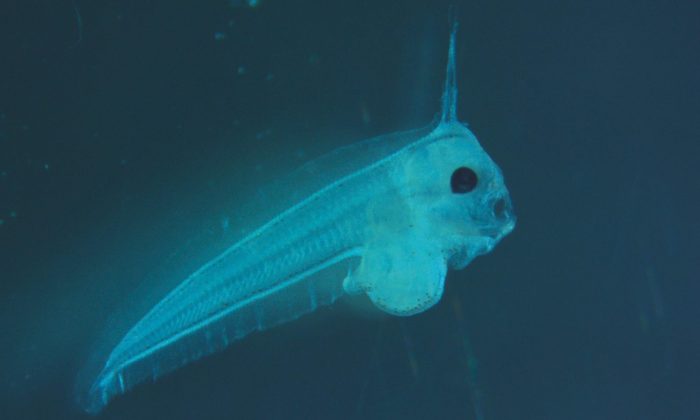
Monika Quinones Winder is a Professor of Marine Ecology at the Department of Ecology, Environment and Plant Sciences, Stockholm University. She leads the Winder Lab, which focuses on understanding the drivers of food web interactions and how they respond to environmental change in aquatic ecosystems. Dr. Winder received her PhD in Natural Sciences from ETH Zurich, Switzerland, followed by postdoctoral research at the University of Washington, Seattle, and the University of California, Davis. Her academic journey has positioned her as a leading researcher in marine ecology and plankton dynamics. Her research program explores aquatic food web interactions and their responses to environmental changes, with particular emphasis on planktonic organisms in both freshwater and marine systems. She investigates how species composition and biotic interactions regulate populations, trophic energy transfer, and ecosystem function. Dr. Winder employs a multifaceted approach, combining descriptive field studies, long-term ecological monitoring, experimental research, and advanced molecular techniques such as selective metabarcoding to understand the impacts of external pressures on species and ecosystem dynamics. Analysis of Dr. Winder's recent publications reveals a strong focus on climate change impacts on plankton communities, particularly in the Baltic Sea ecosystem. Her work examines phenological shifts in plankton blooms, the effects of warming and acidification on plankton recruitment from sediments, and the role of microbial communities in zooplankton gut function. She also maintains active research programs on fish larvae ecology in coastal East Africa and invasive species impacts in the Bolivian Amazon. Dr. Winder has received recognition for her contributions to marine ecology, though specific awards are not detailed in the available information. Her research has been supported by various funding sources that enable her comprehensive investigations of aquatic ecosystems across different geographical regions. As a dedicated mentor, Dr. Winder supervises students and postdoctoral researchers in her lab, fostering the next generation of marine ecologists. Her collaborative approach is evident in the extensive list of co-authored publications spanning multiple international research teams. The Winder Lab maintains an active research agenda with several ongoing projects including studies on plankton species interaction networks, protist parasites in plankton food webs, larval fish production in coastal East Africa, sustainable management of water and soil resources in Bolivia, and plankton-fish interactions in Baltic Sea food webs.
Dr. Mathilde H. Prenevost is a Postdoctoral Research Associate in the Department of Psychology at Lancaster University, where she works within the Active Learning Lab (ALL). Her primary research involves developing the Curiosity Battery—a comprehensive tool for assessing curiosity in school-aged children—and investigating children's sudden insight problem-solving mechanisms. She earned her PhD from the University of Oslo, where her doctoral research centered on children's sudden insight phenomena. This foundational work directly informs her current methodological innovations in psychological measurement. Dr. Prenevost's research program bridges epistemic emotions theory with practical assessment design, emphasizing the critical interplay between theoretical frameworks and measurement validity in developmental contexts. Her work specifically targets how children experience and articulate curiosity and 'aha' moments during problem-solving, with implications for educational psychology and cognitive development research. Her 2025 publications reveal a cohesive research trajectory examining children's metacognitive awareness during insight experiences, confidence-accuracy relationships in problem-solving, and developmental trajectories of understanding 'aha' phenomena. These studies consistently advance methodological rigor in studying complex cognitive-emotional constructs within developmental psychology. Actively engaged in public scholarship, Dr. Prenevost participates in outreach initiatives including the ICDL Family Fun Day and Campus in the City festival. She leads the 2025 Curiosity Workshop, which fosters multidisciplinary methodological collaboration on curiosity research across academic disciplines.
Dr. Jenifer Jasinski Schneider serves as Interim Dean and Professor of Literacy Studies in the College of Education at the University of South Florida. Her leadership spans academic administration, research innovation, and community literacy initiatives, with significant contributions to K-12 writing instruction and children's literature scholarship. She earned her Ph.D. in Language, Literature, and Reading Education from The Ohio State University, establishing foundational expertise in literacy development and pedagogical theory. Dr. Schneider's research centers on children's composing processes through arts-based approaches, examining how process drama and children's literature foster symbolic development and meaning-making. Her work explores digital literacies' impact on multimodal composition, Irish children's literature through Fulbright-supported research in Ireland, and family literacy initiatives across diverse community contexts. She investigates evolving student strategies for print-based and digital text communication, emphasizing inclusivity and technological integration. Analysis of her recent publications reveals strong trends in diversity and inclusion through immersive technologies, interdisciplinary writing instruction (particularly mathematics integration), and critical digital literacies in post-truth discourse. Her scholarship bridges theoretical frameworks with practical classroom applications, consistently addressing contemporary challenges in teacher preparation and K-12 literacy education. Key scientific recognition includes: Fulbright Scholar award for research in Ireland Dr. Schneider has directed the Suncoast Young Authors Celebration for 20 years, championing student writing achievement, and currently serves on the Hillsborough Literacy Council Board. She pioneered open-access educational resources through her digital textbook The Inside, Outside, and Upside Downs of Children's Literature , demonstrating commitment to accessible pedagogy and community engagement in literacy advancement.
Katherine Laura Chen is an Assistant Professor-in-residence in the David Geffen School of Medicine at the University of California, Los Angeles (UCLA), where she contributes to medical education, clinical care, and health services research. Her academic home is within the Department of Medicine, and she maintains an active research profile focusing on social determinants of health, particularly the intersection of housing policy and health outcomes. Dr. Chen received her BA in Molecular, Cellular, and Developmental Biology from Yale University in 2010, followed by her MD from UCLA David Geffen School of Medicine in 2015. She completed her Internal Medicine Residency & Chief Residency at UCLA Health in 2019, participated in the National Clinician Scholars Program at UCLA in 2021, and earned her PhD in Health Policy & Management from the UCLA Fielding School of Public Health in 2023. Her research program investigates how housing instability, affordability, and policy interventions impact health outcomes across diverse populations. With over 17 publications spanning from 2012 to 2025, her work demonstrates an evolving focus from cancer prevention behaviors to comprehensive analyses of housing as a social determinant of health. Her recent publications (2023-2025) reveal a concentrated effort examining housing instability's effects on chronic disease management, maternal and child health, cancer care access, and health disparities, often using California health data. Dr. Chen's scholarly work has been featured in high-impact journals including JAMA Network Open, JAMA Pediatrics, and Journal of General Internal Medicine, with several articles gaining significant attention in policy circles and news outlets. Her research demonstrates methodological diversity, employing retrospective cohort studies, systematic reviews, and policy analyses to address critical questions at the intersection of housing and health. As an active member of the UCLA academic community, Dr. Chen collaborates with researchers across multiple departments and institutions, including notable co-authors such as Katherine Kahn, Paul Shekelle, and Teryl Nuckols. Her work has implications for health policy development, particularly regarding housing interventions as health promotion strategies.
Prof. Dr. Jane Acevski is a Full Professor at the Faculty of Forestry within Ss. Cyril and Methodius University of Skopje , where he currently serves as the Head of the Department of Botany and Dendrology . With over three decades of academic service since 1992, he has held progressive academic positions from junior assistant to full professor. Educational Background: 1990: Graduated from the Faculty of Forestry in Skopje 1996: Master's degree on "Dendrofloristic characteristics of the northern slopes of Karadzica" 2000: PhD on "Dendrofloristic characteristics of the Galicica mountain range" Research Focus: His expertise encompasses dendrology, phytocoenology, forest botany, and forest ecology. His research particularly focuses on dendrofloristic characteristics of mountain ranges in North Macedonia, with special attention to the flora of Karadzica and Galicica mountains. Additionally, his work extends to the study of poisonous, medicinal, and edible plants, contributing to the understanding of forest ecosystems and their botanical resources. Teaching Portfolio: Professor Acevski teaches a comprehensive range of courses including "Dendrology," "Phytocoenology," "Poisonous, Medicinal and Edible Plants" at the undergraduate level, and advanced courses "Dendrology 2," "Phytocoenology 2," "Poisonous, Medicinal and Edible Plants 2," and "Typology of Forests and Pastures" at the graduate level. His extensive teaching experience spans both foundational and advanced aspects of forest botany and ecology. Leadership Role: As Head of the Department of Botany and Dendrology, he oversees academic programs and research initiatives in botanical sciences, fostering the development of forest science education and research at the university.