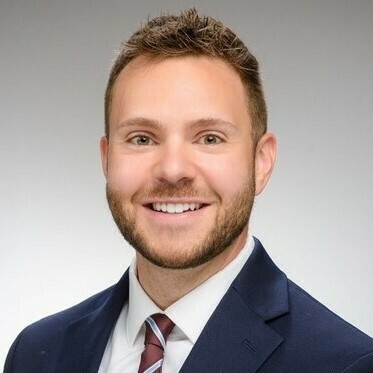
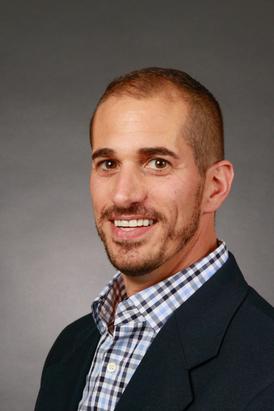
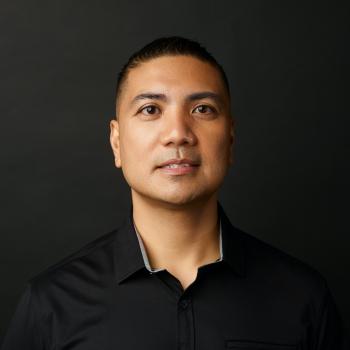
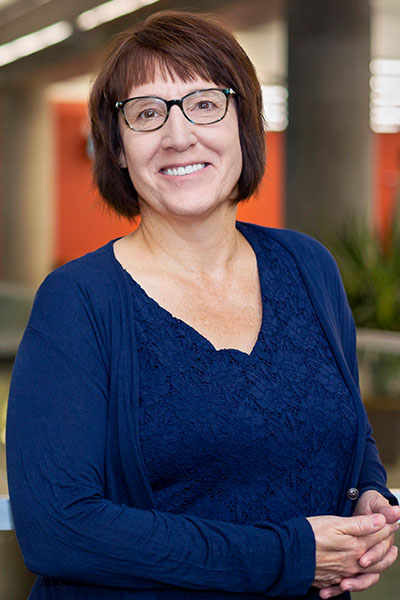
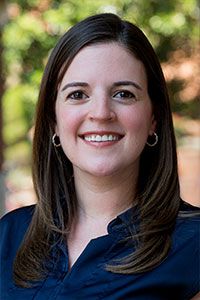
Nermin Cantas is a Lecturer I in the Department of Teacher Education at the University of Michigan's School of Education. Their academic work focuses on intersections of family language policy, heritage language learning, and early childhood pedagogies for emergent bilinguals. Research emphasizes immigrant family experiences and educator professional development pathways. Recent scholarly contributions include studies on playful language input in heritage language maintenance, nontraditional early childhood educators' degree-seeking journeys, and policy implications for bilingual education programs. Current research trends highlight qualitative methodologies applied to multilingual education contexts and immigrant community dynamics. No formal awards or grants are explicitly noted in the provided materials. Advising and lab/team affiliations are not documented here.
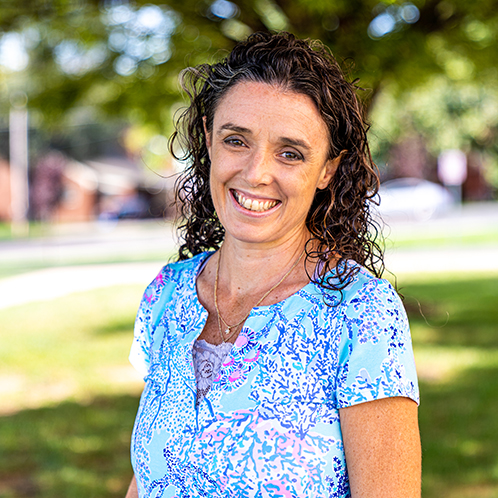
Trenton Agrelius is an Assistant Teaching Professor in the Department of Biological Sciences at the University of Notre Dame, where he has been serving since 2022. His academic journey includes prior roles at the University of South Carolina, where he held positions as Instructor of Record, Research Assistant, and Teaching Assistant. His educational background includes a Ph.D. in Biological Sciences (2022) and an M.Sc. in Marine Science (2015), both from the University of South Carolina, and a B.S. in Biological Sciences from Augusta University (2011). Trenton's research is centered on epigenetics, particularly how environmental cues influence gene expression across generations without altering DNA sequences, using the Daphnia model system. His teaching philosophy emphasizes creativity, engagement, and experiential learning through nontraditional methods such as gameplay and undergraduate research. He believes that failure in the lab is a valuable part of the scientific learning process. His primary research interests include epigenetics, molecular biology, ecology, evolutionary biology, and phenotypic plasticity. He integrates ecological concepts with molecular mechanisms to help students understand complex biological systems. Scientific Awards: Gerald and Antona Wilson Award, University of South Carolina, 2022 Jeffrey Barnesdale Memorial Teaching Fellowship, University of South Carolina, 2020 Incubator for Teaching Innovation, University of South Carolina, 2019–2020 Trenton has been actively involved in teaching innovation and diversity initiatives, having chaired the College of Arts and Sciences Advisory Diversity Committee at UofSC from 2018 to 2020. He is deeply committed to undergraduate research as a vital extension of classroom learning and mentorship. He has developed pedagogical tools that promote accessibility and deeper understanding of complex biological topics. No recent publications are listed in the provided text.
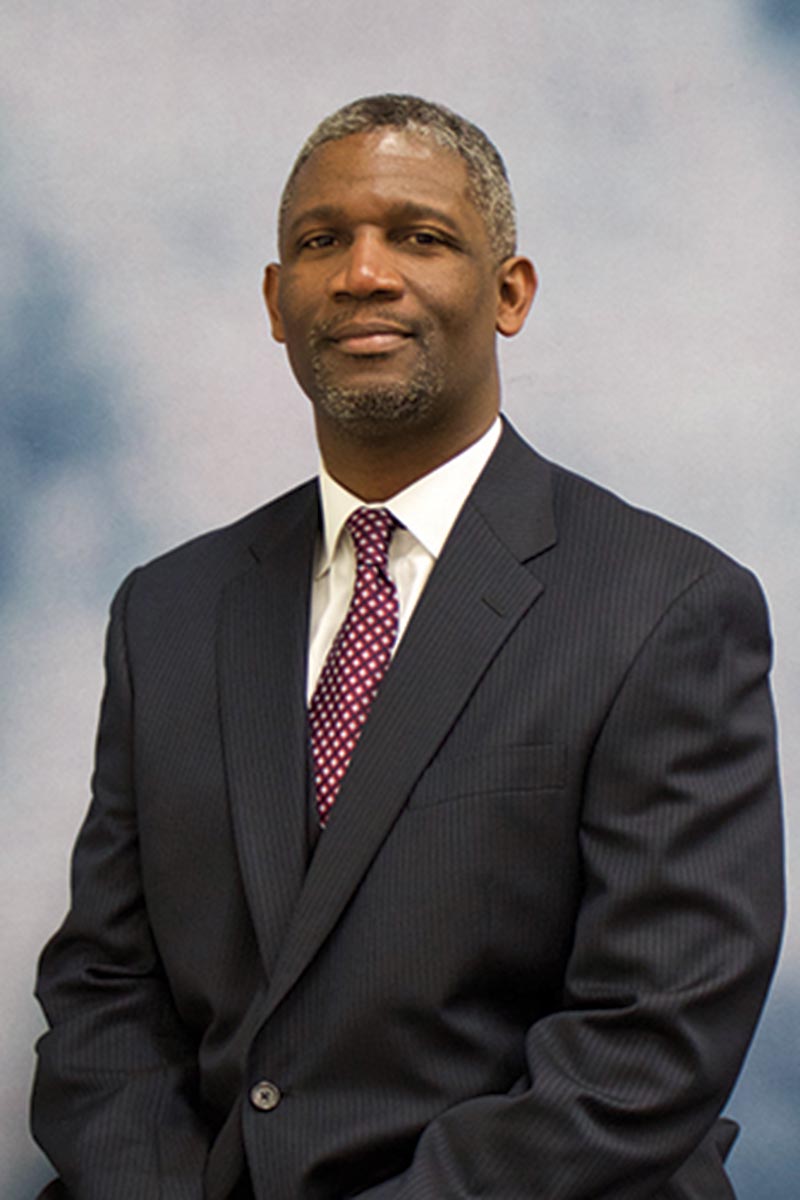
Robin Spaid is an Associate Professor in the Advanced Studies, Leadership, and Policy department at Morgan State University. She holds an Ed.D. from Virginia Polytechnic Institute and State University and was an American Council on Education Fellow (1994-1995). With 30 years of experience in higher education, she has worked extensively with community colleges in administrative and instructional roles, including directing adult education programs at Mount Olive College in North Carolina. Her research focuses on pressing issues in community college education, including food insecurity among students , equity in higher education , and workforce development . She has published on topics such as accelerated cohort programs, part-time faculty challenges, and student support systems. Her work appears in journals like the Journal of Applied Research in Community Colleges and publications by Jossey-Bass and IGI Global. Though her teaching interests span leadership and policy, she emphasizes the intersection of student success and equity in educational structures. Robin Spaid's career reflects a commitment to advancing community college leadership and addressing systemic barriers faced by marginalized student populations. Her collaborations with scholars like R. Gillett-Karam and M.H. Parsons highlight her interdisciplinary approach to educational research.
John A Chapman is a Research Professor in the Department of Bioproducts and Biosystems Engineering at the University of Minnesota. He is a key contributor to the Cold Climate Center of Excellence for Stormwater Infrastructure Technology, focusing on developing engineering solutions for water management in cold climate conditions. His research interests include stormwater management, erosion control, sediment control technologies, and cold climate infrastructure engineering. He has been actively publishing in these areas from 1997 through 2025 with outputs in diverse journals. Dr. Chapman's scholarly work appears in journals such as Scientific Reports, Journal of Irrigation and Drainage Engineering, Ecology and Evolution, and Telemedicine and e-Health. His research addresses practical challenges in urban hydrology and water quality management, particularly in cold climate contexts. He is involved in several research projects including the Cold Climate Center of Excellence for Stormwater Infrastructure Technology and development of erosion control product longevity test methodology for the Minnesota Department of Transportation. His collaborative network includes the University of New Hampshire and the U.S. Environmental Protection Agency. Actively engaged in researching stormwater infrastructure technology since at least 1997 Contributes to UN Sustainable Development Goals related to clean water and sanitation Works on practical engineering solutions for cold climate water management Collaborates across institutions on water resource challenges
Al'ai Alvarez, MD, is a Clinical Associate Professor in the Department of Emergency Medicine at Stanford University School of Medicine. He holds multiple administrative roles, including Director of Well-Being for Stanford Emergency Medicine, Co-Lead of the Human Potential Team, and Fellowship Director for the Physician Wellness Fellowship. His work focuses on physician well-being, diversity and inclusion in healthcare, medical education, and optimizing clinical operations through human-centered design. Residency: Jacobi/Montefiore Residency Program, Albert Einstein College of Medicine (2011) Medical Education: University at Buffalo School of Medicine (2007) Undergraduate: BS in Biological Sciences, Biophysics, and BA in English from SUNY at Buffalo (2002) Burnout Prevention High-Performance Teams Self-Compassion in Healthcare Design Thinking in Clinical Settings Medical Education Innovation His recent publications emphasize standardized evaluation tools (e.g., SLOE 2.0), the integration of traditional and nontraditional educational resources in ultrasound training, and cultural adaptation of wellness initiatives globally. He also explores AI applications in residency selection processes and organizational strategies for sustainable well-being programs. 2019 ACEP DIHE Distance and Impact Award 2020 SAEM ADIEM Outstanding Academician Award 2020 CORD Scholarship in Education Award 2022 John Levin Leadership Award 2024 SHARP Index Physician Leader of the Year Dr. Alvarez co-directs the High-Performance Resuscitation Teams Summit and serves on national committees addressing physician wellness and diversity. He advocates for mindfulness practices, team-building initiatives like the CAMPER program, and structured wellness curricula to combat burnout in emergency medicine.
Elizabeth Rees is a Researcher affiliated with the Center for Teaching and Learning in Engineering Education at the Technical University of Denmark (DTU). Her research focuses on student persistence, nontraditional students, and academic support in engineering education. She holds a PhD in Engineering Didactics, completed under the supervision of L. Duedahl-Olesen, S. Grex, and H. Løje. Her work explores how student beliefs and institutional support influence retention and success, particularly for first-year and nontraditional engineering students. Key methodologies include R Statistical Software for analyzing educational data. Rees has presented her findings at conferences such as SEFI and ETALEE, and organized events like the Management, Innovation, Organization Studies Seminar and DTU National Food Institute Conference . She served as Vice-chairman of the DTU FOOD PhD Committee (2023) and was a guest lecturer at the ETALEE conference.
Dr. Donna L Schuman is an Assistant Professor at the University of Texas at Arlington School of Social Work , with prior faculty roles at the University of Kentucky College of Social Work. She is a Board Certified Biofeedback (BCB) and Neurofeedback (BCN) Fellow through BCIA, and holds Licensed Clinical Social Worker (LCSW) and Licensed Professional Counselor (LPC) credentials. Her work bridges military social work , psychophysiological interventions , and digital health technologies . PhD in Social Work, University of Texas at Arlington (2017) MSW, University of Texas at Austin (2008) MEd in Counseling & Personnel Services, University of Maryland (1995) BA in Psychology, University of Maryland Global Campus (1993) Her research focuses on biopsychosocial sequelae of trauma in veterans, first responders, and military populations, emphasizing nontraditional interventions like virtual reality (VR) and heart rate variability biofeedback . Recent publications examine transdiagnostic emotional distress , gender-specific health behaviors , and VR-based suicide prevention training . Key grant activities include: $100,000 CIGNA grant for Veteran Suicide Assessment in VR (2023) $50,000 UTA seed grant for Rural Veteran Suicide Prevention (2023) NIH-funded studies on alcohol use in women veterans (2025) Award highlights: 2025 President’s Award for Excellence in Teaching 2022 Certificate of Exploration and Innovation Multiple grants and fellowships since 2016 In teaching, she leads courses on Brain and Behavior , Social Theory , and Social Work Research Methods . Her service includes committee roles in health policy, military veteran support, and grant review panels.
Angela Minichiello is an Associate Professor in the Department of Engineering Education at Utah State University’s College of Engineering. She holds a PhD in Engineering Education from Utah State University, an MS in Mechanical Engineering from Georgia Institute of Technology, and a BS in Mechanical Engineering (Aerospace) from the United States Military Academy. A licensed Professional Engineer in Utah and Colorado, she is also a U.S. Army veteran with experience as a thermal-mechanical engineer. PhD, Engineering Education, Utah State University, 2016 MS, Mechanical Engineering, Georgia Institute of Technology, 1997 BS, Mechanical Engineering (Aerospace), United States Military Academy, 1987 Her research centers on engineering education, with a focus on educational technology, distance and online learning, mobile learning, and asset-based frameworks to improve inclusivity and access. She employs qualitative, mixed-method, and multi-method research to study student experiences, particularly those of nontraditional and military-connected students. Her teaching includes foundational courses like Engineering Mechanics Dynamics and Thermodynamics, as well as graduate courses on the foundations of engineering education and qualitative research methodologies. Her recent publications span topics such as emergency remote learning during the pandemic, student well-being, identity development, and design-based research in engineering education. The articles reflect strong interdisciplinary engagement across education, psychology, public health, and engineering practice, with a consistent emphasis on student-centered pedagogy and inclusive learning environments. Selected Awards and Honors: Undergraduate Research Mentor of the Year (2025) Outstanding Graduate Mentor of the Year (2024) Researcher of the Year (2023, 2022) JEE Star Reviewer Award (2021) National Science Foundation Graduate Fellowship (1994) Distinguished Graduate, US Military Academy (1987) Dr. Minichiello has mentored numerous graduate students in Engineering Education and has been recognized repeatedly for her mentorship and scholarly contributions. She has also contributed to curriculum development, including K–12 engineering design resources, and serves as an ABET program evaluator. Her work is deeply committed to transforming engineering education through inclusive, research-informed practices. She leads or contributes to initiatives involving mobile learning tools, narrative inquiry, and the integration of user experience design in STEM education. Her lab and research team focus on developing and evaluating innovative teaching methods and digital tools to enhance student learning and professional development in engineering.
Susan P. Antaramian is an Associate Professor in the Department of Psychology at Christopher Newport University, where she contributes to both teaching and research in psychological science. Her work bridges educational and clinical psychology, with a strong emphasis on youth mental health and development. Research Interests: Positive Psychology and well-being in children and adolescents Dual-Factor Model of Mental Health integrating symptoms and positive functioning Life satisfaction and its impact on academic performance Emotional well-being and student engagement Coping mechanisms in diverse cultural contexts Assessment of psychological health in educational settings Her recent publications (2010–2024) reflect a consistent focus on the interplay between psychological well-being and academic outcomes, particularly using the dual-factor model to understand youth functioning beyond traditional psychopathology. She frequently publishes in journals such as Journal of Happiness Studies , Cogent Education , and American Journal of Orthopsychiatry , and has contributed to major scholarly references like the Encyclopedia of Child and Adolescent Development . Education: Ph.D. in School Psychology, University of South Carolina M.A. in School Psychology, University of South Carolina B.S. in Psychology, The College of William and Mary Teaching: She teaches courses in Child Development, Positive Psychology, Statistical Applications in Social Science Research, Assessment of Learning, and The Exceptional Learner. Professional Activity: Regular presenter at national conferences including the Association for Psychological Science and Virginia Social Science Association Active researcher with ongoing work in adolescent attachment, coping, and mental health profiles Collaborates with students and colleagues on research related to career development, identity, and emotional resources There are no listed scientific awards or grants in the provided material. She advises and mentors students who co-present and co-author with her, indicating an active research lab or team environment focused on youth well-being.
Dr. Sarah Lupo is an Associate Professor in the Middle, Secondary, and Mathematics Department at James Madison University’s College of Education. With over two decades of experience in K-12 education, she specializes in literacy instruction, content-area literacy, and culturally sustaining pedagogy. Her work bridges theoretical research with practical classroom applications to improve literacy outcomes for diverse learners, including English Language Learners and students from nontraditional backgrounds. B.A. in Philosophy, James Madison University M.A. and Ph.D. in Literacy Education, University of Virginia Dr. Lupo’s research examines how text complexity, prior knowledge activation, and differentiated instruction impact comprehension across content areas. Her publications emphasize culturally responsive approaches, interdisciplinary learning, and the Science of Reading, particularly in secondary education. She advocates for leveraging students’ existing knowledge and integrating technology to enhance reading accountability. Dr. Lupo has received prestigious accolades such as the Reading Hall of Fame Emerging Scholars Fellowship, AERA Division C New Faculty Fellow, and Jeanne Chall Fellowship. She co-authored the influential book Teaching Disciplinary Literacy in Grades K-6 (Routledge, 2021) and contributes regularly to journals like Reading Research Quarterly and Review of Educational Research . Media Contact: Chad Saylor ( saylorcx@jmu.edu )
Dr. Jared A. Russell serves as Professor of Kinesiology and Associate Dean for Academic and Faculty Affairs in the College of Education at Auburn University, where he has been a faculty member since 2002. His administrative responsibilities encompass faculty and student success initiatives alongside institutional support processes within the School of Kinesiology. His academic credentials include: Ph.D. in Physical Education & Sport Studies from the University of Georgia (2002) M.A. in Physical Education & Sport Studies from the University of Georgia (1999) B.A. in Health and Physical Education from Morehouse College (1997) Dr. Russell specializes in Physical Education Teacher Education (PETE) with groundbreaking research in social justice, equity, and inclusion within kinesiology and higher education. His work critically examines organizational diversity practices, instructional physical activity programs, and graduate teaching assistant development through transformative pedagogical frameworks. He actively investigates how land-grant university missions intersect with inclusive excellence initiatives and crisis leadership models. Analysis of his 15 most recent publications reveals dominant research trajectories in inclusive excellence implementation (2022-2024), transformative leadership practices (2021-2023), and innovative physical education program development (2020-2022). His scholarship consistently bridges theory and practice through critical reflection frameworks and student-centered decision-making models. Scientific Awards: No scientific awards documented in provided materials As Associate Dean, Dr. Russell directs faculty development initiatives and serves on multiple university committees advancing Auburn's land-grant mission. His leadership includes strategic planning for inclusive excellence, faculty recruitment/retention systems, and community partnership development. While specific grant details are not provided, his work demonstrates sustained commitment to enhancing graduate student research through bridging programs and HBCU-PWI partnerships.
Dr. Emily Hixon is a Professor of Education and Director of the Center for Faculty Excellence at Purdue University Northwest. She specializes in faculty development, online learning pedagogy, and instructional technology integration. Her research examines factors influencing online course quality perceptions among nontraditional students and effective strategies for technology-enhanced collaborative learning. Hixon has received multiple teaching awards including the Purdue University Excellence in Digital Education Scholarship of Teaching and Learning Award. She leads faculty development programs focused on improving online course design and implementing active learning methodologies in technology-rich environments.
Monique Bracken is a Senior Lecturer and full-time business communications instructor at the University of Arkansas - Fort Smith, affiliated with the College of Business and Industry. She serves as Internship Coordinator and Workday Faculty Change Champion. M.S. in College Student Personnel from Arkansas Tech University (2009) B.S. in Business Administration from Arkansas Tech University (2007) Her research focuses on: Stackable/alternate degree programs Experiential learning methodologies Student success metrics Academic leadership practices Monique's publications analyze emerging trends in higher education, particularly the impact of stackable credentials on nontraditional student outcomes and institutional responses to crises like the COVID-19 pandemic.
Jane Habner serves as a Lecturer at Flinders University's Centre for Innovation in Learning and Teaching . She specializes in enabling education, focusing on the academic and cultural transitions of students entering tertiary study, with emphasis on access, equity, and student belonging. Current coordinator of the Military Academic Pathway Program Former coordinator of Flinders Foundation Studies Program and International Foundation Studies Program Doctoral candidate at Griffith University researching decolonizing approaches to academic literacies Her scholarship explores transition pedagogy , assessment literacy, and decolonizing education. Key methodologies include blended learning, multimodal assessment, and cultural deconstruction of academic gatekeeping practices. Jane has presented on measuring student engagement in online environments and enhancing feedback literacy. Jane is an active member of the National Association of Enabling Educators of Australia (NAEEA) and the Association for Academic Language and Learning (AALL) , contributing to the Flinders First Year Community of Practice.
Jeffrey Vance, Ed.D., is an academic professional affiliated with the University of Bridgeport. He currently serves as the Interim Director of the School of Education and holds a full-time faculty position in the same school. Dr. Vance has a multidisciplinary background in education, English, and leadership, with over two decades of experience in teaching, program administration, and research. B.A. in English and History, Saint Joseph's College M.S. in Education (7-12 English Certification), University of New Haven M.A. in English, Southern New Hampshire University Ed.D. in Leadership/International Education, University of Bridgeport Dr. Vance's research focuses on adult learning theory, international education, and STEM workforce development. His work explores how professional development impacts educational leadership and STEM career pathways. He has presented at the NERA conferences in 2019 and 2022 and served as a proposal reviewer for NERA in 2020 and 2023. Dr. Vance's publications include a 2025 journal article co-authored with Dr. John Chick on STEM workforce development and a 2018 mixed-methods study on nontraditional students. These works highlight his expertise in educational equity, adult learning, and curriculum design. The Imogene Okes Award for Outstanding Research in Adult Learning, 2025 (AAACE) Dr. Vance has chaired doctoral dissertation committees and contributed to teacher certification and educational leadership programs. He is actively engaged in peer review and has an additional journal article under peer review.