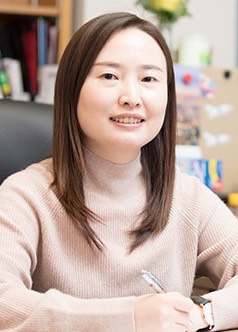
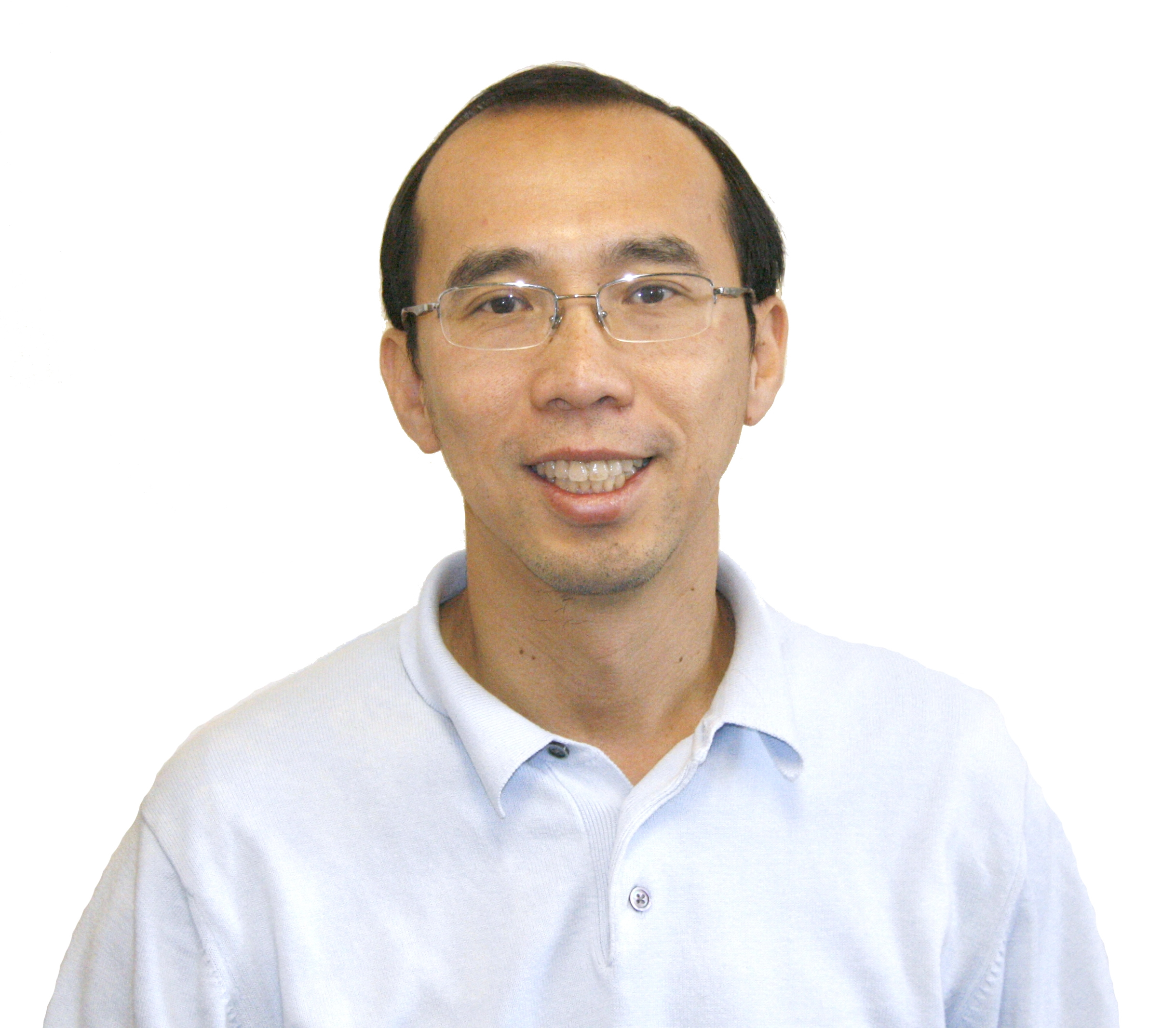
Prof. Waldemar Kolanus leads the Molecular Immunology and Cell Biology department at the University of Bonn's Life & Medical Sciences Institute (LIMES) . His research bridges immunoregulation , stem cell dynamics , and metabolic stress responses in immune cells. Unit 2 member at LIMES Principal investigator in SFB 704 and ImmunoSensation Cluster Leads a multidisciplinary lab with postdocs, PhD students, and technical staff His work focuses on intracellular signaling pathways connecting immune activation to tissue homeostasis, particularly through: Cytohesin proteins in integrin-mediated adhesion and migration TRIM71 in stem cell regulation and congenital hydrocephalus High-salt environments affecting macrophage function Publication trends show expertise in immune cell migration , genetic models , and chemical inhibition , with frequent use of mice and zebrafish for in vivo studies. Key articles explore: TRIM71's dual role in auditory development and germ cell maintenance Cytohesin family's Golgi regulation and insulin signaling Ruxolitinib's off-target migration inhibition of dendritic cells Contact details: Address: LIMES Institute, Carl-Troll-Straße 31, Bonn Email: kolanus.sekretariat@uni-bonn.de Phone: +49 228 73-62788
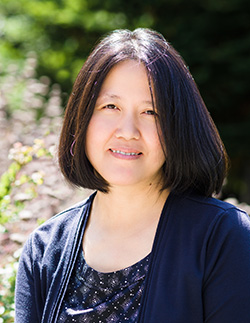
Dr. Beibei Ren is an Assistant Professor in the Department of Mechanical Engineering at Texas Tech University. She earned her Ph.D. in Electrical and Computer Engineering from the National University of Singapore (NUS) in 2010, followed by postdoctoral work at UCSD and a research fellowship at NUS. Education: Ph.D. in Electrical and Computer Engineering (NUS, 2010) Previous Positions: Postdoctoral Scholar (UCSD, 2010-2013), Research Fellow (NUS, 2009-2010) Her research focuses on dynamic systems and control with applications in renewable energy integration, microgrids, UAVs, MEMS, marine systems, and manufacturing. At Texas Tech, she directs the Dynamic Intelligent Systems, Control and Optimization (DISCO) Group , emphasizing robust control strategies for uncertain systems. The 15 most recent publications highlight her expertise in uncertainty and disturbance estimator (UDE)-based control , with applications in smart grid technologies, wind and solar energy systems, quadrotor robotics, and power electronics. Her work bridges theoretical control theory with practical implementations in renewable energy and autonomous systems. STEM Outreach: Actively promotes diversity in engineering through Texas Tech's STEM CORE programs.
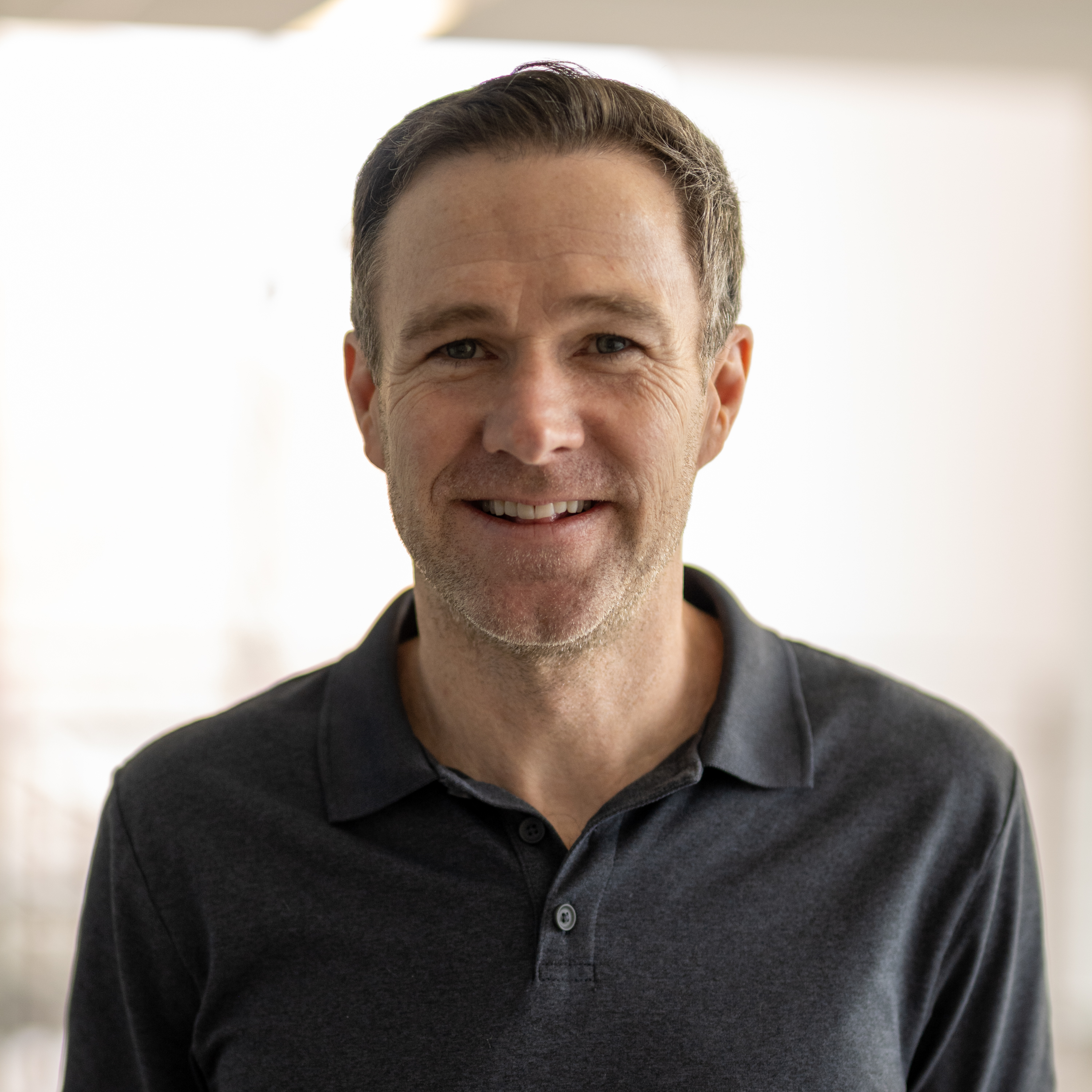
Lin He is the Thomas and Stacey Siebel Distinguished Chair in Stem Cell Research and Professor of Cell Biology and Physiology at the University of California, Berkeley. His laboratory focuses on understanding the biological functions of non-coding RNAs in development and disease, with particular emphasis on microRNAs (miRNAs) in cancer, stem cell biology, and developmental processes. He developed the CRISPR-EZ method for highly efficient mouse genome editing, significantly advancing genetic research. Research interests include miRNAs' roles in tumor progression, metastasis, and pluripotency regulation in stem cells. His work bridges mouse genetics, genomics, and molecular biology to uncover mechanisms governing non-coding RNA functions. Current projects address miRNAs in oncogenesis, stem cell fate determination, and the interplay between non-coding RNAs and retrotransposons in development. Key contributions include identifying miRNA networks in cancer pathways, demonstrating miRNA requirements for ciliogenesis and lung development, and advancing CRISPR-based genome editing techniques. His interdisciplinary approach integrates genetic, genomic, and cellular tools to explore fundamental questions in biology and medicine. Lab website: helabucb.org CRISPR-EZ technology enables 100% genome editing efficiency in mouse zygotes Pioneering studies on miRNA regulation of PTEN, p53, and oncogene pathways
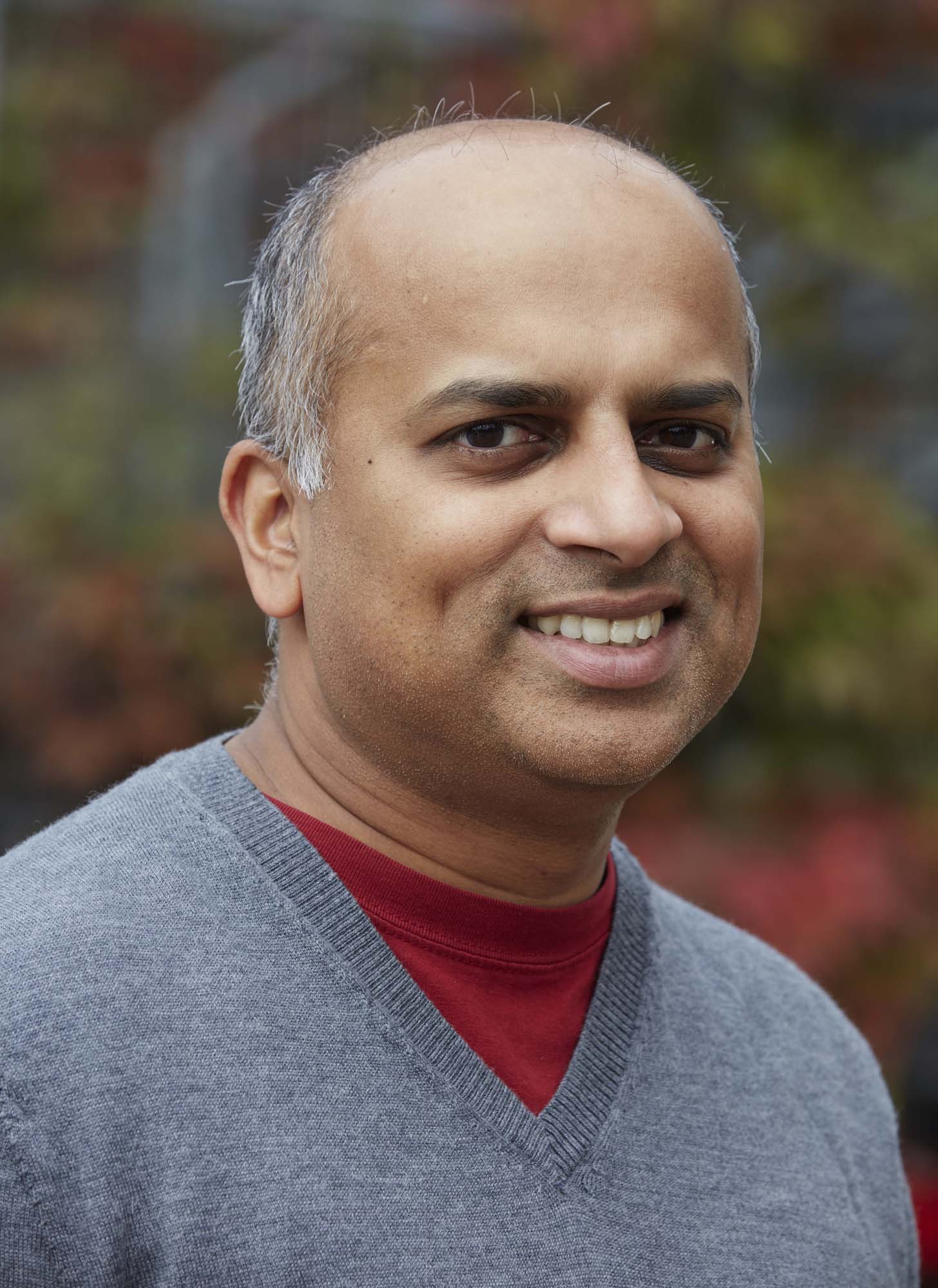
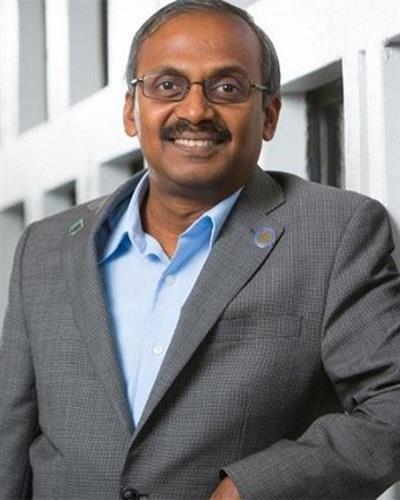
Ramesh Shanmughom Pillai is a Full Professor at the Department of Molecular Biology, University of Geneva, Switzerland. He holds additional roles as a Visiting Professor at the University of Kumamoto, Japan, and has been a Group Leader at EMBL Grenoble and a postdoctoral fellow at the Friedrich Miescher Institute. His research focuses on RNA modifications, epigenetics, and piRNA pathways in germline biology. Pillai has received prestigious awards including the ERC Consolidator Grant and The RNA Society Scaringe Award. Education: BSc Botany (University of Kerala, India) MSc Biotechnology (IIT Roorkee, India) PhD in Cell Biology (University of Bern, Switzerland) Research Interests: Pillai’s work centers on RNA biology, particularly the role of RNA modifications (e.g., m6A, m6Am) in development and fertility. He investigates piRNA biogenesis, transposon silencing, and the molecular mechanisms of RNA-protein interactions. His studies bridge biochemistry, genetics, and structural biology to elucidate how RNA molecules regulate critical biological processes. Teaching & Service: At the University of Geneva, he teaches Molecular Biology courses (BSc/MSc levels) and advises 5 PhD students and 4 postdocs. He chairs the ERC Consolidator Grant Review Panel and organizes major conferences like the PIWI/piRNAs Meeting and Swiss RNA Workshop. Pillai also serves on editorial boards for Nucleic Acids Research and RNA . Awards: ERC Consolidator Grant (2015) Best PhD Thesis Award (2003) RNA Society Scaringe Award (2005) Grants & Labs: Funded by ERC Starting and Consolidator Grants, his lab explores RNA modification networks in germ cells. Former trainees include Professors Simon Conn (Flinders University) and Hao Wu (CAS, China).
Luís Miguel Mendonça Rato is an Associate Professor at the Universidade de Évora and a Senior Researcher with a PhD at Centro ALGORITMI. He is affiliated with the CST R&D Group and VISTA Lab R&D Lab, focusing on interdisciplinary research at the intersection of Electrical Engineering, Computer Science, and Agricultural/Biomedical applications. Academic Degree: PhD Current Position: Associate Professor Labs: VISTA Lab Researcher IDs: ORCID 0000-0003-4492-7548, ResearcherID A-9152-2013, CiênciaID A914-6344-CD2D His research spans machine learning applications in Agricultural Engineering (Sentinel-2 satellite data for nutrient analysis), Biomedical Imaging (MRI-ADC texture analysis for tumor classification), and Control Systems (predictive control algorithms for water delivery canals and solar fields). With an h-index of 11 and 51 publications, his work emphasizes hybrid systems combining traditional engineering with computational innovation. Recent publications highlight trends in SLAM efficiency (2024), cloud service optimization (2022), and deep learning for medical imaging (2022-2023). He has contributed to Smart Cities initiatives through projects like M-Traffic (2006) and NanoSen-AQM (2020). As a senior researcher, he leads projects in the CST R&D Group and VISTA Lab , with notable work in the Universidade de Évora ecosystem.
Prof. Dr. Sven Panke is a Full Professor and Head of the Department of Biosystems Science and Engineering at ETH Zürich. His research focuses on bioprocess engineering, synthetic biology, and enzymatic process development. Key areas include miniaturized bioreactor systems, microbial engineering for novel metabolite production, and high-throughput screening methodologies. Education: Studied Biotechnology at TU Braunschweig, with postgraduate research at the German National Research Center for Biotechnology and ETH Zurich. Transitioned from industry (DSM) to academia in 2001 as an Assistant Professor, progressing to Associate Professor (2007-2009) before leading the BSS department. Research interests emphasize directed evolution of enzymes, metabolic pathway engineering, and systems biology approaches to optimize microbial production systems. Current projects include bio-indigo synthesis, antimicrobial peptide discovery, and synthetic biology tools for cellular engineering. Labs/Teams: Leads the Bioprocess Engineering Lab at ETH Zurich, collaborating on projects like the E. coli import system design and γ-glutamyltransferase engineering. Active in developing microfluidics platforms for parallel reaction analysis. Grants/Advising: Funded by initiatives in sustainable biomanufacturing and synthetic biology. Supervises graduate students in bioprocess design and microbial systems engineering.
Ueli Grossniklaus is an Ordinary Professor at the University of Zurich within the Faculty of Mathematical and Natural Sciences , affiliated with the Department of Plant and Microbiology . His work focuses on plant developmental biology, particularly epigenetic and genetic mechanisms governing reproduction and adaptation. Key Courses: Epigenetics, Plant Biology Workshop, Group Seminars on Current Research Laboratory Techniques: Advanced methods in plant cell mechanics, transcriptomics, and genome editing Research Interests span plant epigenetics, reproductive biology, and the interplay between environmental stress and genetic regulation. He investigates: Mechanistic control of gametogenesis and fertilization Epigenetic contributions to plant adaptation Evolutionary implications of asexual reproduction Biophysical forces in plant cell growth Publication Trends (2025–2018) reveal expertise in: Arabidopsis and fern model systems Epigenetic regulation (DNA methylation, histone dynamics) Apomixis and hybrid seed failure mechanisms Biomechanics of pollen tubes and carnivorous plants Genome editing tools (CRISPR) and long-read sequencing Scientific Collaborations include interdisciplinary projects on: Microfluidic devices for plant cell analysis Gene drive ecology and ethics 3D imaging of plant reproductive structures Advising and Grants focus on mentoring through research internships in developmental biology, genetics, and systems biology. His lab engages in: Epigenetic response to environmental stress Cell wall mechanics in reproduction Computational modeling of plant growth Laboratory Teams integrate plant biologists, bioengineers, and computational scientists to study: Mechanistic gene regulation Evolutionary developmental biology Microrobotics for cellular force measurement
Claudio R. Alarcón is an Associate Professor in Pharmacology at Yale University School of Medicine. His research focuses on RNA metabolism's role in development, health, and disease, particularly RNA modifications and non-coding RNAs. He joined Yale in 2017 after postdoctoral training at The Rockefeller University and holds a PhD from Cornell University (2009) and a BSc from Pontificia Universidad Católica de Chile (1999). Research Interests: Functional roles of m6A RNA modifications MicroRNA biogenesis and cancer progression Non-coding RNA regulation in metastasis Key Appointments: Primary Faculty, Yale Cancer Biology Institute Member, Yale Cancer Center Faculty, Yale Combined Program in Biological and Biomedical Sciences His lab integrates bioinformatics, molecular, and cellular approaches to study cancer metastasis mechanisms, including miRNA processing disruptions and SOX4/TMEM2 pathways linked to clinical outcomes.
Miler T. Lee is an Associate Professor at the University of Pittsburgh , focusing on gene regulation during early embryonic development through high-throughput experimental and computational genomics. He earned his Ph.D. in Genomics and Computational Biology in 2009 from the University of Pennsylvania under Dr. Junhyong Kim, followed by postdoctoral work with Dr. Antonio Giraldez at Yale University. Joining the university in 2016, his research spans maternal-to-zygotic transition (MZT), RNA stability, pluripotency networks, and evolutionary developmental biology, utilizing model organisms like zebrafish, Xenopus, and Hydractinia symbiolongicarpus. Key Research Themes: Maternally inherited RNA dynamics during embryogenesis Mechanisms of RNA degradation and transcriptome remodeling Evolution of pluripotency networks in hybrid species Role of zinc signaling in fertilization barriers Computational tools for RNA regulation and sensing Scientific Awards: Pan-American Society for Evolutionary Developmental Biology Junior Faculty Award (2024) Outstanding New Investigator – International Xenopus Board (2023) Basil O'Connor Scholar – March of Dimes (2017-2019) Recent publications highlight his work on enhancer classification, RNA degradation mechanisms, and cross-species MZT comparisons. His lab develops innovative methods like RESA for regulatory sequence analysis and studies evolutionary divergence in RNA localization patterns. While the articles span computational and experimental approaches, they consistently address RNA's role in cellular identity, developmental timing, and evolutionary adaptation. Applications include understanding pluripotency, designing RNA biosensors, and elucidating fertilization barriers. Prospective Ph.D. students are encouraged to contact him for opportunities in gene regulation, development, evo-devo, and computational genomics.
Anne G Hoen is an Associate Professor at the Geisel School of Medicine , Dartmouth College, with joint appointments in Epidemiology , Biomedical Data Science , and Microbiology and Immunology . Her research focuses on microbiome development in infants, environmental exposures, and their associations with health outcomes, using interdisciplinary approaches including statistical modeling and bioinformatics. Research Interests: She explores how microbial communities in early life influence disease risk through environmental and dietary factors. Her work integrates microbiome-metabolome interactions, computational methods for microbial network analysis, and epidemiological studies of infectious diseases. Recent Article Trends: 2025-2024 publications highlight maternal diet-microbiome links, microbial interaction networks, ECHO consortium collaborations, and novel computational approaches for microbiome data. Key sub-fields include perinatal exposome, microRNA profiling, and longitudinal metabolomic analysis. Scientific Awards: K01LM011985: Bioinformatics strategies for early life microbiomics R01LM012723: Multi-omic functional integration using networks Advising: Mentors current PhD students in Dartmouth's Quantitative Biomedical Sciences (QBS) program, including Becky Lebeaux and Quang Nguyen, while alumni like Sara Lundgren and Wes Viles hold postdoctoral and academic positions.
Raymond T. Ng is a Professor of Computer Science at the University of British Columbia (UBC) and serves as Director of the Data Science Institute . In addition, he is the part-time Chief Informatics Officer at the PROOF Centre of Excellence for the Prevention of Organ Failures located at St Paul’s Hospital. Since 2016 he has held the prestigious Canada Research Chair in Data Science and Analytics. Education B.Sc. (Hons.) Computer Science, University of British Columbia, 1986 M.Math. Computer Science, University of Waterloo, 1988 Ph.D. Computer Science, University of Maryland, College Park, 1992 Research Interests Professor Ng’s research lies at the intersection of data mining , text mining , health informatics , sensor analytics , and databases . Over the past decade he has focused on two major domains: Genomics & Biomarker Discovery: Developing multi-omics biomarker panels for heart, lung and kidney transplant rejection and COPD exacerbations using transcriptomics, proteomics and metabolomics data. Natural Language Processing: Mining and summarizing conversational text such as emails, blogs and meeting transcripts to generate structured metadata and actionable insights. Scientific Awards Canada Research Chair in Data Science and Analytics (2016-2026) Best Paper Award, ACM SIGMOD 2004 Best Paper Award, ACM SIGKDD 2001 Selected among Best Papers of VLDB ’99 & ’98 Governor General’s Gold Medal, UBC (1986) Research Funding & Leadership Since joining UBC in 1992, Professor Ng has continuously secured major peer-reviewed funding from NSERC, CIHR, Genome Canada, CFI, MITACS and industry partners (Google, IBM, SAP). He leads or co-leads several large-scale initiatives: HEARTBiT multi-marker blood test for cardiac transplant rejection (CIHR 2018-2021) MERIDIAN ocean acoustic data infrastructure (CFI 2018-2021) Pan-Canadian Early Detection of Lung Cancer (Terry Fox 2018-2021) Business Intelligence Network (NSERC 2009-2014) Multiple Genome Canada programs on biomarker translation (2004-2018) Laboratories & Teams Professor Ng directs the Data Science Institute and works closely with the Natural Language Processing Research Group . At the PROOF Centre he heads a multidisciplinary team of statisticians, computer scientists and clinicians advancing computational biomarker pipelines from discovery to clinical implementation.
Christopher S. Sullivan is a Professor in the Department of Molecular Biosciences within the College of Natural Sciences at the University of Texas at Austin. He directs an active research laboratory focused on viral non-coding RNA biology and host-pathogen interactions, with continuous funding evidenced by publications spanning 2005-2025. His work bridges molecular virology, immunology, and RNA biology through investigations of tumor viruses and host defense mechanisms. Research interests center on the role of non-coding RNAs in viral infection and host defense pathways, with particular emphasis on viral microRNAs , RNA interference mechanisms , and host-pathogen coevolution . His lab studies diverse virus families including Polyomaviridae, Herpesviridae, Retroviridae, and avipoxviruses, with key discoveries regarding viral miRNA functions in tumorigenesis and immune evasion. Research approaches integrate molecular virology, next-generation sequencing, and computational analysis to dissect RNA-based regulatory networks. Publications reveal consistent focus on viral non-coding RNA functions, particularly how viruses exploit host RNA machinery (notably DUSP11 phosphatase) to modulate immune responses. Recent work (2021-2025) expands into viral shedding dynamics, SARS-CoV-2 diagnostics, and circular RNA biology in polyomaviruses, demonstrating evolving yet cohesive research trajectory in RNA-virus interactions. Scientific contributions include: Pioneering identification of viral microRNAs across multiple virus families Discovery of DUSP11's critical role in RNA triphosphate regulation during infection Mechanistic insights into viral evasion of RNAi and innate immunity Development of novel RNA-based detection methods The Sullivan lab maintains active collaborations through the Center for Systems and Synthetic Biology, John Ring LaMontagne Center for Infectious Disease, and Interdisciplinary Life Sciences Graduate Programs. Lab culture emphasizes collective scientific inquiry with stated mission to 'increase understanding of pathogen-host interactions while enjoying the company of fellow lab members.' Current research directions include viral exploitation of RNA modification pathways and identification of novel host defense mechanisms using viruses as 'molecular divining rods.'
Dr. David T Wong is a Professor in the Dentistry Department and Head and Neck Surgery at the University of California Los Angeles. With dual appointments across departments, he leads groundbreaking research at the intersection of molecular biology, diagnostics, and oral medicine. His work has established UCLA as a global leader in salivary diagnostics research. Dr. Wong earned his BSc in Biochemistry from Simon Fraser University in 1977, followed by a DMD in Dental Medicine from the University of British Columbia in 1981. He completed advanced training at Harvard with a DMSc in Molecular Biology (1985) and a Certificate in Oral Pathology from Harvard School of Dental Medicine (1985). His research focuses on salivary diagnostics for disease detection, particularly in oral/head and neck cancer. Dr. Wong pioneered the field of "Salivaomics" - the comprehensive study of saliva as a diagnostic fluid containing proteomic, genomic, transcriptomic, metabolomic, and microbiome information. His laboratory spearheads high-throughput technologies to identify genomic and proteomic determinants of oral cancer progression, with emphasis on developing non-invasive diagnostic tools. Key areas include liquid biopsy technologies (particularly saliva-based), extracellular RNA communication, and the development of point-of-care diagnostic devices like the Oral Fluid NanoSensor Test (OFNASET). Analysis of his recent publications reveals a strong trend toward clinical translation of salivary biomarkers, with increasing focus on Sjögren's Syndrome diagnostics, liquid biopsy applications for cancer detection, and the development of novel technologies like EFIRM (Electric Field-Induced Release and Measurement) for ultra-sensitive detection of biomarkers in saliva. His work bridges basic science with clinical applications, particularly in early cancer detection and monitoring. Dr. Wong has received extensive NIH funding as Principal Investigator for numerous projects, including multiple R01, U01, and T32 grants focused on salivary diagnostics, oral cancer biomarkers, and dentist-scientist training programs. His research funding spans over two decades, demonstrating sustained impact and relevance in the field. He leads the Wong Lab, which functions as an interdisciplinary research hub bringing together experts in molecular biology, engineering, dentistry, and oncology. The lab has been instrumental in establishing saliva as a viable biofluid for liquid biopsy applications, particularly for detecting actionable mutations in human cancers. Current research directions include refining EFIRM technology for clinical implementation and expanding the applications of salivary diagnostics to systemic diseases beyond oral conditions.
Abani Patra is a Professor of Computer Science, Mathematics, Mechanical Engineering, and Civil and Environmental Engineering at Tufts University. He also serves as the Center Director for Data Science at the Tufts Institute for Artificial Intelligence (TIAI). His research focuses on computational sciences and data-driven modeling, with applications spanning environmental systems, biomedical imaging, and geophysical hazards. He has directed major initiatives at the National Science Foundation (NSF) and U.S. Department of Energy (DOE), and previously founded the Institute for Computational and Data Sciences at the University at Buffalo. Education: PhD in Mathematics, University of Texas, 1995 MS in Mechanical Engineering, University of Missouri, 1990 BSc in Engineering, Birla Institute of Technology & Science, India Research Interests: Large-scale computational modeling and uncertainty quantification Data-driven approaches for geophysical hazards (e.g., debris flows, volcanic eruptions) Biomedical imaging and metabolic analysis Open science platforms for glaciology and volcanology Key Projects: Developed the Ghub platform for open cryosphere research Launched VICTOR, a cyberinfrastructure for volcanology Advanced AI-driven techniques for postfire debris flow prediction Grants & Leadership: Directed NSF and DOE programs in computational science PI for NSF Cyberinfrastructure grants Former director of the Institute for Computational and Data Sciences
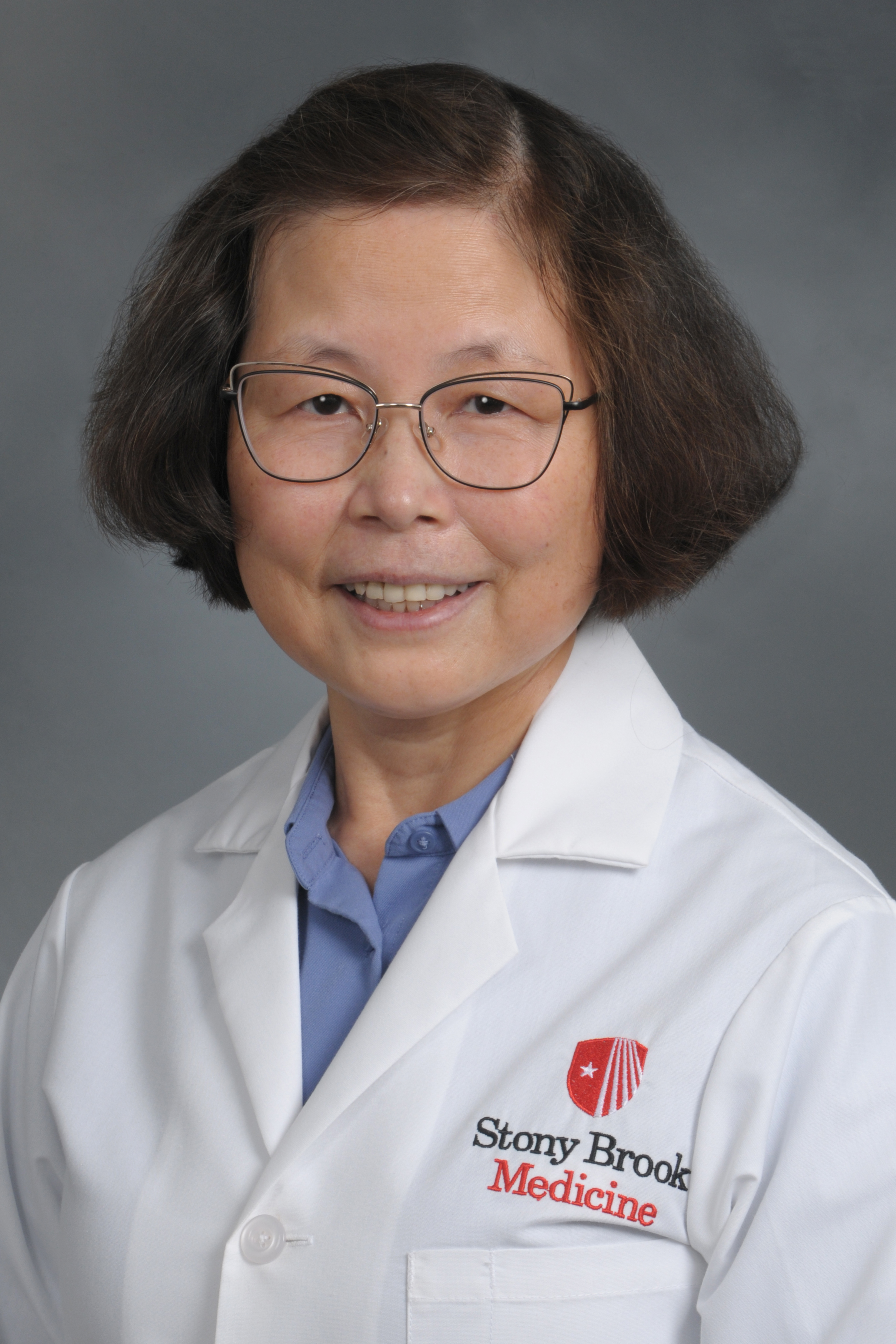
Zhishan Wang, MD, PhD is a Research Professor in the Department of Pathology at Stony Brook University's Renaissance School of Medicine . His work focuses on environmental carcinogenesis , particularly mechanisms of cancer biology and cancer therapy , with a specialization in metal-induced carcinogenicity. Research Interests: Environmental Carcinogenesis Epigenetic and Epitranscriptomic Mechanisms Tumor Microenvironment Remodeling Metal Toxicity Pathobiology Non-Coding RNA Regulatory Networks Scientific Contributions: Analysis of 15 recent publications reveals expertise in: Metal-Induced Oncogenic Pathways (e.g., NF-κB activation, Hedgehog signaling) RNA Modification Dynamics (m6A, lncRNA-splicing interactions) Stem Cell Plasticity in Carcinogenesis Multi-Carcinogen Synergy Mechanisms Epigenetic-Genotoxic Interplay Transcriptomic Reprogramming by Toxicants