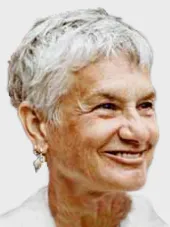
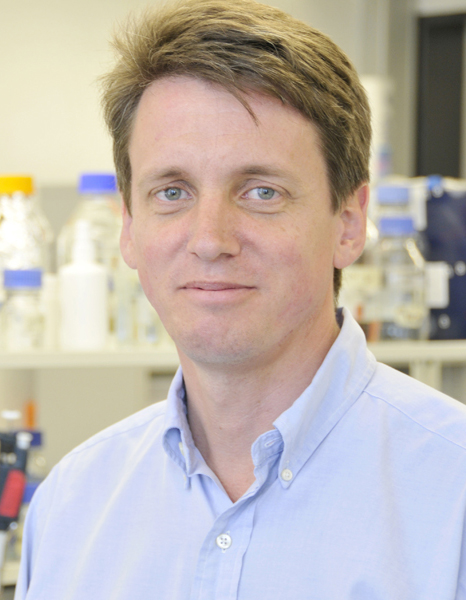
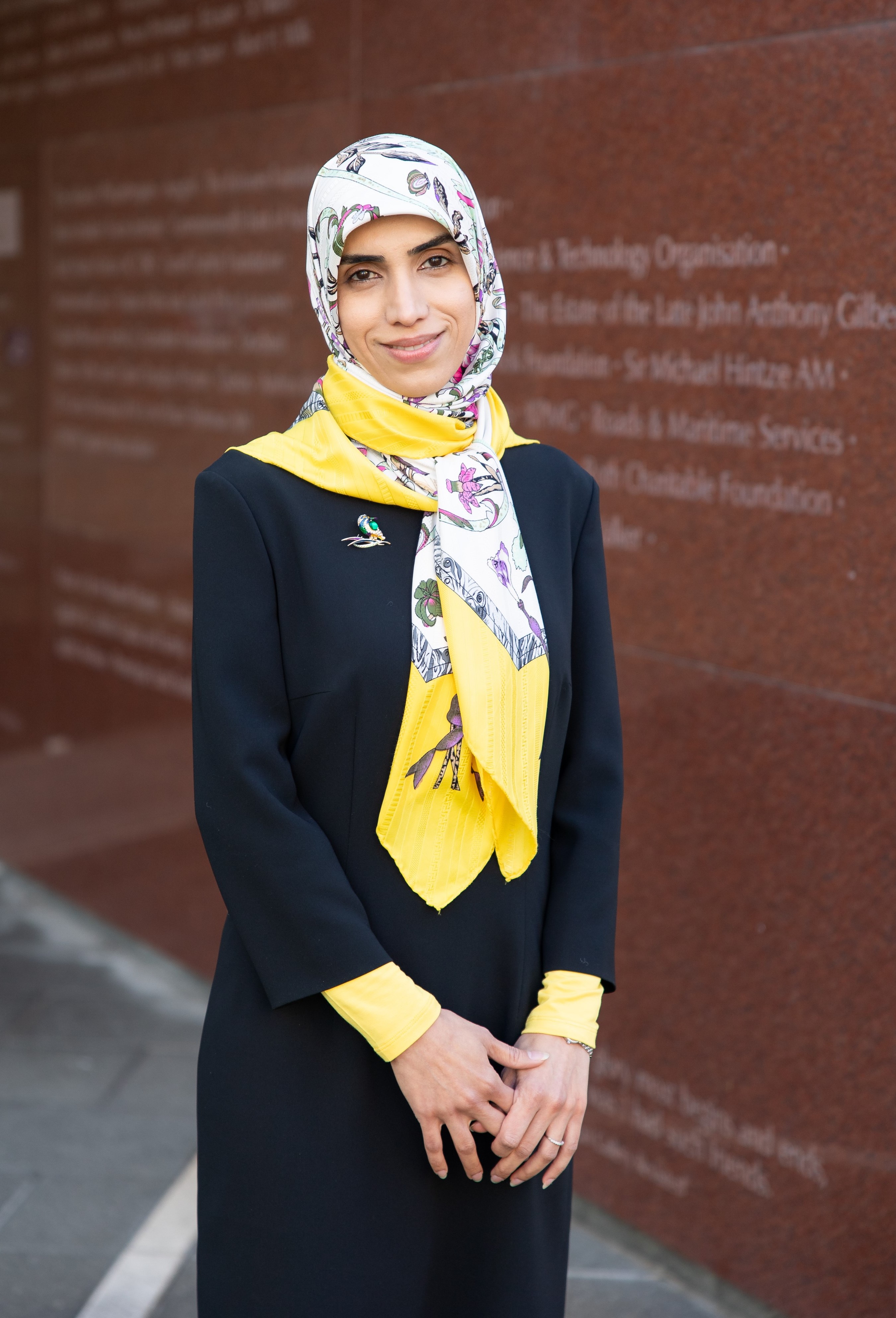
Prof. Mahdi Sareban is a full professor at the University of Salzburg's University Institute for Preventive and Rehabilitative Sports Medicine. His research focuses on digital health applications in cardiac rehabilitation, decision-making processes in healthcare, and healthcare professional training. He has authored/co-authored over 77 publications since 2007 and actively participates in organizing major conferences like the Salzburg Digital Health and Prevention Days. His work includes projects such as the EPICURE initiative exploring personalized digital interventions for cardiovascular patients. He holds leadership roles in workshops like the Internistisch Physiologischer Grundkurs and collaborates with institutions worldwide on telehealth and biometric data analysis. Research interests span digital health frameworks, miRNA expression in exercise physiology, and policy barriers for digital therapeutics. Recent studies emphasize patient-centric tools for physical activity planning and reimbursement challenges in Austria.
Gilles Peslherbe is a Professor at Concordia University, cross-appointed in the departments of Chemistry and Biochemistry , Physics , and Chemical and Materials Engineering . He leads the Centre for Research in Molecular Modeling (CERMM) and supervises graduate students in programs spanning Chemical Engineering, Chemistry, Physics, and Nanoscience. PhD in Physical Chemistry with Minor in Computer Engineering (Wayne State University, USA) Diplôme d'Ingénieur Chimiste (Ecole Supérieure de Chimie Industrielle de Lyon, France) His research integrates computational chemistry , quantum mechanics , and machine learning to model chemical processes in extreme conditions, drug delivery systems, and environmental impact assessments. Collaborative projects include studies on spin catalysis , nanostructured materials , and RNA structure fundamentals . Recent publications highlight applications of artificial intelligence in therapeutics development , density-functional theory in nanomaterials , and ultrasfast spectroscopy in electron solvation . His work bridges quantum computing and biological simulations . Teaching includes courses on quantum theory , computational chemistry , and statistical mechanics . He actively seeks students for ongoing projects in chemical interactions in extreme conditions and environmental remediation .
Bénédicte Dubois is a full professor at the Faculty of Medicine, KU Leuven , leading the Experimental Neurology Research Group and the Laboratory for Neuroimmunology . She is also a member of the KU Leuven Brain Institute and KU Leuven Cancer Institute , focusing on neuroimmunology and multiple sclerosis (MS) research. Researcher - Experimental Neurology Research Group, KU Leuven Chair - Academic Consultants for Medicine, KU Leuven Research Interests : Her work spans neuroimmunology , multiple sclerosis , and neuroinflammation , with expertise in single-cell transcriptomics , microglial activation , and Epstein-Barr virus interactions in MS. Key projects include: Exploring exosomal miRNA and Epstein-Barr virus mechanisms in MS Decoding pathogenetic pathways in MS using multimodal single-cell analysis Investigating natural killer cell subsets in MS brain pathology Validating MRI-based brain atrophy measurements for MS patients Publications : Recent studies highlight her contributions to MS prognosis via biomarkers like CHIT1, optical coherence tomography as a predictive tool, and genetic mosaicism in immune cells. Her work is frequently presented at major conferences like the Joint ECTRIMS-ACTRIMS meeting. Academic Contributions : She supervises numerous PhD students, serves on institutional councils (including the Faculty Council of Medicine ), and leads multidisciplinary collaborations. Her research integrates clinical neurology , genomics , and immunology to advance MS understanding.
Ning Yu serves as an Associate Professor in the Department of Computing Sciences within the School of Arts & Science at State University of New York Brockport. He earned his Ph.D. in Computer Science from Georgia State University and joined SUNY Brockport in 2017 after serving as a Tenure-Track Assistant Professor at the University of South Carolina Upstate. Georgia State University, Computer Science, Ph.D. Southern Illinois University Carbondale, Computer Science, M.S. Dr. Yu's research spans artificial intelligence, network and information security, big data analytics, deep learning, and cloud computing with significant applications in bioinformatics. His work demonstrates a clear progression from foundational AI and security research toward specialized applications in healthcare and energy systems. The most recent publications show increased focus on graph-based deep learning approaches for biomedical problems, particularly in cancer genomics and drug response prediction. His scholarly impact includes over 40 publications in prestigious venues including ACM/IEEE Transactions, BMC, PLoS, and Information Sciences. The publication trend reveals consistent output with increasing emphasis on interdisciplinary applications, particularly at the intersection of AI and biomedical research. Teacher of The Year, School of Science and Art, SUNY Brockport 2022-2023 Influential Professor 2022, SUNY Brockport, Fall 2023 Provost Post-Tenure Scholarship Award, $3,500, SUNY Brockport, Spring 2024 Google Research Credits Grants (2018, 2020-2021) WORLDWIDE TOP 10 FINALISTS, IBM 2017 Watson Analytics Global Competition As an educator, Dr. Yu has mentored numerous undergraduate researchers who have presented at national conferences including NCUR and SURC. He founded SUNY Brockport's first ACM SIGAI Student Chapter and has secured significant funding including a multi-campus SUNY IITG grant for AI education development. His research group actively recruits students for projects involving cloud development (Azure/GCP/AWS), CI/CD, Docker/K8s, and software architecture. Prior to academia, Dr. Yu accumulated 10 years of professional experience in software development and system networking with certifications from Cisco, Microsoft, and Google.
Dr. Amity L. Manning is the Helen G. Vassallo Distinguished Presidential Professor in the Department of Biology and Biotechnology at Worcester Polytechnic Institute (WPI). Her research focuses on understanding cellular mechanisms maintaining genome stability in normal cells and their corruption in cancer cells, particularly studying chromosome instability (CIN) and its role in tumor evolution. She holds a BS from Brandeis University (2002) and a PhD from the Geisel School of Medicine at Dartmouth (2008). Her work combines molecular biology, bioinformatics, and imaging to identify therapeutic targets for cancers exhibiting genomic instability. Key areas include RB tumor suppressor regulation, centrosome dynamics, and mitotic error correction. Recent grants include a $1.1M NSF CAREER Award and an American Cancer Society Research Scholar Grant. She advises multiple PhD students and postdoctoral researchers through the Manning Lab at WPI's Life Sciences & Bioengineering Center. Her lab's discoveries highlight how manipulating CIN can exploit cancer vulnerabilities, including enhanced drug sensitivity through PARP inhibition and suppression of acquired resistance via cohesion modulation. Publications span high-impact journals like Nature and Molecular Cancer Therapeutics . Dr. Manning actively collaborates on projects involving mathematical modeling of spindle dynamics and epigenetic regulation of mitosis. Her lab hosts annual symposia, summer internships, and international collaborations, emphasizing training the next generation of cancer researchers. Current projects target STK25-LATS signaling pathways and PUMILIO-mediated miRNA processing in cancer progression.
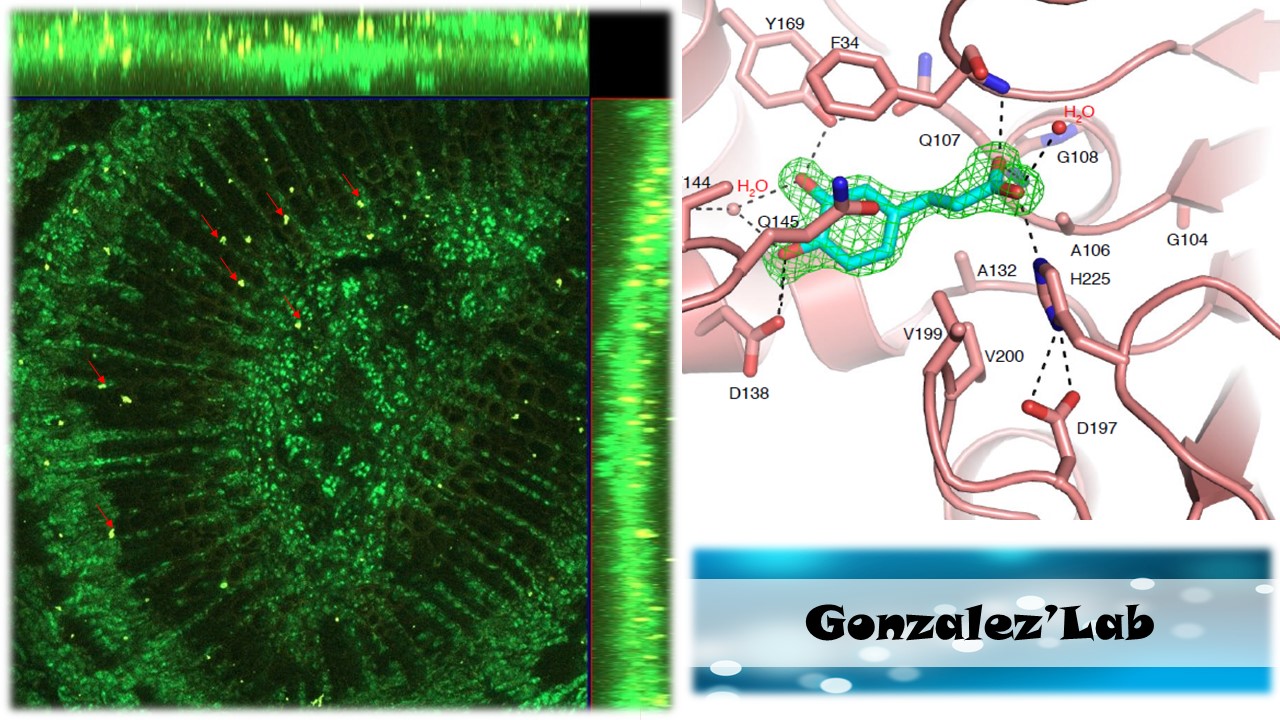
Claudio Gonzalez is a Professor in the Department of Microbiology & Cell Science at the University of Florida. His research focuses on understanding host-bacteria interactions, particularly the molecular mechanisms underlying probiotic effects and bacterial pathogenesis. He is affiliated with the UF Genetics Institute and directs the Gonzalez Lab, which employs advanced molecular biology and analytical techniques to study enzymatic pathways, extracellular vesicles, and immune modulation. His work integrates microbiology, immunology, and biotechnology to address challenges in human health, such as diabetes prevention and infectious disease control. Key areas include probiotic Lactobacillus strains' roles in modulating immune responses and their potential for therapeutic applications. Recent studies highlight his lab's contributions to understanding how probiotics influence dendritic cell behavior, inhibit viral replication, and enhance gut health through extracellular vesicle-mediated signaling. His research also addresses agricultural challenges, such as optimizing forage digestion and combating plant pathogens like Liberibacter asiaticus. Publications emphasize translational applications, including probiotic formulations, EV-based therapies, and enzymatic solutions for biofuel production. Collaborations span disciplines from clinical trials to agricultural biotechnology, underscoring the lab's interdisciplinary approach.
Stefan Hüttelmaier is a Full Professor of Molecular Cell Biology at Martin-Luther University Halle-Wittenberg, Germany. He leads the Core Facility Imaging at the Charles Tanford Protein Center and directs research into RNA-binding proteins' roles in cancer. His career includes postdoctoral work at Albert Einstein College of Medicine and leadership roles in the RTG 1591 research group. His work focuses on RAVER1 protein dynamics, perinucleolar compartments, and RNA metabolism in cancer progression. Education: PhD in Biotechnology (2000, University of Braunschweig), postdoctoral training at Albert Einstein College of Medicine (2001–2004). Academic milestones include Associate Professor (2009) and Full Professor (2014) positions. Research spans RNA-protein interactions, cancer biology, and translational mechanisms in tumors. Key research interests include RNA-binding proteins' roles in cancer (RAVER1, IGF2BP1), alternative splicing, and miRNA regulation. His lab investigates how these molecules influence cancer cell behavior, metastasis, and therapeutic resistance. Recent work highlights druggable targets like IGF2BP1 and mechanisms linking RNA modifications to oncogenesis. Leadership roles include RTG 1591 speaker and Core Facility director. Publications emphasize RNA biology in cancer, with contributions to understanding post-transcriptional control and therapeutic strategies targeting RNA pathways. His interdisciplinary approach combines molecular biology, biochemistry, and computational modeling to address clinical challenges in oncology.
David A. Mills is a Distinguished Professor in the Department of Food Science and Technology and Viticulture & Enology at the University of California, Davis, holding the Peter J. Shields Chair in Dairy Food Science. His research focuses on the molecular biology and ecology of beneficial bacteria in gut health and fermented foods, particularly the role of human milk oligosaccharides (HMOs) in infant nutrition and microbial symbiosis. He leads a lab translating microbiome science into commercial innovations, such as probiotic development and food biotechnology. Dr. Mills has mentored over 30 graduate students and postdoctoral researchers, generating over 210 publications. His work spans glycomics, microbiome analysis, and food processing technologies. Notable contributions include seminal studies on lactic acid bacteria and bifidobacterial genomics, and the creation of the Davis Food Glycopedia. Awards include the American Academy of Microbiology Fellowship (2015), Clarivate Analytics' Highly Cited Researcher designation (2018–2024), and the UC Davis Distinguished Professor title (2024). His research has launched multiple startups and influenced global food science and public health initiatives. Research themes emphasize interdisciplinary approaches to understanding microbiome-host interactions, pre/probiotic efficacy, and sustainable food systems. Current projects investigate dietary carbohydrates' impact on health, microbial fermentation dynamics, and engineered plant systems for producing HMO analogs.
Patrizia Proia is an Associate Professor at the University of Palermo, Department of Psychological, Pedagogical, Physical Exercise and Training Sciences. Her research focuses on exercise physiology, sports genetics, and neurobiological mechanisms linked to physical activity. She teaches courses in biochemistry, physiology of nutrition, and sports training adaptation. Current research on microbiome-exercise interactions Developing protocols for MS and Parkinson's rehabilitation Investigating genetic polymorphisms in elite athletes Exploring nutrigenomics and functional foods Recent publications analyze: Muscle regeneration through probiotic supplementation Impact of nanotechnological devices on pain management Epigenetic regulation of executive functions Bone health in gymnasts and cancer patients Role of gut microbiome in exercise response
Igor Spigelman is a Professor in the Dentistry Department at the University of California Los Angeles (UCLA), with a robust research program spanning neuroscience, alcohol effects on the brain, pain mechanisms, and cannabinoid pharmacology. His work bridges dental and medical neuroscience, focusing on the neural mechanisms underlying pain, addiction, and stress responses. Spigelman's research interests primarily center on neurophysiological mechanisms of pain and addiction. His laboratory investigates GABAergic neurotransmission, trigeminal system function, and the molecular basis of alcohol dependence. He has made significant contributions to understanding how chronic alcohol exposure alters neuronal function in brain regions involved in stress response and reward processing. His work on peripheral cannabinoid receptors has implications for developing novel pain therapeutics without central side effects. Recent research has expanded into AI applications for neurodegenerative disease biomarker discovery, particularly for ALS. Analysis of his publication record reveals consistent research themes across three decades: the neurobiology of alcohol dependence, trigeminal pain pathways, and GABA receptor plasticity. His most cited work focuses on ethanol-induced changes in GABA receptor function and the role of peripheral cannabinoid receptors in pain management. The research demonstrates strong translational potential, with several publications exploring therapeutic approaches for alcohol use disorders and chronic pain conditions. Spigelman's laboratory has maintained active collaborations across multiple institutions, with frequent co-authorship with researchers from UCLA's neuroscience, psychology, and medical departments. His work shows consistent funding support as evidenced by the sustained publication record and involvement in NIH T32 training grants mentioned in the departmental information.
Priscilla A. Furth is a Professor at Georgetown University's Department of Oncology and Medicine, with a distinguished career in disease pathophysiology and cancer research. She serves as an Anna Boyksen Fellow at the Technical University of Munich Institute for Advanced Study (TUM-IAS) since 2023, focusing on experimental bioinformatics and gender diversity in science. M.D. from Yale University (1979) Associate Dean for Faculty Development at Georgetown (2013–2021) Her research integrates bioinformatics and gene-regulatory mechanisms to analyze estrogen signaling pathways in breast cancer risk across diverse gender expressions. She pioneered investigations into circular RNA (circRNA) roles as biomarkers and explores their modification through anti-hormonal therapies. Current article trends show interdisciplinary work bridging quantum computing with network medicine , while maintaining focus on hormonal cancer mechanisms and vaccine immunology . Her 2024 publications emphasize multi-omics data integration and gender-inclusive oncology . Scientific recognition includes: 2023 Anna Boyksen Fellowship 2021 Women in Pathology Spotlight 2020 Excellence in Mentorship Award 2010 Georgetown Women in Medicine Award As Associate Dean, she developed faculty growth programs and continues mentoring through her TUM-IAS fellowship collaborations.
Pagona Papakonstantinou is a Professor of Advanced Materials at Ulster University's School of Engineering, focusing on the synthesis and application of nanomaterials in energy, structural, and healthcare sectors. She leads high-impact research initiatives supported by the US Air Force Office of Scientific Research and the Department for Economy, Northern Ireland. BSc (Hons) in Physics, Aristotle University of Thessaloniki (1988) PhD in Physics, Queen’s University Belfast (1994) Her research expertise spans graphene and 2D materials, electrochemistry, biosensors, and structural composites. She employs plasma-enhanced CVD, solution-based strategies, and x-ray spectroscopies to investigate synthesis-structure-property relationships, enabling fine-tuning of electrochemical-mechanical properties for energy storage, fuel cells, and biosensing. Recent publications highlight her work on biodegradable electrode substrates, flexible electrochemical sensors for biomarker detection (e.g., Cystatin C), and graphene-Prussian blue-chitosan systems for monitoring peroxide in microbial cultures. She also explores photovoltaics with MoS2 quantum dots and laser-induced graphene for wearable health monitoring. Scientific Awards: Invited Fellow of the Royal Society of Chemistry (FRSC) Royal Academy of Engineering/Leverhulme Trust Senior Fellowship (2011) Distinguished Research Fellowship, Ulster University (2003) Prof. Papakonstantinou collaborates with institutions such as the British Council and has contributed to patents and licenses for graphene-based technologies. Her research aligns with UN Sustainable Development Goals in renewable energy and health.
Markus Stoffel is a Full Professor at the Department of Biology, ETH Zurich, Switzerland. His laboratory is located at Otto-Stern-Weg 7, 8093 Zürich. As a leading researcher in metabolic diseases, Prof. Stoffel investigates the fundamental molecular mechanisms that regulate glucose and lipid metabolism through transcriptional and translational regulators controlling energy homeostasis in pancreatic β-cells, liver, fat, and hypothalamus. Prof. Stoffel's research program spans multiple interconnected domains of metabolism and gene regulation. His laboratory investigates insulin signaling pathways across metabolic tissues, with particular focus on the transcription factor Foxa2 and its role in lipid metabolism and ketogenesis. His team studies the MODY transcription factor network (Hnf-1α, Foxa1, Hnf-4α and Pdx-1) and its critical function in pancreatic β-cell biology. Additional research streams include pancreatic islet growth and regeneration mechanisms, microRNA regulatory networks in metabolic tissues, HDL metabolism and reverse cholesterol transport, and population genetics of type 2 diabetes in founder populations. Analysis of Prof. Stoffel's publication record from 2021-2023 reveals a sophisticated integration of molecular biology, systems approaches, and translational research. His recent work demonstrates significant contributions to understanding pancreatic β-cell function in diabetes, molecular mechanisms of pancreatic cancer, microRNA regulation in metabolic homeostasis, and novel imaging techniques for metabolic processes. A unifying theme across his publications is the investigation of transcriptional and post-transcriptional regulatory networks that maintain metabolic balance and their dysregulation in disease states. Prof. Stoffel actively recruits and mentors the next generation of scientists, currently seeking both postdoctoral fellows directly through his laboratory and PhD students through the Systems Physiology and Metabolic Diseases (CC-SPMD) program at ETH Zurich. His research group maintains extensive collaborations with other groups at ETH Zurich including the Aceto, Bodenmiller, Corn, Gehart, Kopf, Suter, Werner, Wutz, and Zindel groups, reflecting the interdisciplinary nature of modern metabolic research.
Associate Professor Fatemeh Vafaee is a leading researcher at the University of New South Wales (UNSW) , holding appointments as Associate Professor in the School of Biotechnology and Biomolecular Sciences (BABS) and Deputy Director (Science) of the UNSW AI Institute . She previously served as Deputy Director of the UNSW Data Science Hub (uDASH) and has held academic positions at the University of Toronto and the University of Sydney. PhD in Artificial Intelligence from University of Illinois at Chicago Postdoctoral Fellowships at University of Toronto and University of Sydney Founded the AI-Enhanced Biomedicine Laboratory in 2017 Her research focuses on deploying advanced AI techniques to address biomedical challenges through: Biomarker Discovery for cancer and neurodegenerative diseases Single-Cell Multi-Omics data integration and analysis Computational Drug Repositioning and network pharmacology Multi-Omics Data Fusion and temporal network modeling Recent publications demonstrate expertise in liquid biopsy development , single-cell imaging , and AI-driven cancer diagnostics . Her methodological contributions include novel deep learning architectures for omics data analysis and graph neural networks for drug synergy prediction. Scientific accolades include: Winner, Women in AI Asia-Pacific Health Award (2023) Runner-Up, WAI-APAC Innovator of the Year (2023) Top 10 Women in AI in Asia-Pacific (2023) Australian Bioinformatics and Computational Biology Society Research Excellence Award (2023) She supervises PhD candidates across computational biomedicine and AI in healthcare , with significant grant achievements exceeding $17M in competitive funding, including schemes from ARC Discovery , NHMRC , and Medical Research Future Fund .
Chiara Novara is an Associate Professor at the Polytechnic University of Turin, Department of Applied Science and Technology (DISAT). She is actively involved in research on biosensors, optical spectroscopy, plasmonic nanostructures, and surface-enhanced Raman spectroscopy (SERS), with a focus on biomedical and agro-food applications. Member of the Doctoral Colleges for Materials Science and Technology (2019–2025) Invited member of the College of Architecture and Design Course collaborator for Applied Spectroscopic Methods (2019–2025) Lecturer for Chemistry and Chemical Sustainability of Processes and Materials in aerospace and management engineering. Her research spans catalysis, nanomaterials, and environmental chemistry, particularly in CO oxidation, methane pyrolysis, and SERS-based biosensing. Recent projects include the DESPITE FRAUD initiative for portable food fraud detection. She supervises PhD student Ettore Grimaldi, who investigates metal-dielectric nanostructures for SERS applications. Key publications address catalytic materials for air pollutants, miRNA detection systems, and CO2 conversion. She contributes to interdisciplinary collaborations and holds a national patent for a microfluidic-optofluidic SERS sensor . Her work integrates chemistry, engineering, and sustainability.